- Company Articles
- Products and Technology
- Product knowledge
- Plastic Pipe Cover Design Trends in Modern Flexible Workstations

Plastic Pipe Cover Design Trends in Modern Flexible Workstations
Related Product
Plastic Pipe Cover
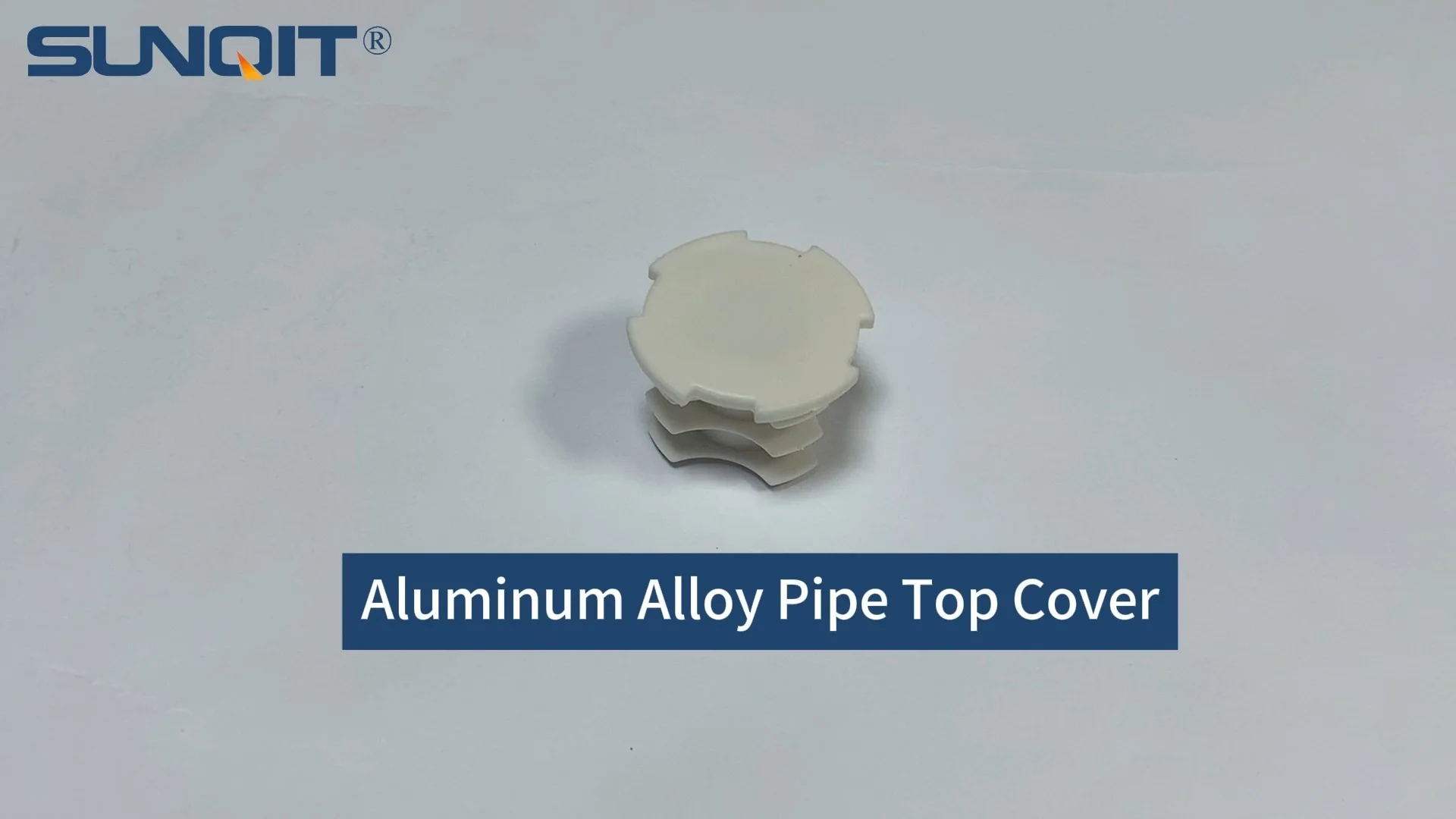
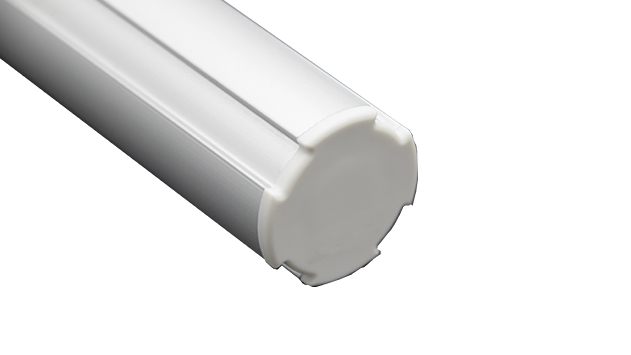
Plastic pipe cover to cover dia 28MM aluminum pipe end at workbench, flow rack, to prevent metal surface scratch material or worker.
In the fast-paced world of manufacturing and assembly, the term "flexibility" has become more than just a buzzword—it's the backbone of efficiency. Modern workstations are no longer static, clunky setups; they're dynamic ecosystems that adapt to shifting production needs, employee workflows, and even company growth. At the heart of this transformation lies a network of components: lean pipes, aluminum profiles, roller tracks, and casters, all working in harmony to keep operations running smoothly. Yet, among these stars of the show, there's an unsung hero that often goes unnoticed but plays a critical role in both functionality and aesthetics: the plastic pipe cover.
From protecting delicate lean tube systems to adding a pop of color that boosts team morale, plastic pipe covers have evolved far beyond their humble beginnings as simple protective sleeves. Today, they're a design statement, a safety feature, and a key player in creating workstations that are as visually cohesive as they are productive. Let's dive into the trends shaping their design, how they integrate with other workstation components, and why they've become indispensable in modern manufacturing.
The Backbone of Flexibility: Lean Systems and the Need for Protection
Before we zoom in on plastic pipe covers, let's set the stage with the systems they support. Lean systems—built around principles of minimizing waste and maximizing flow—rely heavily on modular components like lean pipe workbenches , aluminum profiles, and roller tracks. These systems are designed to be reconfigurable: a workstation that assembles small electronics today might be repurposed into a packaging station tomorrow, all by swapping out a few parts.
But with great flexibility comes great responsibility—specifically, the need to protect the components that make this adaptability possible. Lean pipes, whether they're traditional steel lean tubes or modern aluminum lean pipes, are the "bones" of these systems. They're subjected to constant wear: tools bumping against them, materials sliding across their surfaces, and the general hustle of a busy factory floor. Without proper protection, these pipes can scratch, corrode, or even degrade, shortening their lifespan and compromising the stability of the entire workstation. Enter plastic pipe covers: the durable, versatile solution that keeps lean systems looking and performing like new.
What Are Plastic Pipe Covers, Anyway? More Than Just "Sleeves"
At first glance, a plastic pipe cover might seem like a simple accessory: a tube of plastic that slides over a lean pipe or aluminum profile. But modern designs have transformed this basic concept into a multi-functional tool. Typically made from high-density polyethylene (HDPE) or PVC, these covers are engineered to resist impact, chemicals, and UV rays—common hazards in industrial settings. They come in various thicknesses, from lightweight sleeves for low-traffic areas to heavy-duty versions for workbenches and material racks that see constant use.
But their role isn't just protective. Plastic pipe covers also address practical pain points: they reduce noise when materials or tools hit the pipes, prevent snags on clothing or wiring, and even contribute to ESD workstation safety by minimizing static buildup (a critical feature in electronics manufacturing). And let's not forget aesthetics—today's covers come in a spectrum of colors, turning utilitarian pipes into visual cues that organize workflows or reflect brand identity.
Top Design Trends Reshaping Plastic Pipe Covers in 2025
1. Color Psychology: More Than Just Pretty Hues
Gone are the days of boring, monochrome workstations. Today's manufacturers are leveraging color to boost productivity, reduce errors, and create a more engaging workspace. Plastic pipe covers are at the forefront of this trend, with suppliers offering vibrant options that serve both functional and psychological purposes.
Take plastic roller track guide rail yellow , for example. Bright yellow is universally associated with caution and visibility, making it ideal for high-traffic areas like roller conveyor systems or material racks where workers need to quickly identify moving parts. On the flip side, plastic roller track guide rail grey has become a favorite for cleanroom environments or minimalist workstations; its neutral tone creates a calm, distraction-free atmosphere while hiding minor scuffs and wear—perfect for maintaining a polished look in customer-facing production lines.
Other popular shades include soft blue (linked to focus and calm) for assembly stations and green (symbolizing sustainability) for eco-conscious brands. Even custom color matching is on the rise, with aluminum profile suppliers and lean pipe suppliers offering Pantone-matched covers to align with company logos or brand palettes.
2. Material Innovation: Durability Meets Sustainability
Sustainability is no longer a niche concern—it's a business imperative. As a result, plastic pipe cover materials are evolving to meet eco-friendly goals without sacrificing performance. Traditional PVC is gradually being replaced by recycled polyethylene (rPE) and bio-based plastics derived from plant materials, which offer the same impact resistance but with a lower carbon footprint.
Another breakthrough is the integration of antimicrobial additives. In food processing or pharmaceutical workstations, where hygiene is non-negotiable, these covers inhibit the growth of bacteria and mold, reducing the risk of contamination. For heavy-duty applications like turnover trolley and rack systems, suppliers are now offering UV-stabilized covers that resist fading and degradation, even when used in outdoor or poorly lit warehouses.
3. Modularity: One Cover, Multiple Pipe Sizes
Flexibility in workstations starts with flexibility in components. Modern plastic pipe covers are designed to fit multiple pipe diameters, eliminating the need for separate covers for lean pipes, aluminum tubes, and stainless steel series. This "one-size-fits-most" approach saves inventory costs and simplifies reconfiguration—critical for small to mid-sized manufacturers with limited storage space.
For example, a single cover might stretch to fit both 28mm lean pipes and 30mm aluminum tubes, thanks to a flexible, ribbed inner lining that grips the pipe securely without cracking. Some designs even feature a split-seam construction, allowing them to be installed or removed without disassembling the entire workstation—a game-changer for maintenance crews or teams that frequently retool their setups.
4. ESD Integration: Protecting Sensitive Electronics
In electronics manufacturing, static electricity is the enemy. A single static discharge can damage microchips, ruin circuit boards, and cost companies thousands in scrap. That's why ESD workbench and workstation designs now include plastic pipe covers with conductive additives that dissipate static charges safely to the ground.
These ESD-safe covers are often paired with black or dark grey colorways (to visually distinguish them from non-ESD components) and are rigorously tested to meet industry standards like ANSI/ESD S20.20. For suppliers specializing in electronics manufacturing solutions, offering ESD-compatible covers has become a competitive must—alongside other static-control components like stainless steel swivel roller balls and ESD casters.

Integration with Key Workstation Components: A Team Effort
A plastic pipe cover is only as effective as its ability to work with the other components in a workstation. Let's explore how these covers complement some of the most critical parts of modern lean systems:
Aluminum Profiles and Guide Rails
Aluminum profile systems, known for their strength and versatility, are a staple in high-end workstations. Plastic pipe covers designed for aluminum extrusions often feature a low-profile design that hugs the profile's T-slots, ensuring compatibility with accessories like brackets, placon mounts, and aluminum guide rail A or aluminum guide rail B . For example, a cover on an aluminum profile used in a workbench E (single deck-without caster) might have pre-cut notches to accommodate cable management clips, keeping wires organized without sacrificing protection.
Roller Tracks and Conveyors
Roller tracks are the arteries of assembly lines, moving materials from station to station with precision. Plastic pipe covers here need to reduce friction and prevent jams—so suppliers have developed smooth, low-friction variants that work seamlessly with roller track placon mount for rail connection and 40 steel roller track yellow wheel systems. The bright yellow covers on roller track guide rails, for instance, not only signal "caution" but also guide operators to load materials correctly, reducing misalignments and downtime.
Casters and Mobility
Turnover trolleys, mobile workbenches, and hand trolley A or hand trolley B models rely on casters for mobility. Plastic pipe covers on these trolleys protect the underlying pipes from dents when the trolley is moved over uneven floors or bumped into walls. Heavy-duty covers with reinforced edges are especially popular here, as they absorb impact and extend the life of both the trolley and the floor (by reducing noise and scratches).
| Component | Plastic Pipe Cover Role | Popular Cover Type |
|---|---|---|
| Aluminum Profiles | T-slot compatibility, scratch resistance | Low-profile grey or black covers |
| Roller Tracks | Friction reduction, visual guidance | Yellow or green guide rail covers |
| ESD Workstations | Static dissipation, charge control | Conductive black ESD covers |
| Turnover Trolleys | Impact absorption, noise reduction | Heavy-duty ribbed covers |

The Supplier Perspective: Meeting the Demand for Trend-Forward Covers
For lean pipe suppliers , aluminum profile suppliers , and other workstation component vendors, keeping up with plastic pipe cover trends is a balancing act. On one hand, they must offer the basics: standard sizes, neutral colors, and affordable options for cost-sensitive buyers. On the other hand, they need to innovate to attract customers looking for cutting-edge features like ESD compatibility, custom colors, or sustainable materials.
Many suppliers are responding by expanding their product lines to include "trend packs"—bundles of covers in popular colors (like yellow and grey roller track guides) paired with complementary components like swivel roller balls 1 inch or caster accessories. This not only simplifies ordering for manufacturers but also ensures that all components work together seamlessly.
Additionally, suppliers are investing in fast-turnaround custom production. A small electronics manufacturer might need 50 ESD covers in their brand's signature blue, while a automotive plant could require 500 heavy-duty yellow covers for their roller tracks. By offering short lead times and low minimum order quantities, suppliers are making it easier for businesses of all sizes to adopt trend-forward workstation designs.
Future Horizons: What's Next for Plastic Pipe Cover Design?
As workstations become smarter and more connected, plastic pipe covers are poised to evolve even further. Here are a few trends to watch in the coming years:
- Smart Covers with Embedded Sensors: Imagine covers that monitor temperature, vibration, or even pipe stress, sending real-time data to a factory management system. This could predict maintenance needs before a component fails—saving time and reducing downtime.
- Biodegradable Options: As sustainability goals tighten, we'll see more covers made from plant-based plastics that break down naturally at the end of their lifecycle, reducing landfill waste.
- Branding Integration: Custom printing or laser etching on covers could turn them into subtle marketing tools, displaying company logos, safety reminders, or workflow instructions directly on the workstation.
Conclusion: Small Component, Big Impact
Plastic pipe covers may not be the most glamorous part of a workstation, but their role in modern manufacturing is undeniable. From protecting critical components to enhancing safety, boosting morale, and even supporting sustainability goals, these humble sleeves have become essential to building flexible, efficient, and future-ready workspaces.
As design trends continue to prioritize color, material innovation, and integration with smart systems, one thing is clear: the plastic pipe cover is no longer an afterthought. It's a strategic choice that reflects a company's commitment to quality, efficiency, and the well-being of its team. And for suppliers and manufacturers alike, staying ahead of these trends will be key to thriving in the ever-evolving world of lean systems and flexible workstations.