- Company Articles
- Products and Technology
- Product knowledge
- Plastic Pipe Cover for Automated Conveyor Systems: Key Considerations

Plastic Pipe Cover for Automated Conveyor Systems: Key Considerations
Related Product
Plastic Pipe Cover
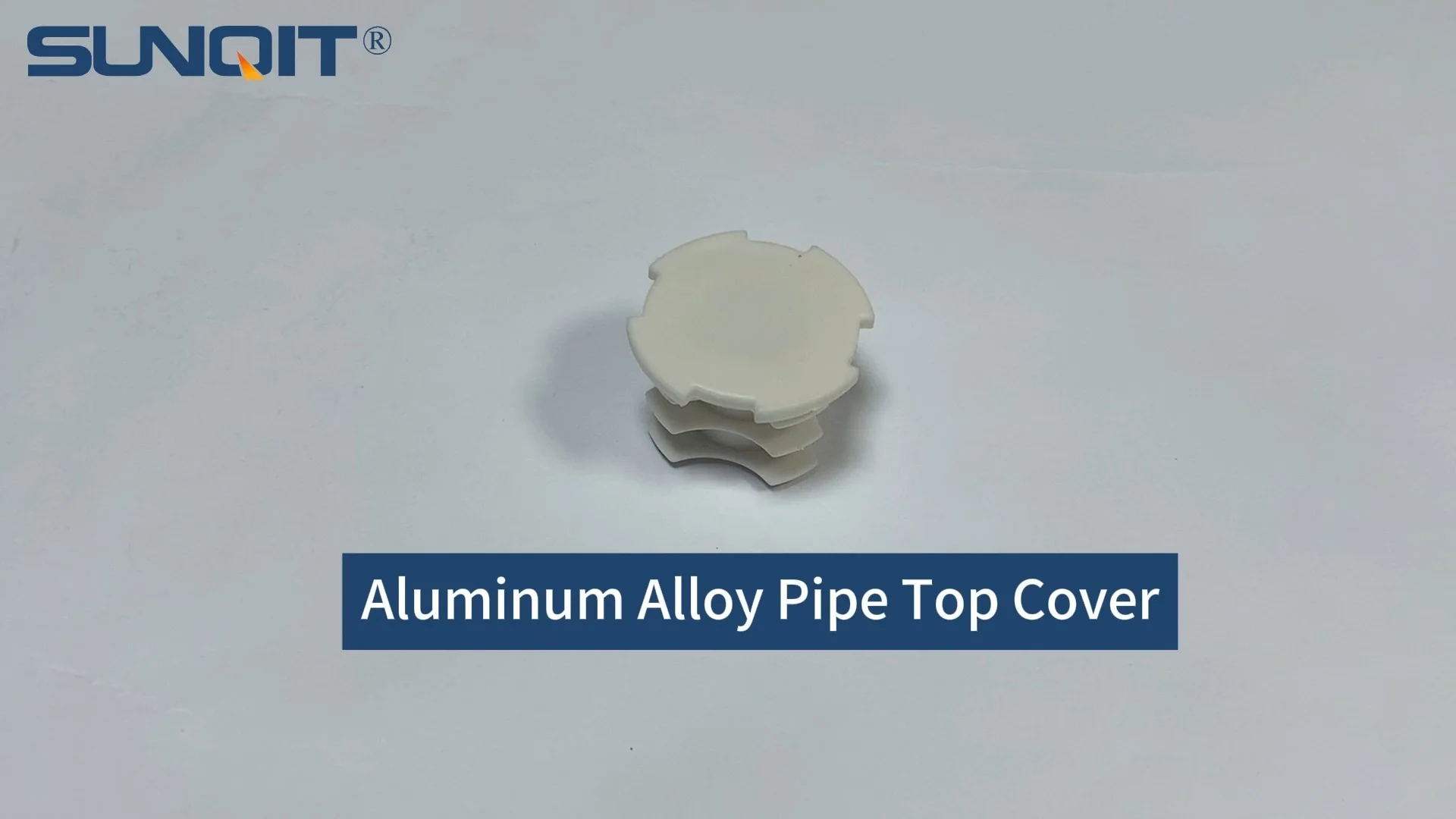
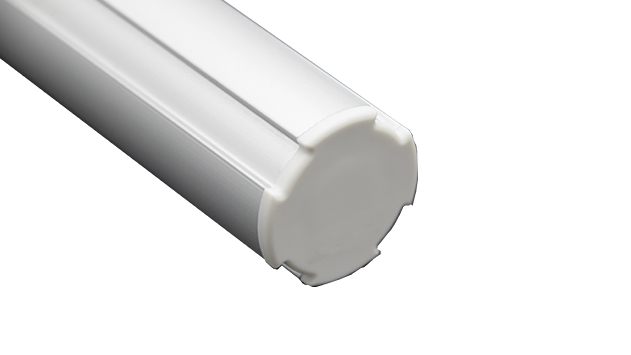
Plastic pipe cover to cover dia 28MM aluminum pipe end at workbench, flow rack, to prevent metal surface scratch material or worker.
In the fast-paced world of manufacturing, warehousing, and logistics, automated conveyor systems are the unsung heroes that keep operations moving. These systems quietly transport everything from small electronic components to heavy pallets, ensuring products flow seamlessly through production lines, distribution centers, and fulfillment hubs. But behind their smooth operation lies a network of components working in harmony—motors, belts, rollers, and structural elements like pipes and rails. Among these, plastic pipe covers might seem, but they play a critical role in protecting infrastructure, reducing downtime, and enhancing safety. Let's dive into the key considerations when choosing plastic pipe covers for your automated conveyor system, and why getting this decision right matters for your bottom line.
1. Material Selection: The Backbone of Performance
Not all plastic pipe covers are created equal. The material you choose will directly impact durability, resistance to environmental factors, and overall performance. Let's break down the most common options and their real-world applications:
Polyvinyl Chloride (PVC)
PVC is a go-to for many conveyor systems due to its balance of affordability and versatility. It's lightweight, easy to mold into custom shapes, and resistant to moisture—making it ideal for indoor environments like warehouses or assembly lines. However, PVC can become brittle in extreme cold and may soften in high heat, so it's best suited for climate-controlled spaces. For example, a electronics manufacturer using roller track systems to move circuit boards might opt for PVC covers to protect the underlying aluminum pipes from dust and minor impacts.
Polyethylene (PE)
PE is prized for its flexibility and toughness. Unlike PVC, it remains pliable in cold temperatures, making it a favorite for outdoor conveyor systems or facilities with fluctuating climates (think loading docks or refrigerated warehouses). Its chemical resistance also shines in environments where oils, solvents, or cleaning agents are present—such as automotive plants where conveyor lines might come into contact with lubricants. A food processing plant using plastic roller track guide rail grey might pair it with PE covers to withstand frequent washdowns with sanitizing solutions.
Polypropylene (PP)
When heat resistance is non-negotiable, PP steps up. This material can handle temperatures up to 120°C (248°F), making it perfect for conveyor systems near ovens, drying stations, or industrial furnaces. It's also highly resistant to acids and alkalis, which is why you'll often find it in chemical processing facilities or pharmaceutical manufacturing. For instance, a cosmetics factory with conveyor lines passing through heat-sealing stations would benefit from PP covers to protect pipes from thermal stress.
Nylon
Nylon is the heavyweight champion of plastic pipe covers, offering exceptional impact resistance and abrasion tolerance. It's more expensive than PVC or PE, but its longevity makes it cost-effective for high-traffic areas where pipes are at risk of frequent collisions—like busy distribution centers with roller track systems moving heavy cartons. Nylon also has low friction properties, which can reduce noise when products brush against the covers, a bonus for facilities prioritizing a quieter work environment.
2. Durability: Standing Up to the Daily Grind
Conveyor systems run for hours, sometimes around the clock, and their components face constant wear and tear. A plastic pipe cover that cracks, fades, or degrades quickly isn't just a maintenance headache—it can lead to pipe damage, jams, or even safety hazards. Here's what to look for in terms of durability:
Impact Resistance
In busy facilities, accidental bumps from forklifts, pallet jacks, or falling products are inevitable. A cover with poor impact resistance will chip or shatter, exposing the pipe underneath to rust, corrosion, or physical damage. Look for covers rated for drop impact (e.g., "resistant to 50kg impacts from 1m height") or those with a Shore D hardness rating of 60 or higher—this ensures they can absorb shocks without cracking. For example, a logistics hub using plastic roller track guide rail yellow (often used in high-visibility zones) would pair it with impact-resistant covers to withstand frequent contact with moving pallets.
Abrasion Resistance
Over time, constant friction from conveyor belts, product edges, or even dust and debris can wear down plastic covers. This is especially true for covers on inclined or curved conveyor sections, where products rub against the rails more intensely. Opt for covers with a high abrasion resistance rating (check ASTM D4060 test results) or those reinforced with additives like glass fiber. A automotive parts manufacturer moving metal components along a roller track would need abrasion-resistant covers to prevent premature wear from sharp edges.
UV Stability
If your conveyor system is outdoors or near windows with direct sunlight, UV radiation can cause plastic covers to fade, become brittle, or crack over time. Look for covers labeled "UV-stabilized" or "UV-resistant"—these are formulated with additives that block harmful UV rays. For example, a distribution center with outdoor loading conveyors would avoid standard PVC covers (which degrade quickly in sunlight) and instead choose UV-stabilized PE or PP options to ensure longevity.
3. Compatibility with Conveyor Components: A System, Not Just a Cover
Plastic pipe covers don't exist in isolation—they need to work seamlessly with other conveyor components like roller track , guide rails, and brackets. Mismatched covers can cause jams, misalignment, or even damage to other parts. Here's how to ensure compatibility:
| Component | Key Compatibility Considerations | Example Scenario |
|---|---|---|
| Roller Track | Cover diameter must not extend beyond roller edges; material should not create excessive friction with rollers. | A roller track with 1-inch rollers requires covers with a diameter of 30mm or less to avoid blocking product flow. |
| Plastic Roller Track Guide Rail (Yellow/Grey) | Color coding should align with facility safety standards; cover thickness must not interfere with rail height. | Plastic roller track guide rail yellow (used for high-priority zones) pairs best with yellow covers for visual consistency, while grey rails work with neutral covers. |
| Mounting Brackets | Cover design should allow access to bracket bolts/nuts for maintenance; recessed or slim-profile covers work best. | Aluminum brackets with narrow spacing require covers with notches or split designs to fit around hardware. |
| Drive Belts/Pulleys | Covers should not protrude into belt paths or create static that could attract dust to belts. | Flat, low-profile covers are ideal near drive pulleys to prevent belt snags. |
Color Coding and Visual Management
Many facilities use color-coded components to improve workflow efficiency and safety. For example, plastic roller track guide rail yellow might mark high-speed zones or critical paths, while grey rails indicate standard-speed areas. Plastic pipe covers can reinforce this system—matching the color of adjacent guide rails helps operators quickly identify zones, reducing errors and improving situational awareness. In a warehouse using lean manufacturing principles, this visual consistency can even boost productivity by 10-15% by minimizing confusion.

4. Safety Features: Protecting Your Team and Products
Safety should always be a top priority, and plastic pipe covers play an underrated role here. A poorly designed cover can create hazards like sharp edges, tripping risks, or static buildup. Here's what to prioritize:
Rounded Edges and Smooth Surfaces
Covers with sharp corners or rough edges pose a laceration risk to workers who might brush against them. Opt for designs with rounded edges (a radius of at least 2mm) and smooth, burr-free surfaces. This is especially important in areas where employees walk alongside conveyors or manually load/unload products. For example, a pharmaceutical plant with operators handling delicate vials would choose covers with ultra-smooth edges to prevent accidental cuts.
Anti-Static Properties
In environments with sensitive electronics (like semiconductor manufacturing or circuit board assembly), static electricity can damage products or even cause fires. Anti-static plastic pipe covers (treated with carbon black or static-dissipative additives) prevent charge buildup, keeping both products and workers safe. Look for covers with a surface resistance of 10^6 to 10^9 ohms—this range ensures static is dissipated without creating electrical hazards.
Flame Retardancy
In facilities with flammable materials (e.g., chemical plants, textile mills), flame-retardant covers are non-negotiable. These are formulated to self-extinguish when exposed to fire, preventing the spread of flames along conveyor pipes. Check for certifications like UL 94 V-0 (a standard for flame resistance) to ensure compliance with safety regulations. A warehouse storing combustible goods would require flame-retardant covers to meet local fire codes.

5. Installation and Maintenance: Keeping Systems Running Smoothly
A great plastic pipe cover is only effective if it's easy to install and maintain. Complicated installation wastes time, while hard-to-clean covers can harbor dirt and bacteria—both leading to unnecessary downtime.
Installation Ease
Look for covers with user-friendly installation designs: snap-on covers that require no tools, split covers that wrap around existing pipes without disassembly, or adhesive-backed options for quick fixes. For example, a maintenance team tasked with retrofitting covers onto an active roller track system would appreciate snap-on covers that can be installed in minutes, minimizing production interruptions.
Cleaning and Upkeep
Conveyor systems in food, beverage, or pharmaceutical industries need regular cleaning to meet hygiene standards. Choose covers that are easy to wipe down (smooth surfaces resist dirt buildup) or dishwasher-safe (for small, removable covers). Avoid porous materials that trap bacteria or grime. A dairy processing plant, for instance, would opt for non-porous PE covers that can be sanitized with high-pressure washers without degrading.
Replacement Accessibility
Even the most durable covers will eventually need replacement. When evaluating options, consider how easy it is to remove old covers and install new ones. Covers secured with screws might require tools, but they offer a tighter fit—ideal for high-vibration areas. Snap-on covers, while tool-free, might loosen over time and need periodic checks. A busy e-commerce fulfillment center with 24/7 operations would prioritize quick-replace covers to minimize downtime during repairs.
6. Cost-Effectiveness: Balancing Budget and Performance
It's tempting to choose the cheapest plastic pipe covers, but this can backfire. A low-cost cover might save money upfront but degrade quickly, leading to frequent replacements and higher long-term costs. Here's how to calculate true cost-effectiveness:
Total Cost of Ownership (TCO)
TCO accounts for more than just the purchase price—it includes installation labor, maintenance costs, replacement frequency, and downtime. For example, a $5 PVC cover that lasts 6 months and requires 2 hours of labor to replace (at $30/hour) has a TCO of $65/year. A $15 PE cover that lasts 3 years and takes 30 minutes to replace has a TCO of $20/year—making it the smarter investment. Always ask suppliers for lifecycle data (e.g., "expected lifespan in industrial environments") to compare TCO.
Bulk Purchasing and Supplier Relationships
If you need covers for multiple conveyor lines, buying in bulk can lower per-unit costs. Many suppliers offer discounts for large orders, and establishing a long-term relationship might unlock perks like priority shipping or custom designs. For example, a manufacturer with 50+ conveyor systems could negotiate a 10-15% discount by committing to a 12-month supply, reducing overall expenses significantly.
7. Industry-Specific Needs: One Size Doesn't Fit All
Different industries have unique challenges, and plastic pipe covers must adapt to these. Let's explore how needs vary across sectors:
Manufacturing (Automotive, Electronics)
These industries prioritize durability and resistance to oils, coolants, and abrasion. Roller track systems here often move heavy or sharp parts, so impact-resistant nylon or PE covers are ideal. Anti-static properties may also be needed for electronics manufacturing to protect sensitive components.
Food and Beverage
Hygiene is critical. Covers must be FDA-compliant (e.g., made from food-grade plastics like PE or PP), non-porous, and resistant to cleaning chemicals. Plastic roller track guide rail grey (often used in standard production zones) pairs with white or clear covers to highlight dirt buildup, making inspections easier.
Warehousing and Logistics
High traffic and constant movement demand impact and UV resistance. Plastic roller track guide rail yellow (used in fast-moving zones) with bright yellow covers improves visibility, while UV-stabilized materials stand up to outdoor loading docks.
Pharmaceuticals
Cleanrooms require covers with low particle shedding and easy sterilization. Smooth, seamless designs (no crevices for dust) and flame-retardant materials are standard here, along with compliance with ISO 14644 (cleanroom classification standards).
8. Environmental Impact: Sustainable Choices for the Future
As businesses prioritize sustainability, plastic pipe covers are no exception. Here's how to choose eco-friendly options:
Recyclability
Look for covers made from recyclable plastics (e.g., PE, PP, or PVC marked with resin codes #2, #5, or #3). Some suppliers even offer take-back programs for old covers, ensuring they're recycled into new products instead of ending up in landfills. A green-certified manufacturing plant might partner with such suppliers to meet sustainability goals.
Low-VOC Production
Volatile Organic Compounds (VOCs) released during plastic production harm air quality. Choose covers from suppliers with low-VOC manufacturing processes or certifications like GREENGUARD, which ensures products meet strict chemical emissions standards. This is especially important for facilities aiming for LEED certification.
Conclusion: Investing in the Right Cover for Long-Term Success
Plastic pipe covers may not be the most glamorous part of your automated conveyor system, but they're a critical investment in durability, safety, and efficiency. By considering material selection, durability, compatibility with components like roller track and plastic roller track guide rail yellow/grey , safety features, installation ease, cost-effectiveness, industry-specific needs, and environmental impact, you can choose covers that protect your system, reduce downtime, and support your operational goals. Remember: the best cover isn't just the one that fits your pipe—it's the one that fits your entire operation.