- Company Articles
- Products and Technology
- Product knowledge
- Plastic Pipe Cover for Conveyors: Reducing Noise & Preventing Damage

Plastic Pipe Cover for Conveyors: Reducing Noise & Preventing Damage
Related Product
Plastic Pipe Cover
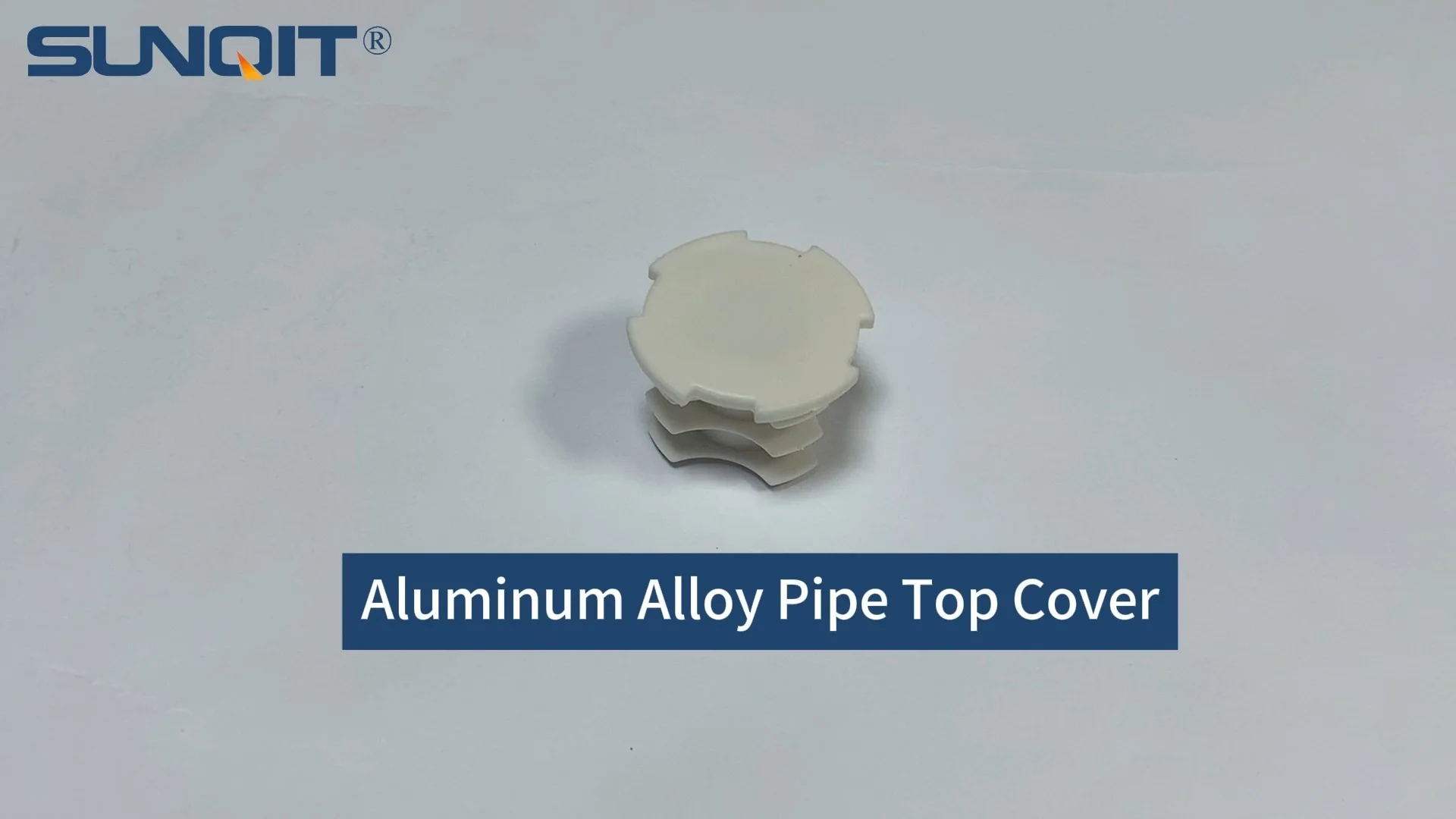
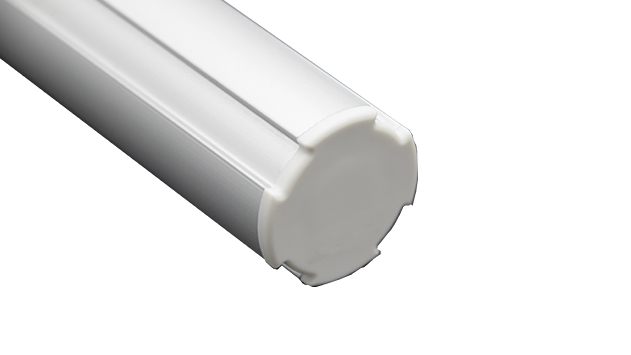
Plastic pipe cover to cover dia 28MM aluminum pipe end at workbench, flow rack, to prevent metal surface scratch material or worker.
Introduction: The Hidden Costs of Overlooked Conveyor Components
Walk into any busy warehouse, manufacturing plant, or distribution center, and you'll likely hear it before you see it: the steady hum of conveyor systems. These mechanical workhorses move everything from small electronic parts to heavy pallets, forming the backbone of modern supply chains. Yet, for all their importance, the unsung components that keep conveyors running smoothly often go unnoticed—until something goes wrong.
Ask any floor manager about their biggest conveyor-related headaches, and two issues will almost always top the list: noise and damage. The clatter of metal-on-metal contact as products slide along bare rails, the high-pitched squeal of misaligned components, the frustrating sight of scratched merchandise or dented equipment—these aren't just nuisances. They're silent drains on productivity, worker well-being, and bottom-line profits.
In this article, we're shining a spotlight on a simple yet transformative solution: plastic pipe covers for conveyors, specifically the plastic roller track guide rail yellow and plastic roller track guide rail grey variants. These unassuming components might look like minor upgrades, but they pack a punch when it comes to taming noise, protecting products, and keeping your lean system operating at peak efficiency. Let's dive in.
The Noise Problem: More Than Just an Annoyance
Imagine standing next to a conveyor line for an eight-hour shift. The constant rattle of boxes hitting metal rails, the repetitive thud of packages landing on rollers, the shrill scrape of misaligned parts—over time, that noise doesn't just grate on nerves. It takes a tangible toll.
OSHA estimates that exposure to noise levels above 85 decibels (dB) for extended periods can lead to permanent hearing damage. Many unmodified conveyors, especially those with metal roller tracks, easily exceed this threshold. In one study by the National Institute for Occupational Safety and Health (NIOSH), workers in facilities with uncovered metal conveyors reported higher rates of fatigue, increased stress, and even reduced concentration—all of which translate to slower task completion and a higher risk of errors.
Then there's the regulatory side. Most countries have strict noise pollution laws, and failing to meet them can result in fines, forced shutdowns, or costly retrofits. For businesses already operating on tight margins, these penalties add insult to injury.
But the noise problem isn't just about compliance or worker comfort. It's about communication. In loud environments, verbal instructions get lost, alarms go unheard, and collaboration suffers. A warehouse where employees have to shout to be heard isn't just inefficient—it's a safety hazard waiting to happen.
Damage Prevention: When Scratches and Dents Hit Your Wallet
Noise is hard to ignore, but the damage conveyor systems inflict on products and equipment can be even costlier. Let's say you're running a facility that ships electronics—small, delicate items like circuit boards or smartphone components. A single scratch from a rough metal rail can render a product unsellable, turning a profit into a loss. Multiply that by hundreds of units a day, and the numbers add up fast.
It's not just the products, either. Conveyors themselves take a beating. Metal rails rubbing against metal brackets wear down over time, leading to misalignment, jams, and breakdowns. Every minute a conveyor is offline for repairs is a minute your operation isn't moving goods, fulfilling orders, or meeting deadlines. Maintenance teams spend hours replacing worn parts, and procurement departments shell out for expensive replacements—all because of avoidable friction and impact.
Even in industries handling sturdier items, like automotive parts or bulk packaging, damage adds up. A dented box might still hold its contents, but it creates a poor impression for customers. And in lean operations, where waste reduction is king, any form of preventable damage is a direct violation of core principles.

Plastic Pipe Covers: A Simple Fix with Big Returns
So, what's the solution? Enter plastic pipe covers, specifically designed to line the roller track of conveyors. These covers—often referred to as guide rails—are made from durable, high-density polyethylene (HDPE) or polypropylene, materials chosen for their ability to absorb impact, reduce friction, and dampen sound.
Unlike bare metal rails, plastic pipe covers act as a buffer between products and the conveyor frame. When a box slides along a plastic guide rail, the material flexes slightly, absorbing shock and reducing noise. The smooth surface minimizes friction, so products glide instead of scrape, protecting both the items and the conveyor itself.
But not all plastic pipe covers are created equal. Manufacturers offer different colors and formulations to suit specific needs, and two of the most popular options are the plastic roller track guide rail yellow and plastic roller track guide rail grey . Let's take a closer look at what sets these two apart, and how to choose between them.

Yellow vs. Grey: Choosing the Right Plastic Guide Rail for Your Needs
At first glance, the difference between yellow and grey plastic guide rails might seem purely aesthetic. But dig deeper, and you'll find that each color serves a unique purpose, tailored to specific environments and applications. To help you decide which is right for your operation, let's break down their key features, benefits, and best-use scenarios.
| Feature | Plastic Roller Track Guide Rail Yellow | Plastic Roller Track Guide Rail Grey |
|---|---|---|
| Primary Function | Visibility and safety enhancement | Durability and low-visibility applications |
| Color Psychology & Use Case | Bright yellow is universally recognized as a "caution" or "attention" color. It stands out in busy environments, making it ideal for high-traffic areas where workers need to quickly identify conveyor paths, loading zones, or potential pinch points. | Neutral grey blends into industrial settings, making it perfect for areas where a subtle, unobtrusive look is preferred. It's also less likely to show minor scuffs or dirt, maintaining a clean appearance in less visually critical zones. |
| Material Additives | Often infused with UV stabilizers to prevent fading in well-lit areas or outdoor applications (e.g., loading docks with natural light). | May include additional impact modifiers for extra toughness, suited for heavy-duty use with larger, heavier products. |
| Best For Product Types | Small, lightweight items (e.g., cosmetics, pharmaceuticals, small electronics) where visibility of the guide rail helps prevent misalignment. | Heavy, bulky items (e.g., automotive parts, large boxes, pallets) where the focus is on durability and wear resistance. |
| Environmental Compatibility | Shines in low-light environments (e.g., warehouses with dim overhead lighting) where the bright color improves visibility. | Excels in clean rooms, food processing areas, or environments where color consistency is key (e.g., matching existing grey conveyor frames). |
Real-World Applications: When to Pick Yellow or Grey
Let's put this into context with a couple of examples. Suppose you run a fulfillment center that handles small, high-value items like jewelry or precision tools. Your conveyors are busy, with workers constantly loading and unloading products. Here, plastic roller track guide rail yellow would be a smart choice—the bright color makes it easy for staff to spot where items should align, reducing misplacements and jams. Plus, in areas where workers cross conveyor paths, the yellow rails act as a visual reminder to stay alert, boosting safety.
On the flip side, imagine a manufacturing plant that produces large automotive components—think engine blocks or transmission parts. These items are heavy, and the conveyors are built to handle the weight. In this case, plastic roller track guide rail grey makes more sense. The neutral color won't clash with the industrial aesthetic, and the added durability ensures the rails can withstand the constant impact of heavy parts without cracking or warping. The grey also hides minor scratches from metal-on-plastic contact, keeping the line looking professional with minimal maintenance.
How Plastic Pipe Covers Support Lean Systems
Lean manufacturing isn't just a buzzword—it's a philosophy centered on eliminating waste, improving efficiency, and creating value for customers. At first glance, plastic pipe covers might seem like a small detail, but they align perfectly with lean principles in ways that deliver measurable results.
Let's start with waste reduction. In lean terms, "waste" includes defects (damaged products), downtime (conveyor breakdowns), and even excess motion (workers having to shout over noise or rework scratched items). Plastic pipe covers directly tackle all three: by reducing product damage, they cut down on defective goods; by minimizing wear on conveyor parts, they extend equipment life and reduce downtime; and by lowering noise levels, they create a calmer environment where workers can communicate clearly and focus on tasks.
Then there's continuous improvement, a core tenet of lean. Installing plastic guide rails is a low-cost, low-effort upgrade that delivers immediate feedback. Managers can track metrics like noise levels, product defect rates, and maintenance frequency before and after installation, using the data to refine processes further. It's a tangible example of how small changes can drive big improvements—a mindset that fuels lean success.
Finally, there's respect for people, another lean principle often overlooked. By investing in solutions that reduce noise and create a safer, more comfortable workspace, employers show their teams they're valued. Happier, healthier workers are more engaged, more productive, and less likely to leave—reducing turnover and the costs of hiring and training new staff.
Installation and Maintenance: Making the Switch Seamless
One of the best things about plastic pipe covers is how easy they are to install. Unlike major conveyor overhauls that require shutting down operations for days, guide rails can often be added during regular maintenance windows or even during slow periods. Most designs are modular, clipping directly onto existing roller track systems with minimal tools—think zip ties, snap-on brackets, or simple screws.
For example, many manufacturers design their plastic guide rails with pre-drilled holes or grooved edges that align with standard roller track brackets. A maintenance team of two can typically outfit a 50-foot conveyor line in under an hour, meaning minimal disruption to your workflow.
Maintenance is just as straightforward. Plastic guide rails are resistant to rust, corrosion, and most chemicals, so they don't require painting or special treatments. A quick wipe with a damp cloth or a blast from a pressure washer (on low setting) is usually enough to keep them clean. And if a section does wear out or get damaged? Replacement parts are affordable and easy to swap in, so you won't be stuck waiting for custom orders.
Pro Tip: When installing plastic guide rails, take the time to align them properly with the roller track. Even a slight misalignment can create friction points that reduce efficiency and increase noise. Use a level and measuring tape to ensure the rails run parallel to the rollers, and test with a few sample products to check for smooth movement before fully securing them.
Real-World Results: Stories from the Floor
To truly understand the impact of plastic pipe covers, let's look at two real-world examples from facilities that made the switch.
Case Study 1: Electronics Manufacturing Plant Cuts Noise by 30%
A mid-sized electronics manufacturer in the Midwest was struggling with two issues: high noise levels on their circuit board assembly line and frequent scratches on delicate components. Workers on the line reported noise levels that made verbal communication difficult, and quality control teams were rejecting 5-7% of boards due to surface scratches.
The plant manager decided to test plastic roller track guide rail yellow on one section of the line. Within a week, noise meters showed a 30% reduction in peak noise levels, and workers noted they could hear instructions clearly without shouting. After a month, the scratch rate dropped to less than 1%, saving the company an estimated $12,000 in rework and rejected parts. Encouraged by the results, the plant rolled out the yellow guide rails across all assembly lines.
Case Study 2: Distribution Center Reduces Maintenance Costs by 25%
A large distribution center handling consumer goods was spending over $40,000 annually on conveyor maintenance, much of it due to worn metal rails and misaligned rollers. The facility manager was skeptical that plastic guide rails could make a difference but agreed to install plastic roller track guide rail grey on a high-traffic line used for heavy boxes.
Six months later, the results were clear: the grey guide rails had reduced metal-on-metal wear, and the maintenance team reported 25% fewer service calls for that line. The center expanded the upgrade to other lines, and within a year, overall maintenance costs dropped by 18%. "We thought it was just a piece of plastic," the manager later said. "But it's saved us time, money, and a lot of headaches."
Conclusion: Small Changes, Big Impact
In the world of conveyor systems, it's easy to focus on big-ticket upgrades—faster motors, smarter automation, longer tracks. But as we've explored, the smallest components often deliver the most surprising results. Plastic pipe covers, whether in bright yellow for visibility or neutral grey for durability, are a perfect example.
They reduce noise, protecting workers and improving communication. They prevent damage, saving money on defective products and repairs. They support lean principles, driving efficiency and waste reduction. And they do it all with minimal cost, effort, and disruption to your operation.
So, the next time you walk through your facility, take a closer look at your conveyor lines. Listen to the noise, check for scratches, and ask yourself: What would a little plastic pipe cover do for my team, my products, and my bottom line? The answer might just surprise you.
After all, in the world of manufacturing and logistics, success often comes down to the details. And when those details include solutions that make work safer, quieter, and more efficient—well, that's when good operations become great ones.