- Company Articles
- Products and Technology
- Installation And Maintenance
- Plastic Pipe Cover for Material Rack B: Perfect Fit & Installation Tips

Plastic Pipe Cover for Material Rack B: Perfect Fit & Installation Tips
Related Product
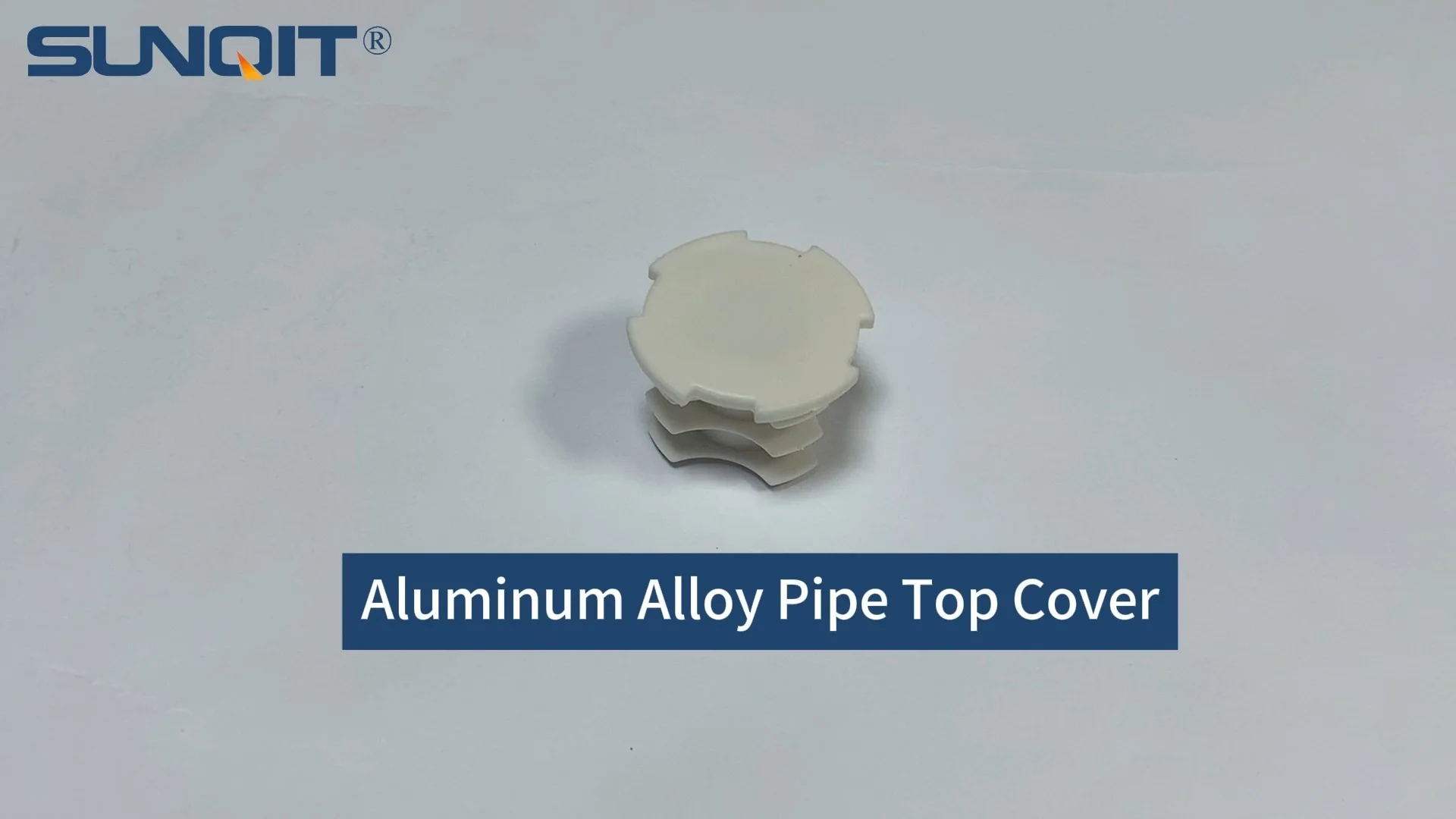
Plastic Pipe Cover
Plastic pipe cover to cover dia 28MM aluminum pipe end at workbench, flow rack, to prevent metal surface scratch material or worker.
The Quiet Hero of Your Warehouse: Why Material Rack B Deserves Attention
Walk into any bustling production facility or warehouse, and you'll likely spot rows of
material rack b (3 row and 3 floor)
standing tall, like silent sentinels holding the lifeblood of daily operations. These racks are the unsung workhorses of manufacturing—sturdy, versatile, and designed to maximize vertical space with their three rows and three floors. Whether you're storing raw materials, semi-finished components, or tools, Material Rack B keeps everything organized, accessible, and ready for the next step in the
production assemble
line. But here's the thing: even the most reliable workhorse needs a little TLC. And that's where one small but mighty component comes in: the plastic pipe cover.
At first glance, you might overlook these unassuming plastic caps. After all, Material Rack B's star features are its robust structure, adjustable shelves, and compatibility with other lean system components like
roller track
and aluminum profiles. But plastic pipe covers? They seem trivial. Until you realize they're the difference between a smooth, safe workflow and a frustrating day of scratched goods, damaged equipment, or even workplace injuries. In this article, we're diving deep into why plastic pipe covers matter for Material Rack B, how to choose the right ones, and exactly how to install them for a perfect fit. Let's start by getting to know Material Rack B a little better.
Understanding Material Rack B: More Than Just a Storage Shelf
Material Rack B (3 row and 3 floor) isn't just a random storage solution—it's a product of intentional design, built to solve specific challenges in busy industrial settings. Let's break down what makes it so popular:
Three Rows, Three Floors:
This design isn't arbitrary. By splitting storage into three horizontal rows and three vertical floors, Material Rack B optimizes both horizontal and vertical space. It means you can separate different types of materials (e.g., small parts on the top floor, bulkier items on the bottom) without sacrificing accessibility. For teams working in tight spaces, this is a game-changer.
Lean System Compatibility:
Material Rack B isn't a standalone unit. It's part of a larger lean ecosystem, often integrated with
roller track
for smooth material flow, aluminum profile accessories for customization, and even casters for mobility (though some models, like the "material rack b (3 row and 3 floor)" variant, are typically fixed). This compatibility makes it easy to adapt the rack to your changing needs—add a
roller track
to slide goods onto the assembly line, or attach aluminum side guards to prevent items from falling off.
Durable Construction:
Most Material Rack B units are built with sturdy materials like steel or aluminum pipes, reinforced with joints and brackets to handle heavy loads. But here's the catch: those metal pipes have sharp, exposed ends. And that's where plastic pipe covers step in.
What Are Plastic Pipe Covers, Anyway?
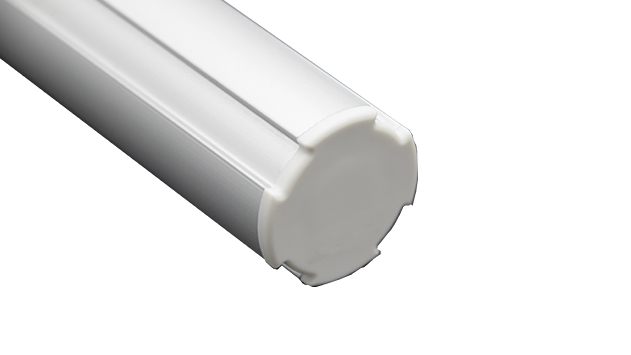
Let's keep it simple: plastic pipe covers are protective caps or sleeves designed to fit over the exposed ends of metal pipes—like the ones used in Material Rack B. They're usually made from durable plastics (think polyethylene or PVC) and come in various shapes, sizes, and colors to match different pipe diameters and industrial aesthetics.
While some might call them "end caps," not all plastic pipe covers are just for the ends. Some are designed to wrap around the edges of pipes, while others (like
plastic pipe end cap
variants) seal off open pipe ends entirely. For Material Rack B, the most common type is the end cap—small, circular, and designed to snap or press onto the cut ends of the rack's support pipes.
You might be wondering: "Why plastic?" Plastic is ideal here for a few reasons. It's lightweight, so it doesn't add unnecessary weight to the rack. It's flexible enough to form a tight seal around pipe ends but rigid enough to withstand daily wear and tear. And unlike metal, it won't rust, corrode, or scratch the items you're storing. Plus, plastic is affordable—so you can protect every exposed pipe end without breaking the bank.

Why Plastic Pipe Covers Are Non-Negotiable for Material Rack B
Now, let's get to the "why." Why bother with these tiny plastic caps? Here are four critical reasons:
1. Protect Your Goods from Damage:
Imagine sliding a box of delicate electronic components onto a shelf of Material Rack B. If the pipe end is exposed, the sharp metal edge could tear through the box, scratching or breaking the parts inside. Plastic pipe covers blunt those edges, turning a potential hazard into a smooth, safe surface. This isn't just about saving money on replacement parts—it's about maintaining quality control in your production process.
2. Keep Your Team Safe:
Exposed pipe ends are a workplace safety risk. A quick reach for a tool, a misstep while stocking shelves, or even a simple bump could result in a cut or bruise. In busy environments where teams are moving quickly, these small hazards add up. Plastic pipe covers eliminate that risk, creating a safer workspace for everyone.
3. Extend the Life of Your Rack:
Metal pipes are tough, but they're not invincible. Exposed ends can collect dust, moisture, or debris, leading to rust or corrosion over time. A plastic pipe cover acts as a barrier, keeping out the elements and ensuring your Material Rack B stays sturdy for years longer.
4. Maintain a Professional Look:
Let's not overlook aesthetics. A warehouse with exposed, rusting pipe ends looks unkempt—like an afterthought. Plastic pipe covers give Material Rack B a clean, finished appearance, which matters when clients or auditors walk through your facility. Plus, colored covers (like yellow or grey) can even help with organization—use yellow for "active" storage areas and grey for "staging" zones, for example.

Choosing the Right Plastic Pipe Cover for Material Rack B
Not all plastic pipe covers are created equal. To get the perfect fit for your Material Rack B, you'll need to consider a few key factors:
Size Matters:
First, measure the diameter of your rack's pipes. Material Rack B typically uses standard pipe sizes (e.g., 25mm or 30mm), but it's always better to double-check. A cover that's too small won't fit; one that's too large will fall off. Most
lean pipe supplier
or industrial hardware stores will list cover sizes clearly, so bring your measurements when shopping.
Material Quality:
Look for covers made from high-density polyethylene (HDPE) or PVC. These plastics are resistant to impact, chemicals, and temperature changes—important in industrial environments where racks might be exposed to oils, cleaning agents, or fluctuating heat. Avoid cheap, brittle plastics that crack easily; they'll need frequent replacement, costing you more in the long run.
Color and Visibility:
As we mentioned earlier, color can play a role in organization. If your facility uses color-coding, opt for covers that match your system. For example,
plastic roller track guide rail yellow
is often used in high-traffic areas to draw attention, while
plastic roller track guide rail grey
blends into neutral environments. For Material Rack B, yellow or grey covers are popular choices, but don't be afraid to get creative if it helps your team work more efficiently.
Compatibility with Other Components:
Material Rack B often works with
aluminum profile accessories
like side guards, labels, or tool holders. Make sure your plastic pipe covers don't interfere with these add-ons. For example, if you've attached an aluminum label holder near a pipe end, choose a low-profile cover that won't block the label.
To help you compare, here's a quick breakdown of two common options for Material Rack B:
| Feature | Plastic Pipe Cover (Yellow) | Plastic Pipe Cover (Grey) |
|---|---|---|
| Best For | High-visibility areas (e.g., near roller track zones, assembly lines) | Neutral, low-key environments (e.g., back-of-house storage, staging areas) |
| Durability | HDPE, impact-resistant | PVC, chemical-resistant |
| Color Retention | May fade slightly in direct sunlight over time | Better UV resistance for long-term outdoor use |
| Cost | Slightly higher (due to color additives) | More budget-friendly |
Ultimately, the "best" cover depends on your needs. If safety and visibility are top priorities, go with yellow. If you're looking for something durable and understated, grey is a solid choice. And if you're unsure, ask your
lean pipe supplier
—they'll have experience with Material Rack B and can recommend the right fit.
Step-by-Step Installation: Getting a Perfect Fit
Installing plastic pipe covers on Material Rack B is a simple process, but doing it right ensures they stay in place. Here's how:
Step 1: Clean the Pipe Ends
Before installing, wipe down the pipe ends with a dry cloth to remove dust, grease, or debris. If there's rust or sharp burrs, use a file or sandpaper to smooth them out. A clean, smooth surface helps the cover grip better.
Step 2: Test the Fit
Take one cover and gently press it onto a pipe end. It should slide on with slight resistance—snug but not forced. If it's too tight, warm the cover with a hair dryer for 10-15 seconds (plastic softens slightly with heat) to make it easier to fit. If it's too loose, try a smaller size.
Step 3: Apply Pressure Evenly
Once you've confirmed the size, push the cover onto the pipe end using both thumbs, applying even pressure around the edges. You should hear a small "click" when it's fully seated. Avoid using a hammer or tool to tap it on—this can crack the plastic.
Step 4: Check for Gaps
After installing, inspect the cover. There should be no gaps between the cover and the pipe. If you see a gap, remove the cover, check for debris, and try again. A tight seal is key to keeping out moisture and ensuring the cover stays put.
Pro Tip:
For extra security, apply a small dot of industrial-grade adhesive (like super glue) to the inside of the cover before installing. This is optional, but it's a good idea if your rack is in a high-vibration area (e.g., near heavy machinery).
Troubleshooting Common Plastic Pipe Cover Issues
Even with careful installation, you might run into a few hiccups. Here's how to fix them:
Covers Keep Falling Off:
This is usually due to a poor fit or dirty pipe ends. Clean the pipes again and try a tighter-fitting cover. If that doesn't work, add a thin layer of adhesive (as mentioned above).
Covers Crack or Break:
Brittle plastic or rough handling is often the culprit. Invest in higher-quality covers (HDPE is more impact-resistant than cheap plastics) and train your team to handle the rack gently—no leaning or pulling on the covers.
Discoloration:
Yellow covers may fade if exposed to direct sunlight for long periods. If your rack is near a window, consider switching to grey covers (which have better UV resistance) or adding a UV-protective spray to the covers.
Beyond Pipe Covers: Completing Your Material Rack B Setup
Plastic pipe covers are just one piece of the puzzle. To get the most out of your Material Rack B, consider pairing it with these complementary components:
Roller Track:
Install
roller track
on the shelves of Material Rack B to make loading and unloading goods a breeze. Gravity-fed roller tracks let items slide smoothly to the front, reducing strain on your team.
Aluminum Profile Accessories:
Add side guards, dividers, or label holders using
aluminum profile accessories
. These let you customize the rack to store specific items (e.g., small bins, tools, or fragile components) without damaging the structure.
Anti-Slip Mats:
Line the shelves with rubber anti-slip mats to prevent items from sliding around during transport. This is especially useful if your rack is near a
roller track
or conveyor belt, where vibrations might shift goods.
Remember, a well-equipped Material Rack B isn't just about storage—it's about creating a seamless, efficient workflow. And when you source all these components from a trusted
lean pipe supplier
, you can ensure they'll work together perfectly.
Final Thoughts: Small Component, Big Impact
Plastic pipe covers might not be the most glamorous part of your Material Rack B, but they're proof that the smallest components often have the biggest impact. By protecting your rack's pipes, you're protecting your goods, your team, and your bottom line. And with the right size, material, and installation, these covers will keep working hard for years to come.
So, the next time you walk past your
material rack b (3 row and 3 floor)
, take a second to appreciate those little plastic caps. They're not just covering pipes—they're covering your bases. And if you're ready to upgrade your rack system, start by checking your pipe covers. Your team (and your budget) will thank you.