- Company Articles
- Products and Technology
- Product knowledge
- Plastic Pipe Cover for Mobile Trolleys: Shock Absorption Features

Plastic Pipe Cover for Mobile Trolleys: Shock Absorption Features
Related Product
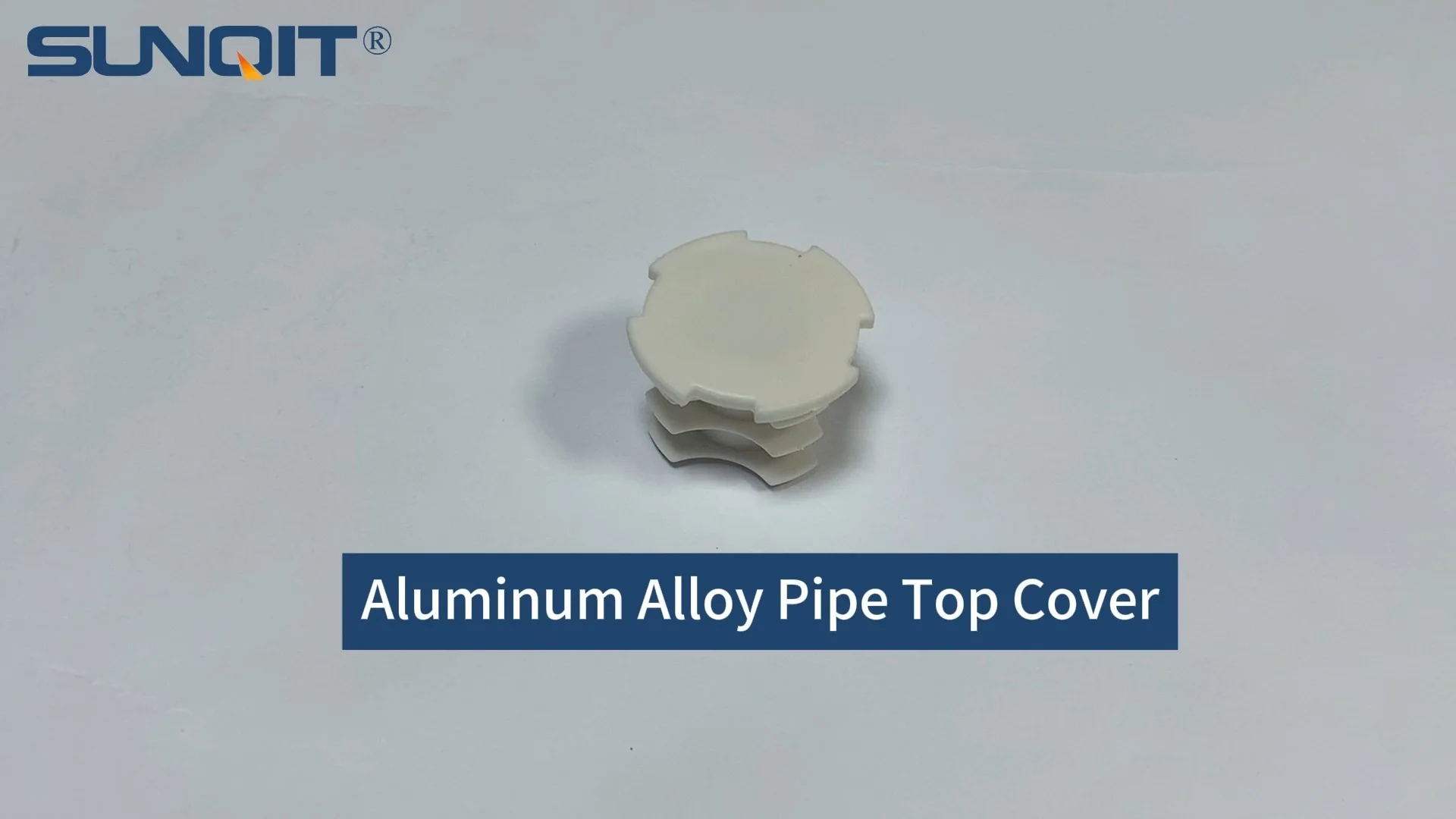
Plastic Pipe Cover
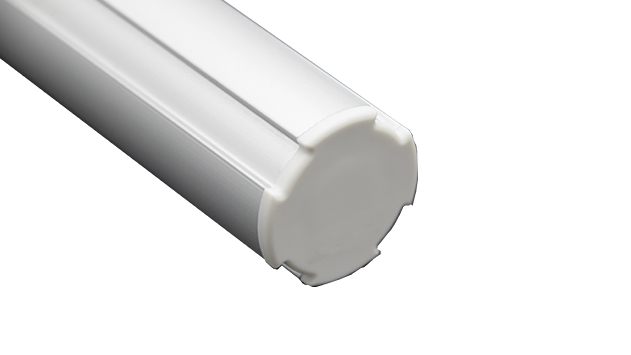
Plastic pipe cover to cover dia 28MM aluminum pipe end at workbench, flow rack, to prevent metal surface scratch material or worker.
Walk through any busy warehouse, manufacturing plant, or distribution center, and you'll notice a common workhorse: mobile trolleys. These unassuming tools—stacked with components, boxes, or finished products—zip between workstations, loading bays, and storage areas, keeping operations moving. But behind their seemingly simple design lies a world of stress: jolts from uneven concrete floors, sudden stops to avoid collisions, and the constant weight of heavy loads. Over time, this wear and tear doesn't just damage the trolleys themselves; it can rattle delicate parts, loosen joints, and even compromise workplace safety. That's where a humble yet critical component comes in: the plastic pipe cover. More than just a protective sleeve, it's a silent shock absorber, ensuring your turnover trolley and rack systems stay durable, efficient, and reliable.
The Hidden Stress of Mobile Trolley Life
To understand why plastic pipe covers matter, let's first unpack the daily punishment mobile trolleys endure. Imagine a typical scenario: A warehouse associate pushes a loaded turnover trolley down a corridor. The floor, though swept, has small cracks from years of use. As the trolley's caster wheels hit a crack, the entire frame jolts upward. If the trolley is carrying circuit boards or fragile electronics, that jolt could loosen a connection or scratch a surface. Now multiply that by hundreds of trips a day, across multiple shifts, and you start to see the cumulative impact.
Trolleys face three main types of stress: impact, vibration, and torque. Impact happens when the trolley hits an obstacle—a misplaced pallet, a door threshold, or even a sudden stop. Vibration comes from uneven terrain, causing the frame to shake continuously. Torque occurs when the trolley is turned sharply, putting strain on joints and connections. Without proper protection, these forces wear down metal components like lean pipes (the structural backbone of many trolleys), loosen joints, and eventually lead to wobbly frames or stuck caster wheels. In worst cases, a weakened trolley might even tip over, risking injury or product damage.
What Exactly Is a Plastic Pipe Cover?
At first glance, a plastic pipe cover might seem like little more than a colorful sleeve slipped over a metal pipe. But look closer, and you'll realize it's a thoughtfully engineered piece of lean pipe accessories. Typically made from durable plastics like PVC (polyvinyl chloride) or polyethylene, these covers are designed to fit snugly over the metal lean pipes that form the frame of mobile trolleys, workbenches, and material racks. They come in various lengths, diameters, and colors (yellow and grey are common, as seen in "plastic roller track guide rail yellow" and "plastic roller track guide rail grey" variants), but their primary job is far more than aesthetics.
Think of plastic pipe covers as the "shock absorbers" of the trolley world. Unlike rigid metal, plastic has inherent flexibility. When a jolt occurs, the plastic cover deforms slightly, absorbing the energy instead of transferring it directly to the metal pipe underneath. It's similar to how a car's suspension cushions passengers from bumps in the road—except here, the "passengers" are your valuable products and the trolley's structural integrity.
How Plastic Pipe Covers Actually Absorb Shock
The science behind shock absorption in plastic pipe covers is surprisingly clever. It all comes down to material properties and design. Let's break it down step by step:
- Elastic Deformation: When a force (like a jolt from a caster wheel hitting a crack) is applied, the plastic cover bends or compresses. Unlike brittle materials, which might crack, plastic is elastic—it returns to its original shape once the force is removed. This "give" dissipates the energy of the impact, preventing it from traveling up the metal pipe to the trolley's frame or contents.
- Damping Vibrations: Even small, constant vibrations can weaken metal over time. Plastic's molecular structure—softer and more flexible than metal—absorbs these vibrations like a sponge. Instead of the metal pipe shaking with every bump, the plastic cover acts as a buffer, reducing the amplitude of the vibration.
- Distributing Force: A bare metal pipe has a hard, smooth surface. When it's hit, the force concentrates on a small area, increasing stress. A plastic cover, with its slightly textured or padded surface, spreads that force over a larger area, lowering the pressure on any single point of the pipe.

Material Matters: Why Plastic (and Not Metal or Rubber)?
You might wonder: Why use plastic instead of metal sleeves or rubber wraps? Each material has its place, but plastic strikes a unique balance of cost, durability, and performance. Let's compare:
| Material | Shock Absorption | Durability | Cost | Best For |
|---|---|---|---|---|
| Plastic (PVC/Polyethylene) | Excellent—elastic and vibration-dampening | High—resistant to corrosion, chemicals, and UV light | Low to moderate—affordable for bulk use | Daily-use mobile trolleys, lean pipe systems, turnover racks |
| Rubber | Very good—soft and flexible | Low—prone to cracking in extreme temperatures; attracts dust | Moderate to high—more expensive than plastic | Specialized applications (e.g., medical equipment, clean rooms) |
| Metal Sleeves | Poor—rigid, transfers shock instead of absorbing it | Very high—resistant to impact, but heavy | High—costly and adds weight to trolleys | Heavy-duty industrial use (rarely needed for standard trolleys) |
For most facilities, plastic pipe covers offer the best "bang for the buck." They're tough enough to handle daily use, flexible enough to absorb shocks, and affordable enough to outfit every trolley in your fleet—including those hardworking turnover trolley and rack systems that keep your supply chain moving.

Beyond Shock Absorption: The Bonus Benefits of Plastic Pipe Covers
While shock absorption is their star role, plastic pipe covers wear many hats. Let's explore the extra perks that make them a must-have lean pipe accessory:
1. Protecting Your Trolley's Frame (and Your Budget)
Metal-on-metal contact is a recipe for rust and wear. When bare lean pipes rub against each other (e.g., where the trolley's side rails meet the frame), they scratch the surface, exposing the metal to moisture and corrosion. A plastic pipe cover acts as a barrier, preventing scratches and keeping rust at bay. Over time, this reduces maintenance costs—no more replacing rusted pipes or repainting frames.
2. Safety First: No More Sharp Edges
Metal pipes, especially if they've been knocked around, can develop sharp edges or burrs. A plastic cover smooths these out, turning a potential hazard into a soft, safe surface. This is a big deal in busy workplaces: fewer cuts, scrapes, or snagged clothing means happier, safer employees—and fewer workers' compensation claims.
3. Noise Reduction: A Quieter Workplace
Ever walked through a warehouse and winced at the sound of metal trolleys clanging against walls or each other? Plastic pipe covers muffle that noise. The soft plastic absorbs sound waves, turning a harsh "clang" into a muted "thud." A quieter workplace isn't just nicer for employees—it can also boost focus and productivity, especially in environments where communication is key.
4. Easy Identification with Color Coding
Many plastic pipe covers come in bright colors—yellow, grey, red, or blue. This isn't just for aesthetics; it's for organization. You could use yellow covers for trolleys dedicated to raw materials, grey for finished products, and red for urgent orders. Color coding reduces errors, speeds up workflows, and makes it easier to spot misplaced trolleys at a glance.
Installing Plastic Pipe Covers: A Quick How-To
Installing plastic pipe covers is simple—no special tools or expertise required. Here's a step-by-step guide to ensure a snug, effective fit:
- Measure Your Pipes: Start by measuring the diameter and length of the lean pipes on your trolley. Most covers are designed for standard sizes (e.g., 28mm or 30mm lean pipes), but double-checking ensures a perfect fit.
- Clean the Pipes: Wipe down the metal pipes with a cloth to remove dust, grease, or debris. A clean surface helps the cover slide on smoothly and stay in place.
- Slide On the Cover: If the cover is rigid, you might need to flex it slightly to start. For tighter fits, warm the cover with a hair dryer for 10-15 seconds (plastic softens in heat, making it easier to stretch). Once started, push or pull the cover along the pipe until it's fully seated.
- Secure if Needed: Most covers stay put with friction alone, but for high-stress areas (like near caster wheels), you can add a small dot of adhesive (e.g., industrial glue) at the ends. Avoid overdoing it—you'll want to remove the cover later for replacement.
- Inspect Regularly: Every few months, check covers for cracks, tears, or slipping. replace any damaged covers promptly—even a small split can reduce shock absorption.
Real-World Results: How One Factory Cut Costs with Plastic Pipe Covers
To put this in perspective, let's look at a real example. A mid-sized electronics manufacturer in Guangdong was struggling with two issues: frequent damage to circuit boards during transport and high turnover trolley maintenance costs. Their teams were using metal-framed trolleys without any pipe protection. After six months of tracking, they found:
- ~15% of circuit boards arrived at assembly with minor scratches or loose components, requiring rework.
- Trolley caster wheels needed replacement every 3-4 months due to excessive vibration wear.
- Two workers reported minor cuts from sharp pipe edges in the past year.
The factory decided to test plastic pipe covers on 50% of their trolleys. After three months, the results were striking:
- Damage to circuit boards dropped to 3%—a 12% improvement.
- Caster wheel lifespan increased to 6-7 months—nearly double the previous duration.
- No new reports of cuts or scrapes from trolleys.
The factory quickly rolled out covers to all trolleys. Within a year, they estimated saving $12,000 on rework costs and $8,000 on caster wheel replacements—all from an investment of less than $2,000 in plastic pipe covers. It's a classic example of how small, smart upgrades to lean pipe accessories can deliver big returns.
Choosing the Right Plastic Pipe Cover for Your Trolley
Not all plastic pipe covers are created equal. To get the best shock absorption and value, consider these factors when shopping:
- Material Grade: Look for high-density polyethylene (HDPE) or rigid PVC—these are more durable than low-density plastics. Avoid flimsy, thin covers that tear easily.
- Wall Thickness: Thicker covers (e.g., 2mm vs. 1mm) absorb more shock, but they add weight. For most trolleys, 1.5-2mm thickness is ideal—enough protection without slowing down movement.
- Color and Visibility: As mentioned earlier, color coding helps with organization. Opt for bright hues if you need trolleys to stand out, or neutral tones (like grey) for a sleek look.
- Supplier Reliability: Choose a reputable lean pipe supplier who specializes in accessories. They'll offer consistent sizing, quality materials, and replacement parts if needed.
The Future of Trolley Protection: What's Next for Plastic Pipe Covers?
As manufacturing and warehousing evolve, so too will the tools that support them. Plastic pipe covers are no exception. Here are a few trends to watch:
- Eco-Friendly Materials: With sustainability becoming a priority, we'll see more covers made from recycled plastics or biodegradable polymers. These will offer the same shock absorption but with a smaller environmental footprint.
- Smart Covers: Imagine covers embedded with tiny sensors that monitor impact levels or wear. When a cover is damaged, it could send an alert to maintenance staff—preventing failures before they happen.
- Custom Designs: As lean manufacturing becomes more tailored to specific industries, suppliers may offer covers with unique textures (for better grip), cutouts (to fit around joints), or even anti-static properties (critical for electronics manufacturing).
Final Thoughts: Don't Overlook the Little Things
In the fast-paced world of production and logistics, it's easy to focus on big-ticket items: automated conveyor systems, high-tech forklifts, or advanced inventory software. But as we've seen, the unsung heroes—like plastic pipe covers—often make the biggest difference in day-to-day efficiency, safety, and cost savings.
Whether you're managing a fleet of turnover trolley and rack systems, building custom workbenches with lean pipes, or simply looking to extend the life of your mobile equipment, investing in quality plastic pipe covers is a no-brainer. They're affordable, easy to install, and deliver benefits that ripple through your entire operation—from fewer damaged products to happier workers to a healthier bottom line.
So the next time you see a mobile trolley gliding through your facility, take a closer look. Chances are, there's a plastic pipe cover hard at work—quietly absorbing shocks, protecting your assets, and keeping your business moving forward. Sometimes, the smallest components are the most essential.