- Company Articles
- Products and Technology
- Product knowledge
- Plastic Pipe Cover for Mobile Workstations: Ensuring Stability & Protection

Plastic Pipe Cover for Mobile Workstations: Ensuring Stability & Protection
Related Product
Plastic Pipe Cover
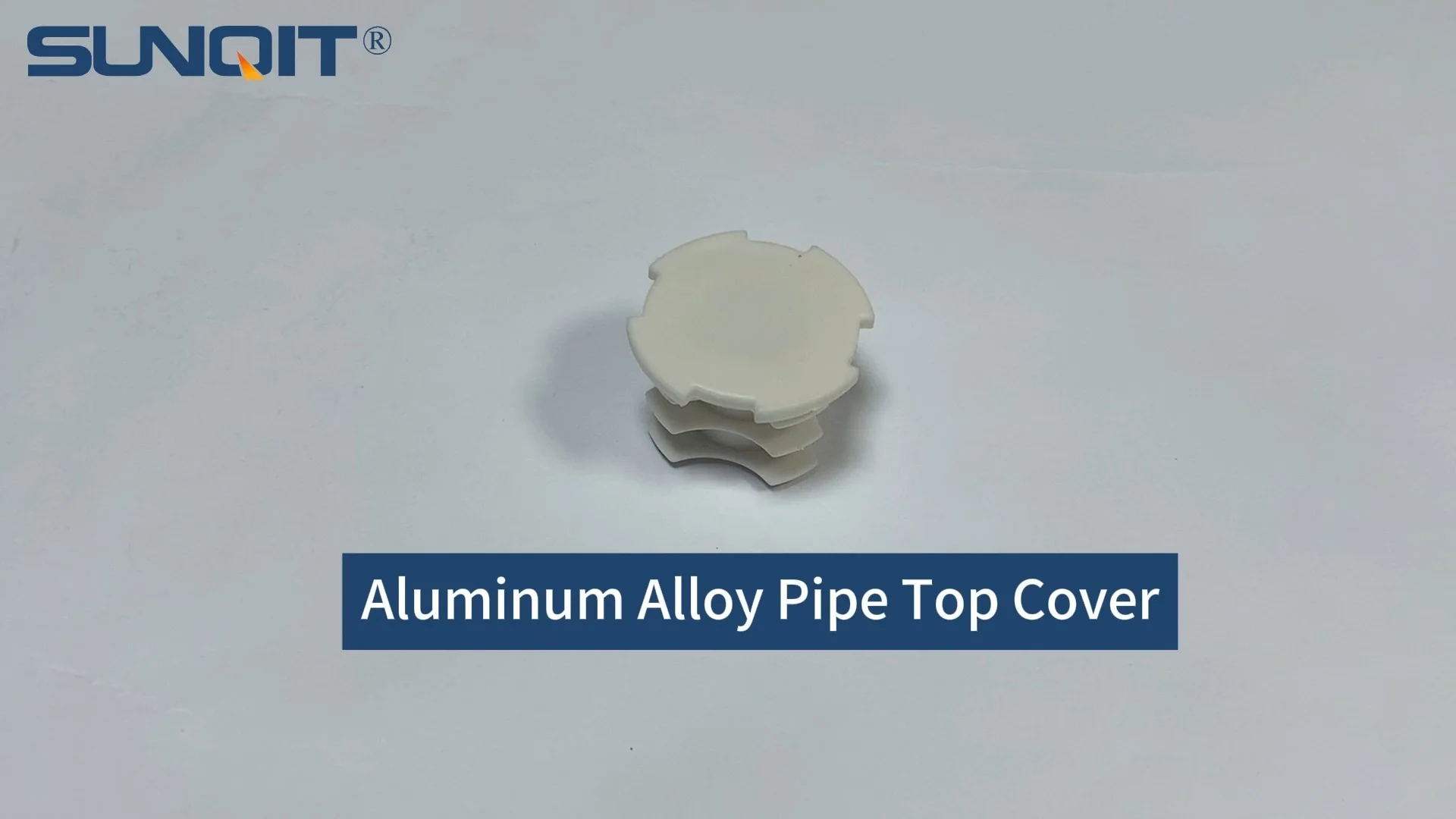
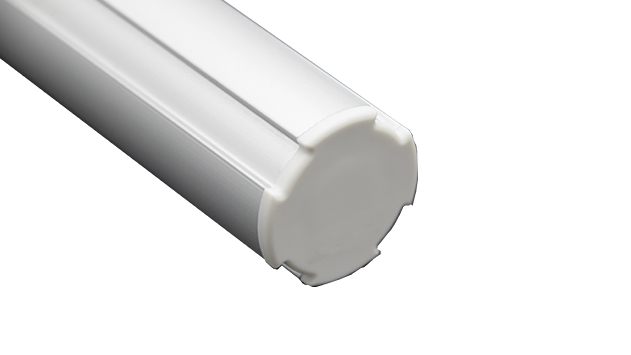
Plastic pipe cover to cover dia 28MM aluminum pipe end at workbench, flow rack, to prevent metal surface scratch material or worker.
In the bustling world of manufacturing, warehouses, and assembly lines, where every second counts and efficiency reigns supreme, mobile workstations have become the unsung heroes of productivity. Picture this: a workbench gliding smoothly across the floor on caster wheels , carrying tools, parts, and even entire assembly setups to wherever they're needed most. It's the kind of flexibility that makes lean systems thrive—no more wasted steps, no more fixed bottlenecks, just work that moves with the rhythm of your team.
But here's the thing about these mobile workhorses: their reliability hinges on far more than just sturdy legs and smooth-rolling casters. Hidden beneath the surface, often overlooked, is a small but critical component that keeps everything running like clockwork: the plastic pipe cover. Tucked around the lean pipe or aluminum pipe frames that form the backbone of these workstations, these unassuming covers do more than just add a finishing touch. They're the silent guardians of stability and protection, ensuring your workstation doesn't just move —it endures.
In this article, we're diving deep into the world of plastic pipe covers for mobile workstations. We'll explore why they matter, how they enhance stability in ways you might not expect, and how they shield your investment from the daily grind. Whether you're setting up a new lean system, upgrading existing workbenches, or simply curious about what keeps your mobile setup steady, let's uncover the impact of this tiny but mighty component.
The Basics: What Exactly is a Plastic Pipe Cover?
Let's start with the fundamentals. A plastic pipe cover is exactly what it sounds like: a protective sleeve, typically made from durable plastics like PVC, polypropylene, or TPE (thermoplastic elastomer), designed to fit snugly over metal pipes—most commonly lean pipe (often used in lean manufacturing systems) or aluminum pipes (a lightweight alternative in modern workstations). Think of it as a "sock" for your workstation's frame, but with a purpose far more important than aesthetics.
These covers come in various lengths, diameters, and colors (you've probably seen the classic yellow or grey ones in factories), but their core design remains consistent: a cylindrical tube with a slit down one side, allowing it to wrap around the pipe without needing to disassemble the entire workstation. Some are smooth, others have textured surfaces for better grip, and a few even feature UV-resistant coatings for use in outdoor or brightly lit environments. But regardless of the specifics, their mission is twofold: to stabilize the workstation and protect the pipe (and everything attached to it) from wear and tear.
You might be wondering, "Why plastic? Why not metal or rubber?" Plastic strikes the perfect balance here. It's lightweight, so it doesn't add unnecessary bulk to a mobile workstation (critical when you're moving the setup around). It's resistant to corrosion, unlike bare metal, which can rust when exposed to moisture or chemicals. And it's flexible enough to absorb minor impacts—say, a stray tool bump or a gentle nudge against a wall—without cracking or denting. For a component that's in constant contact with the environment and the people using the workstation, plastic just makes sense.
Stability: Why Wobbly Workstations Cost More Than You Think
Imagine trying to assemble a delicate electronic component on a workbench that (shakes) every time someone walks by or a nearby machine rumbles. Frustrating, right? Not only does it slow you down, but it increases the risk of mistakes—dropped parts, misaligned assemblies, even injuries. Stability isn't just about comfort; it's about precision, safety, and keeping your team's workflow uninterrupted.
So how does a plastic pipe cover contribute to stability? Let's break it down:
1. A Snug Fit = Less Wobble
Lean pipes and aluminum pipes, while strong, aren't always perfectly smooth. Over time, especially with frequent movement, joints can loosen slightly, or the pipe itself might develop minor dents or scratches. A plastic pipe cover fits tightly around the pipe, filling in these tiny imperfections and creating a uniform surface. This snug fit reduces "play" in the frame—those small, annoying wobbles that add up over time. When the frame is solid, the entire workstation feels more stable, whether it's parked during use or rolling across the floor.
2. Grip Where It Counts
Many plastic pipe covers have textured exteriors, which might seem like a design choice, but they serve a practical purpose: grip. When you're pushing or pulling a mobile workstation, your hands (or gloves) need traction to control the movement. A smooth metal pipe can get slippery, especially if there's oil, dust, or moisture on it. The textured plastic cover gives you a firmer hold, making it easier to maneuver the workstation precisely—no more slipping mid-push, which can jerk the setup and throw off stability.
3. Dampening the Noise (and the Vibration)
Mobile workstations on caster wheels are great for flexibility, but they're also prone to vibration. Every bump in the floor, every sudden stop, sends tiny shocks through the frame. Over time, these vibrations can loosen joints, rattle tools, or even damage sensitive equipment placed on the workbench. Plastic, being a natural insulator, absorbs some of that vibration. It acts like a buffer between the metal pipe and the environment, reducing the "shock transfer" that leads to instability. The result? A workstation that feels steadier, even on less-than-perfect floors, and tools that stay put where you left them.
4. Compatibility with Casters: A Match Made in Stability
Let's not forget the caster wheels themselves. Mobile workstations rely on casters for movement, but casters alone can't ensure stability—they need a frame that supports their motion without flexing. Plastic pipe covers add a layer of rigidity to the lean pipe or aluminum frame. By reducing flex in the pipes, they help the casters distribute weight more evenly, preventing the workstation from tipping or swaying when loaded with heavy tools or parts. It's like adding a spine to the setup: the cover keeps the frame straight, so the casters can do their job without fighting a wobbly base.
Protection: Shielding Your Workstation (and Your Wallet)
Stability is half the battle. The other half? Protecting your workstation from the daily wear and tear that can turn a reliable tool into a costly repair. Mobile workstations take a beating: they're pushed into corners, scraped against walls, exposed to oils, solvents, and dust, and sometimes even accidentally kicked or bumped. Without protection, the metal pipes at their core—whether lean pipe, aluminum, or stainless steel—are vulnerable to damage that shortens their lifespan and compromises performance.
Plastic pipe covers act as a first line of defense, shielding the pipe (and by extension, the entire workstation) from four common enemies:
1. Corrosion: Fighting the Elements
Metal and moisture don't mix. In warehouses with high humidity, or manufacturing areas where liquids (like coolants or cleaning solutions) are present, bare metal pipes can start to rust or corrode. Even aluminum, which is more resistant than steel, can develop oxidation over time. A plastic pipe cover creates a barrier, keeping water, chemicals, and condensation away from the metal surface. It's like a raincoat for your workstation's frame—simple, but effective at preventing rust that weakens the pipe and leads to expensive replacements.
2. Impact: Softening the Blow
Ever seen a lean pipe frame with a dent from a wayward pallet jack or a dropped tool? Those dents aren't just cosmetic. They weaken the pipe's structural integrity, making it more likely to bend or snap under load. Plastic is naturally shock-absorbent, so when a collision happens, the cover takes the brunt of the impact. It might scuff or even crack (though high-quality covers are surprisingly tough), but the pipe underneath stays intact. Think of it as a helmet for your workstation—sacrificing a small, affordable part to save the more expensive frame.
3. Scratches and Abrasion: Keeping It Smooth
Even minor scratches can cause big problems. A scratch on a bare metal pipe creates a rough spot where dirt, grime, or moisture can collect, accelerating corrosion. It can also snag on clothing, gloves, or even parts being moved across the workstation. Plastic pipe covers create a smooth, uniform surface that resists scratches. Whether it's from dragging tools across the frame or brushing against other equipment, the cover stays smooth, keeping the pipe underneath pristine. This isn't just about looks—it's about maintaining a clean, functional surface that won't interfere with workflow.
4. UV Damage: For Workstations in the Light
Not all workstations live indoors. Some are used in outdoor loading docks, sunlit warehouses, or near windows where sunlight beats down for hours. UV rays can fade colors, but more importantly, they can degrade certain plastics and even weaken metal over time. Many plastic pipe covers are formulated with UV stabilizers, which block harmful rays and prevent the cover (and the pipe beneath it) from becoming brittle or discolored. This is especially important for workstations used in automotive repair shops, construction sites, or any environment with prolonged sun exposure.
Here's the bottom line: a plastic pipe cover costs a fraction of what you'd pay to replace a bent lean pipe or corroded aluminum frame. By investing in this small protective layer, you're extending the life of your workstation, reducing downtime for repairs, and ensuring your aluminum pipe accessories (like joints, brackets, or connectors) stay secure. It's preventative maintenance at its simplest—and most cost-effective.

Choosing the Right Plastic Pipe Cover: A Quick Guide
Not all plastic pipe covers are created equal. With so many options on the market—different materials, colors, and designs—how do you pick the one that's right for your mobile workstation? Let's break down the key factors to consider:
1. Material: Flexibility vs. Durability
The most common materials for plastic pipe covers are PVC, polypropylene, and TPE. PVC is rigid and durable, making it ideal for high-impact environments (like manufacturing floors with heavy machinery). Polypropylene is lightweight and resistant to chemicals, a good choice for labs or areas with solvents. TPE is flexible and rubber-like, offering excellent grip and vibration dampening—perfect for workstations that move frequently on caster wheels. Consider your workspace: if you need something that bends without cracking, TPE might be better. If you need maximum impact resistance, go with PVC.
2. Size: Fit Matters
Plastic pipe covers come in diameters to match standard lean pipe (often 28mm or 30mm) and aluminum pipe sizes. A cover that's too loose will slip or bunch up, reducing stability and protection. One that's too tight might crack when installed or be impossible to remove for maintenance. Always measure your pipe's outer diameter before buying—most suppliers list compatibility clearly (e.g., "fits 28mm lean pipe" or "for 30mm aluminum pipe").
3. Texture and Finish: Grip and Aesthetics
Smooth covers are easy to clean but can be slippery when wet. Textured covers offer better grip, which is helpful if you frequently push or pull the workstation by the frame. Some covers even come in colors that match your workspace's branding or safety codes (e.g., yellow for high-visibility areas). While aesthetics shouldn't be your top priority, a color that stands out can help prevent accidental collisions in busy environments.
| Material | Best For | Key Benefits | Potential Drawbacks |
|---|---|---|---|
| PVC | High-impact areas, heavy machinery zones | Rigid, scratch-resistant, affordable | Less flexible; can crack in cold temperatures |
| Polypropylene | Chemical-exposed environments (labs, cleaning stations) | Chemical-resistant, lightweight, UV-stable | Softer than PVC; prone to dents under heavy impact |
| TPE | Mobile workstations on caster wheels, frequent movement | Flexible, vibration-dampening, excellent grip | More expensive; can attract dust in dry environments |
4. Installation: Easy On, Easy Off
Look for covers with a pre-cut slit along one side—this makes installation a breeze. You can slip them over the pipe without disassembling the workstation, saving time and hassle. Some covers also have a "grip" strip along the slit to keep them from sliding once installed, which is especially useful for workstations that move a lot. Avoid covers that require glue or tools to install; they're harder to replace if damaged.

Real-World Impact: Stories from the Floor
Still not convinced that a plastic pipe cover is worth the investment? Let's hear from teams who've experienced the difference firsthand.
Case 1: A Automotive Assembly Line
A mid-sized automotive parts manufacturer was struggling with frequent workstation repairs. Their mobile workbenches, built with bare lean pipe frames, kept developing rust spots from oil and coolant spills, leading to wobbly joints and bent pipes. After adding PVC pipe covers to all their workstations, they noticed a 60% drop in frame-related repairs over six months. "The covers took a beating, but the pipes underneath stayed like new," said the plant manager. "We're saving thousands on replacement parts—and our team no longer wastes time adjusting wobbly workbenches."
Case 2: A Warehouse Fulfillment Center
A fulfillment center relied on mobile workstations with caster wheels to move orders across the warehouse. Without pipe covers, the aluminum frames would scratch the painted floors, leading to costly floor repairs. They switched to textured TPE covers, which not only protected the floors but also reduced noise when the workstations moved. "The difference in sound alone was huge—no more screeching metal on concrete," said a warehouse supervisor. "And the covers last so long, we haven't replaced one in over a year."
Conclusion: Small Component, Big Difference
At the end of the day, mobile workstations are all about reliability. They need to move when you need them to, stay steady when you're working, and keep going strong day after day. Plastic pipe covers might not be the first thing you think of when setting up your workstation, but they're the glue that holds it all together—stabilizing the frame, protecting the pipes, and ensuring your investment lasts.
Whether you're using a simple workbench on caster wheels or a complex lean system built around lean pipe and aluminum frames, don't overlook the power of this tiny component. It's a small cost for big returns: fewer repairs, less downtime, and a workstation that works as hard as your team does.
So the next time you roll a mobile workstation across the floor, take a second to glance at the pipe frame. If you see a plastic cover there, know this: it's not just a sleeve. It's the reason your workstation feels steady, stays strong, and keeps up with the chaos of your workflow. And that? That's priceless.