- Company Articles
- Products and Technology
- Product knowledge
- Plastic Pipe Cover in Furniture Manufacturing: Protecting Frame Components

Plastic Pipe Cover in Furniture Manufacturing: Protecting Frame Components
Related Product
Plastic Pipe Cover
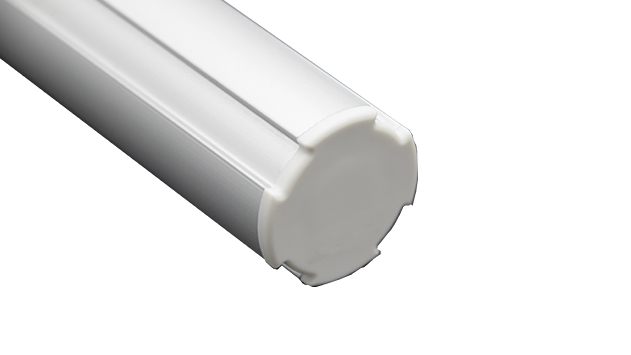
Plastic pipe cover to cover dia 28MM aluminum pipe end at workbench, flow rack, to prevent metal surface scratch material or worker.
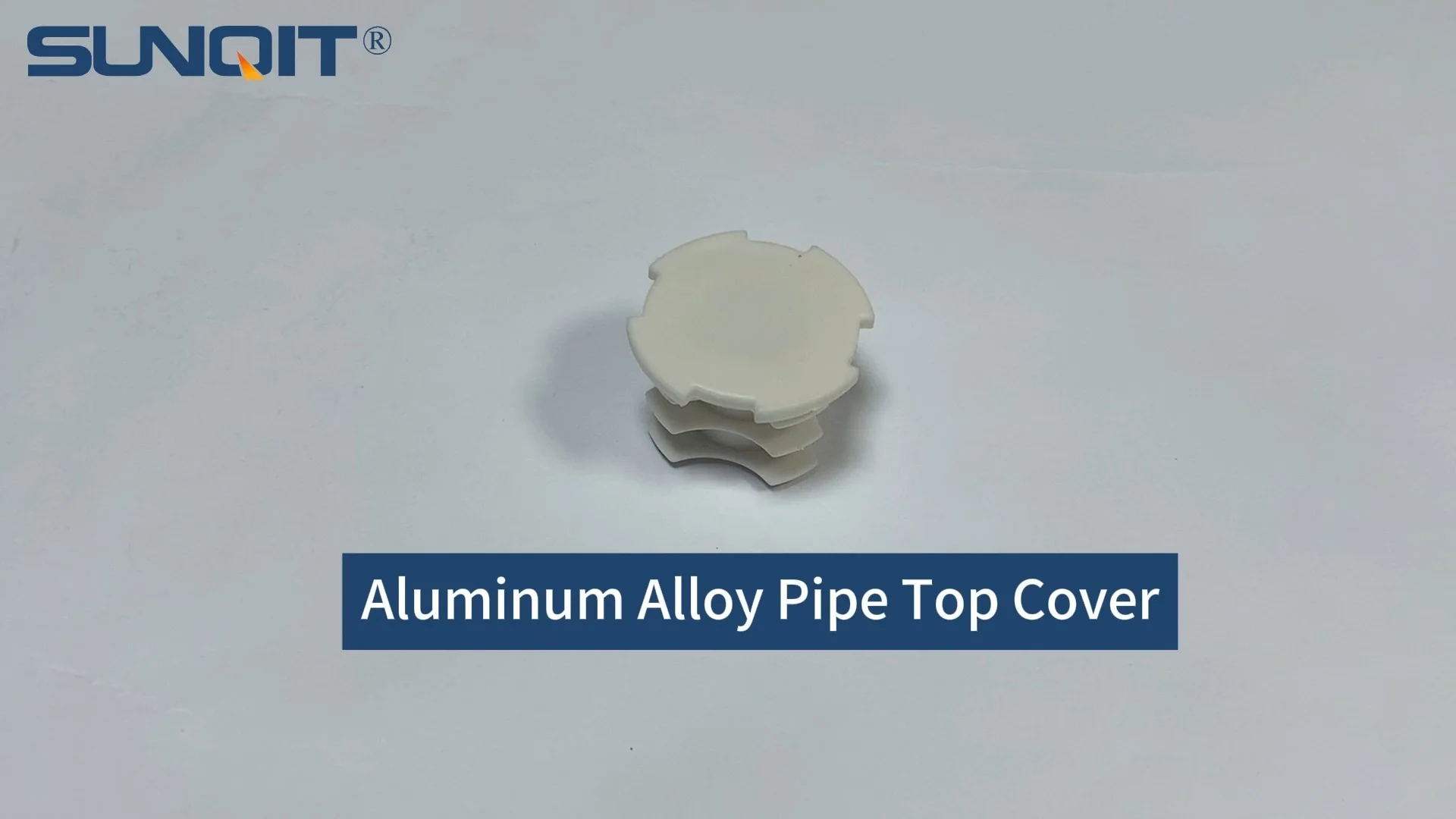
In the bustling world of furniture manufacturing, where precision and durability are the cornerstones of quality, there's a quiet champion working behind the scenes: the plastic pipe cover . While flashy designs and trendy finishes often steal the spotlight, it's the unassuming components like these that ensure your favorite workbench, turnover trolley, or storage rack stands the test of time. Today, we're diving deep into how plastic pipe covers play a pivotal role in protecting frame components, why they matter, and how they fit into the broader ecosystem of lean manufacturing and furniture design.
Imagine walking into a workshop—rows of workbenches cluttered with tools, turnover trolleys gliding across the floor carrying heavy loads, and racks stacked high with materials. Each of these pieces relies on a sturdy frame to function. But what happens when those frames are left unprotected? Scratches from daily use, dents from accidental impacts, corrosion from moisture, or even wear from constant friction can turn a robust piece of furniture into a wobbly, unsafe liability. That's where plastic pipe covers step in: as the first line of defense for the unsung heroes of furniture construction—frame components.
Understanding Furniture Frame Components: The Backbone of Durability
Before we appreciate the role of plastic pipe covers, let's first understand what frame components are and why they're so critical. In furniture manufacturing, frame components are the structural elements that hold everything together. Think of them as the skeleton: they provide shape, support weight, and ensure stability. Whether it's the legs of a workbench, the rails of a turnover trolley, or the uprights of a storage rack, these components are typically made from materials like steel, aluminum, or lean pipes—strong, but not invincible.
Frame components face a host of challenges daily. For example, a workbench in a factory might have heavy machinery placed on it, tools dropped onto its edges, or parts dragged across its surface. A turnover trolley, used to transport goods from one corner of a warehouse to another, might bump into walls, other trolleys, or loading bays. Even stationary racks can suffer from scratches when materials are slid in and out. Over time, these small damages add up: a scratch can lead to rust, a dent can weaken the structure, and loose joints can compromise safety. In short, unprotected frame components are a ticking time bomb for furniture longevity.
This is where protection becomes non-negotiable. Manufacturers have experimented with various solutions over the years—from metal caps to rubber sleeves—but few have proven as versatile and effective as plastic pipe covers. Let's take a closer look at what makes them stand out.
Plastic Pipe Cover: A Closer Look at Design and Material
At its core, a plastic pipe cover is a sleeve-like component designed to fit over the ends, edges, or entire lengths of frame pipes. Made from durable plastics like polyethylene (PE), polypropylene (PP), or PVC, these covers are engineered to absorb impacts, resist abrasion, and shield against environmental factors like moisture and chemicals. But their design is about more than just protection—they're also crafted to be easy to install, cost-effective, and even aesthetically pleasing.
Most plastic pipe covers come in a range of sizes to fit standard pipe diameters, from small 0.5-inch tubes to larger 2-inch ones. They're often flexible, allowing them to snugly wrap around pipes without cracking, and some are even ribbed or textured to enhance grip or add a non-slip surface. Colors like yellow, grey, or black are common, not just for visibility but also to match workplace safety standards or brand aesthetics. For example, a yellow plastic pipe cover on a turnover trolley might serve as a visual cue to "handle with care," while a grey cover on a workbench could blend seamlessly with industrial decor.
What truly sets plastic pipe covers apart, though, is their adaptability. Unlike rigid metal caps, which can scratch surfaces they come into contact with, plastic is gentle on both the frame and surrounding objects. This makes them ideal for environments where furniture is moved frequently, like warehouses or assembly lines. They're also lightweight, adding minimal extra weight to the frame—an important consideration for mobile furniture like trolleys, where every pound affects maneuverability.
The Multifaceted Benefits of Plastic Pipe Covers
To truly grasp why plastic pipe covers are a staple in furniture manufacturing, let's break down their benefits into tangible, real-world advantages:
1. Protection Against Physical Damage
The most obvious benefit is physical protection. Frame components, especially those made of lean pipes or aluminum profiles, are prone to dents and scratches when exposed. A plastic pipe cover acts as a buffer: if a trolley bumps into a wall, the cover absorbs the impact instead of the pipe itself. Similarly, when tools are dropped on a workbench frame, the cover prevents the metal from bending or chipping. Over time, this reduces the need for repairs or replacements, saving manufacturers and end-users alike from unnecessary costs.
2. Corrosion Resistance: Fighting Moisture and Chemicals
Many workshops and factories are humid, or use cleaning agents that can corrode metal frames. Plastic pipe covers create a barrier between the pipe and the environment, preventing moisture, oils, or chemicals from seeping in and causing rust. This is especially critical for furniture used in food processing facilities, car washes, or outdoor settings, where corrosion can quickly compromise structural integrity.
3. Aesthetic Enhancement: Polishing the "Unseen" Details
While functionality is key, appearance matters too. Exposed pipe ends or rough edges can make furniture look unfinished or unprofessional. Plastic pipe covers smooth out these imperfections, giving frames a clean, polished look. For manufacturers, this attention to detail can be a selling point—customers are more likely to trust a product that looks well-crafted, even in its smallest components.
4. Cost-Effectiveness: Affordable Long-Term Value
Plastic pipe covers are inexpensive to produce, making them a budget-friendly solution for manufacturers. Compared to metal or rubber alternatives, they offer a lower upfront cost without sacrificing performance. And because they extend the lifespan of frame components, they provide long-term savings by reducing maintenance and replacement expenses.
5. Ease of Installation: Saving Time on the Assembly Line
In fast-paced manufacturing environments, time is money. Plastic pipe covers are designed for quick, tool-free installation—simply slide them onto the pipe, and they stay in place thanks to their flexible, snug fit. This reduces assembly time and minimizes errors, ensuring that furniture pieces roll off the line faster without compromising quality.

Applications in Furniture Manufacturing: Where Plastic Pipe Covers Shine
Now that we understand their benefits, let's explore where plastic pipe covers are most commonly used in furniture manufacturing. From workbenches to turnover trolleys, these covers prove their worth in a variety of settings:
Workbenches: The Workhorses of the Workshop
A workbench is the heart of any workshop, and its frame takes a beating daily. Whether it's a mechanic's bench holding heavy engine parts or a lab bench supporting delicate equipment, the frame must withstand constant use. Plastic pipe covers are often used on the legs and crossbars of workbenches to prevent scratches from tools, protect floors from scuffs when the bench is moved, and even reduce noise—plastic dampens the sound of metal-on-metal contact better than bare pipe.
For example, a workbench with a lean pipe frame (a common choice for its modularity) might use plastic covers on all exposed pipe ends. This not only protects the frame but also the workers using it—no more stubbed toes on sharp metal edges!
Turnover Trolleys and Racks: Mobility Meets Durability
Turnover trolley and rack systems are essential for moving materials efficiently in warehouses and factories. These trolleys are constantly on the go, navigating tight spaces, and colliding with other objects. Their frames, often made of aluminum or steel pipes, need to be both lightweight and tough. Plastic pipe covers here act as armor: they prevent dents when the trolley bumps into a rack, protect the pipe from moisture in humid storage areas, and even make the trolley safer to handle—no sharp edges mean fewer workplace injuries.
Racks, too, benefit from plastic covers. When loading or unloading goods, items can slide against the rack's uprights, causing scratches. A plastic cover creates a smooth surface that reduces friction, making it easier to slide boxes on and off while protecting the rack from wear.
Lean Pipe Systems: Integrating with Lean Manufacturing
Lean manufacturing relies on modular, flexible systems to minimize waste and maximize efficiency. Lean pipe systems—made of lightweight pipes and joints—are a cornerstone of this approach, used to build everything from assembly lines to storage solutions. Here, plastic pipe covers aren't just protectors; they're part of the lean pipe accessories ecosystem. They ensure that the modular frames remain durable even as they're reconfigured, adapted, and moved around the factory floor. For instance, a lean pipe workstation might use plastic covers to protect pipes that are frequently disassembled and reassembled, ensuring the frame stays intact for years of use.

Plastic Pipe Covers vs. Other Protection Solutions: A Head-to-Head Comparison
While plastic pipe covers are popular, they're not the only option. Let's compare them to two common alternatives—aluminum pipe accessories and stainless steel caps—to see why they often come out on top:
| Feature | Plastic Pipe Cover | Aluminum Pipe Accessories | Stainless Steel Caps |
|---|---|---|---|
| Cost | Lowest upfront cost; budget-friendly for bulk use | Moderate; more expensive than plastic | Highest; stainless steel is costly |
| Impact Absorption | Excellent; flexible plastic absorbs shocks | Poor; rigid aluminum dents easily | Fair; strong but can dent on heavy impact |
| Corrosion Resistance | High; plastic is impervious to moisture and chemicals | High (anodized aluminum), but uncoated aluminum can corrode | Very high, but heavier and less flexible |
| Weight | Lightweight; adds minimal bulk | Moderate; adds noticeable weight to frames | Heavy; can slow down mobile furniture |
| Installation | Tool-free; slides on easily | May require screws or adhesives | Often needs welding or threading |
As the table shows, plastic pipe covers excel in cost, impact absorption, and ease of installation—key factors for manufacturers looking to balance quality and efficiency. Aluminum pipe accessories, while durable, are rigid and less forgiving, making them better suited for static, low-impact applications. Stainless steel caps, though corrosion-resistant, are heavy and expensive, limiting their use to specialized environments like marine or high-moisture settings.
Installation Tips: Getting the Most Out of Your Plastic Pipe Covers
Installing plastic pipe covers is straightforward, but a few best practices can ensure they perform optimally:
- Measure Twice, Cut Once: Ensure the cover's diameter matches the pipe. A loose cover will slip off, while one that's too tight may tear when installed.
- Clean the Pipe Surface: Wipe down the pipe with a dry cloth to remove dust or grease—this helps the cover grip better.
- Use Heat for Tighter Fits: If the cover is slightly too small, warm it with a hair dryer (on low heat) to soften the plastic, then slide it on. It will shrink back to size as it cools.
- Inspect Regularly: Over time, covers can wear out. Check for cracks or looseness during routine maintenance and replace as needed.
The Future of Plastic Pipe Covers: Innovation and Sustainability
As manufacturing evolves, so too do the components that power it. Plastic pipe covers are no exception. Today, manufacturers are exploring eco-friendly options, like recycled plastic covers, to reduce environmental impact. Some are even experimenting with biodegradable plastics for single-use or short-lifespan applications. Additionally, advancements in material science are leading to stronger, more heat-resistant plastics that can withstand extreme temperatures—expanding their use into industries like automotive manufacturing or aerospace.
Another trend is customization. With 3D printing becoming more accessible, companies can now create plastic pipe covers in unique shapes or with custom logos, blending functionality with brand identity. Imagine a turnover trolley with a company's logo embossed on its plastic pipe covers—a small detail that adds professionalism and brand recognition.
Conclusion: Small Component, Big Impact
In the grand scheme of furniture manufacturing, plastic pipe covers might seem like a minor detail. But as we've explored, they play a vital role in protecting frame components, enhancing durability, and ensuring that the furniture we rely on daily remains safe and functional for years. From the workbench in your garage to the turnover trolley in your local warehouse, these unassuming covers are the silent guardians of structural integrity.
So the next time you walk past a sturdy workbench or glide a trolley across a factory floor, take a moment to appreciate the plastic pipe cover. It's proof that sometimes, the smallest components make the biggest difference.