- Company Articles
- Products and Technology
- Product knowledge
- Plastic Pipe Cover Innovations: Latest Designs for 2025 Manufacturing

Plastic Pipe Cover Innovations: Latest Designs for 2025 Manufacturing
Related Product
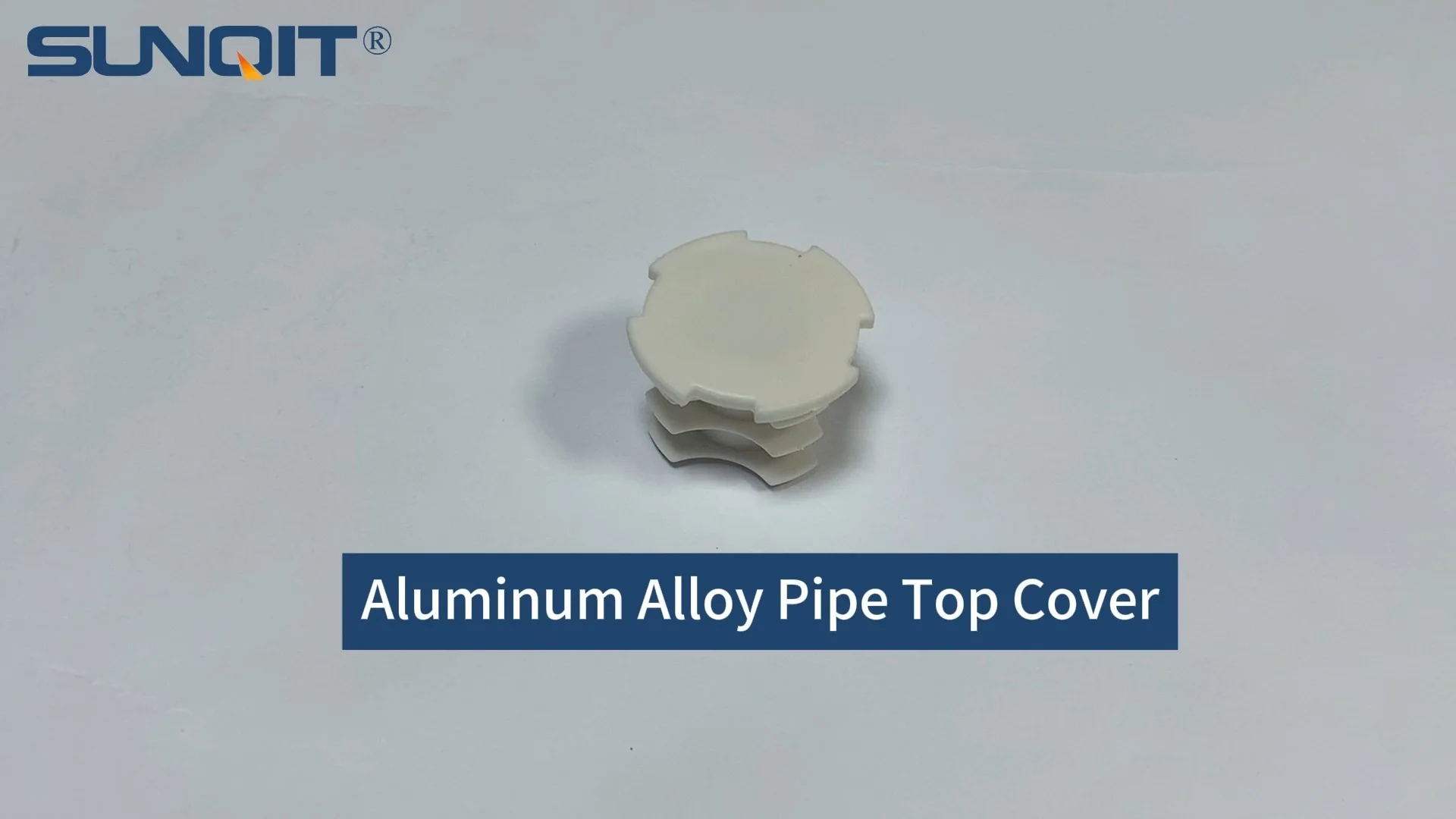
Plastic Pipe Cover
Plastic pipe cover to cover dia 28MM aluminum pipe end at workbench, flow rack, to prevent metal surface scratch material or worker.
The Unsung Backbone of Modern Lean Systems
Walk through any bustling manufacturing facility today, and your eyes might be drawn to the high-tech robots, sleek assembly lines, or glowing digital dashboards. But look closer—past the flashy machinery—and you'll notice the quiet workhorses keeping everything running smoothly: the humble pipes, rails, and connectors that form the skeleton of lean systems. Among these, plastic pipe covers might seem, but in 2025, they're undergoing a revolution. These small, unassuming components are now key to unlocking efficiency, safety, and sustainability in factories worldwide.
For decades, plastic pipe covers were afterthoughts—basic sleeves meant to protect metal pipes from scratches or hide unsightly joints. But as lean manufacturing evolves, so too do the demands on every part of the production ecosystem. Today's manufacturers aren't just looking for durability; they want covers that reduce noise, resist chemicals, integrate with smart tools, and even contribute to a more organized, intuitive workspace. In short, they want plastic pipe covers that work with their lean pipe setups, not just around them.
This article dives into the 2025 innovations reshaping plastic pipe covers, from advanced materials to design tweaks that might seem small but deliver big results. We'll explore how these upgrades are making factories safer, workflows smoother, and sustainability goals more achievable—one pipe cover at a time.
Material Evolution: Beyond Basic Plastics
Gone are the days when plastic pipe covers were made from generic, one-size-fits-all polymers. In 2025, material science has taken center stage, with suppliers crafting covers that balance durability, flexibility, and purpose-specific performance. Let's break down the key advancements:
1. High-Density Polyethylene (HDPE) with Reinforced Fibers
The 2025 lineup leans heavily on HDPE blends infused with glass or carbon fibers. Why? These composites boost impact resistance by up to 40% compared to traditional plastics, meaning covers can withstand accidental bumps from forklifts or heavy turnover trolleys without cracking. A mid-sized automotive parts manufacturer in Ohio recently switched to these reinforced covers and reported a 65% drop in pipe cover replacements over six months—saving both time and money on maintenance.
2. ESD-Safe Formulations for Sensitive Electronics
In electronics manufacturing, static electricity is the enemy. That's why 2025's plastic pipe covers now include ESD (Electrostatic Discharge) variants, made with conductive additives that dissipate static charges. These covers are a game-changer for workbenches assembling circuit boards or handling microchips, where a single static spark could ruin thousands of dollars in components. One semiconductor plant in Taiwan noted a 30% reduction in static-related defects after outfitting their lean pipe workbenches with ESD-safe grey plastic covers.
3. UV-Stabilized Polymers for Longevity
Factories with large windows or outdoor storage areas often struggled with plastic covers fading or becoming brittle under sunlight. Enter UV-stabilized plastics. These formulations resist degradation from UV rays, extending cover lifespans from 2-3 years to 5-7 years. A solar panel manufacturer in Arizona, which relies on outdoor material racks, saw their plastic roller track guide rails (previously yellow, now UV-stabilized) maintain their color and flexibility even after 18 months of intense sun exposure.
Design Innovations: Small Changes, Big Impact
Material upgrades tell only half the story. The real magic of 2025's plastic pipe covers lies in their design—engineered to solve specific pain points on the factory floor. Here are the standout trends:
Color-Coding for Workflow Clarity
Walk into a 2025 factory, and you'll notice a rainbow of pipe covers: yellow for high-traffic zones, grey for static-sensitive areas, green for recyclable material paths. This isn't just aesthetics—color-coding is a lean manufacturing hack that reduces errors and speeds up training. For example, a food packaging plant in Germany uses yellow plastic roller track guide rails for raw material flow and grey for finished goods. New employees can now identify workflow directions at a glance, cutting onboarding time by 25%.
Snap-Fit Installation: No Tools Required
Gone are the days of fumbling with screws or adhesives to install pipe covers. 2025 designs feature snap-fit edges that lock onto lean pipe joints with a satisfying "click." This not only speeds up setup—installing a 10-foot section now takes 2 minutes instead of 10—but also allows for quick reconfiguration. A contract manufacturer in Texas, which frequently switches production lines between clients, reports saving over 12 hours per month on retooling thanks to these snap-fit covers.
Contoured Edges for Safety and Noise Reduction
Sharp, rigid pipe covers were a common source of scrapes and bruises for factory workers. 2025 models address this with rounded, contoured edges that reduce injury risk. But the innovation doesn't stop there: these soft edges also dampen noise when materials slide along roller tracks. A furniture assembly plant in North Carolina measured a 15-decibel drop in conveyor noise after upgrading to contoured covers—making the shop floor quieter and less fatiguing for staff.

Compatibility: Playing Nice with Lean Manufacturing's Greatest Hits
A pipe cover is only as good as its ability to work with the rest of your lean system. 2025's designs prioritize seamless integration with everything from aluminum profiles to roller tracks, ensuring they enhance—not hinder—your existing setup. Let's look at how they pair with key components:
Case Study: Auto Parts Plant Boosts Efficiency with Integrated Covers
A mid-sized auto parts manufacturer in Michigan was struggling with bottlenecks on their transmission assembly line. Their lean pipe workbenches and flow racks used mismatched, generic pipe covers that often jammed roller tracks or required frequent adjustments. In early 2025, they switched to a full suite of 2025 plastic pipe covers, including yellow plastic roller track guide rails for material flow and ESD-safe grey covers for sensitive electronic components.
The results were striking: Material jams decreased by 70%, and workers reported spending less time fixing track issues and more time on value-added tasks. The plant manager noted, "We didn't realize how much time we were wasting on small, daily frustrations until the new covers eliminated them. It's like upgrading from a flip phone to a smartphone—suddenly everything works better together."
Lean Pipes and Joints: A Perfect Fit
Modern lean pipes come in various materials—steel, aluminum, stainless steel—and 2025 covers are designed to accommodate them all. Whether you're using 1.5mm PE-coated lean pipes or 2.0mm stainless steel, there's a cover with adjustable sizing that grips securely without slipping. This flexibility is a boon for facilities that mix pipe types, as it eliminates the need for multiple cover SKUs.
Flow Racks and Roller Tracks: Smooth Sailing
Flow racks rely on gravity to move materials, so any friction or misalignment can grind production to a halt. 2025's plastic roller track guide rails—available in yellow and grey—feature precision-engineered grooves that keep rollers aligned, ensuring materials glide smoothly. They also pair seamlessly with roller track connectors and placon mounts, making installation a breeze even for complex, multi-tiered racks.
Workbenches: Clean, Organized, and Customizable
Workbenches are the heart of many assembly operations, and 2025 pipe covers help keep them clutter-free. New designs include built-in cable management channels, allowing wires and hoses to run through the pipe (protected by the cover) instead of cluttering the bench surface. For ESD workbenches, specialized covers with grounding points ensure static charges are safely dissipated, protecting both workers and products.

2025 Plastic Pipe Cover Comparison: Yellow vs. Grey Guide Rails
With so many options on the market, choosing the right pipe cover can feel overwhelming. To simplify, we've compared two of the most popular 2025 models: plastic roller track guide rails in yellow and grey. Both are designed for roller tracks but excel in different environments.
| Feature | Plastic Roller Track Guide Rail (Yellow) | Plastic Roller Track Guide Rail (Grey) |
|---|---|---|
| Primary Use Case | High-visibility zones (e.g., raw material flow, high-traffic areas) | ESD-sensitive environments (e.g., electronics assembly, microchip handling) |
| Material | UV-stabilized HDPE with glass fiber reinforcement | ESD-safe polypropylene blend with conductive additives |
| Color Functionality | Enhances workflow clarity; easily visible from a distance | Neutral tone ideal for cleanrooms; minimizes visual distraction |
| Durability | Withstands heavy impact (e.g., forklift bumps, dropped tools) | Resistant to chemicals and static discharge; long lifespan in controlled environments |
| Installation | Snap-fit design; compatible with standard roller track placon mounts | Snap-fit with grounding pin option; works with aluminum profile flat mounts |
| Best For | Automotive, furniture, and general manufacturing | Electronics, semiconductors, and precision instrument assembly |
Sustainability: Greening the Factory Floor, One Cover at a Time
Sustainability isn't just a buzzword in 2025—it's a business imperative. Plastic pipe cover manufacturers are rising to the challenge with eco-friendly innovations that reduce waste and carbon footprints:
Recycled Materials, Without Compromise
Many 2025 covers now contain 30-50% post-consumer recycled plastic, sourced from discarded factory packaging and old pipe covers. Advances in recycling technology mean these blends maintain the same strength and durability as virgin plastics. A leading supplier reports that using recycled materials has cut their carbon emissions by 22% per unit produced.
Designed for Disassembly (and Reassembly)
Traditional pipe covers were often glued or welded in place, making them hard to recycle at the end of their life. 2025's snap-fit designs are fully (detachable), allowing covers to be easily separated from pipes and sorted for recycling. Some manufacturers even offer take-back programs, ensuring old covers are repurposed into new ones instead of ending up in landfills.
Lightweight Designs = Lower Shipping Emissions
By using advanced, lightweight polymers, 2025 pipe covers weigh up to 15% less than their predecessors. This reduces fuel consumption during shipping—good news for both the planet and your supply chain budget. A distributor in California calculated that switching to lightweight covers cut their annual shipping costs by $12,000 and reduced CO2 emissions by 8 tons.
Future Trends: What's Next for Plastic Pipe Covers?
If 2025 is any indication, the future of plastic pipe covers is bright—and smart. Here's a sneak peek at what's on the horizon:
Smart Covers with Embedded Sensors
Imagine a pipe cover that alerts you when a roller track is jammed or a pipe is overheating. Early prototypes of "smart" covers include tiny sensors that monitor temperature, vibration, and pressure, sending real-time data to factory management systems. This predictive maintenance could eliminate unplanned downtime and extend equipment life.
Biodegradable Options for Low-Stress Environments
For facilities with minimal impact needs (e.g., packaging warehouses), researchers are developing covers made from plant-based bioplastics that break down naturally after use. While not yet durable enough for heavy manufacturing, these could revolutionize low-stress applications by 2027.
Custom 3D-Printed Covers
3D printing is making inroads into pipe cover production, allowing manufacturers to create custom shapes and sizes on-demand. This is a game-changer for unique setups, like curved conveyor systems or specialized workbenches, where off-the-shelf covers just won't fit.
Conclusion: The Small Component Driving Big Change
Plastic pipe covers may not grab headlines, but their evolution in 2025 is a testament to the power of innovation in lean manufacturing. From advanced materials that stand up to the toughest factory conditions to design tweaks that make work safer and more efficient, these small components are proving that big improvements often come in small packages.
As manufacturers continue to chase higher efficiency, lower costs, and greener operations, the humble pipe cover will only grow in importance. Whether you're upgrading your flow racks with yellow guide rails or outfitting ESD workbenches with grey ESD covers, investing in 2025's innovations isn't just about protecting pipes—it's about building a smarter, more resilient factory for the future.
So the next time you walk through your facility, take a moment to appreciate the pipe covers. They might be quiet, but they're working hard—one click, one glide, one safe, efficient day at a time.