- Company Articles
- Products and Technology
- Installation And Maintenance
- Plastic Pipe Cover Maintenance: Tips to Extend Lifespan in Warehouses

Plastic Pipe Cover Maintenance: Tips to Extend Lifespan in Warehouses
Related Product
Plastic Pipe Cover
Plastic pipe cover to cover dia 28MM aluminum pipe end at workbench, flow rack, to prevent metal surface scratch material or worker.
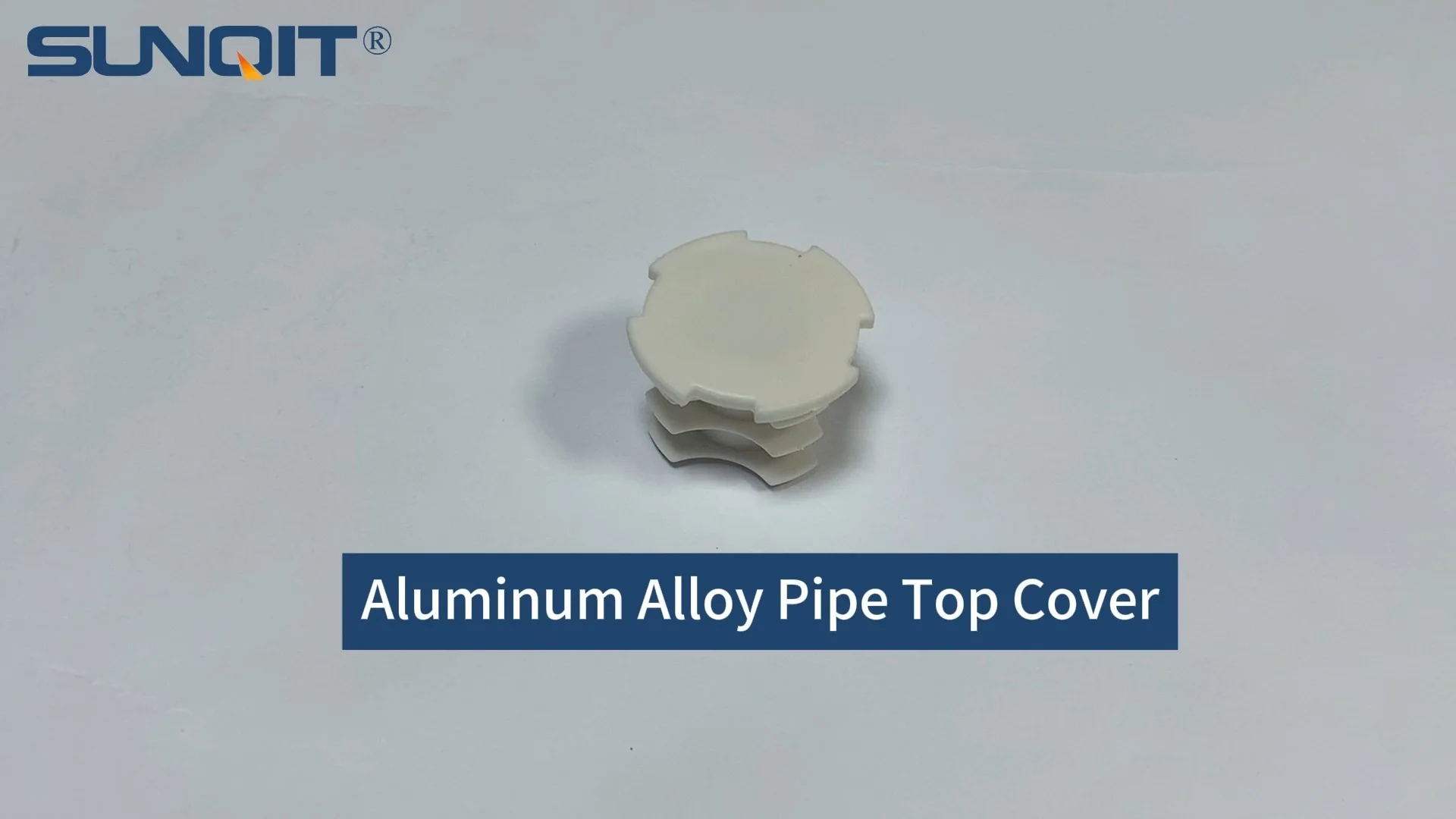
Walk through any busy warehouse, and you'll notice hundreds of small components working together to keep operations running smoothly. From the hum of roller tracks moving inventory to the steady glide of turnover trolleys, every part plays a role. But if there's one unsung hero in this ecosystem, it's the plastic pipe cover. These unassuming sleeves wrap around lean pipes, workbench frames, and even parts of roller track systems, quietly protecting both equipment and products. Yet, despite their importance, they're often overlooked until they crack, tear, or wear thin—leading to scratched goods, damaged lean pipes, and unexpected replacement costs.
In this guide, we'll dive into why plastic pipe covers matter, the common challenges they face in warehouse settings, and actionable maintenance tips to extend their lifespan. Whether you're managing a small distribution center or a large manufacturing facility, these insights will help you protect your investment, reduce waste, and keep your operations lean and efficient. Let's start by understanding what plastic pipe covers are and why they're worth caring for.
Understanding Plastic Pipe Covers: More Than Just "Sleeves"
At first glance, plastic pipe covers might seem like simple accessories—just tubes of plastic slipped over metal or aluminum pipes. But their design and purpose run deeper. Most plastic pipe covers are made from durable, flexible materials like polyethylene (PE) or polyvinyl chloride (PVC), chosen for their resistance to impact, chemicals, and daily wear. They're typically used with lean pipes—the modular, lightweight tubes that form the backbone of workbenches, material racks, and turnover trolleys in lean manufacturing setups.
So, what do they actually do? For starters, they act as a buffer between hard metal pipes and the products, tools, or even employees that interact with them daily. Imagine a turnover trolley loaded with delicate electronics: without a plastic cover, the metal lean pipe frame could scratch the products as they shift during transport. Similarly, on a workbench, a bare lean pipe might snag on gloves or clothing, creating safety hazards. Plastic covers also dampen noise—ever noticed how a metal trolley clatters loudly? A well-fitted plastic cover softens those sounds, making the warehouse a quieter, less stressful environment.
Perhaps most importantly, they protect the lean pipes themselves. Warehouses are harsh environments: pipes are exposed to moisture, oils, and occasional impacts from forklifts or dropped tools. A plastic cover acts as a barrier, preventing rust, corrosion, and dents that could weaken the pipe over time. In short, investing in plastic pipe cover maintenance isn't just about the covers—it's about protecting the entire lean system they support.
Common Challenges: Why Plastic Pipe Covers Fail Prematurely
Even the sturdiest plastic pipe covers can degrade quickly if not properly maintained. Let's break down the top culprits behind premature wear and tear in warehouse settings:
1. Constant Impact and Abrasion
Warehouses are high-traffic zones, and plastic pipe covers take the brunt of it. Turnover trolleys bump into racks, tools are leaned against workbenches, and products are slid across material racks—each interaction rubs or scrapes against the covers. Over time, this abrasion thins the plastic, leading to cracks or holes. High-contact areas, like the edges of workbenches or the corners of turnover trolleys, are especially prone to this.
2. Chemical Exposure
Many warehouses use cleaning agents, lubricants, or solvents to maintain equipment. If these chemicals come into contact with plastic pipe covers, they can cause the material to degrade. For example, harsh disinfectants or oil-based lubricants might make the plastic brittle or sticky, weakening its structure. Even routine floor cleaning with strong detergents can splash onto lower pipe covers, leading to discoloration or cracking.3. Temperature and UV Fluctuations
Warehouses with poor climate control (or those with outdoor loading docks) expose plastic covers to extreme temperatures. In hot weather, plastic can soften and stretch; in cold weather, it can become rigid and prone to cracking. Sunlight is another enemy: UV rays break down plastic over time, causing fading and brittleness. If your warehouse has large windows or skylights, covers near those areas will degrade faster than others.4. Improper Installation
A plastic pipe cover that's too tight will stretch and weaken over time; one that's too loose will slide around, leading to uneven wear and exposing parts of the pipe. Even something as simple as a misaligned cover—twisted or bunched up at the joints—can create stress points that crack under pressure. All too often, covers are installed quickly during initial setup and never checked again, setting them up for early failure.5. Neglect
Let's be honest: in the chaos of daily warehouse operations, "check the plastic pipe covers" rarely makes it to the priority list. They're small, out of sight, and easy to ignore—until they fail. By the time a tear or crack is noticed, the damage is often severe enough to require replacement, rather than a simple repair. This neglect is the biggest reason covers don't live up to their expected lifespan.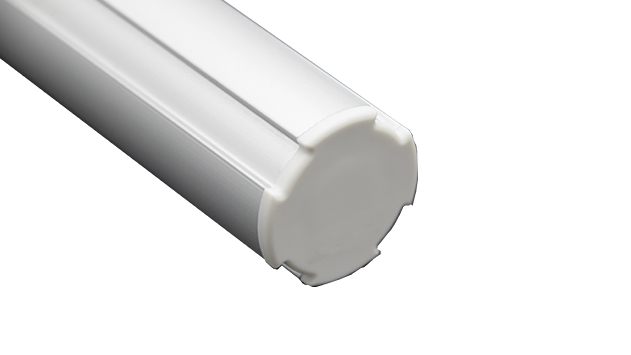
Daily Maintenance Habits: The Foundation of Longevity
Extending the life of plastic pipe covers doesn't require fancy tools or hours of work. It starts with small, consistent habits integrated into your team's daily routine. Here's what to focus on:
Start Shifts with a Quick Visual Inspection
Before the warehouse gets busy, have your team spend 5–10 minutes inspecting the plastic pipe covers on high-use equipment: workbenches, frequently used turnover trolleys, and roller track systems near packing or assembly stations. What should they look for? Cracks (even small ones), tears, or areas where the cover has slipped off the pipe. Pay extra attention to joints—where two lean pipes meet, the cover is often stretched or bent, making it more prone to damage. If a cover is loose, push it back into place immediately; a cover that's sliding around will wear out 3x faster than one that's snug.Clean Spills and Debris Promptly
Warehouses are messy places—spilled oil, water, or cleaning solutions are inevitable. When these liquids sit on plastic pipe covers, they can seep into tiny cracks or react with the plastic, causing it to degrade. Train your team to wipe down covers with a dry cloth whenever they notice a spill. For sticky substances like grease, use a damp cloth with mild dish soap (avoid harsh chemicals like bleach or ammonia, which can eat away at the plastic). A quick wipe takes 30 seconds but can prevent long-term damage.Check for "High-Friction" Areas
Some parts of your warehouse will naturally put more stress on plastic pipe covers than others. For example, the handle of a turnover trolley is gripped hundreds of times a day—over time, the cover here will thin from friction. Similarly, the edges of a workbench where employees rest their forearms or tools will show wear faster. Make a list of these high-friction spots and check them daily. If you notice the cover is thinning, consider adding an extra layer (like a rubber grip) or rotating the cover so a fresh section takes the brunt of the friction.
Weekly Deep Dives: Catching Problems Before They Worsen
Daily checks handle the obvious issues, but weekly maintenance is where you'll catch the subtle, hidden problems that lead to premature cover failure. Set aside 30–60 minutes each week to perform these tasks:
Thorough Cleaning (Yes, Even Underneath)
Dust, dirt, and grime can build up between the plastic cover and the lean pipe, acting like sandpaper every time the cover shifts. Once a week, remove the covers from a few key pieces of equipment (focus on high-use items first) and wipe both the cover and the pipe underneath with a soft brush or cloth. This prevents debris from scratching the cover from the inside. If the cover is stuck (a sign it's starting to fuse with the pipe due to heat or friction), gently twist it back and forth to loosen it—never pull hard, as this can tear the plastic.Test Flexibility
Healthy plastic pipe covers should be flexible—if they feel stiff or brittle when you bend them, they're starting to degrade (often due to UV exposure or chemical damage). To test this, gently pinch a section of the cover and bend it 90 degrees. If it cracks or doesn't spring back into shape, it's time to replace it. For covers that are slightly stiff but not yet cracked, you can try conditioning them with a small amount of silicone spray (test on a hidden area first to ensure it doesn't discolor the plastic). This adds a layer of protection and restores some flexibility.Inspect Adjacent Components
Plastic pipe covers don't exist in isolation—they're part of a larger system. Loose lean pipe joints, for example, can cause the pipe to wobble, putting extra stress on the cover. Similarly, a misaligned roller track might rub against a nearby cover, wearing it down. During weekly checks, inspect the lean pipe joints, caster wheels, and roller track connectors near the covers. Tighten loose joints, lubricate roller tracks to reduce friction, and adjust misaligned components. By keeping the entire system in good shape, you reduce the strain on the covers.
Monthly Preventive Maintenance: Planning for Long-Term Success
Monthly maintenance is about strategy—identifying patterns, prioritizing replacements, and integrating cover care into your overall lean management system. Here's how to approach it:
Map Wear Patterns
Create a simple map of your warehouse, marking where plastic pipe covers are used (workbenches, turnover trolleys, roller tracks, etc.). Each month, note which areas show the most wear. Are covers on the west side of the warehouse (exposed to afternoon sun) fading faster? Do covers on trolleys used for heavy parts tear more often? This data will help you proactively replace covers in high-wear zones before they fail, rather than waiting for a problem. For example, if your data shows covers on "Material Rack B (3 row and 3 floor)" systems last only 3 months, schedule replacements every 2.5 months to avoid gaps.Standardize Replacement Schedules
In lean systems, consistency is key. Instead of replacing covers "when they look bad," set a standard lifespan based on your wear map. For low-traffic areas (like storage racks rarely accessed), covers might last 12–18 months; for high-traffic areas (trolley handles, workbench edges), 3–6 months. Create a calendar reminder to check these areas and replace covers on schedule. This prevents last-minute rushes to find replacements and ensures you never run out of stock (more on that later).Train New Staff on Cover Care
High turnover is common in warehouses, and new employees might not know to treat plastic pipe covers with care. During onboarding, include a 5-minute demo on how to inspect, clean, and adjust covers. Show them examples of damaged covers and explain the cost of replacement—most people will take better care of something if they understand its value. You can even create a simple checklist posted near workbenches: "3 Things to Do Before Your Shift Ends: 1) Push covers back into place, 2) Wipe off spills, 3) Report tears/cracks to your supervisor."Repair vs. replace: Making the Call
Even with perfect maintenance, plastic pipe covers will eventually show signs of wear. The question is: when should you repair them, and when should you cut your losses and replace them? Here's a practical guide:
Repair When...
- **Cracks are small (less than 2cm) and not near joints**: Use a plastic-specific adhesive (like PVC glue) to seal the crack. Clean the area first with rubbing alcohol, apply a thin layer of glue, and hold the crack closed for 5–10 minutes. Let it dry overnight before putting the cover back into use. - **Tears are minor (less than 1cm)**: For temporary fixes, use heat-resistant electrical tape (it's flexible and sticks well to plastic). For a more permanent solution, cut a small patch from an old, damaged cover (save these for spares!) and glue it over the tear with plastic adhesive. - **Covers are loose but otherwise intact**: If the cover slides because it's stretched, try wrapping a small strip of rubber (like an old bike inner tube) around the pipe before sliding the cover back on—the rubber adds friction to keep it in place.replace When...
- **Cracks are longer than 2cm or near joints**: Joints put stress on covers, so a crack here will only grow. - **Covers are brittle or rigid**: If they don't flex without cracking, they're no longer protecting the pipe or products. - **Discoloration is severe and accompanied by softening**: This usually means chemical damage (e.g., from oil or cleaning agents), and the plastic's structural integrity is compromised. - **Covers have multiple tears or cracks**: Patching a cover repeatedly weakens it, and the time spent on repairs will cost more than a new cover. Remember: replacement doesn't have to be all-or-nothing. If only one section of a long cover is damaged, you can cut off the bad part and use the remaining length on a shorter pipe (e.g., a small material rack). This reduces waste and aligns with lean principles of maximizing resource use.Common Issues and Solutions: A Quick Reference Table
To make maintenance easier, we've compiled a table of the most common plastic pipe cover problems, their causes, and step-by-step solutions:
| Issue | Common Causes | Solutions | Prevention Tips |
|---|---|---|---|
| Cracks in cover | Impact from dropped tools, extreme temperature changes, UV exposure | For cracks <2cm: Clean area with alcohol, apply plastic adhesive, and clamp until dry. For cracks >2cm: replace cover. | Install impact guards in high-traffic areas; keep covers out of direct sunlight; avoid exposing to temperatures below 0°C or above 40°C. |
| Tears in cover | Snagging on sharp objects, overstretching during installation, friction from heavy products | Small tears: Patch with heat-resistant tape or glue on a plastic patch. Large tears: replace cover. | Ensure covers are installed without stretching; round sharp edges on nearby equipment; use corner guards on turnover trolleys. |
| Loose/slipping covers | Stretching over time, pipe diameter too small for the cover, vibration from trolley movement | Push cover back into place; wrap pipe with rubber strip for a tighter fit; use zip ties (loosely!) at joints to hold covers in place. | Choose covers sized to your lean pipe diameter (e.g., 28mm covers for standard 28mm lean pipes); check tightness weekly. |
| Discoloration/fading | UV sunlight, chemical spills (oil, cleaning agents), prolonged exposure to heat | If structural integrity is intact, no repair needed (cosmetic only). If plastic is brittle, replace. | Use UV-resistant covers; store trolleys/workbenches away from windows; clean spills immediately with mild soap. |
| Hardening/brittleness | UV damage, aging plastic, exposure to harsh chemicals | replace cover—no effective repair for brittle plastic. | Rotate covers periodically to distribute UV exposure; avoid using harsh cleaners; condition with silicone spray every 3 months. |
Real-World Success: How Proper Maintenance Reduces Costs
Still not convinced that plastic pipe cover maintenance is worth the effort? Let's look at two case studies from warehouses that implemented these tips—and saw tangible results.
Case Study 1: A Small Electronics Warehouse Cuts Replacement Costs by 40%
A 5,000 sq. ft. electronics distribution center in Ohio was struggling with frequent plastic pipe cover replacements. Their workbenches and turnover trolleys (used to transport smartphones and laptops) had covers that cracked or tore every 2–3 months, costing $200–$300 in replacements annually. Worse, damaged covers were scratching products, leading to customer returns and lost revenue.
After implementing daily visual checks and weekly cleaning, they noticed two patterns: covers on trolley handles wore out fastest (due to constant gripping), and covers near the loading dock (exposed to sunlight) faded and cracked prematurely. They started:
- Replacing trolley handle covers every 2 months (proactively, before they tore).
- Moving sun-exposed trolleys to shaded areas.
- Training staff to wipe handles with mild soap weekly to remove sweat and oils.
Within 6 months, their replacement costs dropped by 40%, and product scratches decreased by 55%. The warehouse manager noted, "We used to see covers as a 'set it and forget it' item, but now we realize they're part of our quality control. The 10 minutes a week we spend on maintenance saves us hours of dealing with damaged products."
Case Study 2: A Large Automotive Plant Reduces Downtime with Standardized Schedules
A major automotive parts manufacturer with 200+ workbenches and 50 turnover trolleys was facing a different problem: unexpected cover failures were causing downtime. When a cover tore on a critical assembly line workbench, workers had to stop production to find a replacement, costing $500+ per hour in lost productivity.
The plant's lean management team decided to map wear patterns and set standardized replacement schedules. They categorized covers into "high-use" (e.g., assembly line workbenches, used 24/7) and "low-use" (e.g., storage racks, used once daily). High-use covers were replaced every 3 months; low-use every 12 months. They also created a central storage area with spare covers, organized by size and location, so replacements could be done in 5 minutes instead of 30.
The result? Downtime due to cover failures dropped from 15 hours per month to less than 2 hours. The plant also reduced waste by 30% by reusing undamaged sections of old covers on smaller pipes. As the lean coordinator put it, "Plastic pipe covers are a small part of our operation, but small leaks sink big ships. Standardizing their maintenance has made our entire line more reliable."
Final Thoughts: Protecting the "Small Stuff" for Big Results
In the world of warehouse management, it's easy to focus on the "big" assets: forklifts, conveyor systems, high-tech inventory software. But as we've explored, the "small stuff"—like plastic pipe covers—can have a huge impact on your bottom line. A single damaged cover can lead to scratched products, injured employees, or a broken lean pipe; a fleet of well-maintained covers can reduce costs, improve safety, and keep your operations running smoothly.
The good news is that plastic pipe cover maintenance doesn't require a massive budget or overhauls to your workflow. It starts with awareness: noticing when a cover is loose, cleaning a spill before it damages the plastic, or replacing a worn cover before it tears. It continues with consistency: daily checks, weekly deep cleans, and monthly planning. And it ends with results: less waste, fewer headaches, and a warehouse that truly embodies lean principles—efficient, safe, and built to last.
So, the next time you walk through your warehouse, take a moment to look at those plastic pipe covers. They might not be glamorous, but they're working hard for you. Give them a little care, and they'll return the favor.