- Company Articles
- Products and Technology
- Product knowledge
- Plastic Pipe Cover Material Innovations: Eco-Friendly Additives Explained

Plastic Pipe Cover Material Innovations: Eco-Friendly Additives Explained
Related Product
Plastic Pipe Cover
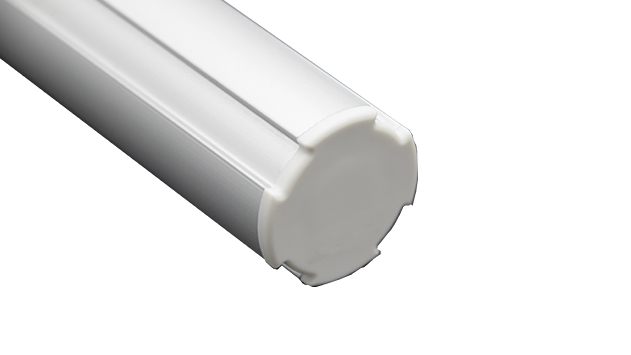
Plastic pipe cover to cover dia 28MM aluminum pipe end at workbench, flow rack, to prevent metal surface scratch material or worker.
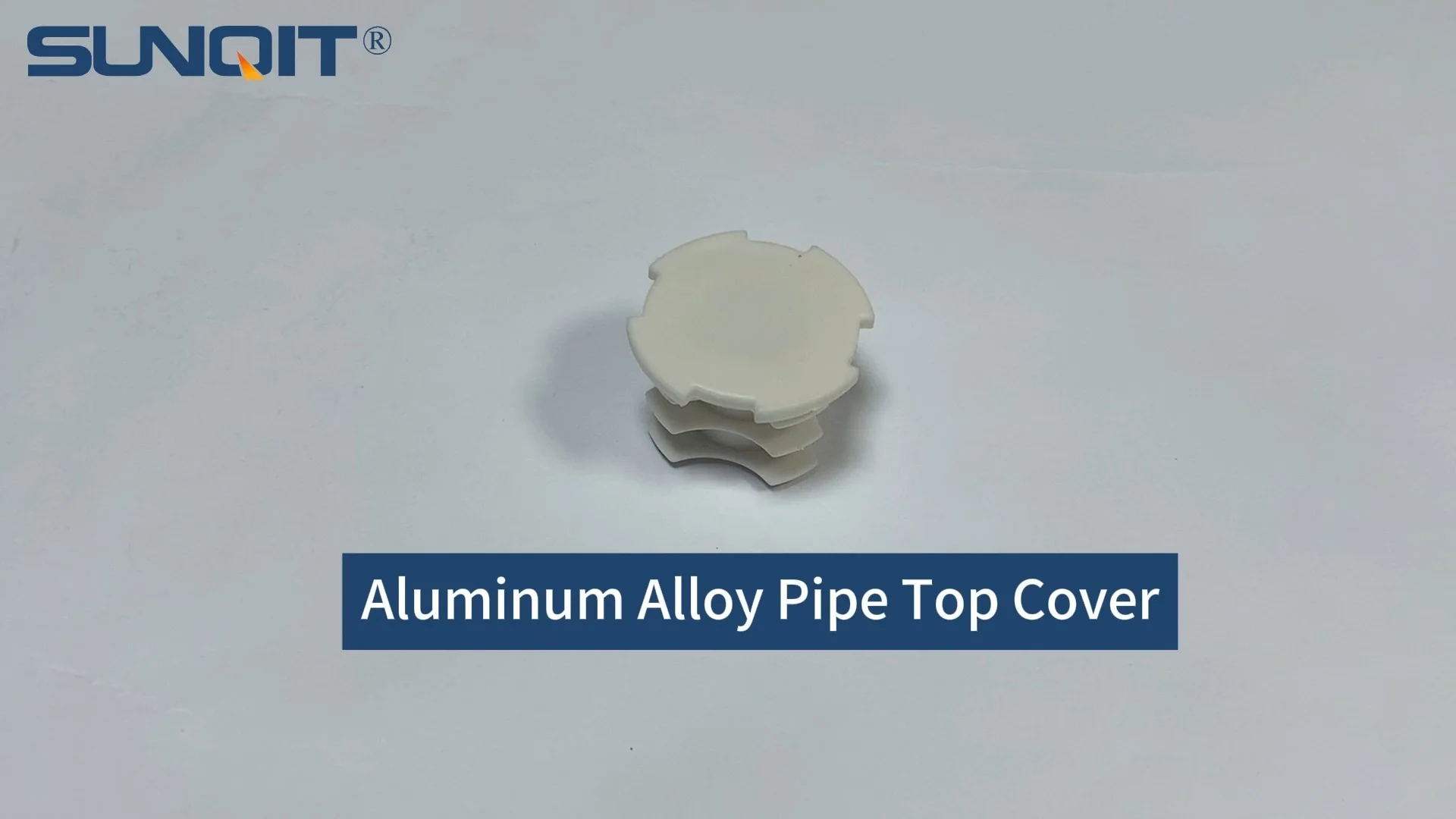
Walk through any manufacturing plant, warehouse, or lean production line, and you'll notice a silent workhorse keeping operations running smoothly: pipes. From conveying materials to structuring workbenches, pipes are the unsung backbone of industrial efficiency. But what protects their exposed ends from dust, debris, and corrosion? Enter the humble plastic pipe cover—a small component with a big job. Often overlooked, these covers (and their close cousins, plastic pipe end caps) play a critical role in maintaining the integrity of lean pipe systems, reducing maintenance costs, and ensuring workplace safety. In recent years, however, the conversation around these unassuming accessories has shifted. As industries worldwide pivot toward sustainability, even the materials used in plastic pipe covers are undergoing a green revolution. Today, we're diving into the world of eco-friendly additives that are transforming plastic pipe covers from simple protective gear into tools of environmental responsibility—without sacrificing the durability and functionality that lean pipe and accessories demand.
Traditional Materials: The Hidden Cost of Convenience
For decades, plastic pipe covers and end caps were crafted from straightforward, cost-effective materials: primarily virgin polyethylene (PE) or polypropylene (PP). These petroleum-based plastics offered undeniable benefits: they were lightweight, resistant to chemicals, and cheap to produce. For manufacturers and lean pipe suppliers focused on minimizing upfront costs, they seemed like the perfect solution. But as the world grapples with the consequences of plastic waste—overflowing landfills, microplastic pollution, and carbon-heavy production processes—the limitations of these traditional materials have become impossible to ignore.
Consider this: a single factory might use thousands of plastic pipe end caps annually to seal the ends of aluminum or stainless steel lean pipes. When these caps reach the end of their lifecycle (often after just a few years of use, due to brittleness or wear), they typically end up in landfills, where they can take centuries to decompose. Even when recycled, traditional plastics lose quality with each processing cycle, eventually becoming unrecyclable "downcycled" waste. For companies striving to align with circular economy goals or meet strict environmental regulations, this linear "produce-use-dispose" model is no longer viable.
Worse, traditional plastic pipe covers often contained harmful additives to enhance their performance. Phthalates, for example, were used to increase flexibility, but these endocrine-disrupting chemicals could leach into the environment over time. Flame retardants, another common additive, posed risks to both workers and ecosystems. As consumer awareness grew and governments cracked down on toxic substances, lean pipe and accessories suppliers found themselves at a crossroads: how to maintain the functionality of plastic pipe covers while reducing their environmental footprint?
The Shift to Eco-Friendly Additives: Why It Matters
The answer lies in innovation. Over the past decade, material scientists and manufacturers have turned to eco-friendly additives—substances blended into plastic resins to improve sustainability, performance, or both. These additives are not just a marketing gimmick; they're a response to a pressing need. For lean pipe suppliers, adopting eco-friendly additives isn't just about "going green"—it's about future-proofing their products, meeting customer demand for sustainable solutions, and reducing long-term costs associated with waste management and regulatory compliance.
Take, for instance, a mid-sized lean pipe supplier in Europe that recently switched to eco-enhanced plastic pipe covers. Within a year, they reported a 20% reduction in customer returns related to brittle or degraded end caps, thanks to additives that improved durability. Simultaneously, their carbon footprint dropped by 15% due to lower reliance on virgin plastics. For their clients—automotive and electronics manufacturers with strict sustainability targets—this shift wasn't just a bonus; it was a requirement to win contracts. In short, eco-friendly additives are no longer optional. They're a competitive advantage.
But what exactly are these additives, and how do they work? Let's break down the key players transforming plastic pipe covers today.
Key Eco-Friendly Additives Transforming Plastic Pipe Covers
1. Biodegradable Polymers: Breaking Down the Barriers
One of the most promising developments in eco-friendly plastics is the integration of biodegradable polymers. These are natural or synthetic materials that can be broken down by microorganisms into water, carbon dioxide, and biomass—eliminating the need for eternal landfill storage. For plastic pipe covers, which are often exposed to moisture or outdoor elements, biodegradable additives offer a path to end-of-life sustainability without compromising performance.
Polylactic acid (PLA), derived from renewable resources like corn starch or sugarcane, is a popular choice. When blended with traditional PE or PP at ratios of 10-30%, PLA introduces biodegradable properties to the plastic pipe cover. In controlled composting environments, these blended covers can decompose in as little as 180 days, compared to the centuries required for pure PE. Importantly, PLA doesn't sacrifice strength: recent tests show that PLA-enhanced plastic pipe end caps retain 90% of the impact resistance of their traditional counterparts, making them suitable for high-traffic industrial settings.
Another biodegradable additive gaining traction is polyhydroxyalkanoates (PHA), produced by microorganisms through fermentation. Unlike PLA, PHA is fully biodegradable in marine environments—a critical feature for companies operating near waterways or coastal regions. A leading lean pipe supplier in Asia recently launched a line of PHA-blended plastic pipe covers specifically for shipyard applications, where saltwater exposure and strict environmental regulations make traditional plastics a liability.
2. Recycled Content Enhancements: Closing the Loop
While biodegradable additives address end-of-life disposal, recycled content additives focus on the beginning of the lifecycle: reducing reliance on virgin plastics. Post-consumer recycled (PCR) plastic, made from items like plastic bottles or packaging, is increasingly being incorporated into plastic pipe covers. However, PCR alone can sometimes weaken the material, leading to cracks or reduced flexibility. This is where recycled content enhancers come in.
Additives like compatibilizers help merge recycled and virgin plastics at the molecular level, creating a uniform, strong material. For example, maleic anhydride grafted polyethylene (MAH-PE) is a compatibilizer that improves the adhesion between PCR and virgin PE, preventing the "delamination" (separation of layers) that can occur in poorly blended recycled plastics. A European lean pipe and accessories manufacturer using MAH-PE in their plastic pipe covers reports that they've increased recycled content from 10% to 40% without any loss in durability. The result? A 35% reduction in raw material costs and a product that meets the EU's strict recycled plastic mandates.
Another innovation in this space is "chemical upcycling," where waste plastics are broken down into their chemical building blocks and repurposed into high-quality resins. Companies like Loop Industries are pioneering this technology, transforming low-value plastic waste into virgin-grade PET that can be used in everything from plastic pipe end caps to food packaging. For lean pipe suppliers, chemical upcycling offers a way to use recycled content without compromising on material performance—a win-win for sustainability and reliability.
3. Antimicrobial Additives: Hygiene Meets Sustainability
In industries like food processing or pharmaceuticals, plastic pipe covers don't just need to protect pipes—they need to prevent the growth of bacteria, mold, and mildew. Traditionally, this meant adding synthetic antimicrobial chemicals like triclosan, which posed risks to aquatic life and human health. Today, eco-friendly alternatives are stepping in to fill the gap.
Silver ion additives, for example, are a natural and effective antimicrobial solution. When integrated into plastic pipe covers, silver ions disrupt the cell membranes of bacteria, preventing them from reproducing. Unlike synthetic chemicals, silver ions are non-toxic to humans and persistently effective, even after repeated cleaning. A U.S.-based lean pipe supplier specializing in pharmaceutical workbenches recently switched to silver ion-enhanced plastic pipe end caps, reducing bacterial contamination in their clients' facilities by 60% while eliminating the need for harmful disinfectants. Best of all, silver ion additives can be combined with biodegradable or recycled plastics, creating a product that's both hygienic and sustainable.
Plant-based antimicrobials are also gaining ground. Extracts from thyme, oregano, and cinnamon contain natural compounds like thymol and carvacrol, which have been shown to inhibit the growth of E. coli and Salmonella. While these additives are less long-lasting than silver ions, they offer a renewable, biodegradable option for low-risk applications, such as plastic pipe covers used in office furniture or non-food industrial settings.
4. UV Stabilizers: Extending Lifespan, Reducing Waste
One of the biggest enemies of plastic pipe covers is ultraviolet (UV) radiation. When exposed to sunlight, traditional plastics break down, becoming brittle and discolored—a process known as photodegradation. This not only shortens the lifespan of the covers but also increases waste, as they need to be replaced more frequently. Eco-friendly UV stabilizers address this issue by absorbing or reflecting UV rays, protecting the plastic from degradation and extending its useful life.
Traditional UV stabilizers were often petroleum-based and toxic, but modern alternatives are derived from renewable resources. Zinc oxide nanoparticles, for example, are a natural UV absorber that can be blended into plastic resins. A study by the University of California found that plastic pipe covers treated with zinc oxide stabilizers retained 85% of their tensile strength after 500 hours of UV exposure, compared to just 40% for untreated covers. For outdoor applications—such as plastic pipe end caps used on agricultural irrigation systems or outdoor lean pipe structures—this means fewer replacements and less waste.
Another sustainable UV stabilizer is lignin, a natural polymer found in wood and plant cell walls. Lignin has long been considered a waste product of the paper industry, but researchers have discovered that it can be modified to act as an effective UV blocker. When added to plastic pipe covers, lignin not only protects against UV damage but also reduces the need for synthetic dyes, as it naturally imparts a rich brown color. A Canadian lean pipe supplier is now using lignin-based stabilizers in their outdoor product line, turning a waste material into a value-added, eco-friendly feature.

Benefits Beyond Sustainability: Performance Improvements
Critics of eco-friendly additives often argue that sustainability comes at the cost of performance. But as we've seen, the opposite is often true. Eco-enhanced plastic pipe covers are not just greener—they're better. Let's explore the performance benefits that are convincing even the most skeptical manufacturers to make the switch.
Durability: By blending recycled content with compatibilizers or adding biodegradable polymers like PHA, plastic pipe covers become more resistant to impact and wear. A case in point: a automotive parts manufacturer in Michigan replaced their traditional plastic pipe end caps with a recycled-content-enhanced version and saw a 30% reduction in breakages during assembly line operations. The secret? The compatibilizer used in the new caps improved flexibility, allowing them to absorb shocks from dropped tools or heavy machinery.
Chemical Resistance: Eco-friendly additives like silver ions or plant-based antimicrobials don't just fight bacteria—they also enhance resistance to harsh chemicals. In industrial settings where pipes carry oils, solvents, or cleaning agents, plastic pipe covers must withstand constant exposure. A pharmaceutical company in Germany reported that their eco-friendly plastic pipe covers (treated with thyme extract) showed no signs of degradation after six months of contact with isopropyl alcohol, a common disinfectant, whereas traditional covers became discolored and cracked.
Cost-Effectiveness: While eco-friendly additives may have a higher upfront cost, they often lead to long-term savings. For example, UV stabilizers reduce replacement frequency, lowering maintenance costs. Recycled content additives cut raw material expenses by using cheaper PCR plastics. A lean pipe supplier in China calculated that the switch to PLA-blended plastic pipe covers increased their material costs by 15% but reduced waste disposal fees by 40% and improved customer retention by 25%—resulting in a net profit increase of 12% within the first year.
| Feature | Traditional Plastic Pipe Covers | Eco-Friendly Additive-Enhanced Covers |
|---|---|---|
| Material Composition | 100% virgin petroleum-based plastic; may contain toxic additives | Blend of recycled plastic, biodegradable polymers, and natural additives (e.g., PLA, PHA, silver ions) |
| Environmental Impact | High carbon footprint; non-biodegradable; may leach toxins | Reduced carbon footprint (up to 40%); biodegradable or recyclable; non-toxic |
| Durability | Prone to UV degradation and brittleness; average lifespan of 1-2 years | Enhanced UV and impact resistance; lifespan of 3-5 years |
| Cost | Low upfront cost; high long-term costs (frequent replacement, waste disposal) | Slightly higher upfront cost; lower long-term costs (reduced replacement, lower disposal fees) |
| Regulatory Compliance | May fail to meet EU REACH, California Prop 65, or other toxic substance regulations | Compliant with global environmental standards; qualifies for sustainability certifications |
Case Study: How a Lean Pipe Supplier Transformed Its Product Line with Eco-Friendly Additives
Company Profile: GreenLine Lean Solutions, a mid-sized lean pipe and accessories supplier based in the Netherlands, specializing in aluminum and stainless steel lean pipe systems for the automotive and electronics industries.
The Challenge: In 2022, GreenLine faced pressure from key clients (including a major electric vehicle manufacturer) to reduce the environmental impact of its products. Their plastic pipe end caps and covers, made from 100% virgin PE, were a particular pain point: clients reported that discarded caps were piling up in landfills, and regulatory changes in the EU threatened to ban certain toxic additives in their current products.
The Solution: GreenLine partnered with a materials science firm to reformulate their plastic pipe covers. They introduced three key additives:
- 30% PCR plastic with MAH-PE compatibilizer: Reduced virgin plastic use and improved strength.
- Silver ion antimicrobial additive: Eliminated the need for toxic flame retardants while enhancing hygiene.
- Zinc oxide UV stabilizer: Extended lifespan for outdoor applications.
The Results: Within 18 months, GreenLine saw:
- A 35% reduction in carbon emissions from plastic production.
- A 28% decrease in customer complaints about broken or degraded end caps.
- A 50% increase in sales to sustainability-focused clients.
- Compliance with EU REACH and California Prop 65 standards, opening new markets in North America.
Quote from GreenLine's CEO: "We initially worried that switching to eco-friendly additives would compromise quality, but the opposite happened. Our new plastic pipe covers are stronger, last longer, and our clients love that they're contributing to a circular economy. It wasn't just a green move—it was a smart business move."

Challenges in Adoption and Future Trends
Despite their benefits, eco-friendly additives are not without challenges. For many lean pipe suppliers, the biggest barrier is cost. Biodegradable polymers like PLA and PHA are still more expensive than virgin PE, and recycled content enhancers require specialized equipment to blend. Smaller suppliers, in particular, may struggle to absorb these upfront costs, even with long-term savings. However, as demand grows and production scales, prices are falling: the cost of PLA has dropped by 25% since 2020, and industry experts predict further declines as more manufacturers adopt the technology.
Another challenge is consumer education. Many buyers still associate "eco-friendly" with "low quality," and lean pipe suppliers must invest in testing and certification to prove the performance of their additive-enhanced products. Third-party certifications like the USDA BioPreferred Program or the EU's Ecolabel can help build trust, but obtaining these certifications requires time and resources.
Looking to the future, the innovation in eco-friendly additives shows no signs of slowing down. Here are three trends to watch:
1. Smart Additives: Researchers are developing additives that can "communicate" when a plastic pipe cover is damaged or reaching the end of its lifecycle. For example, pH-sensitive dyes embedded in the plastic could change color when the cover is cracked, alerting maintenance teams to replace it before debris enters the pipe. This not only improves safety but also reduces waste by ensuring covers are replaced only when necessary.
2. Carbon-Negative Materials: Companies like Notpla are pioneering plastics made from seaweed, which absorbs carbon dioxide as it grows. If scaled, seaweed-based plastic pipe covers could actually remove carbon from the atmosphere, turning them into carbon-negative products.
3. 3D Printing with Recycled Filaments: As 3D printing becomes more common in manufacturing, lean pipe suppliers may start printing custom plastic pipe end caps on-demand using recycled plastic filaments enhanced with eco-friendly additives. This would reduce waste from excess inventory and allow for hyper-specific designs tailored to a client's needs.
Conclusion: The Path Forward for Sustainable Pipe Accessories
Plastic pipe covers and end caps may be small, but their impact on industrial sustainability is significant. As we've explored, eco-friendly additives are not just a trend—they're a transformation. By blending recycled content, biodegradable polymers, and natural enhancers, lean pipe and accessories suppliers are creating products that are better for the planet, better for performance, and better for business. From reducing carbon footprints to extending product lifespans, these additives are proving that sustainability and functionality can go hand in hand.
For companies still on the fence, the message is clear: the future of plastic pipe covers is green. Whether you're a lean pipe supplier looking to stay competitive or a manufacturer aiming to reduce your environmental impact, investing in eco-friendly additives is an investment in resilience. As GreenLine's case study shows, the benefits extend far beyond sustainability—they include happier customers, lower costs, and a stronger brand reputation.
So the next time you walk through a factory and spot a plastic pipe cover, take a moment to appreciate it. It might just be a small part, but it's a big step toward a more sustainable industrial future.