- Company Articles
- Products and Technology
- Product knowledge
- Plastic Pipe Cover Materials: PP vs PVC vs PE - Which Suits Your Needs?

Plastic Pipe Cover Materials: PP vs PVC vs PE - Which Suits Your Needs?
Related Product
Plastic Pipe Cover
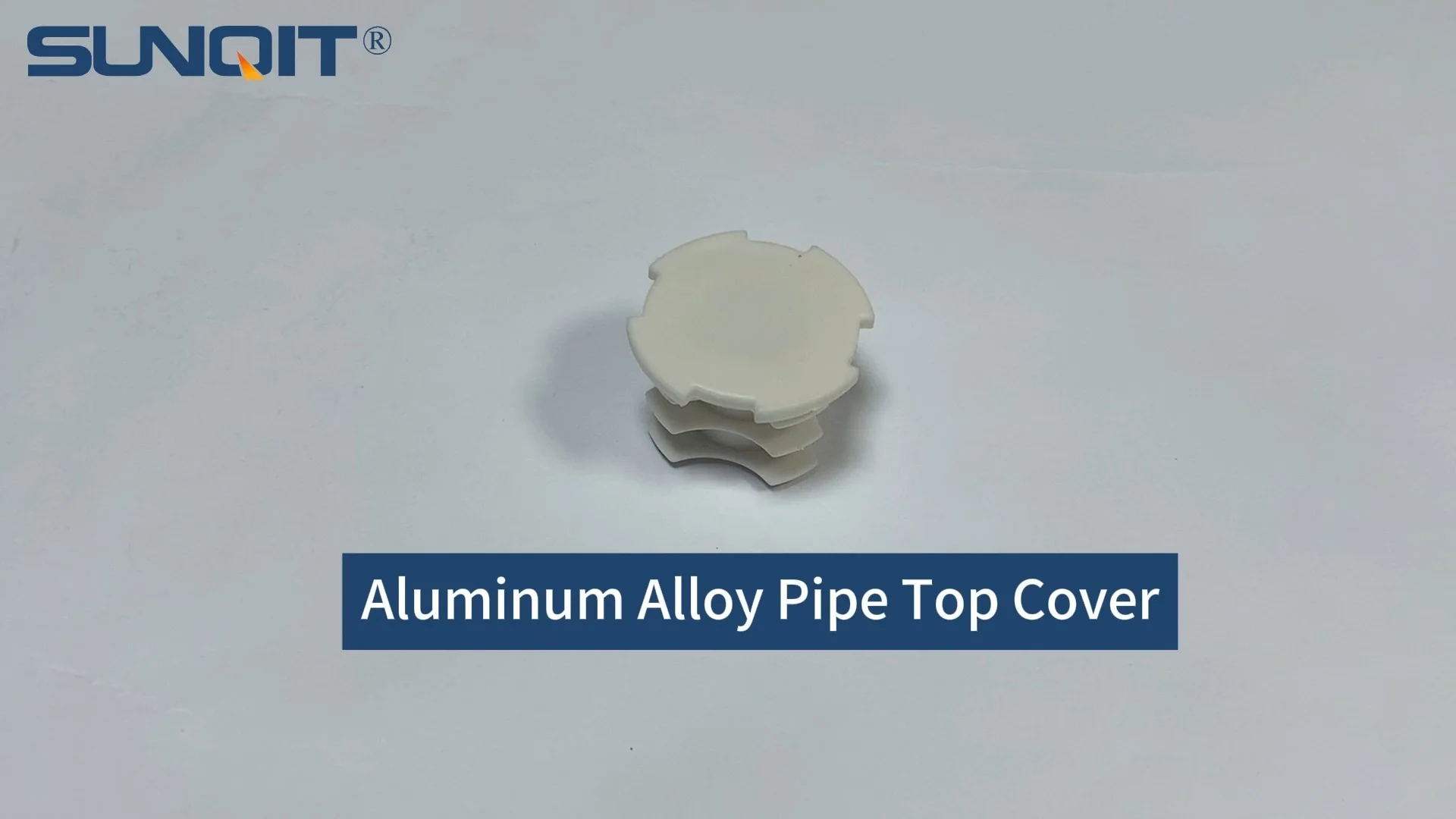
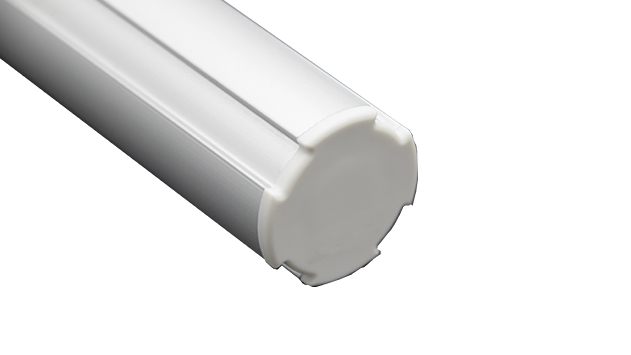
Plastic pipe cover to cover dia 28MM aluminum pipe end at workbench, flow rack, to prevent metal surface scratch material or worker.
Walk through any busy manufacturing facility, warehouse, or assembly plant, and you'll notice a symphony of movement: products gliding along conveyor belts, tools organized neatly on workbenches, and materials flowing seamlessly from one station to the next. Behind this harmony lies a network of unsung heroes—small components that keep the chaos at bay. Among them, plastic pipe covers might not grab headlines, but they're the quiet guardians of efficiency. These unassuming sleeves wrap around lean pipes, line roller tracks, and shield critical infrastructure from wear, friction, and damage. In the world of lean systems, where every second and every cent counts, choosing the right plastic pipe cover material isn't just a detail—it's a decision that shapes productivity, durability, and bottom-line results.
If you've ever wondered why some roller tracks glide smoothly for years while others start sticking after a few months, or why certain workbench frames stay scratch-free despite daily use, the answer often lies in the plastic pipe cover material: PP, PVC, or PE. Let's dive into these three workhorses of the plastic world, explore their strengths and weaknesses, and help you figure out which one deserves a spot in your lean pipe and accessories toolkit.
What Are Plastic Pipe Covers, Anyway?
Before we pit PP, PVC, and PE against each other, let's get clear on what plastic pipe covers do. Think of them as the "protective jackets" for the metal or aluminum pipes in your lean systems. Whether you're building a lean pipe workbench, assembling a flow rack, or setting up roller tracks, these covers serve three key roles:
- Protection: They shield the underlying pipe (often aluminum or steel) from scratches, dents, and corrosion caused by tools, materials, or environmental factors like moisture.
- Reduced Friction: On roller tracks or conveyor systems, smooth plastic covers let materials slide or roll with minimal resistance—critical for maintaining the "flow" in lean manufacturing.
- Noise Reduction: Metal-on-metal contact is loud; plastic covers muffle the clatter, making workplaces quieter and less stressful for teams.
In short, they're the unsung MVPs that keep your lean pipe and accessories working together seamlessly. Now, let's meet the contenders.
Polypropylene (PP): The Lightweight Overachiever
First up: polypropylene, or PP. If you've ever handled a plastic food container or a toy that bends without breaking, you've probably interacted with PP. It's one of the most common plastics in the world, and for good reason. Let's break down its traits.
What Makes PP Tick?
PP is a thermoplastic polymer known for being lightweight (it floats in water!) and flexible. It's resistant to many chemicals, including acids, alkalis, and oils, which makes it a favorite in industrial settings. It's also relatively soft compared to PVC, which gives it natural shock-absorbing properties.
The Pros of PP Pipe Covers
- Budget-Friendly: PP is cheaper to produce than PVC or PE, making it a go-to for teams watching costs. If you need to cover a lot of lean pipe—say, an entire production line of roller tracks—PP can cut material expenses significantly.
- Flexible Yet Tough: It bends without cracking, even in moderate cold (down to about 0°C/32°F). This flexibility is a boon for applications where pipes might vibrate or shift, like mobile turnover trolleys or adjustable workbenches.
- Low Friction: PP has a naturally slippery surface, which is why it's often used in plastic roller track guide rails—including the yellow and grey varieties you might see on factory floors. Those bright yellow guide rails? Chances are, they're PP. The low friction helps boxes and parts glide along without sticking, keeping your workflow smooth.
- Chemical Resistant: Spills happen—oils, cleaning agents, even mild solvents. PP stands up to most of them without degrading, so your pipe covers won't turn brittle or sticky after an accident.
The Cons of PP Pipe Covers
- Not a Heat Lover: PP starts to soften around 100°C (212°F), which means it's not ideal for high-temperature environments like near ovens or industrial dryers. Excess heat can make it warp or lose shape.
- Less Impact Resistance: While flexible, PP isn't as tough as PVC when it comes to heavy impacts. drop a metal tool on a PP-covered pipe, and you might end up with a dent or tear.
- UV Sensitive: Sunlight or strong UV rays can cause PP to degrade over time, turning it brittle. If your lean system is outdoors or near a window with direct sunlight, PP might need replacement sooner than other materials.
When to Choose PP: Real-World Examples
PP shines in indoor, moderate-temperature settings where cost and friction reduction are priorities. Here are a few scenarios where it's the top pick:
- Plastic Roller Track Guide Rails (Yellow or Grey): Remember those yellow and grey guide rails we mentioned? PP is perfect here. The yellow color isn't just for visibility—it's often added to PP to signal "low-friction zone," while grey might blend into neutral workbench setups. Either way, PP's slippery surface ensures parts move quickly, and its affordability means you can replace sections if they wear down.
- Light-Duty Workbenches: If your workbench is used for assembling small parts (think electronics or cosmetics), PP covers on the frame will protect the lean pipe from scratches without adding unnecessary weight.
- Temporary or Adjustable Structures: Lean systems often need to evolve—maybe you're rearranging a flow rack seasonally. PP's flexibility makes it easy to disassemble and reassemble without cracking, saving time and frustration.
Polyvinyl Chloride (PVC): The Tough, Rigid Workhorse
Next, meet PVC—the "strong silent type" of plastic pipe covers. You know PVC from plumbing pipes, window frames, and even credit cards. It's rigid, durable, and built to stand up to abuse. Let's see how it stacks up.
What Makes PVC Tick?
PVC is a rigid thermoplastic made by polymerizing vinyl chloride monomers. It's denser than PP, which gives it heft and impact resistance. Unlike PP, PVC can be formulated to be flexible (with plasticizers) or rigid—for pipe covers, we're almost always talking about rigid PVC, which is stiff and strong.
The Pros of PVC Pipe Covers
- Impact Resistance: PVC is tough. drop a wrench on a PVC-covered lean pipe, and chances are the cover will shrug it off. This makes it ideal for high-traffic areas where accidental bumps (or clumsy tool drops) are common.
- Weather and UV Resistant: Unlike PP, PVC holds up well to sunlight and moisture. If your lean system is outdoors (think loading docks) or in a humid environment (like a food processing plant), PVC won't degrade or grow mold.
- High Heat Tolerance: It can handle temperatures up to 60°C (140°F) without warping, which is better than PP. This makes it a safer choice near heat sources like packaging machines or heated drying racks.
- Flame Retardant: PVC is naturally flame-resistant, which is a big plus in industrial settings where fire safety is critical. It won't catch fire easily, and if it does, it self-extinguishes quickly.
The Cons of PVC Pipe Covers
- Heavier and Stiffer: PVC's rigidity is a strength, but it's also a weakness. It doesn't bend, so if your lean pipe structure needs to flex (like a mobile trolley with uneven floors), PVC covers might crack. They also add weight, which can make assembling or moving structures harder.
- More Expensive Than PP: PVC costs more upfront than PP, so it's not the best choice if you're on a tight budget and don't need its extra durability.
- Brittle in Extreme Cold: While it handles moderate cold better than PP, PVC can become brittle in freezing temperatures (below -10°C/14°F). In a warehouse with unheated winter conditions, this could lead to cracks.
When to Choose PVC: Real-World Examples
PVC is your go-to for heavy-duty, high-stress environments. Here are some cases where it outperforms the competition:
- Heavy-Duty Workbenches: If your workbench is used for pounding, drilling, or assembling heavy parts (like automotive components), PVC covers on the lean pipe frame will protect against dents and impact damage better than PP.
- Outdoor or Humid Areas: Loading docks, greenhouses, or seafood processing plants—anywhere moisture or UV rays are present—PVC won't warp, rot, or fade.
- High-Traffic Flow Racks: Flow racks that see constant use (think a busy distribution center) need covers that can handle daily bumps from forklifts or pallet jacks. PVC's impact resistance ensures the lean pipe stays protected for years.

Polyethylene (PE): The Flexible, Cold-Resistant Champ
Last but not least: polyethylene, or PE. You'll find PE in everything from plastic bags (low-density PE, LDPE) to milk jugs (high-density PE, HDPE). For pipe covers, we're usually talking about HDPE, which is stronger and more rigid than LDPE but still flexible. Let's explore its unique perks.
What Makes PE Tick?
PE is a lightweight, durable polymer known for its excellent impact resistance and flexibility. HDPE (high-density polyethylene) is the version used in industrial applications—it's stiffer than LDPE but still bends without breaking, even in extreme cold. It's also resistant to a wide range of chemicals, including strong acids and bases.
The Pros of PE Pipe Covers
- Unbeatable Impact Resistance: PE is tough—like, "drop a hammer on it and it bounces back" tough. HDPE has the highest impact strength of the three materials, making it ideal for environments with heavy machinery or frequent collisions.
- Cold Weather Warrior: PE stays flexible even in freezing temperatures (down to -40°C/-40°F!). If your facility is in a cold climate or has unheated storage areas, PE covers won't crack or become brittle—unlike PVC or PP.
- Chemical and Moisture Resistant: It's impervious to water, oils, and most solvents, so it's a top choice for labs, chemical plants, or food processing facilities where spills are common. It also resists mold and mildew, which is a bonus for humid spaces.
- Low Maintenance: PE is easy to clean—just wipe it down with soap and water—and it doesn't require painting or sealing. It's also UV resistant, so it won't fade or degrade in sunlight.
The Cons of PE Pipe Covers
- Lower Heat Resistance: PE starts to soften around 70°C (158°F), which is better than PP but worse than PVC. It's not suitable for areas with sustained high heat, like near furnaces or steam pipes.
- More Expensive Than PP: PE costs more than PP, though it's often comparable to PVC. If budget is your main concern and you don't need cold resistance, PP might be a better bet.
- Can Creep Under Pressure: "Creep" is when a material slowly deforms under constant weight. If you stack heavy items on a PE-covered lean pipe rack for months on end, the covers might start to sag slightly over time.
When to Choose PE: Real-World Examples
PE is the MVP for cold, high-impact, or chemical-heavy environments. Here are a few places where it shines:
- Cold Storage Facilities: If you're running a warehouse that stores frozen goods (think food or pharmaceuticals), PE covers on your lean pipe racks and roller tracks will stay flexible and durable, even in sub-zero temps.
- Heavy Machinery Areas: Near assembly lines with robots or forklifts, where accidental impacts are common, PE's impact resistance will protect your lean pipe from dents and cracks.
- Chemical Labs or Processing Plants: PE's resistance to acids, bases, and solvents makes it the safest choice for pipe covers in areas where spills are a daily risk. It won't react with chemicals or leach harmful substances, which is critical for food or medical applications.

PP vs PVC vs PE: The Ultimate Comparison
| Property | Polypropylene (PP) | Polyvinyl Chloride (PVC) | Polyethylene (PE) |
|---|---|---|---|
| Cost | Lowest | Moderate | Moderate (similar to PVC) |
| Flexibility | High (bends easily) | Low (rigid) | High (stays flexible in cold) |
| Impact Resistance | Moderate | High | Highest |
| Heat Resistance | Low (softens at 100°C) | High (handles up to 60°C) | Moderate (softens at 70°C) |
| Cold Resistance | Moderate (brittle below 0°C) | Moderate (brittle below -10°C) | Excellent (flexible to -40°C) |
| Chemical Resistance | Good (resists oils, mild solvents) | Very Good (resists most chemicals) | Excellent (resists strong acids/bases) |
| Best For | Indoor, low-cost, low-friction (e.g., plastic roller track guide rails) | Outdoor, high-heat, heavy-impact (e.g., workbench frames) | Cold, chemical-heavy, high-impact (e.g., cold storage racks) |
How to Pick the Right Material for Your Needs
Now that you know the strengths and weaknesses of PP, PVC, and PE, how do you decide which one is right for your lean pipe and accessories? Here's a step-by-step guide to narrow it down:
Step 1: Assess Your Environment
- Temperature: If it's cold (below 0°C), PE is your only real option. If it's hot (above 40°C), PVC is better than PP. For moderate temps (10–30°C), PP or PE works.
- Indoor vs. Outdoor: Outdoor or humid areas need UV and moisture resistance—PVC or PE. Indoor, dry areas can use PP to save money.
- Chemicals: If you're dealing with oils, acids, or solvents, PE or PVC is safer than PP. PE handles the strongest chemicals.
Step 2: Consider the Load and Use
- Impact: High-traffic areas with machinery or frequent bumps need PE or PVC. Light use (like small parts assembly) can get away with PP.
- Weight: Heavy loads (over 50kg) might benefit from PVC's rigidity to prevent sagging. Lighter loads work with PP or PE.
- Mobility: If your structure moves (like a turnover trolley), PP or PE's flexibility is better than PVC's rigidity.
Step 3: Factor in Budget
If cost is your biggest concern and your environment is mild, PP is the way to go. If you need durability but can't splurge, PVC offers a good balance. For extreme conditions (cold, chemicals, heavy impacts), PE is worth the investment.
Final Thoughts: The Little Cover That Could (and Should)
Plastic pipe covers might not be the most glamorous part of your lean system, but they're a critical one. Choosing between PP, PVC, and PE isn't just about picking a material—it's about protecting your pipes, streamlining your workflow, and avoiding costly downtime. Whether you're setting up plastic roller track guide rails (yellow or grey) for a new production line, building a workbench that will see years of use, or outfitting a cold storage facility, the right cover material will keep your lean pipe and accessories working harder, longer.
So, take a walk around your facility. Look at your roller tracks, workbenches, and flow racks. Are the covers cracked, sticky, or warped? It might be time for an upgrade. And when you do, remember: PP for budget and friction, PVC for rigidity and heat, and PE for cold, chemicals, and impact. Your lean system (and your bottom line) will thank you.