- Company Articles
- Products and Technology
- Product knowledge
- Plastic Pipe Cover Sizes: A Complete Chart for Material Rack B and Beyond

Plastic Pipe Cover Sizes: A Complete Chart for Material Rack B and Beyond
Related Product
Plastic Pipe Cover
Plastic pipe cover to cover dia 28MM aluminum pipe end at workbench, flow rack, to prevent metal surface scratch material or worker.
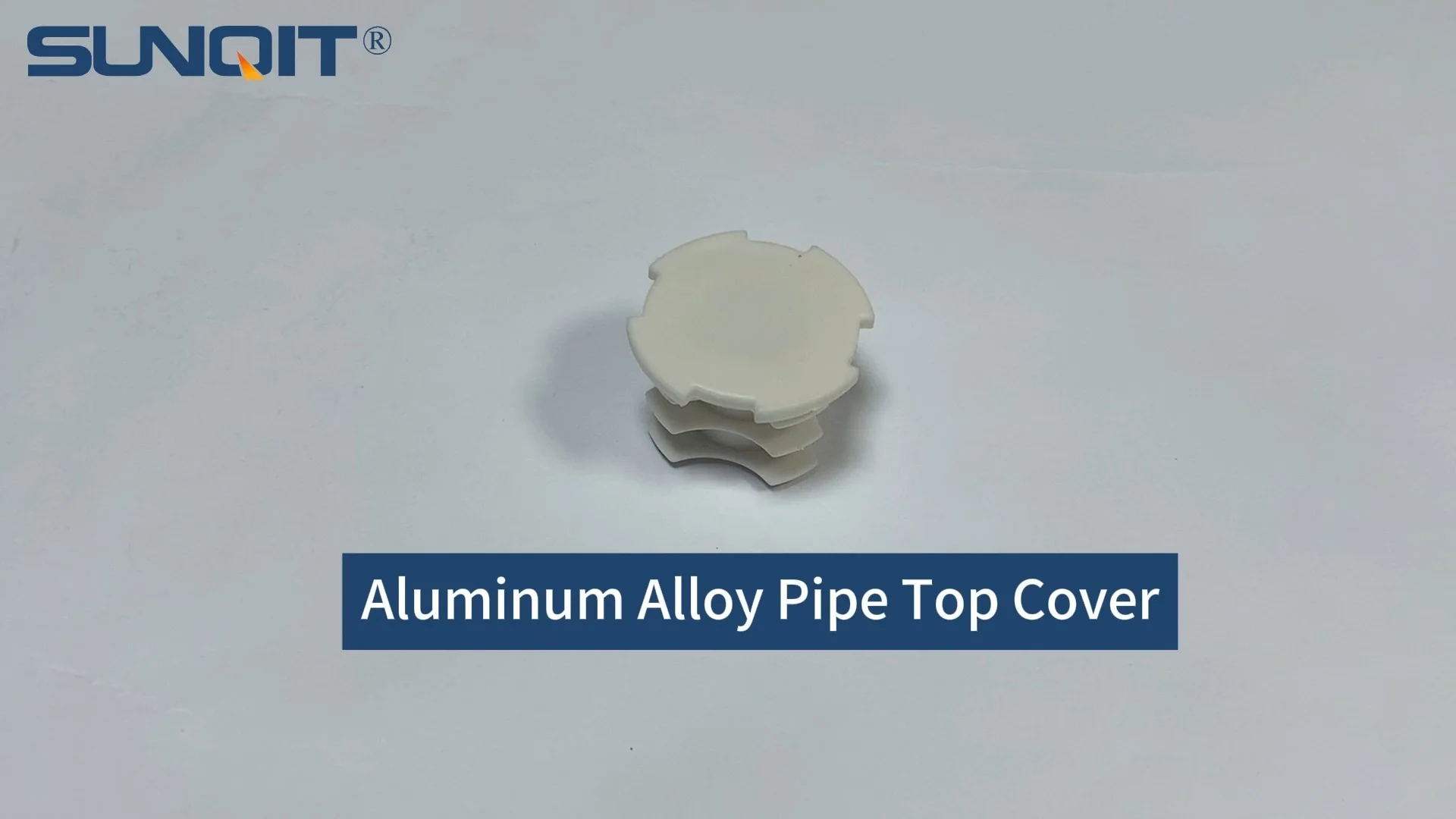
In the world of industrial manufacturing and warehouse management, it's often the smallest components that hold the biggest impact. While large machinery and complex systems get the spotlight, tiny parts like plastic pipe covers quietly work behind the scenes to ensure operations run smoothly, safely, and efficiently. These unassuming accessories are more than just protective layers—they're essential cogs in the wheel of lean systems, contributing to durability, workflow optimization, and even employee safety. Whether you're setting up a new production line, upgrading a Material Rack B (3 row and 3 floor), or fine-tuning roller tracks on a conveyor, understanding plastic pipe cover sizes is key to building a setup that stands the test of time. In this guide, we'll dive deep into everything you need to know about plastic pipe covers, from their role in lean pipe and accessories systems to a comprehensive size chart and real-world applications.
What Are Plastic Pipe Covers, and Why Do They Matter?
At first glance, plastic pipe covers might seem like simple pieces of tubing—but their design and functionality are far more intentional. Made from durable, flexible plastics like PVC (polyvinyl chloride), polyethylene, or polypropylene, these covers are engineered to fit snugly over metal or aluminum pipes, providing a protective barrier that serves multiple purposes. Let's break down why they're non-negotiable in industrial settings:
Protection Against Wear and Tear: Pipes in material racks, workbenches, and roller tracks are constantly exposed to friction, impacts, and environmental elements. A plastic cover acts as a shield, preventing scratches, dents, and corrosion that could weaken the pipe over time. For example, in a busy warehouse, Material Rack B (3 row and 3 floor) holds heavy turnover boxes that slide in and out daily—without pipe covers, the rack's vertical pipes would quickly show signs of damage from repeated contact.
Safety First: Bare metal pipes can have sharp edges or rough joints, posing a risk of cuts or scrapes to workers. Plastic covers smooth these surfaces, reducing the chance of injuries during loading, unloading, or maintenance. They also minimize the risk of snags, which could catch on clothing, gloves, or tools, preventing accidents and downtime.
Noise Reduction: In fast-paced environments with moving parts—like roller tracks on conveyors or flow racks—metal-on-metal contact creates constant noise. Plastic pipe covers dampen these sounds, creating a quieter workspace that's less stressful for employees and easier to communicate in.
Aesthetic and Organizational Benefits: Let's not overlook the visual aspect. Plastic pipe covers come in a range of colors, including high-visibility options like plastic roller track guide rail yellow and neutral tones like plastic roller track guide rail grey. This color coding helps streamline workflows: yellow might mark high-traffic zones or finished goods tracks, while grey could indicate raw material areas, making it easier for workers to navigate the space and reduce errors.
Insulation and Environmental Resistance: Depending on the material, some plastic covers offer insulation against temperature extremes, protecting pipes (and the materials inside them) from freezing or overheating. They're also resistant to chemicals, oils, and UV rays, making them suitable for both indoor and outdoor use—critical for facilities with varying environmental conditions.
Types of Plastic Pipe Covers: More Than Just "One Size Fits All"
Plastic pipe covers aren't a one-and-done solution. They're designed to meet the unique needs of different systems, pipe types, and environments. Let's explore the most common types you'll encounter, with a focus on those that align with industrial applications like lean pipe setups, aluminum profiles, and roller tracks.
By Material: The plastic used determines the cover's durability, flexibility, and resistance. PVC covers are rigid and chemical-resistant, ideal for heavy-duty applications like Material Rack B (3 row and 3 floor) where pipes bear significant weight. Polyethylene covers are more flexible, making them great for curved pipes or areas with frequent movement, such as caster wheels on turnover trolleys. Polypropylene covers offer excellent UV resistance, perfect for outdoor racks or conveyor systems exposed to sunlight.
By Color: Color isn't just for show—it's a tool for organization. As mentioned, plastic roller track guide rail yellow is a popular choice for high-visibility areas, such as emergency stop zones or priority material tracks, ensuring operators can spot these areas at a glance. Plastic roller track guide rail grey, on the other hand, blends into neutral industrial settings, making it ideal for general-purpose use where aesthetics are secondary to functionality. Other colors, like red or blue, might be used for custom coding (e.g., red for hazardous materials, blue for tools).
By Size and Shape: Covers come in various diameters to fit different pipe types, from slim 0.5-inch lean pipes to larger 2-inch aluminum profiles. They also vary in length—most are sold in standard 1m or 2m lengths, but can be cut to size for specific projects. Shape-wise, round covers are the most common, fitting seamlessly over cylindrical pipes, while square or rectangular covers are designed for aluminum extrusion profiles or square lean pipes used in workbench frames.
By Application: Some covers are tailored for specific uses. For example, "guide rail" covers are narrower and designed to snap onto roller tracks, keeping materials aligned during transport. "Joint covers" are thicker and shaped to cover pipe joints, preventing debris from getting stuck in crevices. "Workbench edge covers" are flat and flexible, wrapping around the edges of workbench surfaces to protect both the bench and workers from sharp corners.
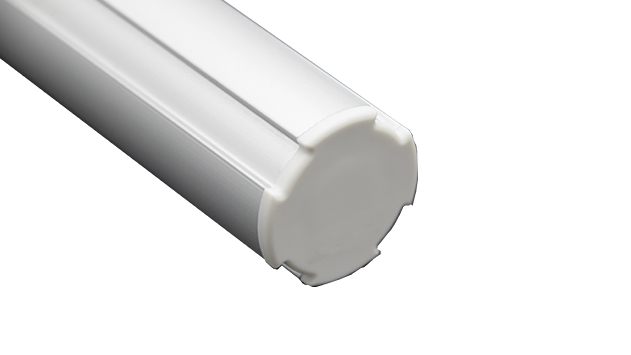
Plastic Pipe Cover Sizes: A Complete Chart
Choosing the right size plastic pipe cover starts with understanding your pipes' dimensions and your application's demands. To simplify this, we've compiled a comprehensive size chart featuring the most common plastic pipe covers used in industrial settings, including those compatible with lean pipe, aluminum pipe, and roller tracks. This chart includes key details like diameter, length, material, and ideal applications to help you make an informed decision.
| Size (Diameter x Length) | Material | Compatible Pipe Type | Thickness | Color | Primary Applications | Weight (per meter) |
|---|---|---|---|---|---|---|
| 0.5 inch x 1m | Polyethylene | 0.5mm PE coated lean pipe, mini aluminum roller track | 1.2mm | Clear, Grey | Small roller tracks, delicate material handling | 25g |
| 0.5 inch x 2m | PVC | 0.8mm stainless steel pipe, 1.0mm PE coated lean pipe | 1.5mm | Yellow, Grey | Swivel roller balls 0.5 inch tracks, light-duty conveyors | 45g |
| 1 inch x 1m | Polypropylene | 1.2mm PE coated lean pipe, basic aluminum tube | 2.0mm | Yellow, Grey, Black ESD | Material Rack B (3 row and 3 floor), workbench frames, roller tracks | 80g |
| 1 inch x 2m | PVC | 1.5mm PE coated lean pipe, 2020 aluminum profile | 2.5mm | Yellow, Grey, Blue | Flow racks, conveyor side rails, plastic roller track guide rail yellow/grey | 150g |
| 1.5 inch x 1m | Polyethylene | 2.0mm PE coated lean pipe, 3030 aluminum profile | 3.0mm | Grey, Black | Heavy-duty material racks, caster wheel axles, stainless steel swivel roller balls 1 inch tracks | 220g |
| 2 inch x 1m | PVC | 2.0mm stainless steel pipe, 4040 aluminum profile | 4.0mm | Grey, Yellow | Large roller tracks, 60 steel roller track green/yellow, Material Rack B vertical supports | 350g |
| 2 inch x 2m | Polypropylene | Aluminum pipe with tray holder, 3060 national standard profile | 3.5mm | Black ESD, Grey | ESD workbench frames, anti-static conveyor rails | 650g |
| Custom (Cut to size) | PVC/Polyethylene blend | Specialty pipes (corrugated aluminum pipe, T-slot aluminum pipe) | 2.0-5.0mm | Custom colors available | Bespoke workbenches, curved roller tracks, unique rack designs | Varies by size |
Note: All sizes are approximate and may vary slightly by manufacturer. Always measure your pipe's outer diameter (OD) before purchasing to ensure a snug fit. "Black ESD" covers are electrostatic discharge (ESD) safe, ideal for electronics manufacturing where static control is critical.

Applications: From Material Rack B to Workbenches and Beyond
Plastic pipe covers aren't limited to a single use case—their versatility makes them indispensable across various industrial setups. Let's explore how they shine in three key applications: Material Rack B (3 row and 3 floor), workbenches, and roller tracks.
1. Material Rack B (3 row and 3 floor): Protecting Heavy-Duty Storage
Material Rack B is a staple in warehouses and distribution centers, designed to hold multiple rows and floors of turnover boxes, raw materials, or finished goods. With 3 rows and 3 floors, it's built to maximize vertical space, but this also means its vertical and horizontal pipes endure constant stress from loaded boxes being pushed, pulled, and stacked. Here's where 1-inch plastic pipe covers (often in grey or black) make a difference:
Vertical Supports: The vertical pipes of Material Rack B bear the brunt of the weight. A 2.0mm thick polypropylene cover (1 inch x 1m) adds a protective layer, preventing dents from dropped boxes and corrosion in humid environments. Over time, this reduces the need for rack repairs or replacements, lowering maintenance costs.
Horizontal Beams: When workers slide boxes onto the rack's shelves, the horizontal beams rub against the box edges. Plastic covers with a low-friction surface (like polyethylene) minimize this friction, making it easier to load/unload and reducing wear on both the boxes and the rack.
Safety Rails: Many Material Rack B setups include side rails to prevent boxes from falling off. Covering these rails with bright yellow plastic (1 inch x 2m) increases visibility, alerting workers to the rack's edges and reducing the risk of collisions with forklifts or pallet jacks.
2. Workbenches: Comfort and Durability for Daily Tasks
Workbenches are the heart of production lines, where assembly, inspection, and packaging take place. Whether it's a Workbench E (single deck-without caster) or a custom aluminum workbench, plastic pipe covers enhance both functionality and safety:
Frame Protection: The steel or aluminum frame of a workbench is prone to scratches from tools, parts, and constant foot traffic. A 1-inch PVC cover (grey or black ESD) shields the frame, keeping it looking new and preventing rust from forming in scratched areas—critical for ESD workbenches, where metal exposure could interfere with static control.
Edge Safety: Workbench edges can be sharp, especially after years of use. Flexible plastic edge covers (often 0.5 inch in diameter) wrap around these edges, creating a soft, rounded surface that protects workers' wrists and arms during long hours of assembly work.
Cable Management: Many workbenches have pipes or rails for hanging tools or routing cables. Clear plastic covers on these rails prevent cables from snagging and protect tools from getting caught on rough pipe surfaces, keeping the workspace organized and efficient.
3. Roller Tracks: Smoothing the Flow with Color-Coded Guides
Roller tracks are the backbone of flow racks and conveyors, ensuring materials move seamlessly from one workstation to the next. Here, plastic roller track guide rail yellow and grey covers are game-changers:
Alignment and Friction Reduction: Roller tracks rely on precise alignment to prevent jams. Yellow or grey plastic guide rails (1 inch x 2m) snap onto the edges of the track, creating a channel that keeps boxes or parts centered. The smooth plastic surface reduces friction, allowing materials to glide more easily—even on inclined tracks.
Workflow Optimization: Color coding with plastic roller track guide rail yellow and grey helps workers quickly distinguish between tracks. For example, a yellow guide rail might indicate a "fast lane" for urgent orders, while grey could mark a "slow lane" for non-priority items. This reduces sorting errors and speeds up order fulfillment.
Noise Reduction: Metal roller tracks can be surprisingly loud as parts rattle against them. PVC or polypropylene covers dampen this noise, creating a calmer environment that improves concentration and communication among team members.

How to Choose the Right Plastic Pipe Cover Size
Selecting the perfect plastic pipe cover size isn't guesswork—it requires a few simple steps to ensure compatibility and performance:
Step 1: Measure the Pipe's Outer Diameter (OD): This is the most critical step. Use a caliper or tape measure to get the exact OD of your pipe (e.g., 1.2mm PE coated lean pipe has an OD of ~1 inch). The cover's inner diameter should be 1-2mm larger than the pipe's OD for a snug, friction-fit.
Step 2: Consider the Pipe Material: Lean pipe, aluminum pipe, and stainless steel pipe have different surface textures. For rough or corroded pipes, choose a thicker cover (2.5mm+) to ensure it still fits tightly. For smooth aluminum profiles, a thinner cover (1.5-2.0mm) may suffice.
Step 3: Evaluate the Environment: High-moisture areas (like food processing plants) need covers resistant to mold and mildew (polypropylene or PVC). Outdoor setups require UV-resistant materials (polyethylene). For ESD-sensitive environments (electronics manufacturing), opt for black ESD covers to dissipate static.
Step 4: Match the Application to Thickness: Heavy-duty applications (Material Rack B, 60 steel roller tracks) need thicker covers (2.0-3.5mm) for durability. Light-duty uses (mini roller tracks, small workbenches) can use thinner covers (1.2-1.5mm) to save weight and cost.
Step 5: Don't Forget Color Coding: Use yellow for high-visibility areas (roller tracks, safety rails) and grey for standard use (workbench frames, general racks). This simple trick can cut down on workflow errors by up to 30%, according to lean manufacturing studies.
Installation Tips for a Secure, Long-Lasting Fit
Even the right size cover won't perform well if installed poorly. Follow these tips to ensure a secure, professional fit:
Prep the Pipe Surface: Wipe the pipe clean with a damp cloth to remove dust, oil, or debris. For greasy pipes, use a mild detergent—any residue can prevent the cover from adhering properly.
Cut to Length Accurately: Measure twice, cut once! Use a sharp utility knife or pipe cutter to trim the cover to your desired length. For straight cuts, wrap masking tape around the cover as a guide, then score along the tape edge.
Warm Up Stiff Covers: In cold weather, plastic covers can become rigid and hard to slide on. Warm them slightly with a hair dryer (on low heat) to make them more flexible—just don't overheat, as this can warp the plastic.
Use Adhesive for Extra Security: For covers that need to stay in place (like on moving roller tracks), apply a thin line of industrial-grade adhesive (compatible with plastic) to the pipe before sliding on the cover. Hold it in place for 30 seconds to set.
Check for Gaps: After installation, inspect the cover for gaps or wrinkles. Gaps can trap water or debris, leading to corrosion. If you notice a gap, remove the cover, trim it slightly, and reapply.
Maintenance: Keeping Your Plastic Pipe Covers in Top Shape
With proper care, plastic pipe covers can last 3-5 years, even in high-traffic areas. Here's how to maintain them:
Regular Inspections: Every 3 months, check covers for cracks, tears, or loosening. Pay extra attention to areas with heavy use (e.g., Material Rack B shelves, workbench edges).
Cleaning: Wipe covers with a soft cloth and mild soap (avoid abrasive cleaners or scouring pads, which can scratch the surface). For stubborn grime, use a toothbrush to gently scrub crevices.
replace When Worn: If a cover is cracked, torn, or no longer fits snugly, replace it immediately. A damaged cover can't protect the pipe, and loose covers pose a tripping or snag hazard.
UV Protection: For outdoor covers, apply a UV-resistant spray (available at hardware stores) every 6 months to prevent fading and brittleness.
Conclusion: Small Covers, Big Impact
Plastic pipe covers may not be the most glamorous part of your industrial setup, but their role in protecting equipment, enhancing safety, and optimizing workflows is undeniable. From shielding the vertical pipes of a Material Rack B (3 row and 3 floor) to guiding materials along plastic roller track guide rail yellow and grey tracks, these small accessories punch above their weight. By understanding sizes, materials, and applications, you can choose covers that not only protect your pipes but also contribute to a leaner, more efficient operation.
Remember: the next time you're setting up a workbench, upgrading a conveyor, or organizing a rack, don't overlook the power of a well-chosen plastic pipe cover. It's a small investment that pays off in durability, safety, and peace of mind—proving that sometimes, the best solutions come in the smallest packages.