- Company Articles
- Products and Technology
- Procurement Guidelines
- Plastic Pipe Cover Sourcing Guide: Global Manufacturers & Pricing

Plastic Pipe Cover Sourcing Guide: Global Manufacturers & Pricing
Related Product
Plastic Pipe Cover
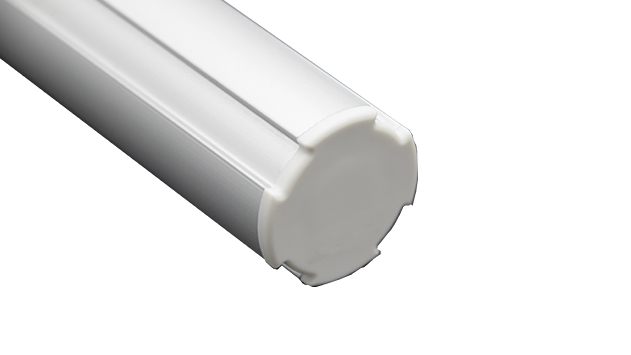
Plastic pipe cover to cover dia 28MM aluminum pipe end at workbench, flow rack, to prevent metal surface scratch material or worker.
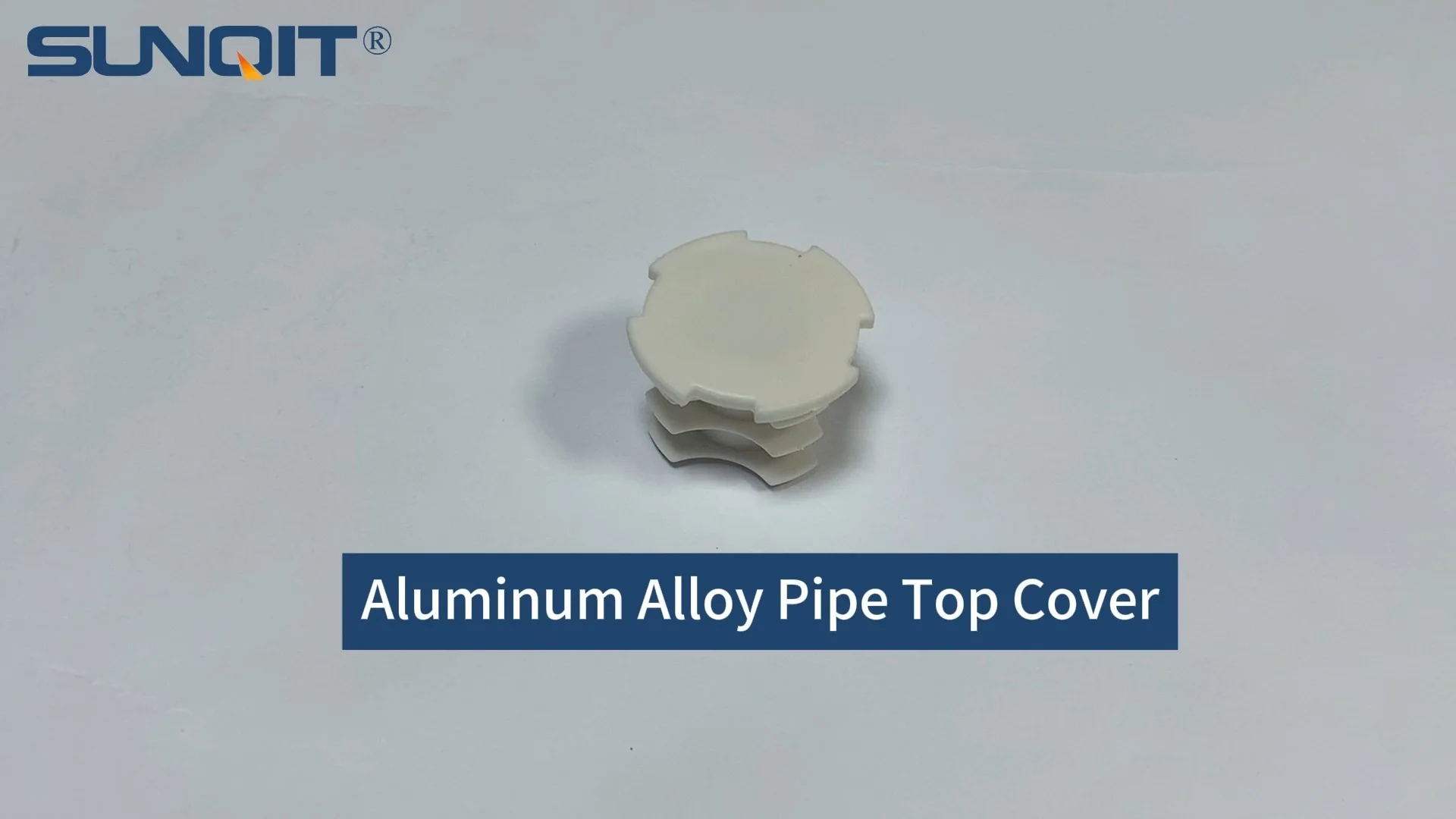
Walk into any manufacturing plant, warehouse, or even a busy workshop, and you'll likely spot a network of pipes and tubes crisscrossing the space—holding up workbenches, supporting material racks, or guiding products along conveyor lines. These pipes, often part of lean systems or aluminum profile structures, are the unsung heroes of efficient operations. But have you ever stopped to notice the small, unassuming components that keep them functional and safe? We're talking about plastic pipe covers —the quiet protectors that shield pipes from damage, prevent snags during material handling, and even add a polished look to otherwise industrial setups. Whether you're setting up a new lean pipe workbench, upgrading a flow rack, or maintaining turnover trolleys, choosing the right plastic pipe covers isn't just a detail—it's a decision that impacts durability, safety, and long-term costs. In this guide, we'll dive deep into everything you need to know about sourcing these essential accessories, from understanding their types and uses to comparing global manufacturers and decoding pricing trends.
What Are Plastic Pipe Covers, and Why Do They Matter?
At first glance, a plastic pipe cover might seem like a simple piece of plastic. But in reality, it's a precision-engineered component designed to solve specific problems in industrial and commercial settings. Let's break down what they are, the different types available, and why investing in quality matters.
Types of Plastic Pipe Covers: More Than Just "Caps"
Plastic pipe covers come in a variety of shapes and sizes, each tailored to a unique purpose. The most common include:
- End Caps: These fit snugly over the open ends of pipes, preventing debris, dust, or moisture from entering. They also eliminate sharp edges, reducing the risk of cuts or snags—critical in areas where workers handle materials or move trolleys. You might see them labeled as plastic pipe end caps in supplier catalogs, available in sizes from 0.5 inch to 2 inches to match standard pipe diameters.
- Sleeves: Longer than end caps, sleeves slide over the entire length of a pipe segment, providing insulation (for temperature-sensitive environments) or a smooth surface to prevent scratches on products sliding across them. They're often used on roller tracks or the edges of workbenches where materials rest.
- Flanged Covers: These have a lip or flange that extends beyond the pipe's diameter, offering extra protection for corners or joints. They're popular in high-traffic areas, like near caster wheels on turnover trolleys, where pipes might bump into walls or equipment.
- Color-Coded Covers: Made in bright hues like yellow or grey (think plastic roller track guide rail yellow or grey variants), these help with visual management in lean systems. For example, yellow covers might mark "active" material flow paths, while grey indicates "storage only" zones.
Each type plays a role in keeping operations running smoothly. For instance, a lean pipe workbench might use end caps on its support pipes to avoid damaging delicate components during assembly, while a flow rack could rely on flanged sleeves to protect its roller tracks from wear and tear.
Real-World Example: A automotive parts manufacturer in Michigan was struggling with frequent snags on their assembly line. Products moving along a roller track kept catching on the exposed ends of aluminum pipes, causing delays and occasional damage. After switching to 1-inch plastic end caps (matching their swivel roller balls 1 inch setup), they reduced line stoppages by 40% in just two weeks. The fix was simple, but the impact on productivity was significant.
Materials Matter: Choosing the Right Plastic
Not all plastic pipe covers are created equal. The material used determines their durability, flexibility, and resistance to chemicals, temperature, and impact. Here's a breakdown of the most common options:
PVC (Polyvinyl Chloride): The workhorse of plastic covers, PVC is prized for its rigidity, chemical resistance, and low cost. It's ideal for indoor use in dry environments, like on esd workbenches or static-sensitive areas, as it doesn't conduct electricity. However, it can become brittle in extreme cold, so it's less suited for outdoor or freezer applications.
Polyethylene (PE): Softer and more flexible than PVC, PE covers absorb impacts well—making them perfect for high-traffic zones where pipes might get bumped, like around turnover trolleys and racks . They're also resistant to moisture and most acids, which is why you'll often find them in food processing or pharmaceutical facilities.
Polypropylene (PP): Heat-resistant and lightweight, PP covers thrive in warm environments, such as near machinery that generates heat or in outdoor settings with direct sunlight. They're also easy to clean, a plus for industries with strict hygiene standards, like electronics manufacturing.
Nylon: The strongest of the bunch, nylon covers offer excellent wear resistance and can handle heavy loads. They're often used as lean pipe accessories in industrial settings where pipes support heavy workbenches or material racks (like material rack b (3 row and 3 floor) setups).
Global Manufacturers: Who's Leading the Market?
Sourcing plastic pipe covers globally opens up a world of options, from budget-friendly suppliers in Asia to premium, specialized manufacturers in Europe and North America. To help you navigate the landscape, we've compiled a list of key players, their strengths, and what sets them apart.
| Manufacturer | Country | Product Focus | Key Strengths | MOQ (Minimum Order Quantity) | Lead Time | Certifications |
|---|---|---|---|---|---|---|
| LeanTech Solutions | China | PVC/PE end caps, sleeves, lean pipe accessories | Low-cost, large production capacity, customization options | 500 units | 2-3 weeks | ISO 9001, RoHS |
| EuroPipe Components | Germany | PP/nylon high-performance covers, ESD-compliant options | Premium quality, strict quality control, ESD certification | 200 units | 4-5 weeks | ISO 13485, ESD S20.20 |
| American Lean Parts | USA | PE sleeves, color-coded covers, custom sizes | Fast shipping (domestic), local support, small-batch orders | 100 units | 1-2 weeks (domestic) | ISO 9001, Made in USA |
| AluPro Systems | Japan | Specialized covers for aluminum profiles, anti-slip designs | Precision fit for aluminum extrusion profiles, durability | 300 units | 3-4 weeks | JIS, ISO 9001 |
| BrasilPlast Industries | Brazil | PVC covers, recycled plastic options | Sustainable materials, regional expertise in Latin America | 1000 units | 4-6 weeks | ISO 9001, recycled content certification |
Regional Breakdown: Pros and Cons
Asia (China, Japan, South Korea): The go-to for cost-sensitive buyers, Asian manufacturers like LeanTech Solutions offer competitive pricing due to lower labor and production costs. They excel at large-scale orders and often provide customization (e.g., branded colors or logos). However, language barriers and longer shipping times (4-6 weeks to Europe/North America) can be challenges. Tip: Work with a local agent or use platforms like Alibaba to verify supplier credibility—look for gold suppliers with 5+ years of experience.
Europe (Germany, Italy, UK): European manufacturers prioritize quality and compliance, making them ideal for industries with strict standards (e.g., medical, aerospace). EuroPipe Components, for example, produces ESD-compliant covers certified to protect sensitive electronics—a must for esd workstations . Expect higher prices but shorter lead times within Europe (2-3 weeks) and excellent after-sales support.
North America (USA, Canada): For buyers in the Americas, regional suppliers like American Lean Parts offer the fastest turnaround times (often 1-2 weeks for domestic orders) and easy communication. They're a great choice for small-batch orders or urgent replacements. While prices are higher than in Asia, the savings in shipping and time can offset the cost for time-sensitive projects.
Latin America (Brazil, Mexico): Emerging players like BrasilPlast Industries cater to regional demand, reducing import duties and shipping delays for buyers in South America. Their focus on sustainable materials (e.g., recycled plastic covers) also aligns with growing eco-friendly trends, though product ranges may be more limited compared to Asian or European suppliers.
Pricing Factors: What Determines the Cost?
Plastic pipe cover pricing varies widely, from $0.10 per unit for basic PVC end caps to $5+ for specialized nylon sleeves. To avoid surprises, it's crucial to understand the factors that influence cost. Let's break them down:
Material and Design Complexity
Unsurprisingly, material choice is the biggest cost driver. PVC covers are the cheapest (starting at $0.10-$0.30/unit), followed by PE ($0.20-$0.50), PP ($0.30-$0.70), and nylon ($1.00-$3.00+). Design complexity adds to the price, too: a simple 0.5-inch end cap will cost less than a flanged, color-coded sleeve with a custom logo.
Order Quantity
Manufacturers offer volume discounts, so the more you order, the lower the per-unit cost. For example, LeanTech Solutions might charge $0.25 per PVC end cap for 500 units but $0.18 per unit for 5,000 units. If you're a lean pipe wholesale buyer or run a large facility, bulk ordering can save 30-40% annually.
Customization
Need covers in a specific color (like the plastic roller track guide rail yellow for your facility's color code system) or with a unique size? Customization adds cost—typically $0.05-$0.50 per unit for colors, and $0.50-$2.00+ for special sizes or designs. Minimum order quantities for custom items are also higher (often 1,000+ units).
Shipping and Logistics
Shipping costs can eat into your budget, especially for international orders. From China to the US, sea freight adds $0.05-$0.15 per unit (with lead times of 4-6 weeks), while air freight bumps it up to $0.50-$1.00 per unit but cuts lead time to 1-2 weeks. Regional suppliers avoid these costs—for example, American Lean Parts might offer free shipping on orders over $500 within the US.
Certifications
Certified products (e.g., ESD-compliant covers for esd workbench use or food-grade PE sleeves) cost 20-50% more than non-certified alternatives. The extra cost reflects rigorous testing and compliance with standards like ISO 13485 (medical) or ESD S20.20 (electronics), but it's non-negotiable for regulated industries.
Pricing Example: Let's compare a basic and premium option for a 1-inch PVC end cap (common for swivel roller balls 1 inch setups):
- Basic (China, non-certified, MOQ 500): $0.12/unit + $0.08 shipping = $0.20 total per unit
- Premium (Germany, ESD-certified, MOQ 200): $0.80/unit + $0.20 shipping = $1.00 total per unit
The premium option costs 5x more, but for a semiconductor factory using esd workstation setups, the ESD certification is critical to prevent static damage to sensitive chips—making the higher cost worthwhile.
Supplier Type: Wholesale vs. Retail
Buying directly from a lean pipe supplier or manufacturer (wholesale) is always cheaper than purchasing from a retailer or distributor. Retailers typically mark up prices by 30-50% to cover their overhead. For example, a PVC sleeve that costs $0.30 wholesale might sell for $0.45-$0.60 at a local industrial supply store. Tip: If you need small quantities (less than 100 units), check if the manufacturer offers "sample packs" or has a retail arm—some, like American Lean Parts, sell directly to end-users with no MOQ for standard items.

How to Choose the Right Supplier
With so many options, selecting a supplier can feel overwhelming. Here's a step-by-step guide to help you make the best choice for your needs:
Step 1: Define Your Requirements
Start by clarifying what you need: material type (PVC, PE, etc.), size (0.5 inch, 1 inch, etc.), quantity, certifications, and customization. For example, if you're building workbench e (single deck-without caster) units, you'll need covers that fit the workbench's aluminum or lean pipes—measure the pipe diameter and note any special needs (e.g., heat resistance if the workbench is near welding stations).
Step 2: Verify Supplier Credibility
Check for red flags: suppliers with no website, vague product descriptions, or unresponsive communication. Look for certifications (ISO 9001 is a baseline), customer reviews (on platforms like Google or Alibaba), and years in business (5+ years is a good sign of stability). For international suppliers, ask for a business license or factory audit report—reputable companies will happily provide these.
Step 3: Request Samples
Never place a large order without testing samples first. A $50 sample fee can save you thousands in wasted inventory. Test the covers for fit (do they slide on easily but stay snug?), durability (drop them from waist height—do they crack?), and compliance (if certified, ask for test reports). For example, if you're ordering plastic roller track guide rail grey covers, ensure the color matches your facility's existing system.
Step 4: Compare Total Cost (Not Just Unit Price)
A supplier offering $0.10/unit covers might seem cheaper than one at $0.15/unit, but hidden costs (e.g., high shipping fees, strict return policies, or poor quality leading to frequent replacements) can make them more expensive in the long run. Calculate the "total cost of ownership" by factoring in shipping, MOQs, lead times, and expected lifespan.
Step 5: Negotiate Terms
Don't be afraid to negotiate! For large orders, suppliers may offer discounts, extended payment terms, or free shipping. If you're a repeat customer, ask about a "blanket order" (pre-paying for a year's supply at a discounted rate) or loyalty discounts. Even small concessions (e.g., waiving the sample fee) can add up.

Common Sourcing Challenges and How to Overcome Them
Sourcing plastic pipe covers globally isn't without hurdles. From communication gaps to quality inconsistencies, here are the most common challenges and how to tackle them:
Language and Communication Barriers
Dealing with suppliers in non-English-speaking countries can lead to misunderstandings (e.g., incorrect sizes or material specs). Solution: Use simple, clear language in emails; include diagrams or photos of the desired product; and consider hiring a translator for complex negotiations. Platforms like WeChat (popular in China) or WhatsApp (common in Latin America) also support voice messages and video calls, which can clarify details faster than text.
Quality Inconsistencies
A sample might look perfect, but the bulk order could arrive with defects (e.g., loose fits, discolored plastic, or thin walls). Solution: Include a quality control (QC) clause in your contract specifying acceptable defect rates (e.g., ≤1%). Hire a third-party inspection service (like SGS or Intertek) to check the order before shipping—costing $100-$300, but worth it for large orders.
Long Lead Times and Shipping Delays
Sea freight from Asia to Europe can take 6-8 weeks, and delays (due to port congestion or customs) are common. Solution: Plan ahead—order 2-3 months in advance for non-urgent stock. For critical parts, keep a safety stock (e.g., 20% extra) or use a hybrid approach: source 80% from Asia (for cost) and 20% from a regional supplier (for quick replacements).
Import Duties and Regulations
Importing from outside your region can incur duties (e.g., 25% for plastic products entering the EU from China) and compliance hurdles (e.g., REACH regulations for chemicals in plastic). Solution: Use a customs broker to navigate paperwork and calculate total landed costs. Check if your country has free trade agreements (e.g., USMCA for North America) that reduce duties with certain suppliers.
Minimum Order Quantities (MOQs)
Asian suppliers often require MOQs of 500+ units, which can be too much for small businesses. Solution: Look for suppliers specializing in small-batch orders (e.g., American Lean Parts in the US or European suppliers with lower MOQs). Alternatively, team up with other businesses to combine orders and meet the MOQ.
Future Trends: What's Next for Plastic Pipe Covers?
The plastic pipe cover market is evolving, driven by trends in manufacturing, sustainability, and technology. Here's what to watch for in the coming years:
Sustainable Materials
As companies prioritize ESG (Environmental, Social, Governance) goals, demand for eco-friendly covers is rising. Expect to see more suppliers offering covers made from recycled plastic (e.g., BrasilPlast's recycled PVC line) or biodegradable materials (e.g., PLA-based covers for non-industrial use). Some manufacturers are even developing "take-back" programs, where used covers are recycled into new ones—closing the loop on waste.
Smart Covers with Integrated Technology
The rise of Industry 4.0 is bringing "smart" features to even simple components. Future pipe covers might include RFID tags (to track inventory) or sensors that monitor pipe temperature or vibration—alerting maintenance teams to potential issues before they cause downtime. While still in early stages, companies like EuroPipe Components are already testing prototype sensor-embedded sleeves for high-end manufacturing clients.
Customization and On-Demand Production
3D printing is making small-batch, custom covers more accessible. Instead of ordering 500 units, you could print 10 covers in-house in hours, tailored to unique pipe sizes or designs. While 3D-printed covers are currently more expensive than mass-produced ones, falling printer costs and improved materials (e.g., durable PETG filament) are making this a viable option for specialized applications.
Integration with Lean and Automation
As lean manufacturing and automation become standard, pipe covers will play a bigger role in optimizing workflows. For example, color-coded covers (like plastic roller track guide rail yellow for "fast-moving" lines) will integrate with AI-driven systems that analyze traffic flow and suggest layout adjustments. Covers might also be designed to work seamlessly with collaborative robots (cobots), with smooth surfaces that prevent snags during automated material handling.
Conclusion: Sourcing Success Starts with Knowledge
Plastic pipe covers may be small, but their impact on efficiency, safety, and cost is significant. By understanding the types, materials, and global manufacturers, you can make informed decisions that align with your budget and operational needs. Whether you're a lean pipe supplier stocking inventory or a factory manager upgrading your workbenches, remember: the best sourcing strategy balances quality, cost, and reliability. Request samples, verify supplier credentials, and don't overlook the "total cost of ownership." With the right approach, you'll find a partner that delivers not just covers, but solutions that keep your operations running smoothly—today and in the future.
So, the next time you walk through your facility, take a closer look at those plastic pipe covers. They're more than just pieces of plastic—they're the quiet foundation of a well-run, efficient workspace.