- Company Articles
- Products and Technology
- Procurement Guidelines
- Plastic Pipe Cover Suppliers: How to Find Reliable Manufacturers

Plastic Pipe Cover Suppliers: How to Find Reliable Manufacturers
Related Product
Plastic Pipe Cover
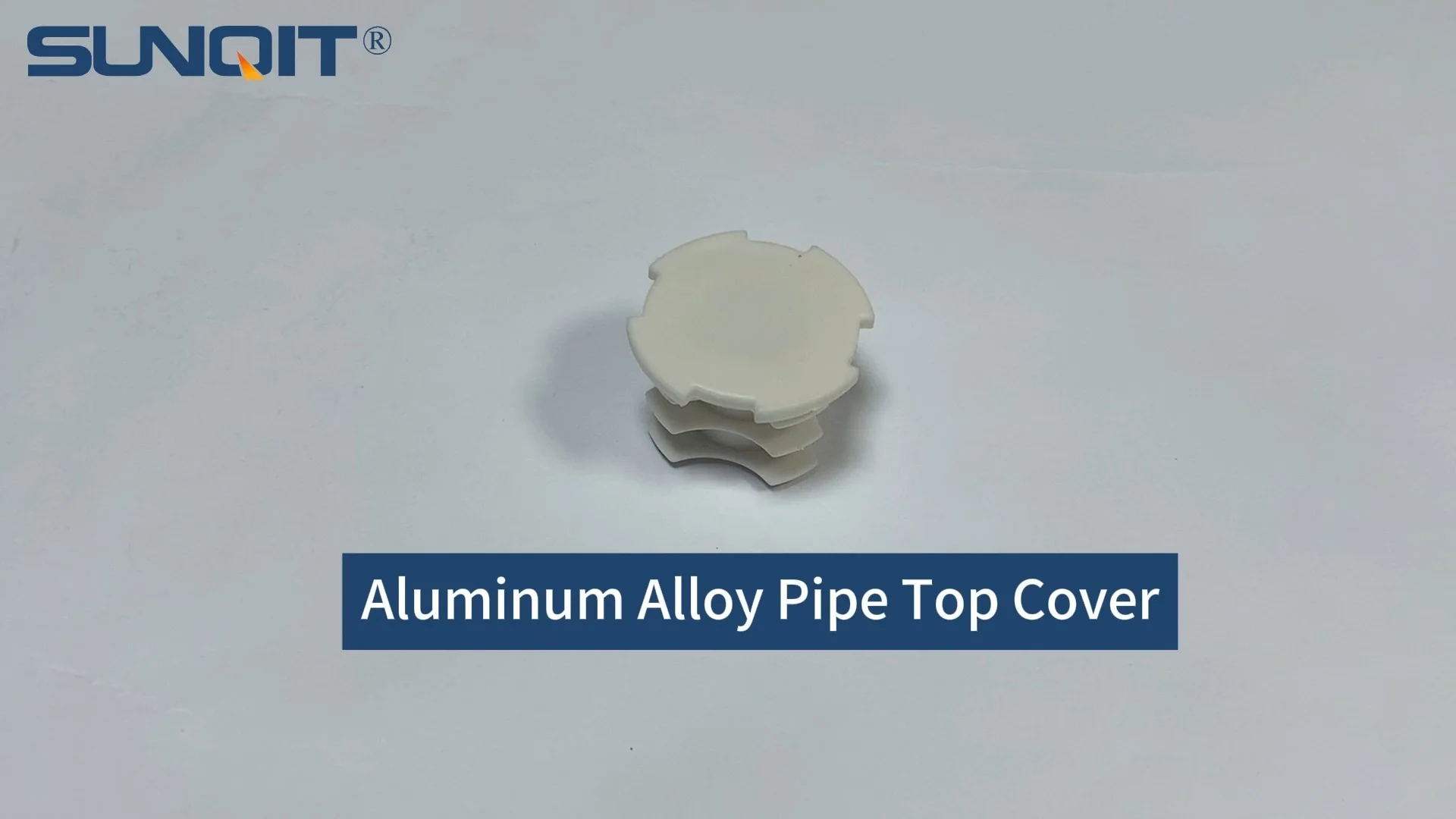
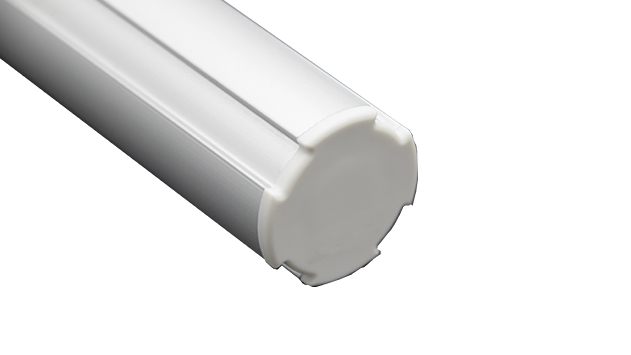
Plastic pipe cover to cover dia 28MM aluminum pipe end at workbench, flow rack, to prevent metal surface scratch material or worker.
Let's start with a scenario we've all faced in business: You place a rush order for plastic pipe covers, needing them to protect the exposed pipes in your new assembly line. The supplier promises delivery in a week, but two weeks later, the shipment arrives—and half the covers are cracked. Worse, the ones that *do* fit are so flimsy they tear when you try to adjust them. Your production timeline stalls, your team is frustrated, and suddenly that "great deal" you got feels like a costly mistake.
Choosing the right plastic pipe cover supplier isn't just about checking a box on your procurement list. It's about safeguarding your operations, your team's efficiency, and your bottom line. Whether you're sourcing plastic pipe sleeves for a small workshop or bulk plastic pipe end caps for a large-scale manufacturing plant, the process of finding a reliable partner requires patience, strategy, and a keen eye for detail. In this guide, we'll walk through the steps to identify suppliers who don't just meet your needs—but exceed them.
Step 1: Start by Understanding *Your* Needs (Yes, *Yours*)
Before you even type "plastic pipe cover suppliers" into a search bar, take a step back. What exactly do you need? Plastic pipe covers come in all shapes, sizes, and materials, and assuming "one size fits all" is a recipe for disappointment. Let's break this down:
- Pipe specifications: What's the diameter of the pipes you're covering? A 2-inch pipe needs a different cover than a 0.5-inch pipe. Are the pipes straight, or do they have bends that require flexible plastic pipe sleeves?
- Environment: Will the covers be indoors (climate-controlled) or outdoors (exposed to UV rays, rain, or extreme temperatures)? If they're in a factory with chemicals, you'll need chemical-resistant materials. For food processing plants, FDA-approved plastics might be mandatory.
- Function: Are these covers purely for protection (e.g., preventing scratches on pipes), or do they serve a secondary purpose? For example, plastic pipe end caps might be needed to seal open pipe ends and block debris, while lightweight sleeves could help with labeling or color-coding workflow zones.
- Volume and timeline: Do you need 100 covers next week, or 10,000 per month? Can the supplier handle seasonal spikes if your production ramps up?
- Customization: Do you need logos, part numbers, or specific colors printed on the covers? Some suppliers specialize in off-the-shelf products, while others thrive on custom work.
Taking the time to map out these details not only helps you communicate clearly with suppliers—it also filters out companies that can't meet your unique needs. For instance, if you need heat-resistant plastic pipe sleeves for a welding area, a supplier that only carries basic PVC covers will waste your time (and theirs).
Step 2: Know the Qualities of a Reliable Supplier (It's More Than Just "On Time")
Reliability isn't about being perfect—it's about consistency. A great supplier might slip up once, but they'll own it and fix it. Here are the non-negotiables to look for:
1. Quality Control That Goes Beyond "Trust Us"
A supplier who cares about quality won't just send you a generic "ISO 9001 certified" badge. They'll walk you through their testing process. For plastic pipe covers, ask: Do they test for impact resistance? Tensile strength? How do they ensure uniformity across batches? A quick story: A manufacturer we worked with once discovered their plastic pipe end caps were cracking because the supplier skipped a step in the molding process—cooling the plastic too quickly. A reliable supplier would have caught that in QA, not after the shipment arrived.
2. Production Capacity That Matches Your Needs
Suppose you land a big client and suddenly need to triple your order of plastic pipe sleeves. Can your supplier keep up? Ask about their production lines: How many shifts do they run? What's their maximum monthly output for your specific product? A supplier with a single small factory might be great for small orders but will struggle with scaling. On the flip side, a massive corporation might treat your order as an afterthought. Find the middle ground—suppliers with enough capacity to grow with you, but small enough to prioritize your account.
3. Communication That Feels Like a Partnership
We've all dealt with the supplier who takes three days to reply to an email, or who sends vague updates like "it's in production." That's not reliability—that's frustration waiting to happen. A good supplier communicates proactively: "We noticed a delay in raw materials; your order will ship Tuesday instead of Monday, but we'll expedite delivery at no extra cost." They answer questions clearly, even the tough ones ("Why is this batch more expensive?"), and make you feel like your success matters to them.
4. After-Sales Support That Doesn't Disappear
What happens if a batch of plastic pipe covers arrives damaged? A reliable supplier won't ghost you. They'll send replacements immediately, investigate the issue, and prevent it from happening again. Look for suppliers who offer warranties (even short ones) or have a clear returns policy. It shows they stand behind their products.
Step 3: Researching Suppliers—Where to Look (and What to Ignore)
Now that you know what you need and what to look for, it's time to find potential suppliers. Here's how to separate the wheat from the chaff:
Online Platforms (But Take Listings With a Grain of Salt)
Sites like Alibaba, ThomasNet, or Global Sources are a starting point, but don't rely solely on star ratings or flashy profiles. Many suppliers pay for premium listings, so dig deeper: Read the "About Us" section—do they mention specific industries they serve (e.g., automotive, electronics)? Check for certifications (ISO, RoHS) and ask for proof if they're listed. Look for customer reviews, but prioritize detailed ones over generic "good product" comments. A review that says, "Their plastic pipe sleeves held up in our chemical plant for 6 months with no cracking" is far more valuable than "fast shipping."
Industry Networks and Referrals
This is where the magic happens. Join LinkedIn groups for manufacturing or facility management—you'll often find threads where someone asks, "Who's your go-to for plastic pipe end caps?" The responses are usually unfiltered and come from people who've dealt with the supplier firsthand. Trade associations (like the Plastics Industry Association) also have member directories, and many host webinars or networking events where you can meet suppliers face-to-face.
Trade Shows (Yes, They're Still Worth It)
Trade shows let you touch, test, and discuss products in person. Walk the floor of events like NPE (for plastics) or Fabtech (for manufacturing) and stop at booths displaying plastic pipe covers. Ask reps tough questions: "What's the difference between your standard and heavy-duty plastic pipe sleeves?" "Can you show me your quality control reports?" You'll get a feel for their expertise—and their customer service—right away. Plus, many suppliers offer show-exclusive discounts, which never hurts.

Step 4: Vetting Suppliers—The Critical "Trust but Verify" Stage
You've narrowed down a list of 5-10 potential suppliers. Now it's time to vet them thoroughly. This step takes time, but it's the best way to avoid costly mistakes. Here's how:
Background Checks (Yes, Even for Suppliers)
Run a quick search for the supplier's name + "complaints" or "scam." Check business registration sites (like Dun & Bradstreet) to confirm they're a legitimate company. If they claim to work with big brands, ask for references—and actually call them. A former client might say, "They're great for small orders, but struggled when we needed 5,000 units," which could be a dealbreaker for you.
Sample Testing (Don't Skip This!)
Always order samples before committing to a bulk order. Let's walk through how to test a plastic pipe cover sample:
- Fit: Slide the cover onto your pipe. Does it fit snugly, or is there a gap? A loose fit could fall off; a tight one might tear when installing.
- Durability: drop the cover from waist height onto a hard surface. Does it crack or chip? Flex it repeatedly—does it weaken or snap?
- Environment testing: Expose the sample to your typical work conditions for a week. If it's outdoors, leave it in the sun and rain. If it's in a warehouse, check for dust buildup or warping in humidity.
- Consistency: Order 2-3 samples from the same batch. Are they all the same size and thickness? Inconsistent samples mean inconsistent bulk orders.
Pro tip: Some suppliers charge for samples, but many will refund the cost if you place a bulk order later. It's a small price to pay for peace of mind.
Compare Suppliers Side-by-Side
To simplify the process, create a comparison chart. Here's an example to guide you:
| Supplier | Quality Certifications | Lead Time | Minimum Order | Sample Test Results | Communication Score (1-10) |
|---|---|---|---|---|---|
| Supplier A | ISO 9001, RoHS | 7-10 days | 500 units | Passed impact/durability tests | 9 (replied within 4 hours) |
| Supplier B | No certifications listed | 3-5 days | 100 units | Sample cracked in drop test | 6 (replied after 2 days) |
| Supplier C | ISO 9001 | 10-14 days | 1000 units | Passed all tests; consistent sizing | 8 (detailed responses) |
A table like this makes it easy to see which suppliers align with your needs. In the example above, Supplier A might be the best fit—they're certified, have reasonable lead times, and their samples held up.
Visit the Factory (If Possible)
If you're considering a long-term partnership or large orders, ask to visit the supplier's factory. A clean, organized facility with modern equipment is a good sign. Look for signs of quality control: Are there dedicated testing areas? Do workers follow safety protocols? A chaotic factory with outdated machinery might struggle to meet your standards.

Step 5: Building a Long-Term Relationship—It's a Two-Way Street
Finding a reliable supplier isn't just about checking boxes—it's about building a partnership. Here's how to turn a one-time order into a long-term collaboration:
Communicate Clearly and Often
Share your production schedule, so the supplier can plan their capacity. If you anticipate a spike in orders, give them a heads-up. The more they know about your business, the better they can serve you. For example, a supplier who understands your busy season might stock extra plastic pipe end caps to avoid delays.
Provide Feedback (Good and Bad)
If a batch of plastic pipe sleeves exceeds your expectations, tell them! Positive feedback encourages them to keep up the good work. If there's an issue, be specific: "The last order of plastic pipe covers had inconsistent thickness—can we review the molding process together?" Most suppliers want to improve, and your input helps them do that.
Collaborate on Innovation
Your supplier is an expert in their field. Ask for their input: "We're looking to reduce waste—do you have a more eco-friendly material for plastic pipe sleeves?" Or "Can we design a custom plastic pipe end cap that integrates with our labeling system?" Many suppliers, especially those focused on lean principles (like a lean pipe supplier), love these conversations—they lead to better products for both of you.
Common Pitfalls to Avoid
Even with careful planning, it's easy to make mistakes. Watch out for these red flags:
- Choosing based solely on price: The cheapest option rarely includes quality or service. A $0.50 plastic pipe cover that cracks is more expensive than a $1 cover that lasts.
- Ignoring small red flags: If a supplier is slow to reply during the sales process, they'll be slow later. If their website has typos or outdated information, it might signal poor attention to detail.
- Overlooking location: Overseas suppliers might offer lower prices, but shipping delays, customs issues, or language barriers can derail your timeline. Domestic suppliers often provide faster shipping and easier communication.
- Signing long-term contracts too soon: Start with a small order to test the relationship before committing to a year-long contract.
Conclusion: Your Supplier is Your Secret Weapon
Finding a reliable plastic pipe cover supplier takes time, but it's one of the best investments you can make in your business. The right supplier doesn't just deliver products—they deliver peace of mind, efficiency, and a partner in your success. By understanding your needs, vetting thoroughly, and nurturing the relationship, you'll turn a simple procurement task into a competitive advantage.
So, the next time you need plastic pipe covers, remember: This isn't just about a product. It's about protecting your operations, your team, and your bottom line. Take the time to do it right—you'll be glad you did.