- Company Articles
- Products and Technology
- Product knowledge
- Plastic Pipe Cover Temperature Resistance: Operating Ranges for Different Materials

Plastic Pipe Cover Temperature Resistance: Operating Ranges for Different Materials
Related Product
Plastic Pipe Cover
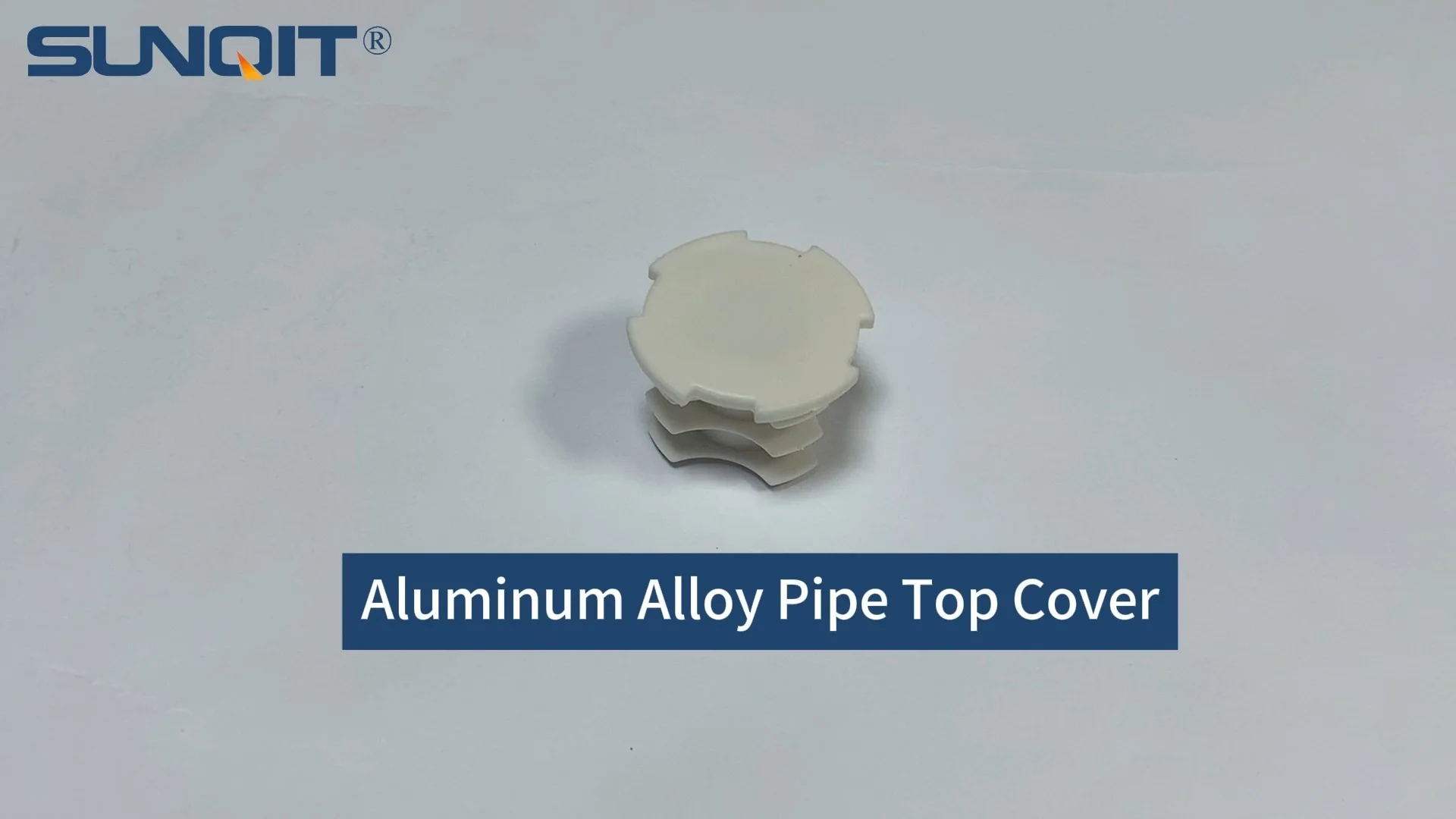
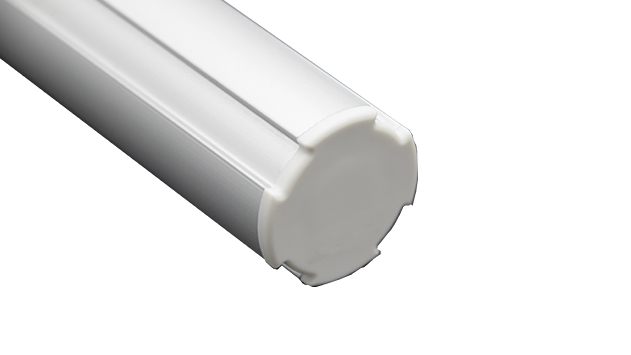
Plastic pipe cover to cover dia 28MM aluminum pipe end at workbench, flow rack, to prevent metal surface scratch material or worker.
In the bustling world of manufacturing and industrial setups, every component plays a quiet but critical role in keeping operations running smoothly. From the largest conveyor belts to the smallest connectors, each part has a job to do—and when it comes to lean pipe systems, workbenches, and material handling setups, plastic pipe covers are unsung heroes. These unassuming components protect pipes, reduce friction, guide materials, and even contribute to workplace safety. But here's the thing: not all plastic pipe covers are created equal, especially when it comes to handling temperature extremes. Whether your facility bakes under summer heat, chills in cold storage, or faces fluctuating climates, understanding how different plastic materials stand up to temperature can save you from costly breakdowns, replacements, and workflow disruptions. Let's dive into the world of plastic pipe cover temperature resistance, break down the key materials, and help you choose the right one for your needs.
Why Temperature Resistance Matters for Plastic Pipe Covers
Think about a typical day on your factory floor. Maybe you're using a lean pipe workbench to assemble electronics, or a conveyor system with plastic roller track guide rail yellow to move parts between stations. Now, imagine the temperature in that space. If it's a hot summer day, the metal pipes under those plastic covers might absorb heat, causing the plastic to soften. If it's a cold winter morning, that same plastic might become brittle, cracking when parts slide over it. In extreme cases, like a food processing plant with near-freezing coolers or a foundry with ambient heat, the wrong plastic cover could fail entirely—jamming conveyors, damaging products, or even creating safety hazards.
Temperature resistance isn't just about surviving heat or cold; it's about maintaining performance. A plastic cover that warps under heat might slow down material flow on a roller track. One that cracks in the cold could leave sharp edges, risking cuts to workers or snags in products. And over time, repeated exposure to temperature extremes can degrade the plastic, shortening its lifespan and forcing you to replace parts more often than necessary. So, whether you're setting up a new lean system or upgrading an existing one, knowing which plastic materials can handle your facility's temperature range is key to keeping things running efficiently.
What Determines a Plastic Pipe Cover's Temperature Resistance?
Before we jump into specific materials, let's talk about what makes some plastics better at handling temperature than others. It all comes down to their molecular structure and the additives used during manufacturing. Plastics are made of long chains of molecules (polymers), and how these chains are arranged and bonded affects their strength, flexibility, and resistance to heat. For example, plastics with tightly packed, cross-linked molecules (like some types of polyethylene) tend to hold up better under heat than those with loose, linear chains.
Additives also play a big role. Manufacturers might mix in stabilizers to prevent oxidation (which breaks down polymers when exposed to heat), plasticizers to keep the material flexible in cold temperatures, or UV inhibitors if the covers will be used outdoors. Thickness matters too—a thicker pipe cover might insulate better, but it could also trap heat, so there's a balance to strike. And don't forget exposure time: a plastic that can handle 60°C for an hour might fail if left at that temperature for a week. All these factors combine to determine a plastic pipe cover's "operating temperature range"—the sweet spot where it performs reliably without degrading.
Common Plastic Materials and Their Temperature Ranges
Now, let's get into the specifics. There are several plastics commonly used for pipe covers, each with its own strengths and weaknesses when it comes to temperature. Let's break them down one by one, so you can see which might be the best fit for your setup.
1. Polyethylene (PE) – The Everyday Workhorse
Chances are, you've encountered polyethylene (PE) in some form—it's the plastic used in everything from grocery bags to water bottles, and it's a staple in industrial pipe covers too. You might see it referred to as "PE coated lean pipe" (like the 1.2mm or 1.5mm PE coated options often used in lean systems). PE comes in two main types: low-density (LDPE) and high-density (HDPE). LDPE is softer and more flexible, while HDPE is sturdier and more rigid.
When it comes to temperature, PE is a solid all-rounder for moderate conditions. LDPE typically handles temperatures from around -40°C to 60°C (-40°F to 140°F), while HDPE can go a bit higher, up to 80°C (176°F). That makes it great for indoor factories with controlled climates, or outdoor setups in mild weather. You'll often find PE pipe covers on lean pipe workbenches or basic conveyor systems, where they provide a smooth, low-friction surface for materials to slide over. The downside? PE can soften at higher temperatures, so if your facility regularly hits 90°C or more, it might start to warp. And while it's resistant to cold, very low temperatures can make it a bit brittle—though not as much as some other plastics.
2. Polyvinyl Chloride (PVC) – Stiff but Sensitive to Heat
PVC is another common plastic, known for its rigidity and chemical resistance. It's often used in rigid pipe covers or as a coating for metal pipes. Unlike PE, PVC can be rigid or flexible (flexible PVC has plasticizers added to make it bendable), but even flexible PVC has its limits when it comes to temperature.
Rigid PVC typically has a temperature range of 0°C to 60°C (32°F to 140°F), while flexible PVC can go a bit lower, down to -10°C (14°F), but still tops out around 60°C. The big issue with PVC is heat—expose it to temperatures above 60°C for too long, and it can start to release harmful fumes and soften, losing its shape. On the flip side, cold temperatures can make rigid PVC brittle; you might notice it cracking if it's hit or bent in freezing conditions. PVC is a good choice if you need chemical resistance (it holds up well to oils and solvents) and work in a climate-controlled space, but it's not ideal for extreme heat or cold.
3. Polypropylene (PP) – Heat Resistant and Chemical Tough
If your facility deals with higher temperatures, polypropylene (PP) might be the way to go. PP is stiffer than PE and has a higher melting point, making it a favorite for applications where heat is a concern. It's also highly resistant to chemicals, which is why you'll find it in labs and chemical processing plants.
PP's temperature range is impressive: it can handle continuous use from around -20°C to 100°C (-4°F to 212°F), and some grades can even go up to 120°C (248°F) for short periods. That makes it a great choice for factories with hot processes, like automotive manufacturing or food packaging lines where ovens or heat sealers are nearby. The tradeoff? PP is less flexible than PE, especially in cold temperatures. At -20°C, it can become quite rigid, so if you need something that bends easily in the cold, PP might not be your best bet. But for high-heat, low-flex situations, it's hard to beat.
4. Polyamide (Nylon) – The High-Temp Specialist
When temperatures really start to climb, polyamide (better known as nylon) steps in. Nylon is a tough, durable plastic that's often used in parts that need to withstand friction and heat, like gears or bearings—and yes, pipe covers too. It's more expensive than PE or PP, but its performance in extreme conditions makes it worth the investment for certain setups.
Nylon can handle temperatures from around -40°C to 120°C (-40°F to 248°F), and some reinforced grades (like nylon with glass fiber) can go even higher, up to 150°C (302°F). It's also strong and abrasion-resistant, so it holds up well to heavy use. The downside? Nylon absorbs moisture, which can affect its dimensions and flexibility over time. It's also stiffer than PE, so it's not the best choice if you need a lot of bend. But if you're dealing with high heat and heavy loads—like in a foundry or a factory with industrial ovens—nylon pipe covers are a solid investment.
5. Polyvinylidene Fluoride (PVDF) – For the Most Extreme Conditions
If you're in a truly extreme environment—think chemical plants, semiconductor manufacturing, or outdoor setups with intense UV exposure—you might need something like polyvinylidene fluoride (PVDF). PVDF is a high-performance plastic that's resistant to heat, chemicals, and UV radiation. It's not common in everyday lean systems, but it's indispensable for specialized applications.
PVDF can handle temperatures from -40°C to 150°C (-40°F to 302°F) continuously, and even higher for short periods. It's also non-flammable and doesn't release toxic fumes when exposed to heat, which is crucial in sensitive industries. But all that performance comes with a price tag—PVDF is significantly more expensive than other plastics, so it's usually only used when nothing else will do.

How Temperature Resistance Affects Real-World Applications
Let's put this all into context with some real-world examples. Imagine you're running a electronics assembly line with a lean pipe workbench and a conveyor system using plastic roller track guide rail yellow to move circuit boards. The factory is air-conditioned, so temperatures stay between 20°C and 30°C (68°F to 86°F). In this case, PE pipe covers would work perfectly—they're affordable, flexible, and well within their temperature range. The yellow guide rails, likely made of PE or PP, would glide smoothly, and you'd have no issues with warping or cracking.
Now, say you're in a food processing plant where part of the line goes through a cold storage room at 5°C (41°F) and another part is near a packaging sealer that emits heat up to 80°C (176°F). Here, PE might struggle near the sealer, as 80°C is right at the upper limit for HDPE. PP would be a better choice here—it can handle the 80°C heat without softening and stays rigid but not brittle in the cold storage. You might switch to plastic roller track guide rail grey (a common color for PP rails) to match the cooler environment, and rest easy knowing the material can handle the temperature swings.
Or consider a foundry where molten metal is moved around, and ambient temperatures often hit 100°C (212°F). PE and PVC would melt here, so you'd need nylon or even PVDF pipe covers. The initial cost is higher, but replacing melted covers every week would be far more expensive in the long run. In this case, the investment in high-temperature plastic saves you time, money, and headaches.

Choosing the Right Plastic Pipe Cover for Your Needs
So, how do you pick the right plastic pipe cover for your specific setup? Start by asking yourself these questions:
- What's the typical temperature range in your facility? Measure the highs and lows throughout the year, including any localized hot spots (like near ovens) or cold zones (like freezers).
- How long will the pipe covers be exposed to extreme temperatures? A short burst of heat is easier to handle than continuous exposure.
- What other conditions will they face? Are there chemicals, oils, or UV light? PE is great for oils, PP for chemicals, and PVDF for UV.
- How much flexibility do you need? If the pipe covers need to bend (like on a curved conveyor), PE or flexible PVC might be better than rigid PP or nylon.
- What's your budget? Balance performance with cost—don't overspend on PVDF if PE works for your temps.
To make it easier, here's a quick comparison table of the most common materials:
| Material | Temperature Range (°C) | Best For | Pros | Cons |
|---|---|---|---|---|
| PE (HDPE) | -40 to 80 | Moderate temps, indoor setups, lean pipes | Affordable, flexible, oil-resistant | Softens above 80°C, less rigid |
| PP | -20 to 100 | High heat, chemical exposure | Heat-resistant, chemical-tough | Stiff in cold, less flexible |
| Nylon | -40 to 120 | Extreme heat, heavy loads | High temp range, abrasion-resistant | Absorbs moisture, expensive |
| PVC (Rigid) | 0 to 60 | Chemical resistance, rigid setups | Stiff, chemical-resistant | Brittle in cold, softens above 60°C |
Maintaining Your Plastic Pipe Covers in Extreme Temperatures
Even the best plastic pipe covers need a little care to last. Here are some tips to extend their lifespan, especially in temperature extremes:
- Clean them regularly: Dirt and debris can trap heat, making the plastic degrade faster. Wipe down PE or PP covers with a mild detergent; avoid harsh chemicals that might react with the plastic.
- Inspect for signs of damage: Look for cracks (a sign of cold brittleness), warping (heat damage), or discoloration (UV exposure). replace damaged covers promptly to avoid jams or safety risks.
- Provide shade for outdoor setups: If your pipe covers are outside, UV rays can break down plastics over time. Use awnings or covers to shield them from direct sunlight.
- Insulate hot pipes: If you're using pipe covers on hot metal pipes, add insulation between the pipe and the cover to reduce heat transfer.
- Choose the right thickness: Thicker covers might offer more insulation, but make sure they don't restrict movement or trap too much heat.
Final Thoughts: Temperature Resistance as a Foundation for Efficiency
Plastic pipe covers might seem like small parts in the grand scheme of your industrial setup, but their temperature resistance can have a big impact on efficiency, safety, and costs. Whether you're using plastic roller track guide rail yellow on a conveyor, PE coated lean pipe on a workbench, or nylon covers in a high-heat environment, choosing the right material for your temperature range ensures smooth operations and long-lasting performance.
Remember, it's not just about picking the "best" material—it's about picking the best material for your needs. Take the time to measure your facility's temperatures, consider other environmental factors, and balance performance with budget. With the right plastic pipe covers, you'll keep your lean system running smoothly, no matter what the thermometer says.