- Company Articles
- Products and Technology
- Product knowledge
- Plastic Pipe Cover Thickness Guide: Choosing the Right Durability Level

Plastic Pipe Cover Thickness Guide: Choosing the Right Durability Level
Related Product
Plastic Pipe Cover
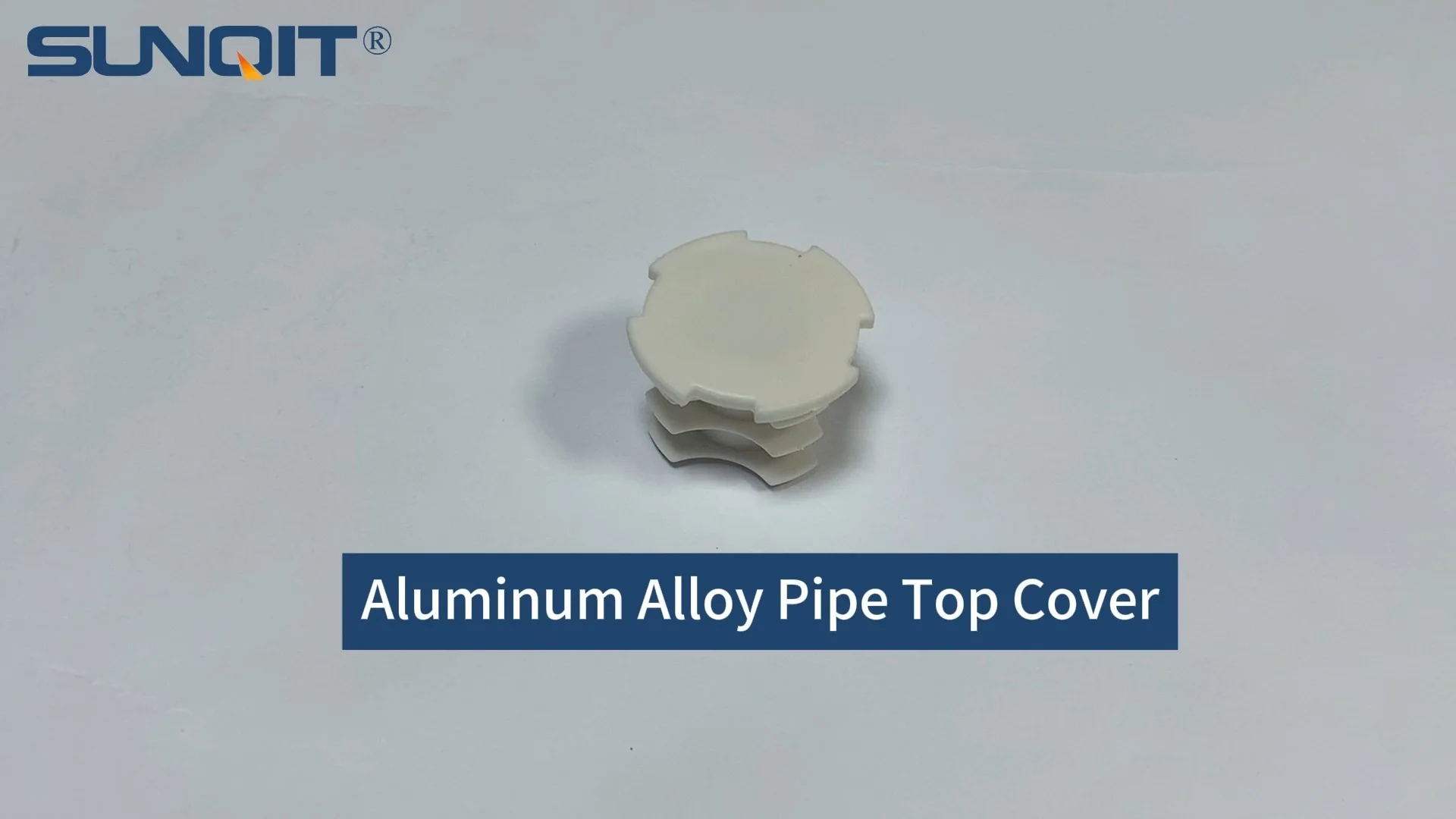
Plastic pipe cover to cover dia 28MM aluminum pipe end at workbench, flow rack, to prevent metal surface scratch material or worker.
A practical overview for industrial and manufacturing professionals
Introduction: The Unsung Hero of Pipe Protection
Walk through any manufacturing plant, warehouse, or assembly facility, and you'll notice a silent workhorse holding everything together: pipes. From supporting lean pipe workbenches to forming the backbone of material racks and conveyor systems, pipes are the unsung infrastructure of modern production. But like any hardworking component, they need protection. Enter plastic pipe covers—simple yet critical accessories that shield pipes from damage, extend their lifespan, and keep operations running smoothly.
At first glance, a plastic pipe cover might seem like a trivial item. After all, it's just a sleeve or cap made of plastic, right? But anyone who's dealt with a cracked pipe, a corroded joint, or a workbench that wobbles due to pipe wear knows better. The thickness of these covers isn't a random choice; it's a carefully calculated decision that directly impacts durability, cost-effectiveness, and long-term performance. Choose too thin, and you'll be replacing covers (and pipes) frequently. Choose too thick, and you're overspending on material you don't need. This guide breaks down everything you need to know about plastic pipe cover thickness, helping you select the right level for your specific application.
What Are Plastic Pipe Covers, and Why Do They Matter?
Plastic pipe covers are protective sleeves, caps, or (guide rails) designed to fit over the exterior or ends of pipes. Made from materials like PVC, polyethylene, or polypropylene, they serve three primary purposes: physical protection, environmental insulation, and aesthetic uniformity. In industrial settings, where lean pipe systems are ubiquitous, these covers play an even more critical role. A lean pipe —typically a steel or aluminum tube used in lean manufacturing setups—relies on stability and structural integrity to support workbenches, trolleys, and tool racks. Without a cover, the pipe's surface is exposed to scratches, dents, moisture, and chemical spills, all of which degrade its strength over time.
Consider the plastic pipe end cap , a common type of cover. Found on the ends of exposed pipes, these caps prevent debris from entering the pipe, protect workers from sharp edges, and reduce corrosion by blocking moisture. In a busy facility, where carts bump against pipes and tools are frequently leaned against workbench frames, a flimsy end cap can crack or dislodge in weeks. A thicker, more durable cap, however, can withstand daily impacts, ensuring the pipe remains intact and functional for years.
But plastic pipe covers aren't just about protection. They also contribute to efficiency. For example, smooth, well-protected pipes reduce friction when moving materials, making workflows faster. In cleanroom environments, they prevent dust buildup on pipes, maintaining compliance with hygiene standards. Even in terms of cost, investing in the right thickness cover upfront saves money by reducing pipe replacement costs and minimizing downtime caused by repairs.
Why Thickness Is the Key to Durability
When it comes to plastic pipe covers, thickness is the single most important factor determining durability. Thickness directly affects a cover's ability to absorb impact, resist abrasion, and withstand environmental stressors. Let's break down why this matters:
Impact Resistance: In high-traffic areas—think forklift zones or assembly lines where workers move quickly—pipes are constantly at risk of being bumped by carts, tools, or machinery. A thicker cover acts as a shock absorber. For instance, a 1.5mm thick cover will dent or flex under impact, dissipating force before it reaches the pipe, while a 0.5mm cover might crack on the first hard hit.
Abrasion Resistance: Pipes used in material handling systems, such as those alongside roller tracks, rub against other surfaces daily. Over time, this friction wears down thin covers, exposing the pipe to rust or scratches. Thicker covers, with their extra material, stand up to this wear and tear, maintaining their protective barrier longer.
Environmental Resilience: Pipes in outdoor or damp environments face moisture, UV rays, and temperature fluctuations. Thicker plastic covers are often made with more robust additives (like UV stabilizers) and have a lower surface area-to-volume ratio, reducing the risk of cracking due to expansion or contraction. In chemical-prone areas, a thicker cover also provides a deeper barrier against spills, preventing corrosive substances from reaching the pipe.
Structural Support: Some covers, like those used on lean pipe workbenches , don't just protect—they reinforce. Thicker covers add rigidity to the pipe, reducing flexing under heavy loads. This is especially important for workbenches holding expensive equipment or materials, where stability is non-negotiable.

Factors to Consider When Choosing Thickness
Selecting the right thickness isn't a one-size-fits-all process. It depends on a mix of environmental, operational, and structural factors. Here's what to evaluate before making a decision:
1. Application Environment
Start by assessing where the pipe will be used. Indoor, climate-controlled environments (like electronics assembly cleanrooms) are gentler on covers, as they avoid extreme temperatures, moisture, and UV exposure. In these settings, a thinner cover (0.8–1.0mm) may suffice. Outdoor or unconditioned spaces, however, demand thicker covers (1.5mm or more) to withstand rain, snow, and direct sunlight.
Chemical exposure is another critical factor. If the pipe is near areas where oils, solvents, or cleaning agents are used, opt for a thicker, chemical-resistant cover (often made of polyethylene) to prevent degradation. Similarly, in food processing facilities, where frequent washdowns occur, a thicker cover with sealed edges reduces the risk of water seeping into the pipe.
2. Pipe Type and Usage
The type of pipe you're protecting matters too. Lean pipe systems, which are often lightweight and modular, require covers that balance protection with flexibility. A 1.0–1.2mm cover works well here, as it's thick enough to resist dents but not so rigid that it hinders the pipe's ability to be reconfigured. Heavier pipes, like those used in structural supports, may need thicker covers (1.5mm+) to match their load-bearing demands.
How the pipe is used also plays a role. Pipes that are stationary (e.g., supporting a fixed workbench) face less wear than those in dynamic systems (e.g., adjustable racks or mobile trolleys). For moving pipes, a thicker cover reduces the risk of damage from constant repositioning.
3. Mechanical Stress
Estimate the level of mechanical stress the cover will endure. High-stress areas include:
- High-traffic zones: Areas with frequent foot traffic, carts, or forklifts (e.g., warehouse aisles).
- Impact-prone spots: Corners, entryways, or near machinery where accidental bumps are common.
- Load-bearing points: Pipes that support heavy items, like shelves or workbenches with tools.
In these cases, prioritize thicker covers (1.2mm+). For low-stress areas—such as pipes in office settings or decorative installations—a thinner cover (0.5–0.8mm) may be adequate and more cost-effective.
4. Cost vs. Longevity
Thicker covers cost more upfront, but they often save money in the long run by reducing replacement frequency. For example, a 1.5mm cover that lasts 5 years may be cheaper over time than a 0.8mm cover that needs replacement every 1–2 years. Calculate the total cost of ownership (initial cost + replacement cost + labor for installation) to find the sweet spot.

Common Thickness Levels and Their Ideal Uses
Plastic pipe covers come in a range of thicknesses, each tailored to specific needs. Below is a breakdown of the most common options and where they perform best:
0.5–0.8mm: Light-Duty Protection
The thinnest option, 0.5–0.8mm covers are lightweight, flexible, and budget-friendly. They're best suited for indoor, low-stress applications where pipes face minimal impact or abrasion. Examples include:
- Decorative pipe covers in office spaces or retail displays.
- Temporary protection for lean pipe setups during equipment installation or maintenance.
- End caps for pipes in cleanrooms with strict weight restrictions (thinner covers add less mass).
Limitations: These covers are prone to tearing under heavy impact and may degrade quickly in high-friction areas. Avoid using them outdoors or in zones with frequent cart traffic.
1.0–1.2mm: General Industrial Use
The workhorse of plastic pipe covers, 1.0–1.2mm thickness strikes a balance between durability and cost. It's the go-to choice for most indoor industrial applications, including:
- Lean pipe workbenches in electronics, automotive, or light manufacturing.
- Material racks and shelving in warehouses with moderate traffic.
- Indoor conveyor systems and roller tracks (paired with plastic pipe end caps to seal exposed ends).
Advantages: This thickness resists minor impacts, withstands regular cleaning, and fits snugly on standard lean pipe diameters (28mm, 30mm). It's also easy to cut and install, making it ideal for custom setups.
1.5–2.0mm: Heavy-Duty and High-Traffic Areas
For environments where pipes face constant wear, 1.5–2.0mm covers are the gold standard. They're thicker, more rigid, and built to handle abuse. Common applications include:
- Warehouse aisles with forklift or pallet jack traffic (covers protect pipes from accidental collisions).
- Outdoor lean pipe structures (e.g., loading docks, outdoor material racks) exposed to rain and UV rays.
- Heavy-duty workbenches holding machinery or tools weighing 50kg+.
- Chemical processing areas (thicker material resists spills from oils, coolants, or cleaning agents).
Considerations: These covers are heavier and may require more force to install. They also cost 30–50% more than 1.0mm covers, so reserve them for high-stress zones to avoid overspending.
2.0mm+: Extreme Conditions
The thickest option, 2.0mm+ covers are reserved for the toughest environments. Made from reinforced plastic (often with fiberglass or impact modifiers), they're designed for:
- Mining or construction sites, where pipes face heavy machinery impacts and debris.
- Offshore or marine environments (resistant to saltwater corrosion).
- High-temperature zones (e.g., near furnaces or ovens), where thicker plastic retains structural integrity.
Note: These covers are specialized and rarely needed in standard manufacturing settings. Consult with a lean pipe supplier to ensure compatibility with your pipe system before investing.
Comparison Table: Thickness Levels at a Glance
| Thickness Range | Ideal Application | Durability Rating (1–5) | Cost (Relative) | Key Advantages | Limitations |
|---|---|---|---|---|---|
| 0.5–0.8mm | Light-duty indoor, decorative, temporary protection | 2/5 | Low | Budget-friendly, lightweight, easy to install | Poor impact/abrasion resistance; not for outdoor use |
| 1.0–1.2mm | General industrial (lean pipe workbenches, material racks) | 4/5 | Moderate | Balances durability and cost; resists minor impacts | Not ideal for heavy machinery zones or outdoor exposure |
| 1.5–2.0mm | Heavy-duty indoor/outdoor, high-traffic, chemical exposure | 5/5 | High | Withstands impacts, UV, and chemicals; long lifespan | Heavier, more expensive, harder to install |
| 2.0mm+ | Extreme conditions (mining, marine, high temps) | 5/5 | Very High | Reinforced for maximum resilience | Overkill for most industrial settings; limited compatibility |
Real-World Example: Solving a Workbench Wear Problem
To illustrate how thickness impacts performance, let's look at a case study from a mid-sized electronics manufacturer. The company operated 20 lean pipe workbenches in its assembly line, each using 0.8mm thick plastic end caps to protect pipe ends. After six months, workers reported frequent cracks in the end caps, with sharp edges exposing the steel pipes underneath. This led to two issues: (scratches) on sensitive circuit boards and increased pipe rust, requiring workbench replacements every 12–18 months.
The manufacturer consulted with their lean pipe supplier , who recommended upgrading to 1.2mm thick end caps. The switch was gradual—five workbenches were outfitted with the thicker caps first, while the rest kept the 0.8mm version as a control. After one year, the results were clear: the 1.2mm caps showed minimal wear, with zero cracks. The control group, however, had a 70% crack rate, leading to ongoing maintenance costs.
The manufacturer rolled out 1.2mm caps across all workbenches, and within two years, they saw a 60% reduction in pipe replacements and a 40% drop in circuit board scratches. The upfront cost of the thicker caps was offset by savings in repairs and downtime, proving that choosing the right thickness isn't just about protection—it's about long-term efficiency.
How to Source Quality Covers: Tips for Working with Suppliers
Even the best thickness choice won't matter if the cover itself is poorly made. To ensure you're getting durable, reliable products, partner with a reputable lean pipe supplier or plastic component specialist. Here's what to look for:
Material Quality: Ask about the plastic type (PVC, polyethylene, etc.) and additives. High-quality covers include UV stabilizers, impact modifiers, and chemical resistance enhancers. Avoid suppliers who use recycled plastic without testing, as it may have inconsistent thickness and strength.
Consistency in Thickness: Inconsistent thickness (even within a single batch) leads to weak spots. Reputable suppliers use calibrated extrusion equipment to ensure uniform thickness across all covers.
Customization Options: Your lean pipe system may have non-standard diameters or shapes. A good supplier should offer custom-cut covers or specialized designs (like tapered end caps for unique pipe ends).
Testing Certifications: Look for covers tested to industry standards (e.g., ISO for impact resistance, ASTM for UV stability). Certifications provide third-party validation of durability claims.
Conclusion: Invest in Thickness, Invest in Longevity
Plastic pipe covers may seem like small components, but their thickness has a big impact on the durability and efficiency of your pipe systems. Whether you're outfitting a lean pipe workbench , protecting outdoor material racks, or sealing ends with plastic pipe end caps , choosing the right thickness ensures your pipes stay protected, your operations run smoothly, and your budget stays intact.
Remember: Thinner isn't always cheaper, and thicker isn't always better. Evaluate your environment, stress levels, and long-term goals, then use this guide to match thickness to need. And when in doubt, consult with a trusted lean pipe supplier —their expertise can help you avoid costly mistakes and find the perfect balance of protection and value.
In the end, the right plastic pipe cover thickness is more than a purchase—it's an investment in the reliability of your facility. Choose wisely, and your pipes (and your bottom line) will thank you.