- Company Articles
- Products and Technology
- Product knowledge
- Plastic Pipe Cover Thickness vs Durability: Finding the Right Balance

Plastic Pipe Cover Thickness vs Durability: Finding the Right Balance
Related Product
Plastic Pipe Cover
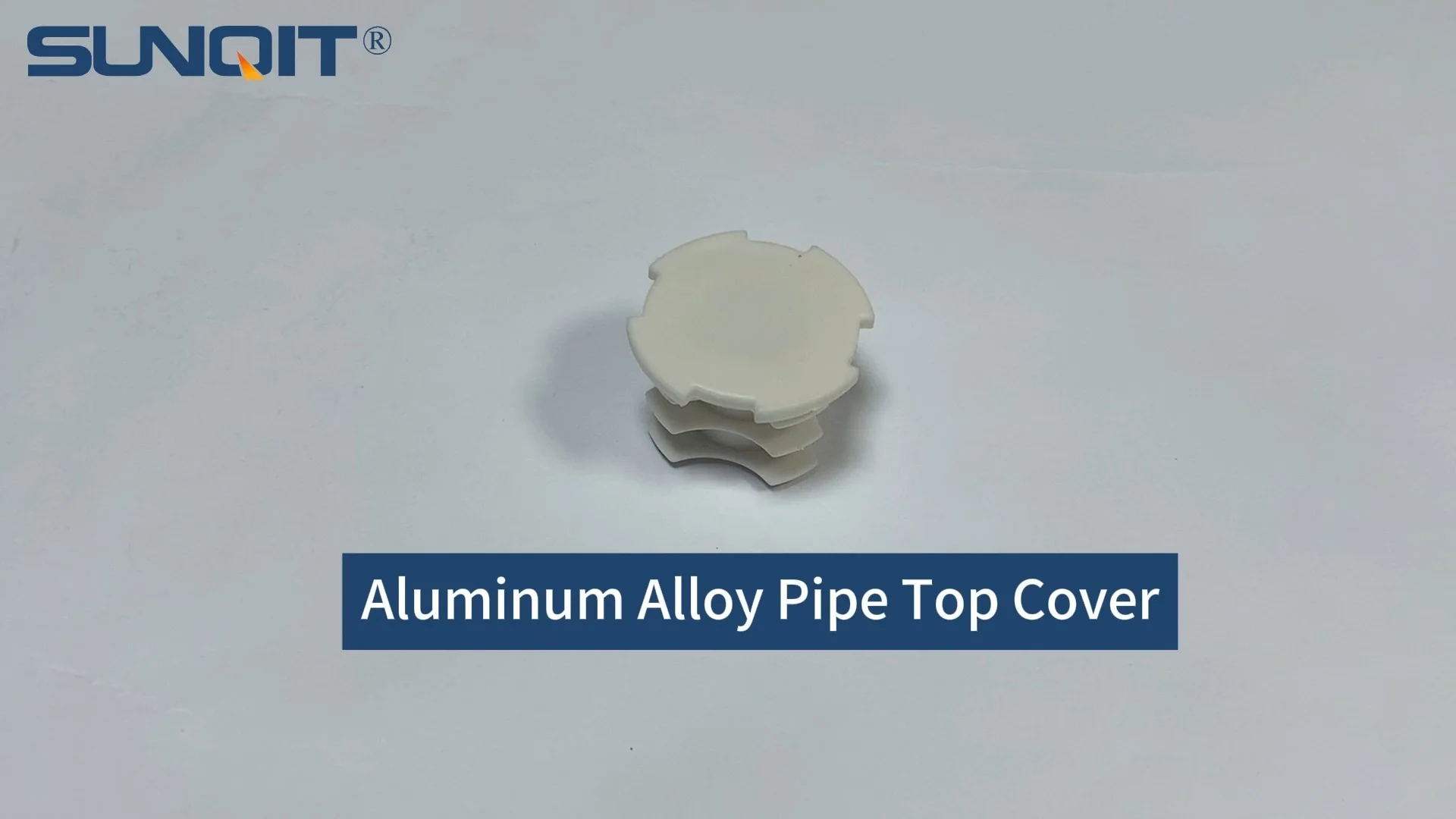
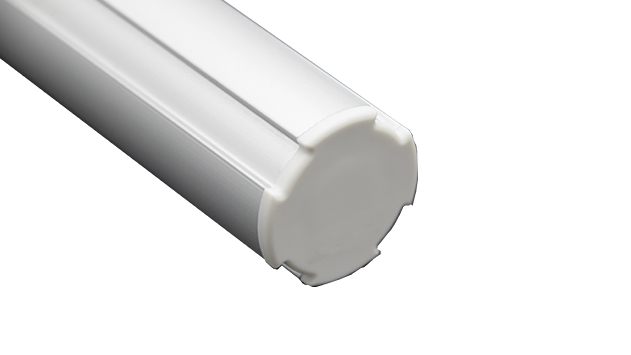
Plastic pipe cover to cover dia 28MM aluminum pipe end at workbench, flow rack, to prevent metal surface scratch material or worker.
Walk through any busy factory, warehouse, or production line, and you'll notice the unsung heroes keeping operations running smoothly: the humble pipes, rails, and workbenches that form the backbone of daily workflows. But if you look closer—really closely—you'll spot something even more critical: the plastic pipe covers snaking along those structures. These small, often overlooked sleeves might seem trivial, but they're the silent guardians of efficiency. They protect metal pipes from scratches, reduce noise as materials glide across roller tracks, and even prevent snags that could slow down an entire assembly line. Here's the thing, though: not all plastic pipe covers are created equal. The thickness of these covers isn't just a number on a spec sheet—it's a balancing act between durability, functionality, and cost. Choose too thin, and you'll be replacing them every few months; go too thick, and you might add unnecessary weight or restrict movement. So, how do you find that sweet spot? Let's dive in.
First Things First: What Even Are Plastic Pipe Covers?
Before we get into thickness and durability, let's make sure we're on the same page. Plastic pipe covers are protective sleeves, usually made from PVC, polyethylene, or other durable plastics, designed to fit over metal pipes—think lean pipes, aluminum pipes, or the rails on a flow rack. Their job? To shield the underlying pipe from wear and tear, whether that's from constant friction with roller track guide rails, accidental bumps from turnover trolleys, or exposure to oils and coolants on the factory floor. They also act as a buffer: a pipe without a cover might scratch delicate components sliding across a workbench, or create a harsh, grating noise every time a roller ball moves. In short, these covers turn raw metal into a smooth, quiet, and safe surface.
But here's where it gets interesting: not all covers are used in the same way. A cover on a static workbench leg (like the workbench e (single deck-without caster) ) has a totally different job than one on a high-speed roller track guiding parts through an assembly line. The former might only need to withstand occasional knocks, while the latter is getting rubbed, pushed, and prodded hundreds—if not thousands—of times a day. That's why thickness matters. It's not just about "how tough" the cover is; it's about matching that toughness to the demands of the job.
What Influences a Plastic Pipe Cover's Thickness?
If you've ever ordered replacement parts for your facility, you've probably seen options like "0.5mm," "1.0mm," or "2.0mm" thickness for plastic covers. But how do manufacturers decide which thickness to offer? It all comes down to three key factors:
1. The Material Itself
Not all plastics are created equal. A soft, flexible polyethylene cover might need to be thicker to match the durability of a rigid PVC cover. For example, a 1.5mm PVC cover could be just as tough as a 2.0mm polyethylene one, thanks to PVC's higher density and resistance to abrasion. That's why you'll often see suppliers list both thickness and material type—they go hand in hand.
2. The Environment It's In
Is the cover going to be in a cool, dry warehouse, or a hot, humid factory with exposure to chemicals? Extreme temperatures can make plastic brittle (too cold) or soft (too hot), so covers in harsh environments often need extra thickness to maintain their shape. Similarly, if the cover is near oils or solvents, a thicker layer can act as a better barrier against degradation.
3. The Amount of Wear and Tear
This is the big one. A cover on a material rack b (3 row and 3 floor) that holds static inventory might only need minimal thickness—maybe 0.5mm. But a cover on a roller track that's constantly sliding heavy components? That's a different story. Every time a swivel roller ball 1 inch glides over the cover, or a worker pushes a turnover trolley into the pipe, that's friction and impact wearing it down. More movement = more need for thickness.
Thicker = Better? Not Always.
It's easy to think, "If a little thickness is good, a lot must be better." But that's a common mistake. Let's say you're setting up a new roller track system for small electronic parts. You opt for the thickest plastic cover available—2.0mm—assuming it will last forever. But here's what might happen: the extra thickness adds weight to the track, making it harder for the roller track placon mount for rail connection to support it. Over time, the added weight could bend the rails slightly, leading to jams as parts get stuck. Or, the cover might be so rigid that it doesn't flex with the natural movement of the lean pipe joint connections, causing cracks at the seams. Suddenly, that "durable" thick cover is causing more problems than it solves.
On the flip side, if you go too thin—say 0.5mm for a high-traffic roller track—you'll start noticing issues within months. The cover will wear thin at the edges, exposing the metal pipe underneath. Then, parts sliding across the track will scratch the pipe, leading to rust, and the rough metal will start tearing the covers even faster. Before you know it, you're replacing covers every few weeks, wasting time and money.
The sweet spot? It's about matching thickness to the specific stress points of the application. Let's take a real-world example: plastic roller track guide rail yellow vs. plastic roller track guide rail grey . These are two common options from suppliers, and their thicknesses tell a story.

Case Study: Yellow vs. Grey Guide Rails—A Tale of Thickness
Let's head to a mid-sized electronics factory that assembles circuit boards. They recently expanded their production line and needed to add two new roller tracks: one for moving small, lightweight components (resistors, capacitors) and another for heavier circuit board assemblies.
For the lightweight track, they chose plastic roller track guide rail yellow , which their supplier recommended as "standard duty." It had a thickness of 1.0mm, made from flexible polyethylene. For the heavy-duty track, they went with plastic roller track guide rail grey , labeled "heavy duty" at 1.5mm thick, made from rigid PVC.
Six months later, here's what they found: The yellow guide rails were holding up perfectly. The lightweight components glided smoothly, and there was barely any visible wear. The grey rails? Also performing well, but with a twist—they noticed the heavier assemblies were slightly slower to move, thanks to the stiffer PVC. Was the extra thickness necessary? For the heavy parts, yes—without it, the constant impact would have worn through a thinner cover. But for the light parts, the yellow rails were more than enough, and their flexibility made movement easier.
This is the balance we're talking about: thickness that matches the load, not just exceeds it.

A Closer Look: Thickness in Action
To really understand how thickness impacts durability, let's break down some common applications and the ideal thickness for each:
Workbenches and Static Structures
A workbench e (single deck-without caster) that's used for manual assembly doesn't see a lot of sliding or impact. The pipes here are mostly for support, so a thin cover—0.5mm to 1.0mm—is usually enough. It protects the pipe from scratches when tools are set down, but doesn't add unnecessary bulk.
Flow Racks and Material Racks
A material rack b (3 row and 3 floor) that holds boxes or bins might have some movement when items are loaded or unloaded, but it's not constant. A 1.0mm to 1.2mm cover works here—thick enough to handle occasional bumps, but not so thick that it makes the rack harder to assemble (since covers can add friction when connecting lean pipe joint pieces).
High-Traffic Roller Tracks
This is where thickness shines. Roller tracks with swivel roller balls 1 inch or steel wheels need covers that can withstand constant friction. For medium loads (5-10kg per item), 1.2mm to 1.5mm is ideal. For heavy loads (10kg+), 1.5mm to 2.0mm is better. And if the track is used 24/7? Go with the higher end of that range—you'll save on replacements down the line.
ESD-Protected Areas
In electronics manufacturing, ESD (electrostatic discharge) workbenches and tracks need covers that not only protect pipes but also dissipate static. These covers are often slightly thicker (1.5mm+) because the ESD additives can make the plastic a bit less durable. The extra thickness ensures they last while maintaining their ESD properties.
The Trade-Offs: Cost vs. Longevity
Let's talk money. Thicker covers cost more upfront. A 2.0mm cover might be 30-50% pricier than a 1.0mm one. But here's the catch: thinner covers need to be replaced more often. So, which is better: paying more now for a cover that lasts 3 years, or less now for one that lasts 6 months?
It depends on your workflow. If downtime is costly—say, a production line that stops when a cover tears—investing in thicker covers is a no-brainer. But if you're a small workshop with low traffic, thinner covers might be more budget-friendly. The key is to calculate the "cost per year" of each option. For example:
- 1.0mm cover: $1 per foot, lasts 6 months → $2 per foot per year.
- 1.5mm cover: $1.50 per foot, lasts 2 years → $0.75 per foot per year.
Suddenly, the thicker cover is cheaper in the long run. That's why many factories opt for "medium-thick" covers (1.2mm-1.5mm) as a default—they strike a balance between upfront cost and longevity.
Comparing the Options: Yellow vs. Grey Guide Rails
To put all this into perspective, let's create a side-by-side comparison of the two most common roller track guide rails: yellow (standard) and grey (heavy-duty). This table breaks down their thickness, durability, and ideal uses:
| Feature | Plastic Roller Track Guide Rail Yellow (Standard) | Plastic Roller Track Guide Rail Grey (Heavy-Duty) |
|---|---|---|
| Typical Thickness | 1.0mm - 1.2mm | 1.5mm - 2.0mm |
| Material | Flexible polyethylene | Rigid PVC |
| Abrasion Resistance | Good for light to medium loads | Excellent for heavy loads |
| Flexibility | High (easier movement of parts) | Low (stiffer, slower movement) |
| Ideal Application | Light components (electronics, small parts) | Heavy components (machinery parts, large assemblies) |
| Estimated Lifespan (High Traffic) | 1-2 years | 2-3 years |
| Cost (Per Foot) | $0.80 - $1.20 | $1.50 - $2.00 |
How to Choose the Right Thickness for Your Needs
So, you're standing in front of a catalog, staring at a list of plastic pipe covers with thicknesses ranging from 0.5mm to 2.0mm. How do you pick? Here's a step-by-step guide:
1. Identify the Load
What's going to be moving over or around the cover? A 5kg box? A 50kg machine part? The heavier the load, the thicker the cover needs to be.
2. Estimate the Frequency of Movement
Is it once an hour, or once a minute? High-frequency movement means more friction, so bump up the thickness.
3. Check the Environment
Hot, cold, wet, or chemical-exposed? Add 0.2mm-0.5mm to your initial thickness estimate to account for environmental stress.
4. Talk to Your Supplier
Reputable lean pipe supplier or roller track supplier teams have seen it all. They can recommend thicknesses based on your specific setup—whether it's a workbench , a flow rack, or a custom conveyor system.
5. Test It Out
If you're unsure, order a small batch of two thicknesses and test them side by side. Run your typical workload over them for a month and see which holds up better. It's a small investment to avoid costly mistakes.
Final Thoughts: The Balance is in the Details
Plastic pipe covers might not be the most glamorous part of your facility, but they're a critical one. Getting the thickness right isn't just about durability—it's about efficiency, cost, and even worker satisfaction. A cover that's too thin leads to constant replacements and downtime; too thick adds unnecessary weight and slows down workflows. The key is to match the thickness to the job: flexible and thin for light, frequent movement; rigid and thick for heavy, occasional loads.
So, the next time you're setting up a new workbench, upgrading a roller track, or replacing old covers, take a moment to think about the small stuff. Those millimeters of plastic could be the difference between a smooth, efficient line and one that's always playing catch-up. And isn't that worth getting right?