- Company Articles
- Products and Technology
- Installation And Maintenance
- Plastic Pipe Cover Troubleshooting: Loose Fits & How to Tighten

Plastic Pipe Cover Troubleshooting: Loose Fits & How to Tighten
Related Product
Plastic Pipe Cover
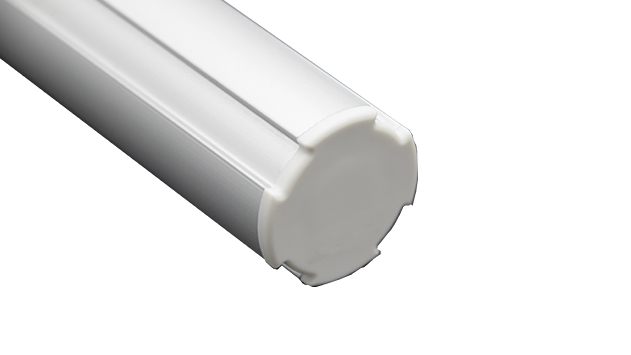
Plastic pipe cover to cover dia 28MM aluminum pipe end at workbench, flow rack, to prevent metal surface scratch material or worker.
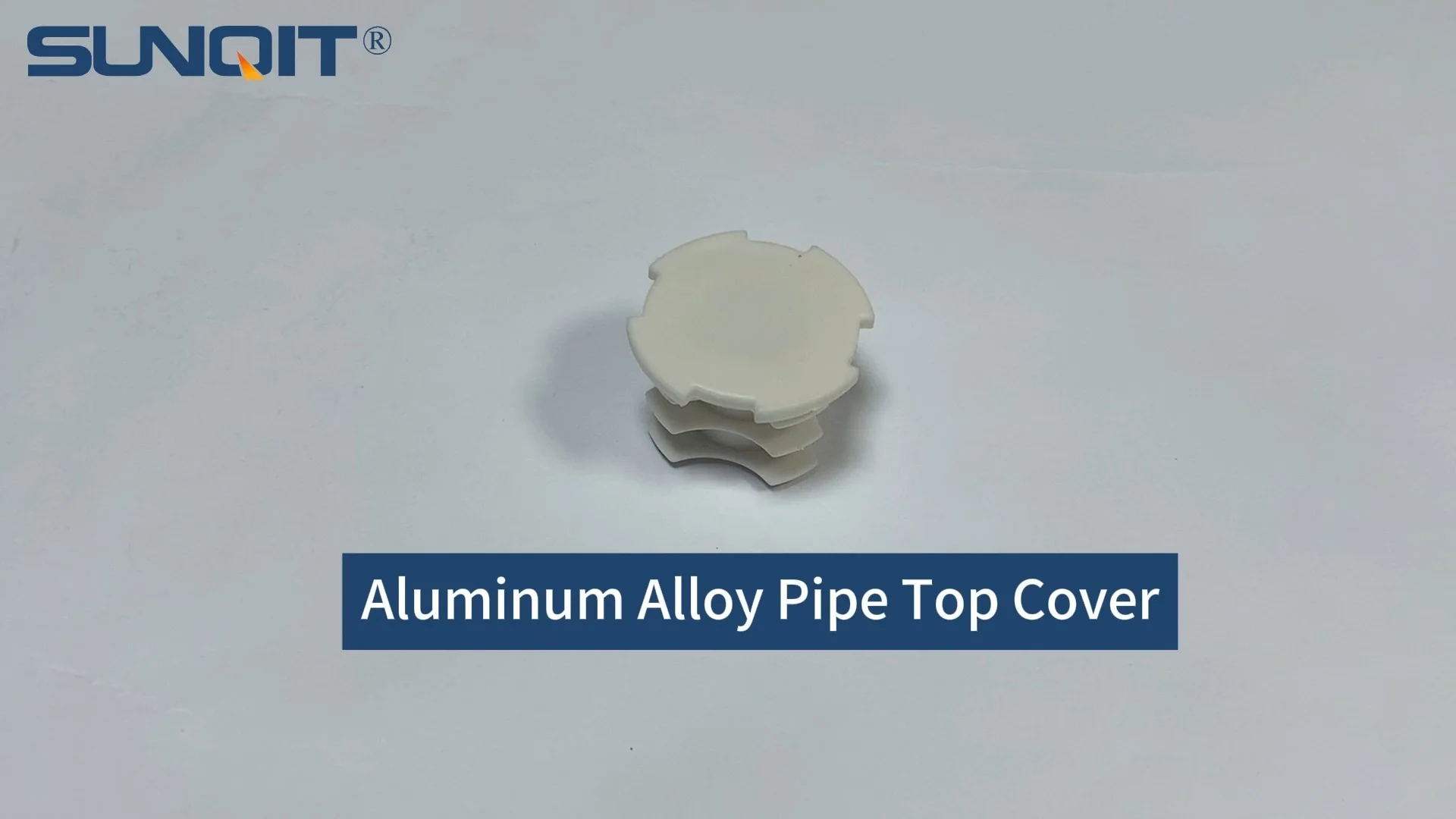
It starts with a faint rattle. Maybe you're walking past the material rack B (3 row and 3 floor) in the warehouse, or adjusting a tool on your workbench, when you notice it—the plastic pipe cover on one of the vertical supports has slipped. At first, it's easy to ignore. After all, it's just a small piece of plastic, right? But over time, that loose cover becomes more than a nuisance. It catches on your sleeve when you reach for supplies, makes an irritating squeak every time someone bumps the rack, and worst of all, leaves the metal pipe underneath exposed to scuffs, moisture, and potential damage. In lean systems, where efficiency and attention to detail are everything, even the smallest loose end can throw off the rhythm of your workflow.
Plastic pipe covers might seem, but they play a quiet yet critical role in keeping your workspace running smoothly. They shield sharp pipe edges, dampen noise from vibrating equipment, and prevent debris from snagging on exposed metal—all while adding a clean, finished look to structures like workbenches, conveyor frames, and material racks. But when they loosen, they don't just stop working—they can become a liability. So let's dive into why plastic pipe covers come loose, how to diagnose the problem, and the simple steps to tighten them back up (or replace them) so you can get back to focusing on what really matters: keeping your operations lean and efficient.
First Things First: What Are Plastic Pipe Covers, Anyway?
Before we troubleshoot, let's make sure we're on the same page. Plastic pipe covers—sometimes called pipe sleeves or end caps—are flexible tubes of plastic designed to slide over the ends or along the length of metal pipes. They're typically made from durable materials like PVC, polyethylene, or polypropylene, and they come in a range of sizes to fit common pipe diameters (think 0.5 inch, 1 inch, and beyond—sound familiar? Similar to the swivel roller balls sizes you might use in flow racks). You'll often find them in neutral colors like grey or yellow (much like the plastic roller track guide rails you might have in your facility), though some are clear or colored for visibility or branding.
Their job is simple but vital: protection . For your pipes, they guard against rust, dents, and scratches. For your team, they prevent cuts from sharp pipe edges and reduce the risk of clothing or hair getting caught on protruding pipes. In noisy environments—like near conveyors or production lines—they even muffle the clatter of metal-on-metal contact. And in lean setups, where every inch of space is optimized, they help maintain that streamlined, clutter-free look that makes workflows intuitive.
But here's the thing: plastic pipe covers are only effective when they fit snugly. A loose cover might as well not be there. So when that rattle starts or you notice a cover sliding down a pipe, it's time to act.
Why Do Plastic Pipe Covers Come Loose? 5 Common Culprits
Loose pipe covers rarely happen without reason. More often than not, they're a symptom of an underlying issue—one that, once identified, is easy to fix. Let's break down the most likely causes:
1. The "One Size Fits None" Problem: Incorrect Sizing
Plastic pipe covers are designed to fit specific pipe diameters. If you've ever forced a 1-inch cover onto a 0.75-inch pipe (or vice versa), you know what happens: it either won't stay on or tears trying. Even a small size mismatch can leave gaps, letting the cover slide or rattle. This is especially common if you're using leftover covers from old projects or ordering in bulk without double-checking measurements. For example, that "universal" cover you bought might not account for the slight variations in pipe thickness—like the difference between a basic aluminum tube and a stainless steel pipe series.
2. The Slow Fade: Wear and Tear
Plastic is tough, but it's not indestructible. Over time, exposure to sunlight, heat, and friction can take a toll. UV rays break down plastic molecules, making covers brittle. Repeated bending (from adjusting the cover or moving the pipe) can stretch the material, reducing its elasticity. And if the cover rubs against another surface—like a caster wheel or a roller track—it might wear thin, creating weak spots that let it slip. You'll notice this as cracks, discoloration, or a "stretchy" feel when you pull on the cover.
3. The Great Expander: Temperature and Humidity Swings
Plastic is sensitive to temperature. In hot environments (like near ovens or machinery), it softens and expands; in cold environments (like freezers or unheated warehouses), it hardens and contracts. Over time, these cycles can loosen even a well-fitted cover. Humidity adds another layer: moisture can seep between the cover and pipe, acting as a lubricant and letting the cover slide. This is a big issue in facilities with inconsistent climate control or seasonal temperature shifts.
4. The "Good Enough" Install: Rushed or Incorrect Placement
We've all been there: you're in a hurry to finish setting up a workbench or material rack, so you quickly slide a cover onto a pipe without checking if it's seated properly. Maybe you didn't push it all the way down, leaving a gap at the top. Or maybe the pipe was dirty or greasy when you installed the cover, preventing it from gripping. Even a small misstep during installation—like using a cover that was slightly damaged (a nick, a crease)—can lead to looseness later.
5. The Silent Shaker: Vibration from Machinery
If the pipe with the loose cover is part of a structure near vibrating equipment—think conveyor belts, production assemble lines, or even a busy turnover trolley—you're fighting physics. Every vibration shakes the cover, slowly working it loose over days or weeks. This is common in lean systems where equipment is tightly packed, and vibrations travel through shared supports. Over time, even a cover that was installed perfectly can start to slip.
Troubleshooting 101: How to Figure Out Why Your Cover Is Loose
Now that you know the common causes, let's play detective. Here's how to pinpoint why your plastic pipe cover is loose:
Step 1: Check the Fit
Start simple: remove the cover and inspect the pipe . Is the pipe diameter consistent along its length? (Sometimes bends or dents can create uneven surfaces.) Measure the pipe with a caliper or ruler, then measure the inside diameter of the cover. They should match closely—if the cover is larger, that's your issue. For example, a 1-inch pipe needs a 1-inch cover; a 0.5-inch pipe needs a 0.5-inch cover (like those swivel roller balls sizes we mentioned earlier). If the cover is too small, it might have stretched over time—another sign of wear.
Step 2: Inspect the Cover for Wear
Hold the cover up to the light. Are there cracks, especially around the edges? Is it discolored (faded or yellowed, if it was once white or grey)? Does it feel brittle when you bend it, or stretchy and thin? If yes, wear and tear is the culprit. Even small cracks can let air or moisture in, reducing friction and causing slippage.
Step 3: Assess the Environment
Where is the pipe located? Is it near a heater, air conditioner, or window with direct sunlight? Touch the cover—does it feel softer (hot) or harder (cold) than usual? Check for moisture: is the pipe or cover damp? If the area experiences big temperature swings or high humidity, environmental factors are likely at play.
Step 4: Re-Examine Installation
Slide the cover back onto the pipe. Does it go on smoothly, or does it catch? Is there resistance when you push it down, or does it slide on too easily? Check for dirt, grease, or debris on the pipe—even a thin layer can prevent the cover from gripping. If the cover stops short of the pipe end, it might not have been installed all the way initially.
Step 5: Test for Vibration
Put your hand on the pipe (when safe to do so). Can you feel a faint buzz? Is the pipe connected to a machine that's always running, like a conveyor or production line? Ask your team if the rattle or looseness started after a new machine was installed nearby. Vibration is often the hidden culprit in busy facilities.
By the end of these steps, you should have a clear idea of what's causing the problem. Now, let's fix it.

How to Tighten a Loose Plastic Pipe Cover: 5 Solutions for Every Cause
Once you've diagnosed the issue, the fix is usually straightforward. Here's how to tighten (or replace) your plastic pipe cover based on the cause:
Solution 1: If It's the Wrong Size—replace It
This is the easiest fix: swap the loose cover for one that fits. Head to your inventory (or order from your lean pipe supplier) and grab a cover that matches your pipe diameter. Pro tip: Keep a few extra covers in common sizes (0.5 inch, 1 inch) on hand—you'll thank yourself later. When installing the new cover, make sure the pipe is clean and dry, then push it on firmly until it's seated flush with the pipe end. No more guesswork, no more slipping.
Solution 2: If It's Worn Out—replace It (Yes, Again)
Brittle, cracked, or stretched covers can't be saved. Even if you reseat them, they'll just loosen again. replace them with new covers, and consider upgrading to a more durable material if the area is high-wear (like near a workbench where tools are often set down). Look for covers labeled "UV-resistant" or "heavy-duty" if they're exposed to sunlight or frequent contact.
Solution 3: If It's the Environment—Adjust or Upgrade
For temperature swings: Try a cover made from a more heat- or cold-resistant plastic (polypropylene is better than PVC for extreme temps). For humidity: Wipe the pipe and cover dry, then apply a tiny amount of talcum powder inside the cover—this absorbs moisture without reducing grip. For sunlight: Move the pipe to a shaded area if possible, or use a UV-protected cover (often labeled "outdoor use").
Solution 4: If It Was Installed Wrong—Reseat It (Properly This Time)
Start by removing the cover and cleaning the pipe with a cloth (isopropyl alcohol works great for grease or dirt). Let it dry, then align the cover with the pipe and push firmly—you should feel resistance. If it's still loose, try warming the cover slightly with a hair dryer (on low heat!) to soften it, then push it on while it's pliable—it will shrink back as it cools, creating a tighter fit. Avoid overheating, though—melted plastic is never a good look.
Solution 5: If It's Vibrating—Secure It with Adhesive (Sparingly)
Vibration is tricky, but a small amount of adhesive can help. Use a clear, flexible adhesive like silicone sealant (avoid super glue—it's too rigid). Apply a thin bead around the inside edge of the cover, then slide it onto the pipe and hold it in place for 30 seconds. Wipe away excess adhesive, and let it dry for 24 hours. The silicone will flex with vibrations, keeping the cover tight without making it impossible to remove later (important for future maintenance!).
| Cause | Fix | Tools Needed |
|---|---|---|
| Wrong size | replace with correct size | Ruler, new cover |
| Wear and tear | replace with new cover | New cover |
| Temperature/humidity | Use heat/cold-resistant cover; talcum powder | Heat-resistant cover, talcum powder |
| Improper installation | Clean pipe, reseat cover firmly | Cloth, alcohol (for cleaning) |
| Vibration | Apply silicone adhesive | Silicone sealant, cloth |

Preventing Loose Covers: Keep the Problem from Coming Back
Fixing a loose cover is great, but preventing it from happening again is even better. Here are a few habits to adopt:
1. Stock the Right Sizes
Take inventory of your pipes and order covers in matching sizes. Label your storage bin with pipe diameters (e.g., "0.5 inch covers," "1 inch covers") so anyone can grab the right one. This eliminates the "close enough" mentality that leads to loose fits.
2. Inspect During Routine Checks
Add plastic pipe covers to your regular maintenance checklist. Every week (or month, depending on traffic), walk through your facility and check covers on high-use structures: workbenches, material racks, conveyor frames. Tighten or replace any that are loose—catching them early saves time later.
3. Train Your Team
Teach your team to spot loose covers and report them. A quick "Hey, the cover on the material rack is loose" can prevent a bigger issue down the line. Show them how to reseat a cover properly, and where to find replacement covers in the supply closet.
4. Upgrade High-Wear Areas
For pipes near vibrating machinery or busy workbenches, consider switching to more durable covers or even metal end caps (though these don't muffle noise as well). You can also use aluminum pipe accessories like clips or clamps to secure covers in place—just make sure they don't damage the pipe or cover.
Wrapping Up: Small Fix, Big Impact
Loose plastic pipe covers might seem like a tiny detail in the grand scheme of your lean system, but in lean management, details matter. A loose cover isn't just an annoyance—it's a sign that something isn't optimized. By taking the time to troubleshoot, fix, and prevent loose covers, you're not just keeping your workspace tidy—you're maintaining the efficiency, safety, and professionalism that make your operations run smoothly.
So the next time you hear that rattle or spot a sliding cover, don't ignore it. Grab a new cover, reseat it, or apply a dab of silicone. Your pipes (and your team) will thank you. And who knows? You might even find that fixing these small issues gives you a little boost of satisfaction—proof that you're in control of your workflow, one plastic cover at a time.