- Company Articles
- Products and Technology
- Product knowledge
- Plastic Pipe Cover Use in Telecommunication Equipment Assembly

Plastic Pipe Cover Use in Telecommunication Equipment Assembly
Related Product
Plastic Pipe Cover
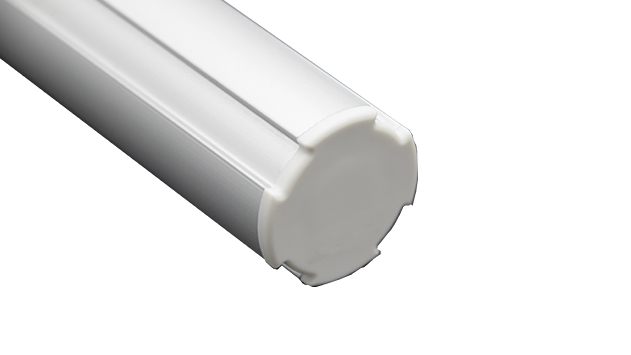
Plastic pipe cover to cover dia 28MM aluminum pipe end at workbench, flow rack, to prevent metal surface scratch material or worker.
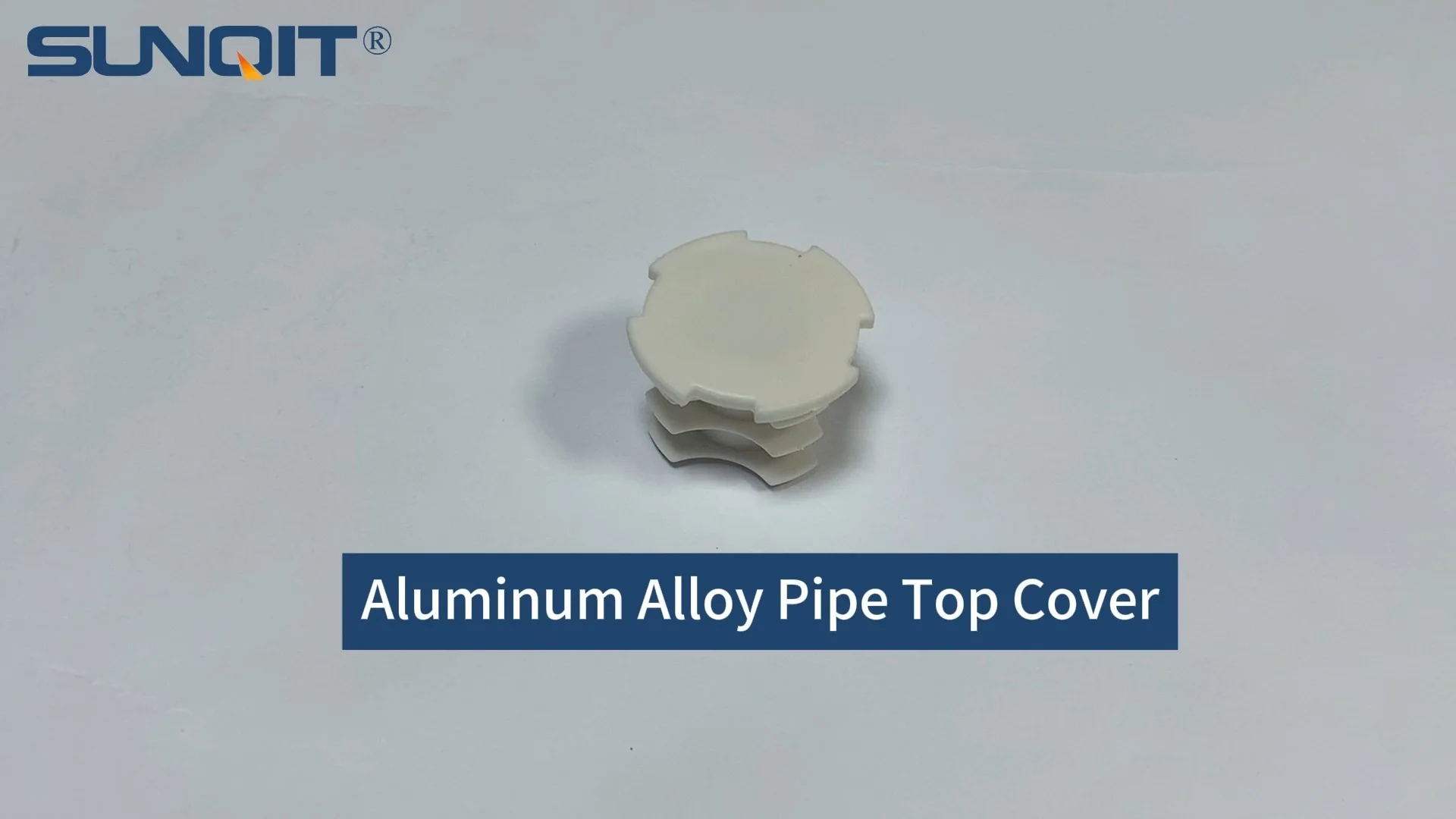
In the fast-paced world of telecommunication equipment assembly, every component—no matter how small—plays a critical role in ensuring efficiency, safety, and reliability. Among these unsung heroes are plastic pipe covers: simple yet indispensable tools that quietly enhance workflows, protect sensitive components, and make life easier for assembly line workers. Whether you're managing a lean pipe workbench where technicians solder circuit boards or overseeing a conveyor system transporting delicate fiber optic modules, plastic pipe covers are the unassuming allies that keep operations running smoothly. Let's dive into why these small accessories matter, how they integrate with larger systems like lean pipes and aluminum profiles, and the tangible benefits they bring to telecom assembly floors.
The Basics: What Are Plastic Pipe Covers, and Why Do They Matter?
At first glance, a plastic pipe cover might seem like little more than a sleeve of durable plastic. But in reality, it's a purpose-built solution designed to address specific challenges in telecom assembly. These covers are typically made from high-grade polyethylene or PVC, engineered to withstand the wear and tear of daily use—think repeated contact with tools, cables, and components, as well as exposure to oils, cleaning agents, and static electricity. Available in colors like yellow and grey (you might recognize plastic roller track guide rail yellow or plastic roller track guide rail grey from your facility), they're not just functional; they also help with visual organization, making it easier to identify different zones or tool types on the assembly line.
But their real value lies in protection. Telecommunication equipment, from routers to cell towers, relies on intricate wiring, delicate circuit boards, and sensitive electronic parts. Without proper shielding, the metal edges of lean pipes or aluminum profiles used in workbenches and racks could scratch cables, damage component casings, or even create static buildup—a risk that's especially critical when working with ESD-sensitive parts (hello, esd workbench environments). Plastic pipe covers act as a buffer, softening hard surfaces and creating a safe, non-conductive barrier. For workers, this means fewer snags on gloves or clothing, reduced fatigue from handling sharp-edged pipes, and a cleaner, more professional workspace that fosters pride in their craft.
Integration with Lean Systems: A Match Made in Assembly Heaven
If you've spent any time in a modern telecom assembly facility, you're familiar with lean pipe systems —the modular, customizable structures built from pipes and joints that form workbenches, material racks, and flow racks. These systems are the backbone of lean manufacturing, designed to eliminate waste, improve workflow, and adapt to changing production needs. But even the most well-designed lean system is only as good as its components, and plastic pipe covers are the finishing touch that elevates functionality.
Take lean pipe workbenches , for example. These workstations are where the magic happens: technicians assemble circuit boards, test equipment, and package finished products. The pipes that frame the workbench are often made of metal (like aluminum lean pipe or stainless steel pipe series ), which, while strong, can be cold to the touch and prone to collecting dust. Sliding a plastic cover over these pipes transforms the workstation: suddenly, the surface is warm, easy to wipe clean, and less likely to harbor dirt that could contaminate sensitive telecom parts. Plus, the covers come in colors that can be color-coded to match workflow stages—yellow for incoming materials, grey for assembly, and so on—reducing errors and speeding up training for new hires.
The same logic applies to flow racks and conveyors . In telecom assembly, roller tracks (like 40 steel roller track or 38 aluminum roller track ) are used to move components from one station to the next. The rails supporting these tracks are often made of aluminum or steel, and without covers, they can develop burrs or rust over time, jamming rollers or damaging component boxes. Plastic pipe covers, especially those designed for roller tracks, fit snugly over these rails, ensuring smooth, uninterrupted movement. They also reduce noise—no more clanging metal-on-metal as parts glide along the line—and make maintenance easier: instead of sanding down rusted rails, workers can simply replace a worn cover, saving time and minimizing downtime.
And let's not forget lean pipe joints . These small connectors hold the entire lean system together, but their edges can be sharp. When paired with plastic pipe covers, the joints become safer to handle during reconfiguration—no more cuts or scrapes when adjusting the height of a material rack or repositioning a workbench. It's these small, thoughtful details that turn a basic assembly line into a, worker-centric environment.
Applications in Action: From Workbenches to Conveyors
Workbenches: Where Precision Meets Protection
Walk over to any esd workstation in a telecom facility, and you'll notice something: the pipes framing the bench are likely covered in plastic. Why? Because ESD (electrostatic discharge) protection is non-negotiable when working with microchips and circuit boards. While esd workbench surfaces are designed to dissipate static, the metal pipes of the bench itself could still generate static if left uncovered. Plastic pipe covers, especially those formulated with ESD-resistant additives, prevent static buildup, ensuring that a stray spark doesn't fry a $500 component. For workers, this peace of mind lets them focus on the task at hand—soldering a connection or testing a port—without worrying about costly mistakes.
Beyond ESD safety, plastic covers on workbench pipes also help with cable management. Telecom assembly involves a maze of wires—power cords, test leads, Ethernet cables—and without organization, they quickly become a tangled mess. By routing cables along covered pipes, workers can use clips or hooks to keep lines neat, reducing tripping hazards and making it easier to trace a faulty connection. Imagine trying to troubleshoot a connectivity issue with cables snaking across bare metal pipes versus a clean, covered setup: the difference in efficiency is night and day.
Conveyors and Flow Racks: Keeping Materials Moving
In a busy telecom plant, conveyors and flow racks are the arteries that keep materials flowing from receiving to shipping. Roller tracks , like the 40 steel roller track yellow wheel or 38 aluminum roller track black esd , are the workhorses here, allowing boxes of components to glide effortlessly. But roller tracks rely on smooth, consistent rails to function—any imperfection can slow down or stop the flow. That's where plastic roller track guide rail covers (in yellow or grey) come in. These covers fit over the metal rails, creating a uniform surface that reduces friction and ensures rollers spin freely. They also protect the rails from dents caused by heavy boxes, extending the life of the track and reducing the need for frequent replacements.
Consider a material rack b (3 row and 3 floor) stocked with circuit board components. Each shelf is supported by lean pipes, and the edges are covered in plastic. When a worker pulls a bin from the shelf, the plastic cover prevents the bin from catching on the pipe, making retrieval quick and easy. Multiply that by hundreds of bin pulls per day, and you're looking at significant time savings—time that can be redirected to assembling more equipment or training new team members.

Comparing Plastic Pipe Covers: Which One Is Right for Your Facility?
Not all plastic pipe covers are created equal. Depending on your needs—whether you're prioritizing ESD protection, durability, or cost—you'll want to choose the right type. To help, we've put together a comparison of common options:
| Cover Type | Material | Best For | Key Benefits | Considerations |
|---|---|---|---|---|
| Standard Plastic (Yellow/Grey) | Polyethylene | General-purpose lean pipes, workbenches, non-ESD areas | Cost-effective, durable, easy to install, color-coded organization | Not ESD-safe; may fade in direct sunlight |
| ESD-Resistant Plastic | PVC with carbon additives | ESD workbenches, ESD workstations, sensitive electronics assembly | Dissipates static, protects components, compatible with ESD protocols | Slightly higher cost; requires regular testing to ensure ESD properties |
| Heavy-Duty Plastic | Reinforced polyethylene | High-traffic areas, conveyor rails, material racks with heavy loads | Withstands impacts, resists tears, long lifespan | Stiffer; may be harder to install on curved pipes |
For most telecom facilities, a mix of standard and ESD-resistant covers is ideal. Use ESD covers on esd workbenches and near sensitive component storage, and standard covers on general workbenches, flow racks, and non-ESD conveyor rails. And when in doubt, consult your lean pipe supplier —reputable suppliers (like those specializing in lean pipe and accessories ) can help you match covers to your specific application.
Case Study: How One Telecom Manufacturer Boosted Efficiency with Plastic Pipe Covers
"We used to spend 2 hours a day untangling cables on our assembly line. Now, with plastic-covered pipes and better cable management, that time is down to 20 minutes. And we haven't had a single ESD-related component failure since switching to ESD covers on our workbenches." – Maria Gonzalez, Production Manager at a leading telecom equipment manufacturer.
Maria's facility, which assembles 4G and 5G base stations, was struggling with two main issues: disorganized workbenches causing delays, and occasional ESD damage to circuit boards. After consulting with their lean system supplier , they upgraded their lean pipe workbenches with plastic roller track guide rail grey covers (for cable management) and ESD-resistant covers on ESD workstations. The results were immediate: cable tangles decreased by 90%, ESD failures dropped to zero, and worker satisfaction scores rose—all from a simple upgrade to pipe covers.
Perhaps most surprisingly, the team also noticed a reduction in tool loss. "Before, tools would slide off bare metal pipes and get lost under workbenches," Maria recalls. "Now, the plastic covers have a slight texture that keeps tools from slipping. We've saved hundreds of dollars on replacement screwdrivers and pliers alone!"

Installation Tips: Getting the Most Out of Your Plastic Pipe Covers
Installing plastic pipe covers is straightforward, but a few best practices will ensure they last and perform optimally:
- Clean the pipes first: Wipe down lean pipes or aluminum profiles with a degreaser to remove dirt, oil, or rust. A clean surface ensures the cover adheres properly and doesn't trap debris that could cause wear.
- Choose the right size: Covers should fit snugly—too loose, and they'll slide around; too tight, and they'll tear during installation. Most suppliers offer covers sized for standard lean pipe diameters (like 28mm or 30mm), but custom sizes are available for specialty pipes.
- Secure with clips for high-movement areas: On conveyor rails or roller tracks that see constant motion, use plastic clips or zip ties to secure the covers every 12–18 inches. This prevents shifting and ensures the cover stays in place, even with heavy use.
- Inspect regularly: Check covers monthly for cracks, tears, or discoloration (especially important for ESD covers, which can lose their properties over time). replace worn covers promptly to avoid exposing pipes.
The Future of Plastic Pipe Covers: Innovations on the Horizon
As telecom manufacturing evolves—with trends like automation, IoT integration, and miniaturization—plastic pipe covers are evolving too. Suppliers are experimenting with smarter materials, like UV-resistant covers for facilities with natural light, or antimicrobial covers for cleanroom environments. There's also growing interest in "smart covers" embedded with RFID tags, which could help track tool locations or monitor pipe temperature in real time. Imagine a cover that alerts maintenance when a roller track rail is overheating—preventing a breakdown before it happens.
Another trend is sustainability. Many suppliers are now offering covers made from recycled plastic, appealing to facilities aiming for greener operations. And with the rise of aluminum lean pipe systems (which are lighter and more corrosion-resistant than traditional steel), we're seeing covers designed specifically to complement aluminum's unique properties—like enhanced flexibility to match aluminum's bendable profiles.
Conclusion: Small Component, Big Impact
In the grand scheme of telecommunication equipment assembly, plastic pipe covers might seem. But as we've explored, they're a critical piece of the puzzle—protecting components, improving worker safety, enhancing efficiency, and supporting lean manufacturing principles. Whether you're outfitting a new lean pipe workbench , upgrading an esd workstation , or maintaining a fleet of conveyors , these covers deliver tangible value that ripples across your entire operation.
So the next time you walk through your assembly facility, take a closer look at those plastic-covered pipes. They're not just sleeves—they're a testament to the power of thoughtful, worker-centric design. And if you're ready to upgrade, reach out to a trusted lean pipe supplier today. After all, in the world of telecom assembly, success lies in the details—and plastic pipe covers are one detail that's worth investing in.