- Company Articles
- Products and Technology
- Product knowledge
- Plastic Pipe Cover vs Aluminum: Which Is More Cost-Effective Long-Term?

Plastic Pipe Cover vs Aluminum: Which Is More Cost-Effective Long-Term?
Related Product
Plastic Pipe Cover
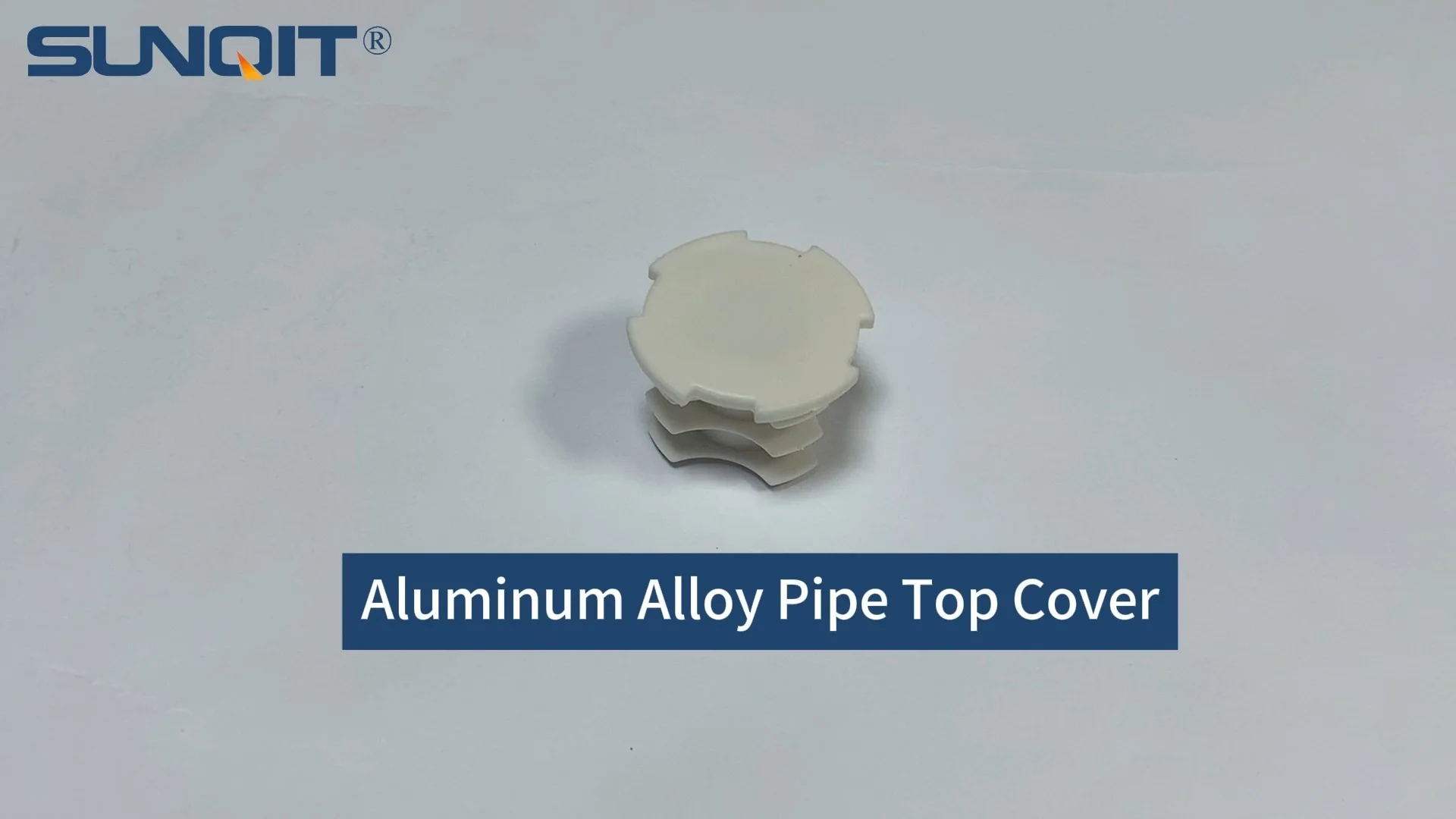
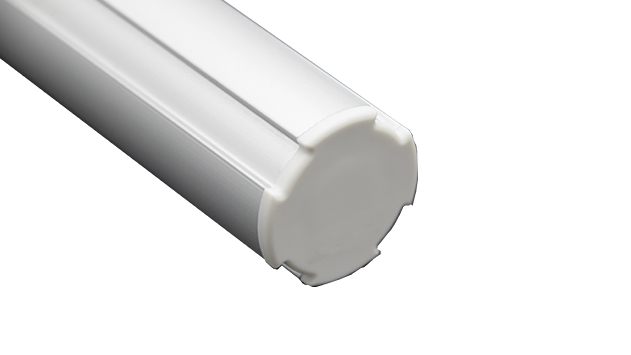
Plastic pipe cover to cover dia 28MM aluminum pipe end at workbench, flow rack, to prevent metal surface scratch material or worker.
Walk into any manufacturing plant, warehouse, or workshop, and you'll likely spot a maze of pipes, racks, and workbenches keeping operations running smoothly. Behind this organized chaos lies a quiet but critical decision: choosing the right materials for these setups. Among the unsung heroes of industrial efficiency are pipe covers—those unassuming components that protect pipes, guide materials, and keep workflows on track. But when it comes to selecting between plastic and aluminum pipe covers, the choice isn't just about aesthetics. It's about long-term cost, durability, and whether your setup can keep up with the demands of daily use. Let's dive into this dilemma, exploring which option truly delivers more bang for your buck over time.
What Are Plastic Pipe Covers, Anyway?
Plastic pipe covers are exactly what they sound like: protective or functional sleeves made from various plastic materials (think polyethylene, PVC, or nylon) designed to fit over pipes, rails, or tracks. They're everywhere in lean manufacturing setups, often seen guiding products along assembly lines or shielding pipes from scratches. You might recognize them as the bright yellow strips on roller tracks (hello, plastic roller track guide rail yellow ) or the smooth grey edges on material racks. Lightweight, affordable, and available in a rainbow of colors, plastic covers have long been a go-to for businesses watching their upfront costs.
One of the biggest draws of plastic covers is their versatility. They're easy to cut, shape, and install, making them ideal for small-scale operations or temporary setups. Need a quick fix for a worn-out roller track? A plastic guide rail can be swapped in minutes without specialized tools. Plus, their non-conductive nature makes them a safe choice in environments where electricity is a concern—no risk of accidental shocks here. But don't let their lightweight feel fool you: modern plastic blends are surprisingly tough, resistant to chemicals, and even UV-stabilized to withstand harsh warehouse lighting.
That said, plastic has its limits. Over time, constant friction from moving parts or heavy loads can cause it to wear thin. Leave a plastic cover exposed to extreme temperatures—say, a sweltering summer warehouse or a freezing cold storage unit—and you might notice cracking or warping. And while they're budget-friendly upfront, frequent replacements can add up, turning that initial savings into a recurring expense.
Aluminum Pipe Covering: The Sturdy Contender
Enter aluminum pipe covers: the heavyweight champion of durability. Made from extruded aluminum or aluminum alloys, these covers are built to last. Unlike plastic, aluminum brings heft and rigidity to the table, making it a staple in high-traffic areas where wear and tear are non-negotiable. You'll often find them paired with aluminum profile systems—those sleek, modular frames that form the backbone of workbenches, material racks, and conveyor lines. Aluminum covers don't just protect pipes; they reinforce the entire structure, adding stability to setups that handle heavy loads day in and day out.
What really sets aluminum apart is its resilience. Scratches? They're cosmetic at worst. Dents? Unlikely, unless you're slamming it with a forklift (and even then, aluminum holds its shape better than plastic). It's also naturally resistant to rust and corrosion, making it perfect for damp environments like food processing plants or outdoor storage yards. And when it comes to temperature extremes, aluminum laughs them off—no warping, no cracking, just consistent performance.
But aluminum isn't without trade-offs. For starters, it's heavier than plastic, which can make installation trickier—you might need a second pair of hands to mount those longer sections. It's also more expensive upfront. While a plastic guide rail might cost a few dollars per foot, aluminum can run double or triple that. And let's not forget conductivity: aluminum is a metal, so it's not the best choice near electrical equipment unless properly insulated. For some businesses, these factors alone might push aluminum into the "too expensive" category—at least on paper.
The Cost Showdown: Initial Price Tag vs. Long-Term Investment
Let's talk numbers. When you're setting up a new workbench or revamping a conveyor line, the upfront cost of materials can feel like a make-or-break factor. Plastic pipe covers shine here: a 10-foot section of plastic roller track guide rail yellow might set you back $15–$30, while a similar length of aluminum could cost $40–$80. For a small business with a tight budget, plastic seems like a no-brainer. Why splurge on aluminum when plastic gets the job done today?
But here's the catch: cost-effectiveness isn't just about what you pay now—it's about what you pay over time. Let's say you install plastic covers on a busy assembly line. After six months, the constant rubbing of boxes starts wearing down the edges. By year one, you're replacing a third of the covers. Year two? Half are cracked or loose. Suddenly, that $30 plastic rail has turned into $300 in replacements. Now compare that to aluminum: yes, you pay $80 upfront, but it lasts five years with zero maintenance. When you crunch the numbers, aluminum's higher initial cost starts to look like a smart investment, not a luxury.
Maintenance costs play a role too. Plastic covers might need regular cleaning with harsh chemicals to remove grease or debris, which can degrade the material faster. Aluminum? A quick wipe with a damp cloth is usually enough. And if a plastic cover does break, you're often replacing the entire section; with aluminum, minor dents or scratches can be buffed out, extending its life even further.
| Factor | Plastic Pipe Covers | Aluminum Pipe Covers |
|---|---|---|
| Initial Cost (per 10ft) | $15–$30 | $40–$80 |
| Expected Lifespan | 1–3 years (heavy use) | 5–10 years (heavy use) |
| Annual Maintenance Cost | $10–$20 (replacements, cleaning) | $0–$5 (occasional cleaning) |
| Total Cost Over 5 Years | $85–$180 (initial + replacements) | $40–$85 (initial + minimal upkeep) |
The table tells a clear story: aluminum's higher upfront cost is offset by its longevity and low maintenance. For businesses planning to stay in the same space for years, aluminum becomes the cheaper option in the long run. But for temporary setups or low-traffic areas (like a small workshop with light material handling), plastic might still hold its own.

Durability: Can Plastic Keep Up with the Grind?
Let's get real: industrial environments are tough on equipment. Pipes get bumped by forklifts, roller tracks carry heavy boxes, and workbenches endure daily wear. So how do plastic and aluminum stack up when the going gets rough?
Plastic covers are great for light to moderate use. If you're guiding small parts along a slow-moving assembly line, plastic's flexibility can actually be an advantage—it absorbs shocks without cracking. But when you crank up the volume? Say, a high-speed conveyor moving 50-pound packages every minute—plastic starts to show its age. The friction from constant motion wears down the surface, creating rough spots that slow materials or even snag products. In extreme cases, a plastic cover might snap under pressure, bringing the line to a halt while you hunt for a replacement.
Aluminum, on the other hand, thrives under pressure. Its rigid structure can handle heavy loads and constant friction without breaking a sweat. Think of it like the difference between a plastic ruler and a metal one: the plastic bends and snaps; the metal bends (if at all) and springs back. This durability is a game-changer for lean systems, where downtime equals lost revenue. A lean pipe setup with aluminum covers can run 24/7 without skipping a beat, while plastic might need a mid-shift repair.
Temperature and environment matter too. Plastic covers can become brittle in cold conditions, making them prone to cracking if something bumps them. In hot environments, they might soften, losing their shape and grip. Aluminum, being a metal, conducts heat and cold, but it doesn't warp—meaning it performs consistently whether your warehouse is sweltering in summer or freezing in winter. Even exposure to oils, chemicals, or cleaning agents is less of a problem for aluminum; plastic, depending on the type, might degrade or discolor over time.

Installation & Flexibility: Which Plays Nicer with Your Setup?
No one wants to spend days installing pipe covers—time is money, after all. Here's where plastic and aluminum diverge again, but not in the way you might expect.
Plastic covers are the DIYer's dream. Lightweight and flexible, they can be cut with a standard hacksaw, drilled without splintering, and attached with basic tools. Need to adjust the length? Snip it with scissors. Want to attach it to a lean pipe joint ? A few zip ties or adhesive strips will do the trick. This makes plastic perfect for businesses that need to pivot quickly—like startups testing new assembly line configurations or pop-up production facilities.
Aluminum, while sturdier, requires a bit more elbow grease. Its rigidity means you'll need a metal saw to cut it, and drilling might require specialized bits to avoid bending. Mounting it often calls for screws or brackets, which take time to secure properly. But here's the upside: once installed, aluminum stays put. No more wobbly covers or loose strips after a week of use. And because aluminum is compatible with industrial-grade fasteners and joints, it integrates seamlessly with permanent setups—think heavy-duty workbenches or multi-tiered material racks that need to stay stable for years.
Flexibility is another angle. Plastic covers come in limited sizes and thicknesses, which can be a problem if you're working with non-standard pipe diameters. Aluminum, however, is highly customizable. Suppliers can extrude it into specific shapes or thicknesses to fit unique needs, whether you're covering a tiny 0.5-inch pipe or a massive 4-inch industrial tube. This adaptability makes aluminum a favorite for businesses with complex or specialized workflows.
Sustainability: Which Option is Easier on the Planet (and Your Reputation)?
In today's eco-conscious world, sustainability isn't just a buzzword—it's a business imperative. Customers, employees, and regulators are all watching, and your material choices send a message. So how do plastic and aluminum stack up here?
Plastic gets a bad rap for its environmental impact, and for good reason: most plastic covers are made from non-biodegradable materials, and while some are recyclable, many end up in landfills after their short lifespan. That said, advancements in recycled plastics are changing the game—some manufacturers now offer covers made from post-consumer waste, reducing their carbon footprint. Still, the need for frequent replacements means plastic's overall environmental cost is higher than it appears at first glance.
Aluminum, on the other hand, is one of the most recyclable materials on the planet. It can be melted down and reused repeatedly without losing quality, and recycling it uses just 5% of the energy required to produce new aluminum. This makes aluminum a sustainable choice for businesses looking to reduce their waste. Plus, because aluminum lasts longer, you're sending less material to the landfill over time. It's a win-win for both your budget and the planet.
Real-World Applications: When to Choose Plastic, When to Choose Aluminum
Let's ground this in real scenarios. Imagine two businesses:
Business A is a small electronics repair shop with a single workbench and a simple roller track for parts. They handle light components, operate in a climate-controlled room, and don't expect to expand anytime soon. For them, plastic covers make sense. The upfront cost is low, installation is a breeze, and the covers will last long enough to justify the expense. A few plastic roller track guide rail yellow strips keep parts moving smoothly, and if they need to rearrange the bench next year, swapping out plastic covers is quick and cheap.
Business B is a mid-sized automotive parts manufacturer with a 200-foot assembly line running 12-hour shifts. They move heavy metal components, operate in a warehouse with fluctuating temperatures, and plan to scale up production in the next two years. Here, aluminum is the clear choice. The initial investment pays off in fewer replacements, consistent performance, and the ability to handle heavy loads without slowing down. Aluminum covers on their roller tracks and workbenches will keep up with the daily grind, even as production ramps up.
It's not just about size, though. Industries like food processing, where hygiene is critical, often prefer aluminum because it's easy to sanitize and doesn't harbor bacteria (unlike plastic, which can develop micro-scratches that trap germs). In contrast, industries with strict weight limits—like aerospace or medical device manufacturing—might opt for plastic to keep overall setup weight down.
The Verdict: Aluminum Wins for Long-Term Cost-Effectiveness
After weighing the pros and cons, aluminum pipe covers come out on top for long-term cost-effectiveness. While plastic is cheaper upfront and easier to install, its shorter lifespan, higher maintenance needs, and vulnerability to wear and tear make it a less economical choice over time. Aluminum, with its durability, low maintenance, and sustainability, delivers more value for your money—especially if you're in it for the long haul.
That said, plastic isn't obsolete. It's still the best option for temporary setups, light use, or businesses with extremely tight budgets. The key is to assess your needs: How long will the setup last? How heavy are the loads? What's your tolerance for downtime? Answering these questions will guide you to the right choice.
Final Thoughts: Invest in What Invests in You
At the end of the day, pipe covers might seem like a small detail, but they're a reflection of how you run your business. Choosing aluminum isn't just about buying a better product—it's about investing in reliability, efficiency, and peace of mind. It's knowing that your assembly line won't grind to a halt because a plastic cover cracked. It's watching your maintenance team spend less time replacing parts and more time keeping things running. And it's feeling confident that your setup can grow with your business, not hold it back.
So, the next time you're staring at a shelf of pipe covers, remember: the cheapest option today might cost you more tomorrow. For most businesses, aluminum is the smarter bet—durable, sustainable, and ready to keep up with whatever your workflow throws at it. After all, in the world of manufacturing, efficiency isn't just about speed. It's about building something that lasts.