- Company Articles
- Products and Technology
- Product knowledge
- Plastic Pipe Cover vs Foam Insulation: When to Use Each for Pipe Protection

Plastic Pipe Cover vs Foam Insulation: When to Use Each for Pipe Protection
Related Product
Plastic Pipe Cover
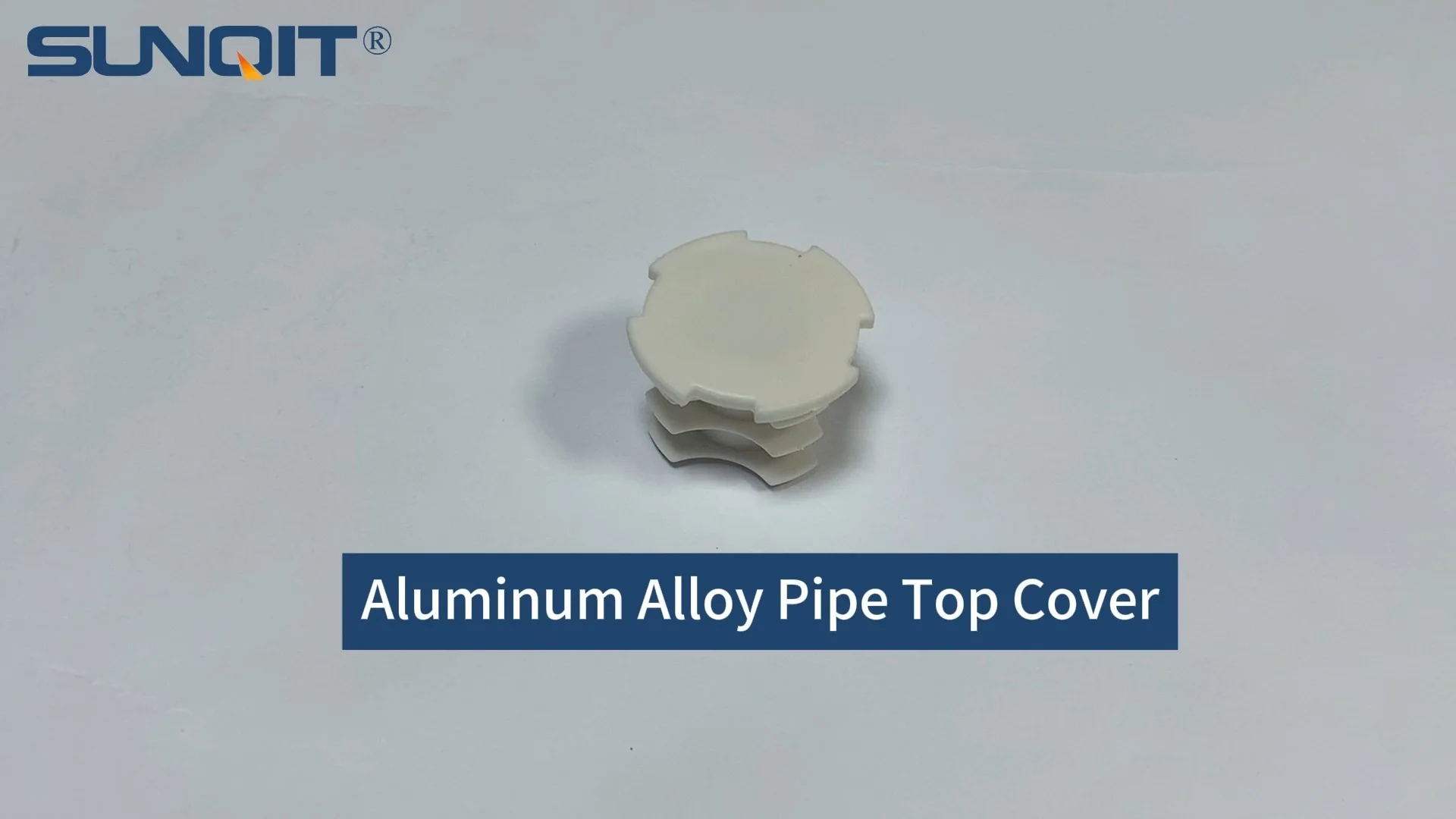
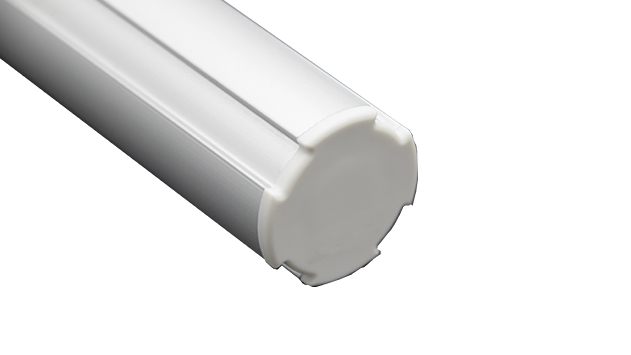
Plastic pipe cover to cover dia 28MM aluminum pipe end at workbench, flow rack, to prevent metal surface scratch material or worker.
Introduction: The Unsung Heroes of Pipe Longevity
In the bustling world of manufacturing plants, workshops, and even commercial buildings, pipes are the silent workhorses. They carry water, air, chemicals, and sometimes even electricity, snaking through ceilings, walls, under floors, and alongside workbenches. Yet, for all their importance, these pipes rarely get the attention they deserve—until something goes wrong. A cracked pipe from a stray tool, heat loss driving up energy bills, or condensation causing mold growth: these are just a few headaches that stem from neglecting pipe protection. That's where two common solutions come into play: plastic pipe covers and foam insulation. But how do you choose between them? Let's dive in.
Whether you're setting up a new production line with lean pipe joints connecting aluminum or steel pipes, or maintaining an existing system, the goal is simple: keep pipes intact, functional, and efficient. Plastic pipe covers and foam insulation each bring unique strengths to the table, but they're far from interchangeable. Understanding their differences isn't just about avoiding costly mistakes—it's about optimizing your space, budget, and pipe performance for the long haul.
What Are Plastic Pipe Covers? The Tough Outer Layer
A Closer Look at Materials and Design
Plastic pipe covers, as the name suggests, are rigid or semi-rigid sleeves made from materials like PVC, polyethylene, or polypropylene. Think of them as armor for your pipes—hard, durable, and designed to shield against physical impacts. They come in various shapes (round, square, rectangular) and sizes to fit standard pipe diameters, with some even customizable for odd-sized pipes. Many are smooth on the outside, with a slightly textured inner surface to grip the pipe and prevent slipping.
You've probably seen them in industrial settings: bright yellow or grey sleeves hugging pipes that run along the edges of workbenches or under conveyor belts. Unlike foam, which is soft and squishy, plastic covers are firm. They're often split down one side, making installation a breeze—simply wrap them around the pipe and secure with tape, zip ties, or clips. Some higher-end versions even have interlocking edges for a snug, seamless fit.
Advantages: Why Plastic Covers Shine in High-Traffic Areas
The biggest selling point of plastic pipe covers is their durability. In a workshop where tools get dropped, carts (fitted with caster wheels) roll by, and workers move quickly, pipes are constantly at risk of impact. A plastic cover acts like a shield, absorbing the brunt of a hit from a wrench or a bumped trolley. I've visited a car parts factory where pipes under the assembly line workbenches were protected with thick PVC covers; after five years of daily use, the covers had scuffs, but the pipes underneath were as good as new.
Another perk? They're water-resistant and chemical-resistant. If your pipes carry liquids or are exposed to cleaning agents, oils, or coolants, plastic covers won't absorb moisture or degrade. This makes them ideal for damp environments, like food processing plants or car washes, where corrosion is a constant threat. Plus, they're easy to clean—just wipe them down with a damp cloth, and they're good as new.
Let's not forget aesthetics. Plastic covers come in neutral colors (grey, white) or bold hues (yellow, red) that can serve dual purposes: protection and visibility. A bright yellow cover on a pipe near a walkway isn't just tough—it's a visual reminder to "watch your step," reducing accident risks.
Limitations: Where Plastic Falls Short
For all their toughness, plastic pipe covers have a Achilles' heel: they offer almost no insulation. If your pipes carry hot or cold fluids, a plastic cover alone won't stop heat from escaping or entering. Imagine a pipe carrying hot water to a production line—without insulation, that heat would radiate out, wasting energy and possibly making the surrounding area uncomfortably warm. In cold climates, uninsulated pipes with plastic covers might still freeze, since the cover doesn't trap heat inside.
They're also rigid, which can be a problem for pipes that vibrate or move slightly (yes, pipes do move—expansion and contraction from temperature changes is normal). A rigid cover might crack over time if the pipe shifts too much. And while installation is generally easy, tight spaces or oddly shaped pipes can make fitting a plastic cover tricky. Finally, cost: plastic covers are often pricier than basic foam insulation, especially for large-diameter pipes or custom sizes.
Foam Insulation: The Thermal Guardian
Soft, Spongy, and Surprisingly Effective
Foam insulation, on the other hand, is all about thermal protection. Made from materials like polyethylene, polyurethane, or neoprene, it's lightweight, flexible, and squishy—think of the foam you'd find in a bike helmet, but designed for pipes. It comes in tubes (pre-slit for easy installation), sheets, or even spray-on form, though tubes are the most common for DIY and small-scale projects.
The magic of foam insulation lies in its structure: tiny air bubbles trapped within the material act as barriers to heat transfer. This means it slows down the flow of heat from hot pipes to the cold air around them, and vice versa for cold pipes. In short, it keeps hot things hot and cold things cold—saving energy and preventing condensation (a major cause of pipe corrosion and mold growth).
Advantages: More Than Just Warmth
Energy efficiency is foam insulation's claim to fame. A study by the U.S. Department of Energy found that properly insulating hot water pipes can reduce heat loss by 2-4%, which might not sound like much until you multiply it by the number of pipes in a large facility. Over time, those savings add up. For cold pipes, foam insulation prevents condensation by keeping the pipe's surface temperature above the dew point—no more drips, no more mold, and no more water damage to walls or floors.
Installation is a breeze, even for beginners. Most foam tubes come pre-slit lengthwise, so you just peel them open, wrap them around the pipe, and seal the slit with adhesive tape or the built-in self-sealing strip. No special tools, no measuring—just a few minutes per pipe. And because foam is flexible, it conforms to irregular pipe shapes and bends, making it ideal for pipes with elbows or connections (like those linked by lean pipe joints in a custom workbench setup).
Foam insulation is also lightweight and affordable. Compared to rigid plastic covers, foam tubes are often cheaper per foot, making them a budget-friendly choice for large-scale projects. Plus, they add minimal bulk, so they're great for tight spaces where a thick plastic cover might not fit.
Limitations: Not Built for Roughhousing
Foam insulation's Achilles' heel? It's not tough. While it can handle light bumps, it's no match for a dropped wrench, a rolling caster wheel, or a forklift backing into a pipe. In high-traffic areas—like under a busy workbench where tools are constantly being set down or kicked—foam insulation will tear, compress, or even come off entirely. Once damaged, its insulation properties suffer, and it becomes a breeding ground for dirt and bacteria.
Moisture resistance is another concern, though it depends on the type of foam. Closed-cell foam (the dense, rigid kind) is water-resistant, but open-cell foam (softer and more porous) absorbs water like a sponge. If your pipes are in a damp area, open-cell foam can trap moisture against the pipe, accelerating corrosion. And even closed-cell foam can degrade over time when exposed to UV light, so it's not ideal for outdoor use unless covered with a protective layer.

Head-to-Head: Plastic Pipe Cover vs Foam Insulation
To make the choice clearer, let's put them side by side. The table below compares key factors to consider when choosing between plastic pipe covers and foam insulation:
| Factor | Plastic Pipe Cover | Foam Insulation |
|---|---|---|
| Primary Purpose | Physical protection (impacts, abrasion) | Thermal insulation (heat/cold retention, condensation prevention) |
| Durability | High (resists impacts, chemicals, water) | Low to moderate (easily torn, compressed, or water-damaged) |
| Insulation Value (R-value) | Low (minimal heat resistance) | High (excellent heat/cold barrier) |
| Installation Ease | Moderate (may require cutting; rigid shape can be tricky for bends) | High (pre-slit tubes; flexible for bends and joints) |
| Cost (per foot) | Higher (more material, durability) | Lower (affordable, lightweight) |
| Best For | High-traffic areas, rough environments, pipes needing impact protection | Indoor pipes, hot/cold fluid lines, areas needing condensation control |
| Not Ideal For | Pipes needing insulation, tight spaces with limited clearance | Outdoor use (without UV protection), high-impact areas, chemical exposure |

Real-World Scenarios: When to Pick Which
Scenario 1: The Busy Workshop Workbench
Imagine a workshop where a custom workbench sits at the heart of daily operations. The workbench is built with aluminum pipes connected by lean pipe joints, and underneath it, several pipes run: one carrying compressed air for tools, another carrying coolant for machinery, and a third carrying electrical wiring. The floor around the workbench is always busy—workers standing, kneeling, rolling tool carts with caster wheels, and occasionally dropping wrenches or hammers. What's the best protection here?
For the compressed air and coolant pipes, physical protection is key. Those caster wheels and dropped tools are constant threats, so a plastic pipe cover makes sense. Look for a durable PVC or polyethylene cover in a bright color (like yellow or red) to boost visibility. The electrical wiring pipe, though, might benefit from foam insulation if it's near heat sources (like a nearby machine), to prevent overheating. Pro tip: For maximum protection, some facilities layer foam insulation under a plastic cover—insulation for temperature control, plastic for impact resistance.
Scenario 2: The Commercial Kitchen
Commercial kitchens are hot, humid, and full of pipes—hot water pipes for dishwashers, cold water pipes for sinks, and even refrigerant pipes for walk-in freezers. Space is tight, and the environment is wet. Here, foam insulation is the star. Hot water pipes need to stay hot to reduce energy use, and cold water pipes need to stay cold to prevent condensation (which leads to mold in walls). Foam insulation's flexibility fits easily in the tight spaces between appliances, and its moisture resistance (closed-cell foam, specifically) stands up to the humid air.
But wait—what about the pipes near the floor, where kitchen staff might kick them with steel-toed boots? In those high-impact areas, add a thin plastic cover over the foam. It's a little extra work, but it combines the best of both worlds: insulation and protection.
Scenario 3: The Outdoor Pipe Run
Pipes that run outside—like those carrying water to a sprinkler system or HVAC lines for a rooftop unit—face unique challenges: UV rays, extreme temperatures, and wildlife (squirrels love to chew on foam). Here, plastic pipe covers are a must. Look for UV-resistant plastic (often labeled "UV-stabilized") to prevent cracking from sun exposure. Foam insulation alone won't cut it here; UV rays break down the foam's structure over time, and rodents will turn it into nesting material. If the pipes carry hot or cold fluids, insulate them first with foam, then cover with UV-resistant plastic for a one-two punch.
The Verdict: It's All About Context
At the end of the day, choosing between plastic pipe covers and foam insulation isn't about which is "better"—it's about which fits your needs. If your pipes are in a high-traffic area with lots of physical threats (like under a workbench with rolling caster wheels), go with plastic. If they're indoors, carrying hot or cold fluids, and need to save energy or prevent condensation, foam is your friend. And when in doubt, layer them: foam for insulation, plastic for protection. Your pipes (and your budget) will thank you.
Remember, pipes are the unsung heroes of your facility. Treat them right, and they'll keep working quietly for years. Ignore them, and you'll be dealing with leaks, mold, and repair bills. So take a walk around your space, note the pipes, and ask: Do they need armor, a warm blanket, or both? The answer will guide you to the perfect pipe protection solution.