- Company Articles
- Products and Technology
- Product knowledge
- Plastic Pipe Cover vs Heat Shrink Tubing: Which Is Better for Pipe Protection?

Plastic Pipe Cover vs Heat Shrink Tubing: Which Is Better for Pipe Protection?
Related Product
Plastic Pipe Cover
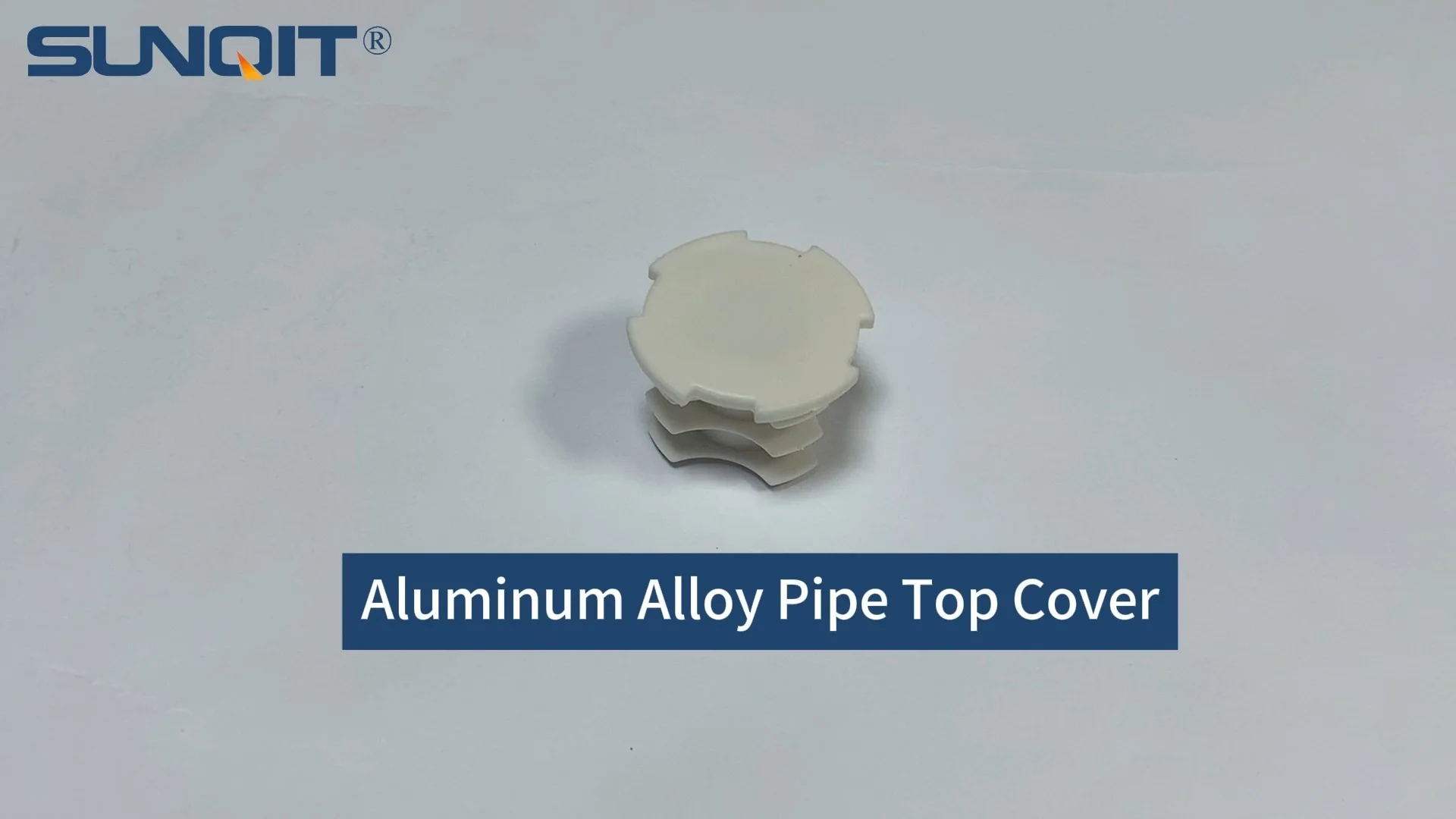
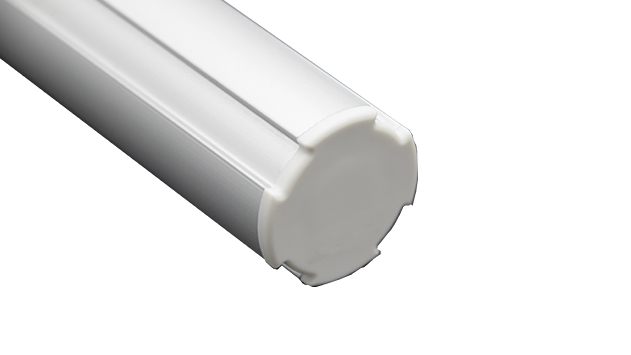
Plastic pipe cover to cover dia 28MM aluminum pipe end at workbench, flow rack, to prevent metal surface scratch material or worker.
Walk into any factory, warehouse, or workshop, and you'll notice something crucial hiding in plain sight: pipes. They snake through ceilings, line assembly lines, and support everything from conveyor belts to workbenches. But here's the thing—these unsung heroes of industrial spaces are constantly under attack. Scratches from moving equipment, corrosion from moisture, dents from accidental bumps, and even chemical spills can turn a sturdy pipe into a liability. That's where pipe protection comes in. Two of the most common solutions? Plastic pipe cover and heat shrink tubing. But which one deserves a spot in your toolbox? Let's dive in.
Whether you're working with lean pipe in a dynamic assembly line or aluminum pipe in a food processing plant, the right protection doesn't just extend the life of your equipment—it keeps your operations running smoothly, reduces downtime, and even boosts safety. So let's break down the pros, cons, and real-world uses of each option, with a little help from the folks who actually use them every day.
What Is Plastic Pipe Cover, Anyway?
If you've ever seen a pipe wrapped in a colorful, flexible sleeve, chances are you've encountered plastic pipe cover. Think of it as a "sweater" for your pipes—easy to slip on, available in a range of materials, and designed to shield against the daily grind. Most plastic pipe covers are made from materials like PVC, polyethylene, or rubber, and they come in rolls, pre-cut lengths, or even custom shapes to fit specific pipe diameters.
"We use plastic pipe cover on all our lean pipe workbenches," says Maria, a production manager at a small electronics manufacturer. "The assembly line is always changing—we rearrange workstations, move tools around, and those lean pipes take a beating. The plastic covers absorb the impact when someone bumps a cart into them, and they're so easy to replace if one gets torn. Plus, we color-code them: yellow for high-traffic areas, grey for static zones. It helps the team stay organized without adding extra labels."
Installation is a breeze. Unlike some protective solutions, plastic pipe cover doesn't require special tools or training. You simply slide it over the pipe, and in some cases, secure the ends with tape or zip ties if you need a tighter fit. This makes it ideal for temporary setups or environments where pipes might need to be adjusted—lean systems, after all, thrive on flexibility.
But it's not just about impact resistance. Plastic pipe cover also offers a layer of insulation (handy for pipes carrying hot or cold materials) and can prevent corrosion by acting as a barrier between the pipe and moisture or chemicals. And since it's lightweight, it doesn't add unnecessary bulk to your setup—important if you're working with overhead pipes or mobile structures like turnover trolleys.
Heat Shrink Tubing: The "Permanent Hug" for Pipes
Heat shrink tubing, on the other hand, is like a second skin for your pipes. It starts as a loose-fitting tube made of thermoplastic materials (polyolefin is the most common, but you'll also find PVC or fluoropolymer options for extreme conditions). When you apply heat—usually with a heat gun or even a hair dryer on high—it shrinks tightly around the pipe, creating a seamless, waterproof seal.
Jake, a maintenance supervisor at a beverage bottling plant, swears by heat shrink for their aluminum pipe conveyor systems. "Our aluminum pipes run through the washdown area, where they're sprayed with sanitizing chemicals multiple times a day. Plastic pipe cover would get soggy and peel off, but heat shrink? It's like it's welded on. No water gets in, no chemicals eat through the metal, and we haven't had to replace a single section in three years."
The key here is the "shrink ratio"—most heat shrink tubing shrinks to half its original diameter, though some heavy-duty versions can shrink to a third. This tight fit means it's not just for protection; it also works as an insulator, a strain relief for wires, or even a way to bundle pipes together. But that permanence is a double-edged sword. Once it's shrunk, removing heat shrink tubing is a hassle—you'll likely need to cut it off, which can damage the pipe underneath if you're not careful.
Another perk? Heat shrink tubing comes in a variety of thicknesses and colors, and some versions are even formulated to resist UV rays, extreme temperatures (from -55°C to 135°C in some cases), or harsh chemicals. That makes it a favorite in industries like oil and gas, marine, or food processing, where pipes face more than just physical wear and tear.
Side-by-Side: Plastic Pipe Cover vs. Heat Shrink Tubing
To really see how these two stack up, let's put them head-to-head. The table below breaks down their key features, so you can decide which one fits your needs.
| Feature | Plastic Pipe Cover | Heat Shrink Tubing |
|---|---|---|
| Material | PVC, polyethylene, rubber | Polyolefin, PVC, fluoropolymer |
| Installation | Slip-on; no tools needed (tape/zip ties optional) | Slide on, then heat with gun/torch to shrink |
| Adhesion | Loose fit; relies on friction or external fasteners | Tight, permanent bond to pipe surface |
| Water Resistance | Moderate (blocks splashes, but not fully waterproof) | Excellent (creates a sealed barrier) |
| Impact Protection | High (flexible material absorbs bumps/dents) | Moderate (thin, rigid once shrunk; less cushioning) |
| Reusability | Yes (can be removed and reused multiple times) | No (permanent; must be cut off to remove) |
| Cost (per foot) | Lower ($0.50–$2.00, depending on thickness) | Higher ($1.50–$5.00, plus heat gun cost) |
| Best For | Lean pipe workbenches, temporary setups, high-impact areas, color-coding, easy maintenance | Aluminum pipe, wet/chemical environments, permanent installations, insulation needs |

Real-World Wins: When to Choose Which
Theory is great, but nothing beats real-world examples. Let's look at two scenarios where the choice between plastic pipe cover and heat shrink tubing made all the difference.
Case Study 1: Lean Pipe Assembly Line in a Furniture Factory
A mid-sized furniture manufacturer was struggling with frequent damage to their lean pipe workstations. The team was constantly moving heavy wooden panels, and the metal lean pipes were getting scratched and dented, leading to splinters in the wood (a quality control nightmare). They tried wrapping the pipes in duct tape first, but it peeled off quickly and left sticky residue. Then they switched to plastic pipe cover.
"It was a game-changer," says Tom, the floor supervisor. "The plastic covers are thick enough to absorb the impact when a panel hits the pipe, and they don't leave any residue if we need to reposition a workstation. We even use the yellow ones on the edges of the roller track—those get hit the most, and the color reminds everyone to be careful. Since we started using them six months ago, we've cut down on pipe repairs by 70%."
Case Study 2: Aluminum Pipe Conveyor in a Pharmaceutical Lab
A pharmaceutical lab uses aluminum pipe to transport vials between testing stations. The pipes are exposed to daily sanitization with hydrogen peroxide, and they run through a cold room where temperatures drop to 4°C. Plastic pipe cover kept slipping off in the cold and deteriorating from the peroxide, leaving the aluminum pipes vulnerable to corrosion.
"We switched to heat shrink tubing with a chemical-resistant coating," explains Dr. Lee, the lab manager. "It shrinks tight around the aluminum pipe, so there's no gap for moisture or chemicals to seep in. The cold doesn't affect it at all, and we don't have to worry about it peeling off during cleaning. It was a bit pricier upfront, but we haven't had a single corroded pipe since—saving us thousands in replacement costs."

How to Pick the Right One for Your Pipes
Still on the fence? Here are a few questions to ask yourself before deciding:
1. What's the environment like? If your pipes are indoors, in a dry, low-impact area, plastic pipe cover might be all you need. But if they're outdoors, exposed to moisture, chemicals, or extreme temperatures, heat shrink tubing's sealed barrier is probably a better bet.
2. How often do you need to adjust your setup? Lean systems are all about flexibility—if you're constantly rearranging lean pipe workbenches or roller tracks, plastic pipe cover's reusability and easy installation will save you time and frustration. Heat shrink is better for permanent setups where pipes stay put.
3. What's your budget? Plastic pipe cover is generally cheaper upfront, especially if you need to cover a lot of pipe. But if you're in a high-wear environment, heat shrink might last longer, making it more cost-effective in the long run.
4. What material is your pipe made of? Aluminum pipe, for example, is prone to corrosion if not protected, so heat shrink's waterproof seal is a plus. Lean pipe (often steel with a plastic coating) is more about impact resistance, where plastic pipe cover shines.
5. Do you need color-coding or labeling? Both options come in colors, but plastic pipe cover is easier to swap out if you need to change your system's color scheme. Heat shrink is permanent, so you'll need to plan your colors carefully.
Final Thoughts: It's All About Protection (and Practicality)
At the end of the day, both plastic pipe cover and heat shrink tubing do one job: protect your pipes. But they go about it in very different ways. Plastic pipe cover is the practical, flexible choice for dynamic, low-to-moderate wear environments—think lean pipe workbenches, roller tracks, or temporary setups. Heat shrink tubing is the heavy-duty, long-term solution for pipes facing moisture, chemicals, or extreme conditions—like aluminum pipe in food processing or marine applications.
"I don't think one is better than the other," Maria from the electronics plant sums up. "We use both! Plastic cover on the lean pipes that move, heat shrink on the fixed aluminum pipe that runs along the ceiling. It's about matching the protection to the problem."
So take a walk around your workspace, note where your pipes are, and ask: What are they up against? Once you know that, choosing between plastic pipe cover and heat shrink tubing will be a no-brainer. And your pipes? They'll thank you for it.