- Company Articles
- Products and Technology
- Product knowledge
- Plastic Pipe Cover vs Metal: Pros and Cons for Industrial Applications

Plastic Pipe Cover vs Metal: Pros and Cons for Industrial Applications
Related Product
Plastic Pipe Cover
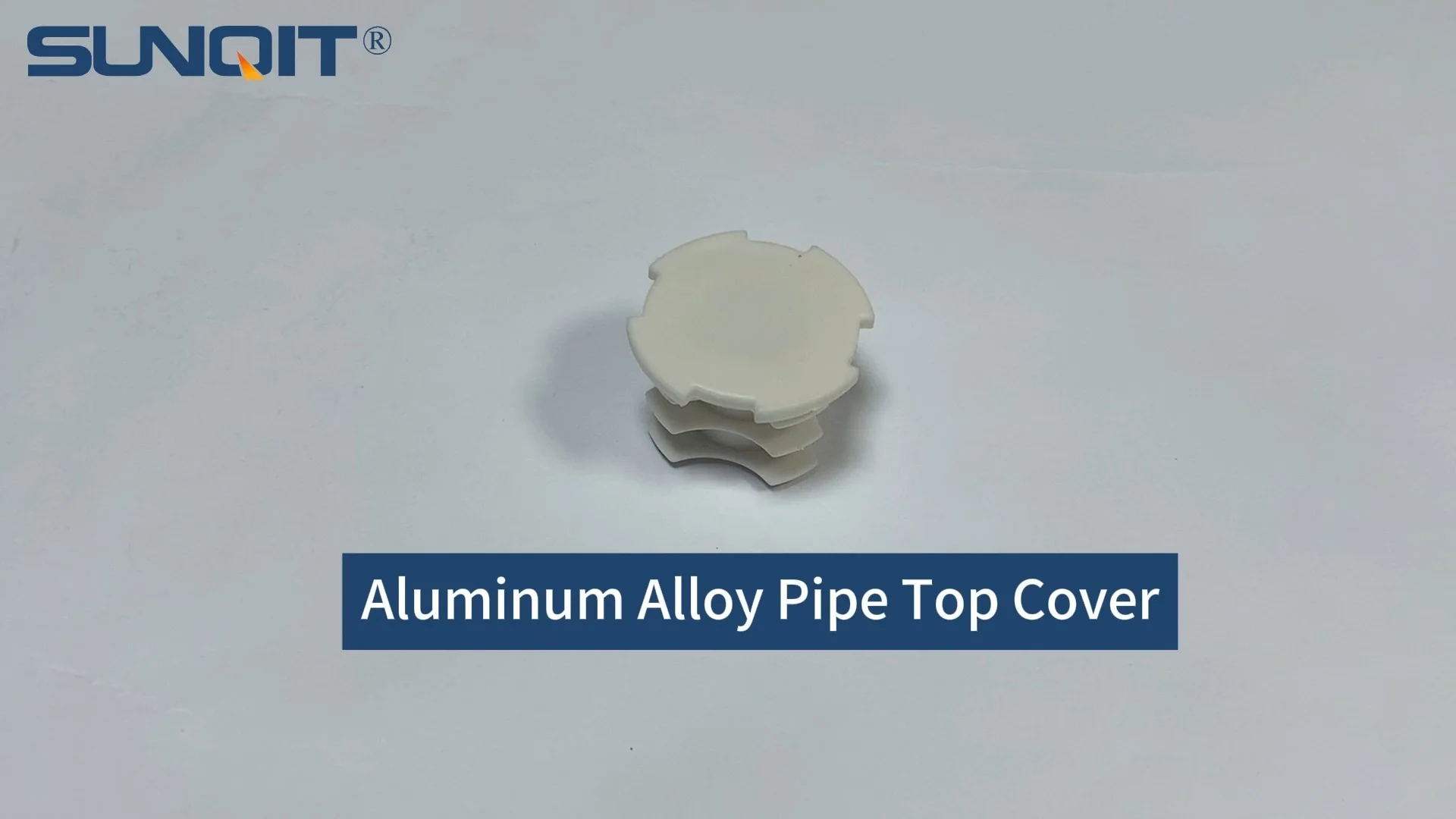
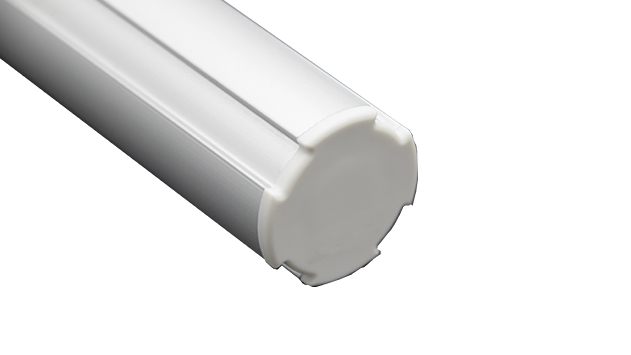
Plastic pipe cover to cover dia 28MM aluminum pipe end at workbench, flow rack, to prevent metal surface scratch material or worker.
In the bustling world of industrial operations, where every component plays a role in keeping workflows smooth and efficient, there's one unsung hero that often goes unnoticed: the pipe cover. Whether you're setting up a lean pipe workbench on the factory floor, installing a stainless steel pipe series in a chemical plant, or assembling an aluminum profile structure for material handling, the choice between plastic and metal pipe covers can impact everything from safety to long-term costs. These unassuming accessories do more than just protect pipes—they shield workers from sharp edges, prevent corrosion, insulate against heat or cold, and even contribute to the overall organization of a space. But with so many options on the market, how do you decide whether plastic or metal is the right fit for your industrial needs? Let's dive in, explore their unique traits, and break down the pros and cons to help you make an informed choice.
First Things First: What Are Pipe Covers, Anyway?
Before we compare plastic and metal, let's clarify what we're talking about. Pipe covers—also called pipe sleeves, pipe guards, or pipe insulation covers—are protective layers designed to fit over pipes, tubes, or profiles. They come in various shapes, sizes, and materials, tailored to specific industrial demands. In settings like manufacturing plants, warehouses, or assembly lines, they're used to cover everything from lean pipes (used in modular workstations) to heavy-duty stainless steel pipes carrying chemicals or high-temperature fluids. Their primary jobs? To protect the underlying pipe from damage, shield personnel from hazards like cuts or burns, and sometimes even improve the pipe's performance (e.g., by insulating against temperature loss or gain).
Now, let's zoom in on the two main contenders: plastic and metal pipe covers. Each has its own set of strengths and weaknesses, and understanding them is key to matching the right cover to your application.
Plastic Pipe Covers: Lightweight, Versatile, and Cost-Effective
Plastic pipe covers are a staple in many industrial environments, thanks to their adaptability and affordability. Made from materials like polyvinyl chloride (PVC), polyethylene (PE), polypropylene (PP), or even nylon, they're designed to balance functionality with practicality. Let's unpack their pros and cons.
Pros of Plastic Pipe Covers
- Lightweight and Easy to Handle : One of the biggest draws of plastic covers is their weight—or lack thereof. Unlike metal, which can require heavy lifting equipment, plastic covers are lightweight enough for a single worker to install, reducing labor time and costs. This is especially valuable in fast-paced settings, like when assembling a turnover trolley or a temporary material rack, where quick setup is critical.
- Exceptional Corrosion Resistance : Plastic is naturally resistant to rust, chemicals, and moisture, making it ideal for environments where pipes are exposed to water, oils, or corrosive substances. For example, in food processing plants or pharmaceutical facilities, where strict hygiene standards apply, plastic covers won't degrade when cleaned with harsh disinfectants—a major advantage over uncoated metal.
- Cost-Effective : Plastic materials are generally cheaper to produce than metal, which translates to lower upfront costs for buyers. If you're outfitting a large facility with hundreds of lean pipes or aluminum guide rails, the savings can add up quickly. Plus, their lightweight nature reduces shipping costs, another budget-friendly perk.
- Flexible and Customizable : Plastic can be molded into almost any shape or size, allowing for a wide range of designs. Need a cover with a specific diameter to fit a 38 aluminum roller track? Or a yellow plastic roller track guide rail to match your facility's color-coding system? Plastic delivers. Many manufacturers also offer custom colors, which helps with organization—think red for high-temperature pipes, blue for water lines, or grey for general use.
- Insulating Properties : Unlike metal, which conducts heat and electricity, plastic is an insulator. This makes it a smart choice for pipes carrying hot or cold fluids, as it helps maintain temperature and reduces energy loss. It also lowers the risk of electrical shock if the pipe is near live wires, adding an extra layer of safety.
- Low Maintenance : Plastic covers don't require painting, polishing, or anti-corrosion treatments. A simple wipe-down with soap and water is usually enough to keep them clean and functional. This is a boon for busy maintenance teams who don't have time for frequent upkeep.
Cons of Plastic Pipe Covers
- Limited Temperature Resistance : While some high-grade plastics (like polypropylene) can handle moderate heat, most plastic covers struggle in extreme temperatures. Expose them to prolonged heat (above 100°C/212°F) or freezing cold, and they may warp, crack, or become brittle. This rules them out for applications like industrial ovens, foundries, or outdoor setups in harsh climates.
- Lower Strength and Durability : Plastic is no match for metal when it comes to withstanding heavy impacts or loads. A dropped tool or a collision with a forklift could easily crack or dent a plastic cover, leaving the underlying pipe vulnerable. In high-traffic areas, like near conveyor belts or roller tracks, metal might be a sturdier choice.
- UV Degradation Over Time : If used outdoors or in areas with direct sunlight, plastic covers can degrade due to UV exposure. Over time, they may fade, become brittle, or lose their structural integrity. While some plastics are UV-stabilized, this adds to the cost and isn't a guarantee of lifelong protection.
- Not Ideal for Heavy-Duty Applications : In settings where pipes are under high pressure or carry heavy materials, plastic covers may not provide enough support. For example, a stainless steel pipe series used in oil refineries or construction would likely require the rigidity of metal covers to prevent damage.
Metal Pipe Covers: Strength, Durability, and Longevity
Metal pipe covers, often made from stainless steel, aluminum, or galvanized steel, are the workhorses of industrial environments where strength and resilience are non-negotiable. They're built to withstand tough conditions, from extreme temperatures to heavy impacts. Let's explore their advantages and drawbacks.
Pros of Metal Pipe Covers
- Unmatched Strength and Durability : Metal is inherently strong, making it ideal for protecting pipes in high-stress environments. Whether it's a 2.0mm stainless steel pipe series in a chemical plant or an aluminum extrusion profile in an automotive factory, metal covers can handle heavy loads, impacts, and pressure without bending or breaking. They're built to last decades, even in harsh conditions.
- High Temperature Resistance : Unlike plastic, metal thrives in extreme temperatures. Stainless steel, for example, can withstand heat up to 870°C (1600°F), making it perfect for pipes carrying hot gases, steam, or molten materials. Aluminum, while not as heat-resistant as stainless steel, still holds up well in moderate heat, making it a solid choice for industrial ovens or foundries.
- Fire Resistance : Metal is non-combustible, which is a critical safety feature in industrial settings where fire risks are high. In the event of a fire, metal covers won't melt or release toxic fumes, helping to contain the spread and protect the underlying pipes. This is a major advantage over plastic, which can ignite and contribute to fire hazards.
- Aesthetic and Professional Look : Metal covers have a sleek, industrial appearance that many facilities prefer. Polished stainless steel or anodized aluminum can give a workspace a clean, modern look—something that matters in settings like showrooms or client-facing areas. They also age well, developing a patina over time that some find appealing.
- Recyclable and Sustainable : Most metals are 100% recyclable, making them an eco-friendly choice. At the end of their lifespan, metal covers can be melted down and repurposed, reducing waste. This aligns with the growing trend toward sustainable manufacturing practices.
Cons of Metal Pipe Covers
- Heavy and Hard to Install : Metal's strength comes with a downside: weight. Installing metal covers often requires multiple workers or lifting equipment, increasing labor costs and setup time. For example, outfitting a long roller track with stainless steel covers might take twice as long as plastic, which can slow down project timelines.
- Prone to Corrosion (Unless Treated) : While stainless steel and aluminum are corrosion-resistant, plain steel covers will rust if exposed to moisture or chemicals. Even aluminum can corrode in highly acidic environments without proper coating. This means extra costs for treatments like galvanization or powder coating, which add to the overall expense.
- Higher Upfront Costs : Metal is more expensive than plastic, both in material and production costs. For small-scale projects, like a single workbench, the difference might be negligible, but for large facilities, the price tag can be prohibitive. Budget-conscious buyers may opt for plastic to save money upfront, even if metal offers better long-term value.
- Conductive Properties : Metal conducts heat and electricity, which can be a hazard. If a metal cover comes into contact with a hot pipe, it can become scalding to the touch, risking burns. Similarly, in electrical settings, it may conduct current, increasing the risk of shock. This requires extra precautions, like adding insulating layers or avoiding metal in sensitive areas.
- Limited Customization : While metal can be cut and shaped, it's not as flexible as plastic. Custom designs or colors often require specialized tools or processes, which can drive up costs. For example, getting a metal cover in a specific shade to match your facility's branding might not be feasible without a large order.

Plastic vs. Metal Pipe Covers: A Side-by-Side Comparison
To make it easier to weigh your options, here's a breakdown of how plastic and metal pipe covers stack up across key categories:
| Feature | Plastic Pipe Covers | Metal Pipe Covers |
|---|---|---|
| Common Materials | PVC, polyethylene, polypropylene, nylon | Stainless steel, aluminum, galvanized steel |
| Weight | Lightweight (easy for solo installation) | Heavy (often requires tools or team lifting) |
| Corrosion Resistance | Excellent (resists moisture, chemicals, rust) | Good (stainless steel/aluminum); poor (uncoated steel) |
| Temperature Range | -20°C to 100°C (varies by plastic type) | -50°C to 870°C (stainless steel); up to 300°C (aluminum) |
| Cost (Upfront) | Low to moderate | Moderate to high |
| Installation Difficulty | Easy (snaps on or slides over pipes) | Moderate to hard (may require cutting, drilling, or welding) |
| Durability | Good for light use; prone to cracking under impact | Excellent (resists impacts, heavy loads, and wear) |
| Fire Resistance | Poor (melts/ignites at high temps) | Excellent (non-combustible) |
| Customization | High (moldable into shapes/colors) | Low to moderate (limited shapes/colors without extra cost) |
| Maintenance | Low (wipe clean; no coatings needed) | Moderate (may require painting, polishing, or anti-corrosion treatments) |
| Best For | Indoor use, low-temperature environments, chemical exposure, cost-sensitive projects | Heavy industry, high temperatures, outdoor use, structural support, high-impact areas |

Real-World Applications: When to Choose Plastic or Metal
Now that we've covered the pros and cons, let's look at specific industrial scenarios where one material shines over the other. This will help you map your needs to the right cover.
When to Choose Plastic Pipe Covers
Plastic covers are the go-to choice in environments where flexibility, cost, and corrosion resistance are top priorities. Here are some common use cases:
- Food and Beverage Processing : In plants where pipes carry water, juices, or sauces, plastic covers are ideal. They resist corrosion from acidic or sugary liquids, are easy to clean, and don't leach chemicals into food products. For example, a plastic roller track guide rail in a bottling line can safely transport bottles without rusting or contaminating the product.
- Pharmaceutical Manufacturing : Strict hygiene standards require materials that won't harbor bacteria or react with cleaning agents. Plastic covers meet this need, as they're non-porous and can withstand frequent sanitization. A lean pipe workbench in a pill-packaging area might use plastic covers to maintain a sterile environment.
- Electronics Assembly : ESD (electrostatic discharge) protection is critical in electronics plants. Plastic covers, especially those with ESD-safe additives, prevent static buildup, protecting sensitive components like circuit boards. An ESD workstation with plastic-covered lean pipes reduces the risk of damaging expensive electronics.
- Indoor Material Handling : For turnover trolleys, material racks, or workbenches used indoors, plastic covers offer lightweight durability. They're easy to maneuver, won't scratch floors, and hold up well to daily use. A material rack B (3 row and 3 floor) with plastic-covered pipes is easier to reposition than a metal-covered one, saving time during layout changes.
- Low-Temperature Storage : In cold rooms or freezers, plastic covers resist brittleness better than some metals (like aluminum, which can become brittle in extreme cold). They also insulate pipes, helping maintain low temperatures and reduce energy costs.
When to Choose Metal Pipe Covers
Metal covers are the better choice when strength, heat resistance, or longevity is non-negotiable. Here are their prime applications:
- Heavy Industry : In factories with heavy machinery, like automotive or steel production, metal covers protect pipes from impacts, vibrations, and high temperatures. A stainless steel pipe series in a welding shop, for example, can withstand sparks and heat without melting or degrading.
- Outdoor Installations : Exposed to rain, snow, and UV rays, outdoor pipes need durable covers. Stainless steel or galvanized metal resists rust and stands up to harsh weather, making it ideal for outdoor conveyor systems or material racks.
- High-Temperature Environments : Pipes carrying steam, hot oils, or molten materials require covers that can handle extreme heat. Metal covers, especially stainless steel, are up to the task. In a refinery, for instance, metal-covered pipes safely transport hot petroleum products without risk of melting.
- Structural Support : When pipes double as structural elements—like in a mezzanine or overhead rack—metal covers add strength and stability. Aluminum profile structures with metal covers can support heavy loads, making them suitable for warehouses storing large equipment.
- Hazardous Areas : In environments with fire risks (e.g., chemical plants, oil refineries), metal's non-combustible nature is a lifesaver. It won't fuel fires or release toxic fumes, adding an extra layer of safety for workers.
Making the Right Choice: It All Comes Down to Your Needs
At the end of the day, there's no "better" material—only the better material for your specific application. Plastic pipe covers excel in lightweight, cost-sensitive, and corrosion-prone environments, while metal covers shine in high-stress, high-temperature, or outdoor settings. To decide, ask yourself these questions:
- What's my budget? If upfront costs are a concern, plastic may be the way to go.
- Where will the pipes be installed? Indoors vs. outdoors, or in a high-temperature area?
- What conditions will the covers face? Chemicals, moisture, impacts, or UV exposure?
- How long do I need the covers to last? Metal offers longer longevity, but plastic may be sufficient for short-term projects.
- What's the weight limit? If the covers need to support heavy loads, metal is stronger.
For many facilities, a hybrid approach works best: plastic covers for indoor, low-stress areas and metal covers for outdoor or high-heat zones. For example, a factory might use plastic covers on its lean pipe workbenches and metal covers on its outdoor conveyor system. This balances cost, functionality, and safety.
Whichever material you choose, partnering with a reliable supplier is key. Look for a lean pipe supplier or aluminum profile supplier who offers both plastic and metal options, and can help you assess your needs. They can provide samples, technical specs, and even custom solutions to ensure your pipe covers meet your exact requirements.
In the end, the right pipe cover isn't just a protective layer—it's an investment in efficiency, safety, and peace of mind. By weighing the pros and cons of plastic and metal, you'll choose a solution that keeps your industrial operations running smoothly for years to come.