- Company Articles
- Products and Technology
- Product knowledge
- Plastic Pipe Cover vs Rubber Grommets: When to Use Each for Pipe Edges

Plastic Pipe Cover vs Rubber Grommets: When to Use Each for Pipe Edges
Related Product
Plastic Pipe Cover
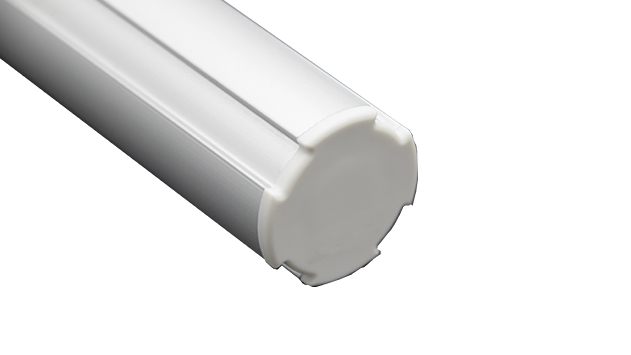
Plastic pipe cover to cover dia 28MM aluminum pipe end at workbench, flow rack, to prevent metal surface scratch material or worker.
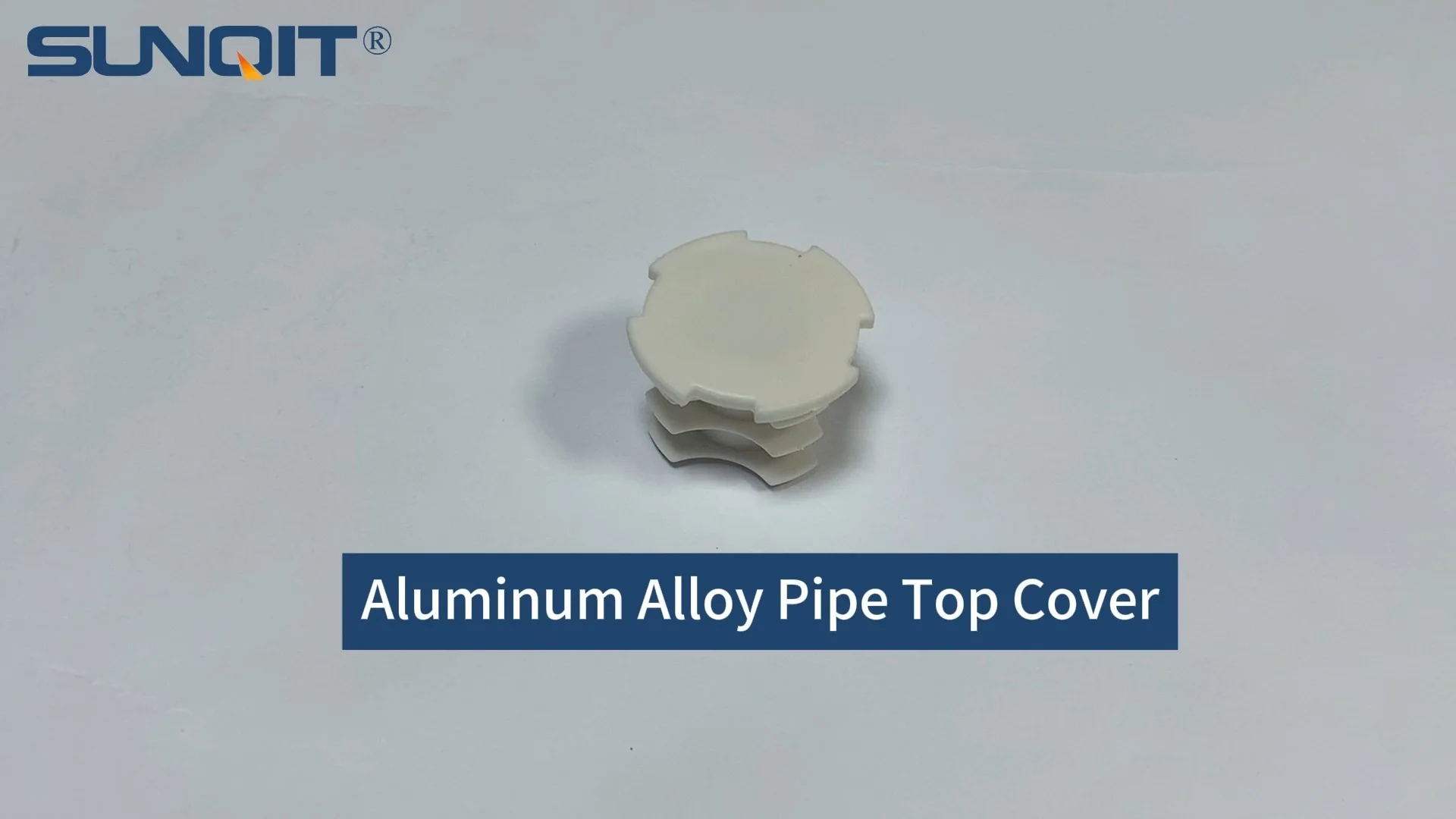
Introduction: The Unsung Heroes of Pipe Safety
Walk into any factory, workshop, or even a busy warehouse, and you'll probably spot rows of pipes snaking along walls, workbenches, or material racks. They're the silent backbone of operations—carrying fluids, supporting shelves, or forming the frame of a lean pipe workbench. But here's the thing: those pipes, as essential as they are, have a hidden flaw. Their edges—whether at the end of a tube, where two pipes meet, or where a joint connects—can be sharp, jagged, or just plain unforgiving. And that's where the real story begins.
I once visited a small electronics assembly plant where a worker had nicked their arm on a protruding pipe edge while reaching for a component. It was a minor cut, but it led to a 15-minute delay as they cleaned and bandaged it. Multiply that by a team of 20, and suddenly those "small" edges are costing hours of productivity. Worse, sharp edges can scratch delicate parts, fray cables, or even damage the pipes themselves over time. That's why choosing the right edge protection—like plastic pipe covers or rubber grommets—isn't just about safety. It's about keeping workflows smooth, products intact, and teams happy.
In this article, we're diving deep into two of the most common solutions: plastic pipe covers (think
plastic pipe end cap
products) and rubber grommets. We'll break down what they are, how they work, and when to reach for one over the other. By the end, you'll know exactly which tool to grab the next time you're staring at a sharp pipe edge—whether you're setting up a new lean system or maintaining an existing one.
What Are Plastic Pipe Covers, Anyway?
Let's start with the basics. Plastic pipe covers are exactly what they sound like: protective sleeves, caps, or shields made from plastic that slip over or onto the edges of pipes. They're the first line of defense for exposed pipe ends, and you've probably seen them without even realizing it. The most common type? The
plastic pipe end cap
—a simple, often cylindrical cap that snaps or screws onto the end of a pipe to seal it off and smooth out the edge.
Quick Example: Imagine a lean pipe joint connecting two aluminum lean pipes to form a workstation. The joint itself is sturdy, but where the pipe ends meet the joint, there might be a small gap or a rough edge. Sliding a plastic cover over that end not only covers the edge but also gives the joint a cleaner, more finished look.
Types of Plastic Pipe Covers
Plastic covers aren't one-size-fits-all. They come in shapes and sizes to match different pipes and needs:
End Caps:
The classic. These are designed to fit snugly over the open end of a pipe, like a lid on a jar. They're often made of rigid plastic (like PVC or polyethylene) and can be straight, domed, or even flanged. For example, a
plastic pipe end cap
for a 1-inch aluminum pipe might have a slightly tapered interior to grip the pipe tightly, so it doesn't fall off during use.
Sleeves:
These are longer than end caps, sliding over a section of the pipe rather than just the end. They're useful for covering edges along the length of a pipe—say, where a cut wasn't perfectly smooth, or where a joint protrudes slightly. Sleeves are often flexible, making them easy to install even on curved or irregular surfaces.
Flanged Covers:
These have a lip or flange that extends beyond the pipe edge, providing extra protection. They're great for high-traffic areas where people or equipment might brush against the pipe, like on a turnover trolley or a material rack. The flange acts as a buffer, absorbing impact and preventing direct contact with the edge.
Why Plastic? The Pros of Plastic Pipe Covers
Plastic might not seem as tough as metal, but it has some key advantages for edge protection:
Durability:
Modern plastics like nylon or polypropylene are surprisingly tough. They resist scratches, don't rust (unlike metal), and hold up well to oils, chemicals, and even moderate heat—perfect for factory environments where spills or temperature fluctuations are common.
Cost-Effective:
Plastic covers are generally cheaper to produce than rubber or metal alternatives. For small businesses or large-scale setups (like a warehouse with hundreds of pipe ends), this adds up fast. You can buy them in bulk without breaking the bank.
Easy Installation:
Most plastic covers are designed to be "snap-on" or "push-fit." No tools, no adhesives—just align the cover with the pipe end and press. Even a new employee can install a
plastic pipe end cap
in 10 seconds flat.
Aesthetics:
Let's not overlook this. Plastic covers come in colors—yellow, grey, black—that can match your existing setup. A clean, colored cap on a pipe end looks more professional than a ragged, exposed edge, which matters when clients or auditors walk through your facility.
Rubber Grommets: The Flexible Alternative
Now, let's shift gears to rubber grommets. If plastic covers are the "snap-on" solution, grommets are the "insider" protectors. Picture a small, ring-shaped piece of rubber with a hole in the middle. That hole is key—it's where a pipe, cable, or wire passes through, and the rubber around it cushions and protects both the pipe edge and whatever's passing through.
Unlike plastic covers, which mostly shield the end of a pipe, grommets are all about creating a barrier between a sharp edge and something else. For example, if you're running a cable through a hole in a metal pipe frame, the hole's edge might be sharp enough to cut the cable over time. A rubber grommet in that hole wraps around the cable, softening the contact point and preventing fraying.
What Makes Rubber Grommets Unique?
Rubber's superpower is flexibility. It can stretch, compress, and conform to irregular shapes, making grommets ideal for edges that aren't perfectly round or where a tight seal is needed. They're often made from materials like neoprene, silicone, or EPDM rubber, each with its own strengths—neoprene resists oils, silicone handles high temperatures, and EPDM stands up to weather.
Real-World Use Case: A manufacturer of medical devices once told me they switched to rubber grommets on their aluminum profile workbenches after a batch of sensitive wiring got damaged by sharp edges. The grommets not only protected the wires but also reduced vibration noise from the machinery, making the workspace quieter. Win-win.
Common Grommet Designs
Grommets come in more varieties than you might think. Here are the ones you'll see most often:
Standard Grommets:
The classic ring shape with a single hole. Used for simple applications like cable management or covering holes in metal panels.
Flanged Grommets:
These have a raised edge (flange) around one side, which helps keep the grommet in place when inserted into a hole. They're great for thicker materials, like the sides of a turnover trolley, where the grommet might otherwise slip through.
U-Shaped Grommets:
Designed for edges, not holes. Imagine a half-pipe of rubber that clamps onto the edge of a metal sheet or pipe, covering the sharp edge without needing a hole. Perfect for open edges on workbenches or shelving.

Plastic Pipe Cover vs Rubber Grommet: A Side-by-Side Comparison
Now that we know what each does, let's put them head-to-head. The table below breaks down their key differences, so you can see at a glance which one fits your needs.
| Feature | Plastic Pipe Covers (e.g., Plastic Pipe End Cap) | Rubber Grommets |
|---|---|---|
| Primary Use | Covering open pipe ends or smoothing rigid edges. | Protecting cables/wires passing through holes or cushioning irregular edges. |
| Material Flexibility | Rigid or semi-rigid; less flexible. | Highly flexible; stretches and conforms to shapes. |
| Installation | Snap-on, push-fit, or screw-on; quick and tool-free. | Press-fit into holes or clamped onto edges; may require some force to seat. |
| Durability | Resists impact, chemicals, and rust; good for high-wear areas. | Resists abrasion and vibration; may degrade in extreme heat or oil. |
| Best For | Lean pipe systems, aluminum profile workbenches, exposed pipe ends. | Cable management, holes in metal/plastic panels, irregular or curved edges. |
| Cost | Generally cheaper, especially in bulk. | Slightly more expensive, but often worth it for specialized protection. |

When to Choose Plastic Pipe Covers
Let's get practical. Plastic pipe covers shine in specific scenarios. Here's when you should reach for them first:
1. You Need to Seal Open Pipe Ends
If a pipe is open at the end—like the legs of a
lean pipe workbench
or the vertical supports of a material rack—you need to cover it. Open ends collect dust, debris, or even small tools (ever lost a nut down an open pipe?). A
plastic pipe end cap
snaps on, sealing the end and preventing all that. Plus, it smooths the edge, so no one scratches their hand when reaching under the bench.
Example: A warehouse using aluminum lean pipes to build a temporary storage rack. The open ends of the pipes are at waist height, where workers frequently reach. Adding plastic end caps eliminates the risk of cuts and keeps the rack looking neat.
2. The Pipe is Rigid and the Edge is Uniform
Plastic covers work best on pipes with straight, uniform edges—think round aluminum pipes or steel tubes with clean cuts. Since plastic is rigid, it can't conform to jagged or irregular edges as well as rubber. If your pipe edge is smooth and the diameter is consistent, a plastic cover will fit snugly and stay in place.
3. You're On a Tight Budget
Let's talk numbers. A pack of 50 plastic pipe end caps might cost $20–$30, while 50 rubber grommets could run $30–$50, depending on size and material. For large setups—like a factory floor with hundreds of pipe ends—plastic covers are the more budget-friendly choice. They get the job done without sacrificing basic protection.
When to Choose Rubber Grommets
Rubber grommets aren't just for cables. They're the go-to when plastic covers can't cut it (pun intended). Here are the scenarios where they're indispensable:
1. Cables, Wires, or Hoses Are Passing Through Holes
This is grommets' bread and butter. If you're running electrical wires, air hoses, or data cables through holes in metal, plastic, or wood, a grommet is non-negotiable. Without it, the hole's sharp edge will wear down the cable's insulation over time, leading to shorts, leaks, or even safety hazards.
Example: A robotics workshop where wires run from a control panel through the frame of a workbench. The frame is made of aluminum extrusion profile, and the holes drilled for the wires have sharp edges. Grommets in those holes protect the wires from abrasion, even as the robot moves and vibrates.
2. The Edge is Irregular or Curved
Plastic covers need a straight, even edge to grip. But what if your pipe has a bent end, a welded joint, or a rough cut? Rubber grommets (especially U-shaped ones) can wrap around those irregular edges, conforming to the shape and providing protection where plastic can't.
I once helped a furniture manufacturer that used bent steel pipes for chair frames. The bent ends were never perfectly smooth, so plastic caps kept popping off. Switching to U-shaped rubber grommets solved the problem—they clamped onto the curved edges and stayed put, even during shipping.
3. Vibration or Noise Reduction Matters
Rubber is a natural shock absorber. If your pipes or equipment vibrate (like a conveyor belt or a motorized material rack), grommets can dampen that vibration, reducing noise and preventing the pipe edges from wearing down the grommet itself. Plastic covers, being rigid, might rattle or crack under constant vibration.
The Wildcard: When to Use Both
Sometimes, the best solution isn't choosing one or the other—it's using both. Let's say you're building a lean pipe workbench with aluminum pipes. The vertical legs have open ends, so you cap those with
plastic pipe end caps
to keep out dust. But where the horizontal pipes connect to the legs (using a
lean pipe joint
), there's a small gap with a sharp edge where cables run through. So you add a rubber grommet around the cables where they pass through that joint. Now you've got full protection: sealed ends and safe cable management.
Pro Tip: Don't forget about aluminum profile accessories when combining solutions. Many aluminum extrusion profiles have pre-drilled holes or slots designed to fit grommets, while their ends are perfect for plastic caps. It's like the manufacturers already planned for this teamwork!
Installation Tips for Both Solutions
Even the best edge protector won't work if it's installed wrong. Here's how to get it right, whether you're using plastic covers or rubber grommets:
For Plastic Pipe Covers:
Measure Twice, Buy Once:
Pipe diameters can vary (1 inch, 0.5 inch, etc.), so check the pipe's outer diameter before buying caps. A cap that's too loose will fall off; too tight might crack when installing.
Clean the Edge First:
Dust, grease, or rust on the pipe end can prevent the cap from seating properly. Wipe it down with a cloth before snapping the cap on.
Apply Even Pressure:
For push-fit caps, press firmly but evenly around the edge to avoid warping the plastic. If it's a screw-on cap, don't overtighten—you might strip the threads.
For Rubber Grommets:
Match the Hole Size:
Grommets are sized by the hole they fit into, not the cable passing through. A grommet that's too small for the hole will pop out; too large won't seat properly. Most grommet packaging lists the recommended hole diameter.
Lubricate for Tight Fits:
If the grommet is stiff, a tiny bit of soapy water or silicone lubricant can help it slide into the hole. Just wipe off excess lubricant afterward to avoid attracting dust.
Check for Compression:
Once installed, the grommet should compress slightly around the cable or edge. If it's loose, it won't protect—replace it with a larger size.
Conclusion: Protecting Edges, Protecting Productivity
At the end of the day, plastic pipe covers and rubber grommets are more than just "add-ons." They're the small details that keep a workshop running like a well-oiled machine. A
plastic pipe end cap
on a lean pipe workbench prevents a cut; a rubber grommet in a cable hole stops a short circuit. Together, they turn a rough-around-the-edges setup into a safe, efficient workspace.
So, how do you choose? Start by asking:
What's the edge doing?
If it's an open pipe end, go with plastic. If there's a cable passing through, rubber is your friend. And when in doubt, mix and match—your team, your products, and your bottom line will thank you.
After all, in the world of manufacturing and logistics, it's the little things that make the biggest difference. And when it comes to pipe edges, those little things are plastic covers and rubber grommets. Now go out there and protect those edges—your future self (and your team) will be glad you did.