- Company Articles
- Products and Technology
- Product knowledge
- Plastic Pipe Cover vs Rubber: Which Offers Better Insulation for Pipes?

Plastic Pipe Cover vs Rubber: Which Offers Better Insulation for Pipes?
Related Product
Plastic Pipe Cover
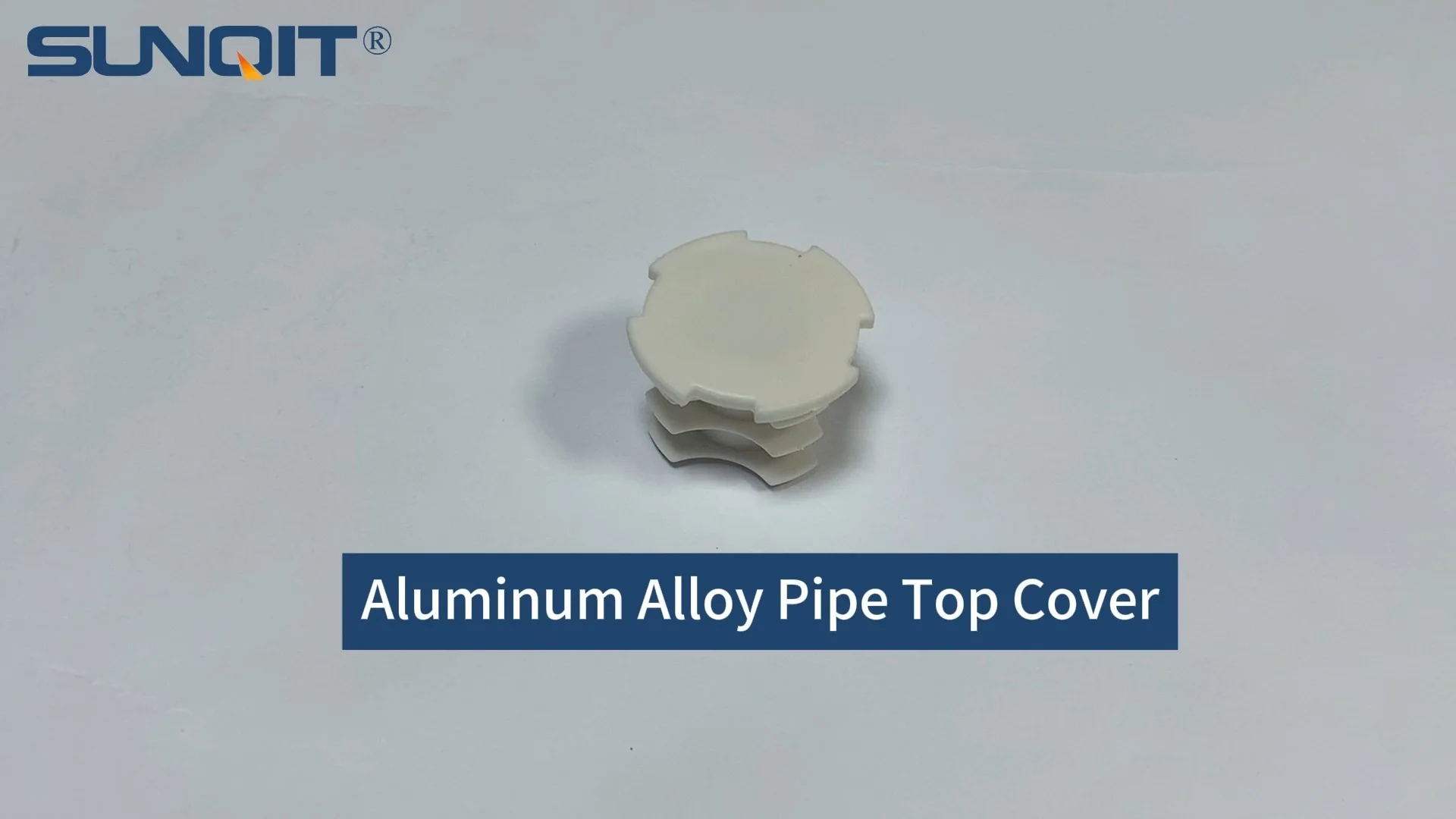
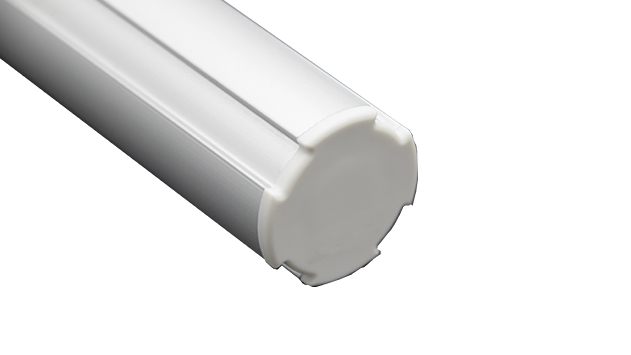
Plastic pipe cover to cover dia 28MM aluminum pipe end at workbench, flow rack, to prevent metal surface scratch material or worker.
Imagine walking into your basement on a frigid January morning to find a puddle spreading across the floor, traced back to a burst pipe. Or opening your energy bill in July and wincing at the cost of keeping your home cool, only to realize your uninsulated HVAC ducts are leaking cold air like a sieve. Pipe insulation might not be the most glamorous home improvement topic, but it's the unsung hero that keeps our homes comfortable, our utilities affordable, and our industrial operations running smoothly. Today, we're diving into two of the most popular insulation materials: plastic pipe covers and rubber. By the end, you'll know which one deserves a spot wrapping your pipes—whether you're a homeowner tackling a DIY project or a facility manager overseeing a sprawling industrial setup with stainless steel pipe series and aluminum profile supports.
Why Pipe Insulation Matters: More Than Just "Staying Warm"
Before we pit plastic against rubber, let's talk about why insulation is non-negotiable. At its core, pipe insulation does three critical jobs: it reduces heat loss (or gain), prevents condensation, and protects pipes from freezing. For homeowners, that translates to lower energy bills—up to 20% savings on heating and cooling costs, according to the U.S. Department of Energy. For businesses, especially those with stainless steel pipe series carrying hot liquids or chemicals, proper insulation ensures consistent temperatures, reduces waste, and extends equipment life.
Condensation might sound harmless, but it's a silent troublemaker. When cold pipes meet warm, humid air, water droplets form, leading to mold growth, rotting wood, and corroded metal. In industrial settings, this can even damage sensitive machinery or create safety hazards. And freezing? A burst pipe from ice expansion can cost thousands in repairs. Insulation acts as a barrier, keeping pipes at a stable temperature and warding off these disasters.
What Are Plastic Pipe Covers? A Closer Look
Plastic pipe covers are a broad category, ranging from rigid sleeves to flexible wraps, but they all share one key trait: they're made from polymers like PVC (polyvinyl chloride), polyethylene, or polypropylene. You've probably seen them in hardware stores—sleek, often white or gray tubes that slip over pipes, or rolls of thin, foam-like material with adhesive backing. One common type you might encounter is the plastic pipe end cap, a small but mighty accessory that seals the open end of a pipe, preventing heat loss, debris buildup, and even pest infestations. Think of it as the "cap" on a water bottle—simple, but essential for keeping contents (in this case, temperature) where they belong.
Plastic covers are prized for their affordability and versatility. They're lightweight, easy to cut with a utility knife, and resistant to moisture—making them a top pick for indoor pipes, like those under sinks or in basements. Some varieties are even treated with UV inhibitors, allowing them to be used outdoors, though they're not as durable in direct sunlight as rubber. In industrial settings, plastic covers often pair with aluminum profile supports, creating a clean, structured setup where pipes are neatly organized and insulated without adding bulk.
Common Types of Plastic Pipe Insulation
Not all plastic covers are created equal. Here are the most popular options:
- Foam Board/Sleeves: Rigid or semi-rigid tubes with a foam core (usually polyethylene). They're pre-cut to standard pipe sizes, making installation a breeze. Great for straight pipes but tricky around bends.
- Flexible Plastic Wraps: Thin, roll-out sheets that can be wrapped around irregularly shaped pipes or fittings. Often have self-adhesive edges for a snug fit.
- Plastic Pipe End Cap: As mentioned, these seal pipe ends. They're typically made of rigid PVC and slip over the pipe's opening, sometimes with a rubber gasket for extra tightness.
- Corrugated Plastic Covers: Lightweight and durable, with a ridged design that adds strength. Common in outdoor applications or where pipes need protection from physical damage, not just temperature.
What Is Rubber Pipe Insulation? The Flexible Contender
Rubber insulation, on the other hand, is all about flexibility and density. Made from either natural rubber (derived from latex) or synthetic rubbers like EPDM (ethylene propylene diene monomer) or neoprene, it's soft to the touch, stretchy, and often comes in thick, tube-like form. Unlike plastic, which can feel rigid, rubber molds to pipes, hugging every curve and fitting snugly around valves and elbows—no gaps, no awkward cutting required.
Rubber's claim to fame is its thermal performance. Its dense, cellular structure traps air pockets, creating a superior barrier against heat transfer. That's why you'll often find it in commercial buildings, hospitals, and industrial facilities where precise temperature control is critical—even wrapping around stainless steel pipe series carrying hot water or chemicals. It's also naturally resistant to moisture and mildew, making it a star in humid environments like bathrooms, kitchens, or outdoor setups.
Types of Rubber Insulation
Rubber insulation comes in a few key forms, each suited to different needs:
- Rubber Tubes: Pre-slit tubes that slide over pipes, with an adhesive strip to seal the slit. The most common type for residential and light commercial use.
- Rubber Sheets: Thick, flexible sheets that can be cut and wrapped around large pipes or irregular shapes. Often used in industrial settings with custom pipe configurations.
- Self-Sealing Rubber: A premium option with a peel-and-stick backing and a moisture barrier (like foil or plastic) to prevent condensation. Ideal for cold pipes in humid areas.
- Neoprene Insulation: A synthetic rubber known for chemical resistance, making it perfect for pipes carrying oils, acids, or other harsh substances—common in factories with stainless steel pipe series.

Thermal Performance: Battle of the R-Values
When it comes to insulation, the gold standard is the R-value—a measure of thermal resistance. The higher the R-value, the better the material is at blocking heat flow. Let's compare plastic and rubber head-to-head here, using 1-inch thick samples (a common insulation thickness for residential pipes).
Plastic foam covers, like polyethylene, typically have an R-value between 3.0 and 4.0 per inch. PVC-based covers are slightly lower, around 2.8 to 3.5. Rubber, especially closed-cell varieties like EPDM, blows this out of the water with R-values ranging from 4.5 to 5.5 per inch. That might not sound like a huge difference, but over time, it adds up. For example, a 20-foot section of 1-inch copper pipe carrying hot water at 140°F: with plastic insulation (R-3.5), it might lose 1,200 BTUs per hour. With rubber (R-5.0), that drops to 840 BTUs—saving over 30% in heat loss.
But context matters. If you're insulating cold pipes in a mild climate, plastic's R-value might be enough. For hot pipes, outdoor lines, or extreme temperatures, rubber's higher R-value is worth the investment. This is especially true for industrial settings with stainless steel pipe series, where even small heat losses can lead to significant energy waste and higher operational costs.

Durability: Which Material Lasts Longer?
No one wants to re-insulate their pipes every few years, so durability is key. Let's break down how plastic and rubber hold up over time, considering factors like UV exposure, physical wear, and chemical resistance.
Plastic Pipe Covers: Rigid but Prone to Cracking
Plastic is tough, but it has a weakness: brittleness. Over time, especially when exposed to UV light (think outdoor pipes or those near windows), plastic covers can dry out, fade, and crack. Even indoor plastic can become brittle if temperatures fluctuate drastically—like a pipe near a furnace that gets hot in winter and cool in summer. Rigid plastic sleeves are also vulnerable to impact; a stray tool in the basement or a shifting box in the attic can dent or split them, creating gaps in insulation.
Moisture resistance is a mixed bag. While plastic doesn't absorb water, cracks or splits can let moisture seep in, leading to mold growth between the cover and the pipe. And if you're using plastic around chemicals or oils (common in industrial setups with stainless steel pipe series), some plastics (like PVC) can degrade over time, losing their insulating properties.
Rubber: Flexible and Resilient
Rubber, especially synthetic varieties like EPDM, is a durability champion. It's flexible, so it can bend without cracking—even in freezing temperatures. UV exposure? Rubber holds up better than plastic, though it's still smart to add a UV-resistant coating for outdoor use. Moisture? Closed-cell rubber is virtually waterproof; even if the outer layer gets wet, the insulation itself stays dry, preventing mold and mildew.
Chemical resistance is another rubber win. Neoprene rubber, for example, stands up to oils, solvents, and acids—making it a staple in factories where stainless steel pipe series carry everything from hydraulic fluids to cleaning agents. Rubber also ages gracefully; it might soften slightly over decades, but it won't crack or crumble like plastic. In fact, many rubber insulation products come with 10- to 20-year warranties, while plastic often tops out at 5-10 years.
Installation Ease: DIY-Friendly or Pro Territory?
If you're a weekend warrior with a utility knife and a can-do attitude, installation ease matters. Let's see how plastic and rubber stack up for DIYers and pros alike.
Plastic Pipe Covers: Simple but Less Forgiving
Plastic covers are generally easier to install for beginners—especially pre-slit foam sleeves. Here's how it works: measure your pipe, cut the sleeve to length with scissors or a knife, slip it over the pipe, and seal the seam with tape (if needed). Rigid plastic sleeves might require a bit more precision—you'll need to cut them straight to avoid gaps—but they're still manageable for most DIYers.
The downside? Plastic is less forgiving around bends, valves, or T-joints. You'll need to cut notches or use special fittings (like the plastic pipe end cap for terminating lines) to get a snug fit, which can be tricky if you're not handy. And if you make a mistake—like cutting a sleeve too short—you'll need to start over with a new piece, which adds cost and frustration.
Rubber: A Bit Trickier, but More Versatile
Rubber installation requires a steady hand, but its flexibility makes it easier to handle complex pipe shapes. Pre-slit rubber tubes slide over pipes smoothly, and the adhesive strip seals the slit tightly—no tape needed. For bends or valves, you can stretch the rubber slightly to conform to the shape, or cut small slits to allow it to fold around corners. This makes rubber a favorite for plumbers and industrial installers working with custom setups, like aluminum profile-supported pipe racks with multiple angles.
The main challenge with rubber? It's thicker and denser than plastic, so cutting it can be harder—you'll need a sharp utility knife or heavy-duty scissors. And if you're working with large-diameter pipes, rubber sheets can be heavy and cumbersome to wrap. But for most home projects, the learning curve is small, and the result is a tighter, longer-lasting seal than plastic.
Cost Analysis: Short-Term Savings vs. Long-Term Value
Let's talk dollars and cents. Plastic pipe covers are almost always cheaper upfront. A 6-foot roll of 1-inch polyethylene foam sleeve costs around $5 to $10 at most hardware stores. Rubber, on the other hand, starts at $10 to $15 for the same length—and premium options (like self-sealing EPDM with a foil barrier) can hit $20 or more. For a small home project—say, insulating 20 feet of under-sink pipes—plastic might save you $20 to $30 upfront.
But here's the catch: rubber lasts longer. Plastic covers might need replacement every 5 to 8 years (sooner if exposed to UV or physical damage). Rubber? With proper installation, it can last 15 to 20 years. When you factor in replacement costs and energy savings (remember that 30% heat loss reduction?), rubber often comes out ahead over time. For example, if you save $50 a year on energy bills with rubber, you'll recoup the upfront cost in 2 to 3 years—and then keep saving for another decade or more.
Industrial users with stainless steel pipe series or aluminum profile-supported systems will see even bigger long-term gains. A factory with miles of pipes could save tens of thousands in energy costs annually with rubber insulation, easily justifying the higher initial investment.
Environmental Impact: Which Is Greener?
In an era of eco-conscious choices, sustainability matters. Let's compare plastic and rubber from a green perspective—looking at manufacturing, recyclability, and end-of-life disposal.
Plastic Pipe Covers: Convenient but Problematic
Most plastic insulation is made from non-renewable fossil fuels, and manufacturing it releases greenhouse gases. Recyclability is limited: while some polyethylene foams can be recycled, many are mixed with additives (like fire retardants) that make them hard to process. When plastic covers reach the end of their life, they often end up in landfills, where they can take centuries to break down. Even "biodegradable" plastics require specific conditions (like industrial composting) to degrade, which aren't widely available.
Rubber: A More Sustainable Option
Rubber has a greener edge, especially natural rubber, which comes from renewable latex trees. Synthetic rubbers like EPDM are still fossil fuel-based, but they're often more recyclable than plastic. Many rubber insulation products are also free of harmful chemicals (like formaldehyde), making them safer to handle and dispose of. At the end of their life, rubber can be ground up and repurposed into mulch, playground surfaces, or even new rubber products—though this isn't yet mainstream.
That said, no insulation is perfect. Both plastic and rubber require energy to produce, and transportation emissions add to their carbon footprints. If sustainability is your top priority, look for rubber insulation made from recycled materials or brands with strong environmental certifications.
Use Cases: When to Choose Plastic, When to Choose Rubber
The "best" insulation depends on your specific needs. Here are real-world scenarios where plastic or rubber shines:
Choose Plastic If…
- You're on a tight budget: Plastic is the clear winner for short-term, low-cost projects—like insulating a few indoor pipes in a rental home.
- You need quick, easy installation: DIYers new to insulation will appreciate plastic's simplicity, especially pre-slit foam sleeves.
- Your pipes are in a dry, stable environment: Indoor pipes away from UV light, extreme temperatures, or moisture (like a basement with low humidity) are ideal for plastic.
- You're using a plastic pipe end cap: Pairing a plastic cover with a plastic end cap creates a seamless, budget-friendly seal for pipe ends.
Choose Rubber If…
- You want long-term savings: Rubber's higher R-value and durability pay off over time, making it worth the upfront cost for homeowners or businesses with stainless steel pipe series.
- Your pipes are in harsh conditions: Outdoor pipes, humid areas (like bathrooms), or pipes carrying hot/chemical-laden fluids (common in industrial setups with aluminum profile supports) need rubber's resilience.
- Sustainability matters to you: Rubber's recyclability and renewable options (natural rubber) make it a greener choice.
- You have complex pipe shapes: Rubber's flexibility makes it perfect for bends, valves, and irregular configurations—no gaps, no wasted material.
| Feature | Plastic Pipe Covers | Rubber Insulation |
|---|---|---|
| R-Value (per inch) | 2.8–4.0 | 4.5–5.5 |
| Durability | 5–8 years (indoor), 3–5 years (outdoor) | 15–20 years (indoor), 10–15 years (outdoor) |
| Installation Ease | Easy for beginners; best for straight pipes | Moderate; better for complex shapes |
| Cost (per 6-foot roll, 1-inch thick) | $5–$10 | $10–$20+ |
| Best For | Budget projects, indoor dry pipes, simple setups | Energy efficiency, harsh environments, complex pipes |
Expert Insights: What the Pros Recommend
To get the real scoop, I chatted with Mark, a master plumber with 25 years of experience, and Sarah, a facilities manager at a manufacturing plant with miles of stainless steel pipe series. Here's what they had to say:
Mark (Plumber): "For homeowners, I usually recommend rubber for hot water pipes and plastic for cold—unless they live in a humid area, then rubber all the way. I've seen too many plastic cold pipe covers get moldy because of condensation. And don't skimp on the plastic pipe end cap—those little caps prevent heat loss at the ends and keep bugs out!"
Sarah (Facilities Manager): "In our plant, we use rubber on all stainless steel pipe series carrying hot liquids. The energy savings alone justify the cost. For cold water lines in dry areas, we use plastic to save money, but we pair it with aluminum profile supports to protect the covers from damage. Durability is key—we can't afford downtime from pipe issues."
Conclusion: Making the Right Choice for Your Pipes
So, plastic pipe cover vs. rubber—who wins? It's not a knockout; it's a matter of fit. If you're on a budget, insulating simple indoor pipes, and don't mind replacing covers every few years, plastic works. But for energy efficiency, durability, and versatility—especially in harsh environments, complex setups, or industrial settings with stainless steel pipe series and aluminum profile supports—rubber is the clear champion.
Remember: insulation is an investment, not an expense. Whether you're wrapping a single under-sink pipe or an entire factory's worth of stainless steel lines, choosing the right material will save you money, hassle, and headaches down the line. And don't forget the little things—like a plastic pipe end cap to seal the deal. Your pipes (and your wallet) will thank you.