- Company Articles
- Products and Technology
- Product knowledge
- Plastic Pipe Cover vs Vinyl: Which Offers Better Chemical Resistance?

Plastic Pipe Cover vs Vinyl: Which Offers Better Chemical Resistance?
Related Product
Plastic Pipe Cover
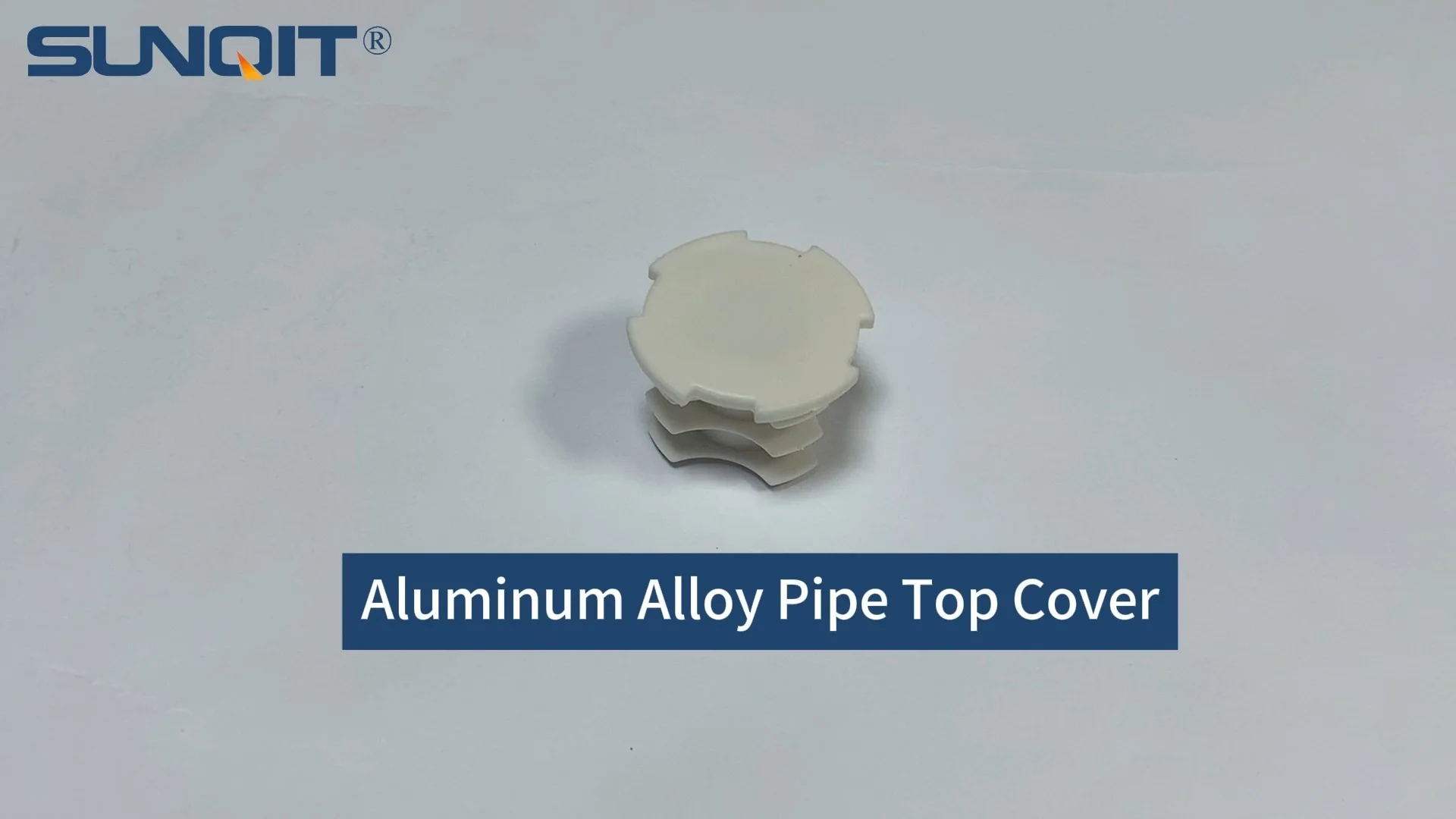
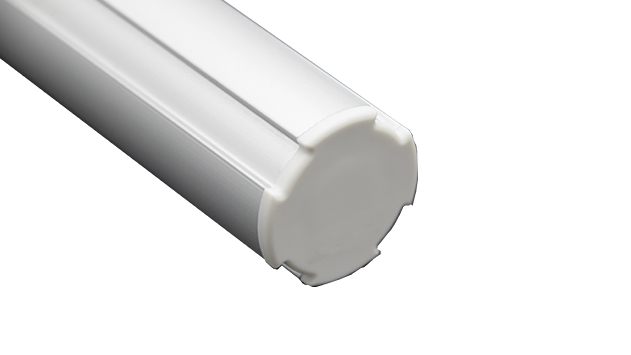
Plastic pipe cover to cover dia 28MM aluminum pipe end at workbench, flow rack, to prevent metal surface scratch material or worker.
Walk into any busy manufacturing plant, laboratory, or food processing facility, and you'll likely find a maze of pipes snaking along walls, ceilings, and beneath workbenches. These pipes carry everything from corrosive acids and industrial solvents to lubricating oils and cleaning agents—substances that, if they come into contact with unprotected metal pipes, can cause rust, leaks, and costly damage. That's where pipe covers step in: unassuming yet critical components that shield pipes from chemical exposure, extend their lifespan, and keep workspaces safe. But not all pipe covers are created equal. Two of the most common options on the market are plastic pipe covers and vinyl pipe covers, and choosing between them often comes down to one key factor: chemical resistance. In this article, we'll dive deep into how these two materials stack up when faced with the harsh realities of chemical exposure, exploring their strengths, weaknesses, and real-world performance to help you make the right choice for your facility.
Understanding Plastic Pipe Cover: More Than Just "Plastic"
When we talk about "plastic pipe cover," we're actually referring to a broad category of materials rather than a single product. Most plastic pipe covers are made from thermoplastics like polyethylene (PE), polyvinyl chloride (PVC), or polypropylene (PP)—each with its own unique properties, but all prized for their durability and resistance to wear and tear. What sets plastic pipe cover apart from other options is its molecular structure: these materials are made up of long, repeating polymer chains that are tightly packed, creating a barrier that's inherently resistant to many chemicals. Think of it like a dense netting that prevents molecules of acids or solvents from seeping through and reaching the pipe beneath.
One of the reasons plastic pipe cover is a staple in industrial settings is its versatility. PE-based covers, for example, are flexible and easy to install, making them ideal for pipes with bends or irregular shapes. PVC plastic covers, on the other hand, are stiffer and more rigid, offering better structural support for straight runs of pipe. Both types are also lightweight, which means they don't add unnecessary stress to pipe mounts or supports—a small detail that can make a big difference in long-term system stability.
Real-World Use Case: A mid-sized automotive parts manufacturer in Ohio recently switched to PVC plastic pipe covers for their coolant lines after struggling with frequent leaks. Previously, they'd used a cheaper foam cover that degraded within months of exposure to the ethylene glycol-based coolant. The PVC covers, by contrast, have held up for over two years with no signs of cracking or brittleness—even in areas where spills are common during machine maintenance.
Chemical Resistance: How Plastic Pipe Cover Stands Up to the Elements
The true test of any pipe cover is how it performs when exposed to the specific chemicals in your facility. Let's break down how plastic pipe cover reacts to some of the most common industrial substances:
- Acids (e.g., sulfuric acid, hydrochloric acid): PE and PP plastic covers excel here. Both materials are highly resistant to dilute acids, with minimal swelling or degradation even after prolonged exposure. PVC is slightly less resistant to strong acids but still holds up better than many other materials.
- Bases (e.g., sodium hydroxide, ammonia): All three plastics (PE, PP, PVC) are generally resistant to bases, though PVC may show minor discoloration over time with concentrated solutions.
- Solvents (e.g., acetone, ethanol, mineral spirits): This is where the type of plastic matters. PE and PP are resistant to most polar solvents like ethanol but can be affected by non-polar solvents like mineral spirits. PVC, with its chlorine atoms in the polymer chain, has better resistance to a wider range of solvents, including acetone.
- Oils and Greases: Plastic pipe covers are largely impervious to petroleum-based oils and greases, which can cause other materials to swell or break down. This makes them a top choice for automotive, manufacturing, and machinery maintenance settings.
Another factor to consider is temperature. Plastic pipe covers maintain their chemical resistance across a wide temperature range—typically from -40°F to 180°F for PE and up to 220°F for PP. This means they won't become brittle in cold storage areas or soften in hot manufacturing environments, ensuring consistent protection year-round.
Vinyl Pipe Cover: Flexibility Meets Affordability
Vinyl pipe cover, often called "vinyl tubing" or "vinyl insulation," is a popular alternative to plastic, prized for its flexibility and low cost. Made from polyvinyl chloride (PVC) blended with plasticizers—additives that give it that soft, rubbery feel—vinyl is easy to stretch over pipes, conform to irregular shapes, and cut to size with basic tools. It's a common sight in residential plumbing, HVAC systems, and light industrial settings where chemical exposure is minimal and cost is a primary concern.
At first glance, vinyl might seem similar to PVC plastic pipe cover, but there's a key difference: the plasticizers. These additives make vinyl more flexible than rigid PVC, but they also introduce a vulnerability. Over time, especially when exposed to heat or chemicals, plasticizers can leach out of the vinyl, causing it to become stiff, brittle, or sticky. This process, known as "plasticizer migration," is the Achilles' heel of vinyl pipe cover in chemical-heavy environments.
Real-World Use Case: A small brewery in Colorado used vinyl pipe covers on their cleaning lines, which carry a weak caustic solution for sanitizing fermentation tanks. Initially, the vinyl worked well—easy to install and budget-friendly. But within six months, the covers began to crack along the seams, and in some areas, they'd turned gummy to the touch. An inspection revealed that the caustic solution, even at low concentrations, was accelerating plasticizer loss, leaving the underlying PVC structure exposed and vulnerable to degradation.
Chemical Resistance: The Limits of Vinyl
While vinyl is resistant to water, mild detergents, and some weak acids, its performance drops off significantly when exposed to stronger chemicals. Here's how it compares:
- Acids and Bases: Vinyl holds up to very dilute acids and bases (e.g., vinegar, baking soda solutions) but struggles with anything stronger. Even a 5% hydrochloric acid solution can cause vinyl to swell and soften within weeks.
- Solvents: Vinyl is particularly sensitive to solvents. Acetone, for example, can dissolve the plasticizers in vinyl almost immediately, causing the cover to become sticky and lose its shape. Mineral spirits and gasoline have similar effects, leading to rapid degradation.
- Oils and Greases: While vinyl is somewhat resistant to fresh motor oil, it can absorb oil over time, leading to swelling and a loss of flexibility. This is a problem in settings where oil leaks are common, as the cover may no longer fit snugly around the pipe, leaving gaps where chemicals can seep through.
Temperature also plays a role. Vinyl becomes stiff and brittle in cold temperatures (below 32°F) and may soften or melt in high heat (above 140°F), making it a poor choice for environments with extreme temperature fluctuations.
Head-to-Head: Plastic Pipe Cover vs Vinyl in Chemical Resistance
To make the comparison clearer, let's look at how plastic pipe cover (specifically PVC, the most chemical-resistant plastic option) and vinyl perform when exposed to common chemicals over a 30-day period. The following table is based on standardized testing methods (ASTM D543, which measures chemical resistance of plastics) and real-world data from industrial settings:
| Chemical | Concentration | Plastic Pipe Cover (PVC) | Vinyl Pipe Cover |
|---|---|---|---|
| Sulfuric Acid | 10% | No visible change; weight gain < 1% | Swelling (15% weight gain); surface cracking after 20 days |
| Sodium Hydroxide | 20% | Minor discoloration; no structural damage | Significant discoloration; slight brittleness |
| Acetone | 100% | No effect; remains flexible | Immediate softening; complete degradation after 5 days |
| Motor Oil (10W-30) | N/A (neat oil) | No absorption; no change in flexibility | 5% weight gain; becomes sticky and deformed |
| Isopropyl Alcohol | 70% | No visible change | Minor swelling; no structural damage |
The takeaway is clear: plastic pipe cover outperforms vinyl in nearly every chemical category, especially when it comes to strong acids, solvents, and oils. While vinyl may be adequate for mild, non-chemical environments, plastic is the better choice for any facility where chemical exposure is a concern.

Beyond Chemical Resistance: Other Factors to Consider
While chemical resistance is often the deciding factor, there are other considerations that may influence your choice between plastic pipe cover and vinyl:
Cost
Vinyl is generally cheaper upfront, with prices ranging from $0.50 to $1.50 per linear foot, depending on thickness. Plastic pipe cover (PVC) costs more initially—typically $1.00 to $3.00 per linear foot—but has a much longer lifespan. When factoring in replacement costs, plastic often becomes the more economical choice over time, especially in chemical-heavy environments where vinyl would need to be replaced every 6–12 months.
Installation and Flexibility
Vinyl is more flexible and easier to stretch over pipes, making it a good choice for DIY projects or small-scale applications. Plastic pipe cover, while still manageable, may require tools (like a heat gun) to bend around tight corners. However, many plastic covers come with pre-slit designs that make installation nearly as easy as vinyl, especially for straight runs.
Durability and Longevity
In low-chemical environments, vinyl can last 1–3 years. In chemical-exposed areas, that lifespan drops to 6–12 months. Plastic pipe cover, by contrast, lasts 5–10 years in most industrial settings, even with regular chemical exposure. This longevity reduces downtime for replacements and lowers maintenance costs over time.
Environmental Impact
Both materials are recyclable, but plastic pipe cover (especially PE and PP) is often made from recycled content, making it a more sustainable choice. Vinyl, which contains plasticizers, can be more difficult to recycle and may release harmful chemicals if incinerated. For facilities aiming for LEED certification or sustainability goals, plastic pipe cover is the greener option.

Choosing the Right Cover for Your Workbench and Beyond
When it comes to selecting between plastic pipe cover and vinyl, the answer depends on your specific needs. Here's a quick guide to help you decide:
- Choose Plastic Pipe Cover if: Your facility uses acids, solvents, or oils; you need long-term durability; or you have temperature fluctuations. It's also the best choice for critical systems like coolant lines, chemical transfer pipes, and workbench utilities where leaks could lead to downtime or safety hazards.
- Choose Vinyl if: You're on a tight budget, the environment has minimal chemical exposure (e.g., residential plumbing, basic HVAC), and you don't mind replacing the covers every year or two. Vinyl is also a good temporary solution for short-term projects.
Case Study: Workbench Renovation in a Pharmaceutical Lab
A pharmaceutical lab in North Carolina was renovating their compounding workbenches, which required covering pipes carrying isopropyl alcohol, hydrogen peroxide, and various organic solvents. The lab manager initially considered vinyl for cost reasons but ultimately chose PP plastic pipe covers after consulting with their safety team. "We can't afford leaks or contamination," the manager explained. "The plastic covers cost more upfront, but knowing they'll last through daily solvent exposure gives us peace of mind. Plus, with the lab's strict cleaning protocols, we needed something that wouldn't degrade when sprayed with disinfectants."
The Role of Lean Pipe and Accessories in System Design
For facilities using lean pipe systems—frameworks built from pipes and joints to create workbenches, material racks, and production lines—the choice of pipe cover is even more critical. Lean pipe systems are designed for efficiency and flexibility, and a degraded pipe cover can undermine that by causing leaks, corrosion, or system instability. Plastic pipe cover, with its durability and chemical resistance, pairs well with lean pipe and accessories, ensuring the system remains functional and safe for years to come. Many lean pipe suppliers now offer plastic covers as a standard accessory, recognizing their value in industrial settings.
Conclusion: Plastic Pipe Cover Wins for Chemical Resistance
When it comes to chemical resistance, plastic pipe cover—especially PVC, PE, or PP varieties—outperforms vinyl in nearly every category. Its ability to withstand acids, solvents, oils, and temperature fluctuations makes it the clear choice for industrial, laboratory, and manufacturing settings where chemical exposure is a daily concern. While vinyl may be cheaper upfront, its short lifespan and vulnerability to chemicals make it a poor long-term investment in these environments.
At the end of the day, the best pipe cover is the one that keeps your pipes protected, your workers safe, and your operations running smoothly. For most industrial applications, that's plastic pipe cover. It's an investment that pays off in fewer replacements, less downtime, and greater peace of mind—proof that sometimes, spending a little more upfront saves a lot in the long run.
So, whether you're upgrading your workbench utilities, protecting coolant lines, or building a lean pipe system, remember: when chemicals are in the mix, plastic pipe cover is the reliable, durable choice that stands the test of time.