- Company Articles
- Products and Technology
- Product knowledge
- Plastic Pipe Cover Weight Capacity: What You Need to Know

Plastic Pipe Cover Weight Capacity: What You Need to Know
Related Product
Plastic Pipe Cover
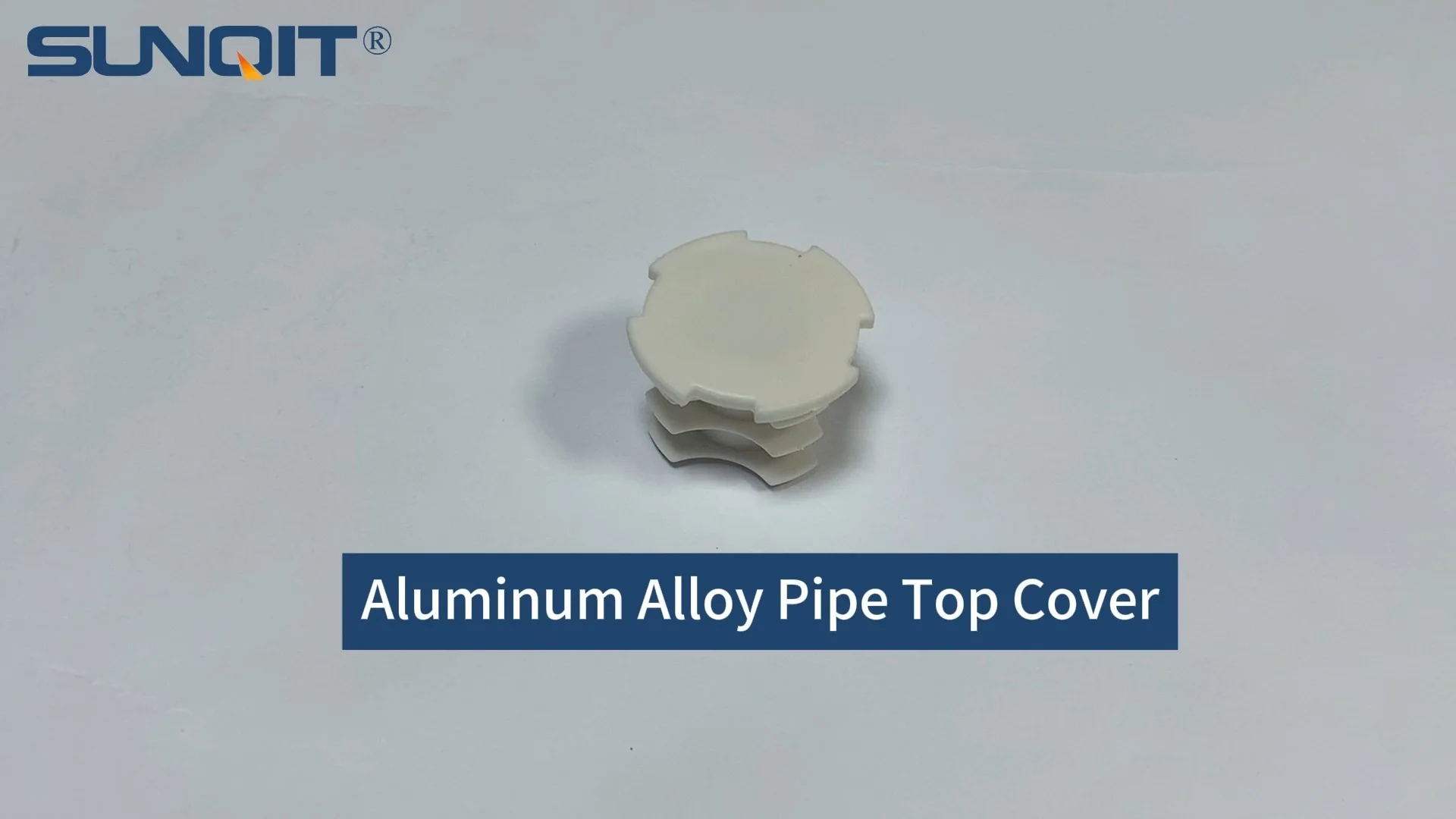
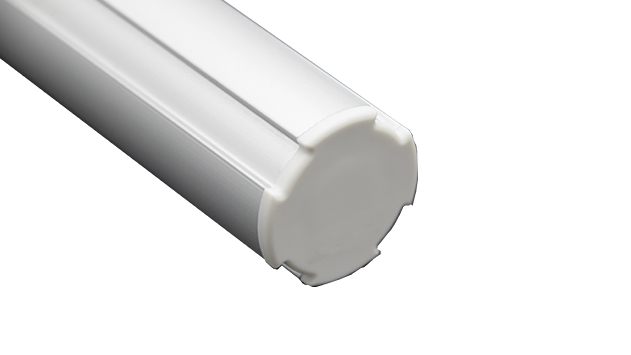
Plastic pipe cover to cover dia 28MM aluminum pipe end at workbench, flow rack, to prevent metal surface scratch material or worker.
In the world of manufacturing and warehouse operations, it's often the smallest components that keep the biggest systems running smoothly. Take, for example, the humble plastic pipe cover. At first glance, it might seem like a minor detail—just a protective layer wrapped around a lean pipe or a guide rail. But anyone who's spent time on a shop floor knows better: these unassuming covers play a quiet yet vital role in maintaining efficiency, safety, and longevity in lean pipe systems, workbenches, and material handling setups. Today, we're diving deep into one of their most critical specifications: weight capacity. Whether you're setting up a new assembly line, upgrading an existing workbench, or troubleshooting a wobbly material rack, understanding how much weight a plastic pipe cover can handle isn't just a technicality—it's the difference between a setup that thrives and one that falters.
What Are Plastic Pipe Covers, Anyway?
Before we get into weight capacity, let's make sure we're all on the same page about what plastic pipe covers are and why they matter. If you've ever walked through a factory or warehouse, you've probably seen lean pipe systems in action—those modular structures made of metal pipes and joints that form workbenches, material racks, and conveyor supports. Plastic pipe covers are the protective sleeves that slide over these lean pipes (or sometimes aluminum pipes, in more modern setups) to shield them from scratches, dents, and corrosion. They also add a layer of grip, reduce noise when materials slide across them, and even come in colors like yellow or grey to improve visibility or match workplace aesthetics—think plastic roller track guide rail yellow or plastic roller track guide rail grey, which are common in material flow systems.
But their role goes beyond protection. In systems where plastic roller track guide rails (whether yellow, grey, or another color) are used to guide materials along a production line, plastic pipe covers help maintain the structural integrity of the underlying lean pipe. They prevent the pipe from bending or warping under the weight of constant material movement, ensuring that the entire setup remains stable and reliable.
Why Weight Capacity Matters More Than You Think
You might be wondering: "It's just a plastic cover—how much weight can it really need to handle?" The answer depends on the context. In a small workshop where a lean pipe workbench is used to hold lightweight tools, the weight on the plastic pipe cover might be minimal. But in a large-scale manufacturing facility, where conveyor systems move heavy components, or where material racks are stacked with bulky parts, the plastic pipe covers on those lean pipes are under constant stress.
Here's why weight capacity is non-negotiable:
- Safety First: A plastic pipe cover that can't handle the weight it's subjected to might crack, split, or dislodge. This not only exposes the lean pipe to damage but also creates a hazard—sharp edges, unstable structures, or even collapsed workbenches could lead to injuries.
- Operational Efficiency: If a cover fails, the entire line might need to shut down for repairs. In industries where downtime costs thousands of dollars per minute, this is a risk no one can afford.
- Longevity of Equipment: A cover with adequate weight capacity protects the lean pipe underneath, extending the life of the entire system. Without it, the pipe could corrode, bend, or weaken over time, requiring costly replacements.
Consider a scenario in an electronics manufacturing plant, where an ESD workbench (static-free to protect sensitive components) is built using lean pipe. The workbench holds circuit boards, testing equipment, and tools—all of which add up in weight. The plastic pipe covers on the lean pipe frame of the workbench must support this load day in and day out. If they're undersized, the covers could wear thin, leading to the workbench wobbling or even collapsing. That's not just a productivity issue; it's a safety risk for the technicians using the bench.
Factors That Influence Plastic Pipe Cover Weight Capacity
Not all plastic pipe covers are created equal. Their weight capacity depends on a mix of design choices and material properties. Let's break down the key factors:
1. Material Composition
Most plastic pipe covers are made from polyvinyl chloride (PVC), polyethylene (PE), or polypropylene (PP). Each material has its own strength characteristics:
- PVC: Stiff and rigid, PVC covers are known for their high compressive strength. They're a popular choice for heavy-duty applications, like supporting material racks or conveyor systems where weight loads are consistent.
- PE (Polyethylene): More flexible than PVC, PE covers are better suited for environments where there's some movement or vibration (think: roller tracks that guide materials with slight jostling). They're impact-resistant but may have lower weight capacity than rigid PVC.
- PP (Polypropylene): Lightweight and chemical-resistant, PP covers are ideal for cleanrooms or food processing facilities. However, they typically have lower weight capacity than PVC or PE and are best for lighter loads.
2. Thickness and Design
Thicker covers generally mean higher weight capacity—up to a point. A cover that's too thick might be cumbersome to install or add unnecessary weight to the system. Instead, look for designs that balance thickness with reinforcement. Many high-capacity covers have ribbed interiors or reinforced edges, which distribute weight more evenly across the surface of the lean pipe.
For example, plastic roller track guide rail yellow or grey models often have a U-shaped design with reinforced sides. This isn't just for aesthetics; the shape helps channel the weight of materials (like boxes or components sliding along the track) downward, into the cover and the lean pipe beneath, rather than sideways, which could cause the cover to buckle.
3. Installation and Fit
Even the strongest plastic pipe cover won't perform well if it's not installed correctly. A loose cover can shift under weight, creating stress points that lead to failure. Most covers are designed to slide snugly over lean pipes, with friction or snap-on mechanisms to keep them in place. Some also use adhesives or clips for extra security, especially in high-vibration environments.
It's also important to match the cover size to the lean pipe diameter. A cover that's too large for the pipe will sag or twist; one that's too small might crack when forced into place. Always check the manufacturer's specs for pipe diameter compatibility.
4. Environmental Conditions
Temperature, humidity, and exposure to chemicals can all affect a plastic cover's weight capacity. PVC, for example, becomes brittle in extreme cold, which reduces its ability to withstand heavy loads. In hot environments, PE covers might soften, leading to deformation under weight. If your facility uses oils, solvents, or cleaning agents, make sure the cover material is resistant to those chemicals—corrosion can weaken the plastic over time, lowering its effective weight capacity.

How to Determine the Right Weight Capacity for Your Needs
So, how do you figure out how much weight your plastic pipe covers need to handle? It starts with a simple question: "What will this cover actually be supporting?" Let's walk through the steps:
Step 1: Calculate the Total Load
First, estimate the maximum weight that will be placed on the lean pipe system (and thus on the plastic covers). This includes:
- The weight of the materials or equipment on the system (e.g., tools on a workbench, boxes on a material rack).
- Dynamic loads: If materials are moving (like on a roller track), add the force of that movement. For example, a box sliding down a plastic roller track guide rail (yellow or grey) exerts more pressure than a stationary box.
- Safety margin: Always add 20-30% to your total load estimate. This accounts for unexpected weight spikes (e.g., a technician leaning on the workbench) or wear and tear over time.
Step 2: Check Manufacturer Specifications
Once you have your total load, check the manufacturer's data sheet for the plastic pipe cover. Reputable suppliers (like lean pipe suppliers or lean pipe workbench suppliers) will list the cover's weight capacity in pounds per linear foot (or kilograms per meter). This tells you how much weight the cover can support along its length.
For example, a plastic roller track guide rail yellow model might be rated for 50 lbs per linear foot, while a grey one (made of thicker PVC) could handle 75 lbs per linear foot. Match this rating to your total load—if your system requires 60 lbs per linear foot, the grey rail would be the safer choice.
Step 3: Consider the Span of the Lean Pipe
The longer the lean pipe between supports (like joints or brackets), the more stress is placed on the plastic cover. A pipe with supports every 2 feet can handle more weight than one with supports every 4 feet, even if the covers are the same. If your system has long spans, you may need a cover with a higher weight capacity to compensate for the increased bending stress on the pipe.
Step 4: Consult with Your Supplier
If you're unsure, don't guess—reach out to your lean pipe supplier or plastic roller track guide rail supplier. They can help you calculate the load based on your specific setup, including factors like pipe diameter, support spacing, and environmental conditions. Many suppliers even offer free engineering consultations to ensure you get the right product.

A Closer Look: Comparing Plastic Roller Track Guide Rails (Yellow vs. Grey)
To put this into perspective, let's compare two common options: plastic roller track guide rail yellow and plastic roller track guide rail grey. These are widely used in material handling systems, from assembly lines to warehouses, and their weight capacities can vary based on material and design.
| Feature | Plastic Roller Track Guide Rail (Yellow) | Plastic Roller Track Guide Rail (Grey) |
|---|---|---|
| Material | Polyethylene (PE) | PVC (rigid) |
| Weight Capacity (per linear foot) | 40-60 lbs | 60-80 lbs |
| Best For | Light to medium loads (e.g., small parts, boxes under 20 lbs each); environments with vibration (PE absorbs shock well) | Medium to heavy loads (e.g., toolboxes, large components); static or low-vibration setups (PVC is rigid and stable) |
| Environmental Resistance | Good resistance to moisture and mild chemicals; softer in high heat | Excellent resistance to oils and solvents; brittle in extreme cold |
| Installation Tip | Use snap-on clips for a secure fit in high-movement areas | Ensure tight fit to prevent sagging under heavy loads |
As you can see, the grey PVC rail offers higher weight capacity, making it better for heavier applications, while the yellow PE rail is more flexible and shock-resistant—ideal for lighter, moving loads. The key is to match the rail (and its plastic cover) to the specific demands of your workspace.
Real-World Applications: Where Weight Capacity Makes a Difference
Let's look at how plastic pipe cover weight capacity plays out in three common scenarios:
1. Lean Pipe Workbenches
A typical lean pipe workbench in an automotive parts shop might hold a torque wrench (5 lbs), a parts bin (15 lbs), and a laptop for diagnostics (8 lbs)—a total of 28 lbs. But if a technician sets a 50-lb toolbox on the edge of the bench, the plastic pipe covers on the front rail of the bench suddenly need to support that extra weight. If the covers are rated for only 30 lbs per linear foot, they could crack, causing the bench to tip. Choosing a cover with a 60-lb capacity (like the grey PVC rail) ensures there's a safety buffer for these unexpected loads.
2. Material Racks
Material racks built with lean pipe are often stacked with boxes of inventory. A "3 row and 3 floor" material rack (like Material Rack B, a common model from lean system suppliers) might hold 10 boxes per shelf, each weighing 30 lbs. That's 900 lbs total across the rack. The plastic pipe covers on the vertical and horizontal lean pipes of the rack must distribute this weight evenly. Undersized covers could lead to the pipes bending, causing the shelves to sag and the boxes to topple.
3. Roller Track Conveyors
In a distribution center, a conveyor system using plastic roller track guide rails (yellow or grey) might move packages weighing up to 40 lbs each. As packages slide along the track, they exert downward pressure on the rails and the underlying lean pipes. A yellow PE rail (40-60 lbs capacity) would handle these packages well, but if the facility upgrades to heavier 70-lb packages, switching to a grey PVC rail (60-80 lbs capacity) becomes necessary to avoid rail deformation.
Maintenance Tips to Preserve Weight Capacity
Even the best plastic pipe covers need care to maintain their weight capacity over time. Here are a few simple steps to keep them in top shape:
- Inspect Regularly: Check covers for cracks, splits, or warping. Pay extra attention to areas under heavy load or near joints, where stress is highest.
- Clean Gently: Wipe covers with a mild detergent and water to remove dirt and debris. Avoid abrasive cleaners that could scratch the plastic, weakening it.
- Tighten Loose Covers: If a cover has shifted or become loose, reposition it and secure it with clips or adhesive (if recommended by the manufacturer).
- replace When Needed: Don't wait for a cover to fail completely. If you notice signs of wear (like discoloration, brittleness, or reduced flexibility), replace it promptly.
Remember: A well-maintained plastic pipe cover not only lasts longer but also retains its full weight capacity, keeping your lean pipe systems safe and efficient.
Conclusion: Small Component, Big Impact
Plastic pipe covers might not be the most glamorous part of your facility's equipment, but they're a cornerstone of safe, efficient operations. By understanding their weight capacity—what influences it, how to calculate it, and how to maintain it—you can ensure that your lean pipe systems, workbenches, and material racks stand the test of time.
Whether you're choosing between plastic roller track guide rail yellow and grey for a conveyor line or selecting covers for a new lean pipe workbench, remember: the right cover isn't just about protecting the pipe. It's about protecting your team, your productivity, and your bottom line. So next time you're evaluating your shop floor setup, take a moment to appreciate these small but mighty components—they're carrying more weight than you think.