- Company Articles
- Products and Technology
- Solution
- Plastic Pipe Covers for Cold Storage Warehouses: Insulation Solutions

Plastic Pipe Covers for Cold Storage Warehouses: Insulation Solutions
Related Product
Plastic Pipe Cover
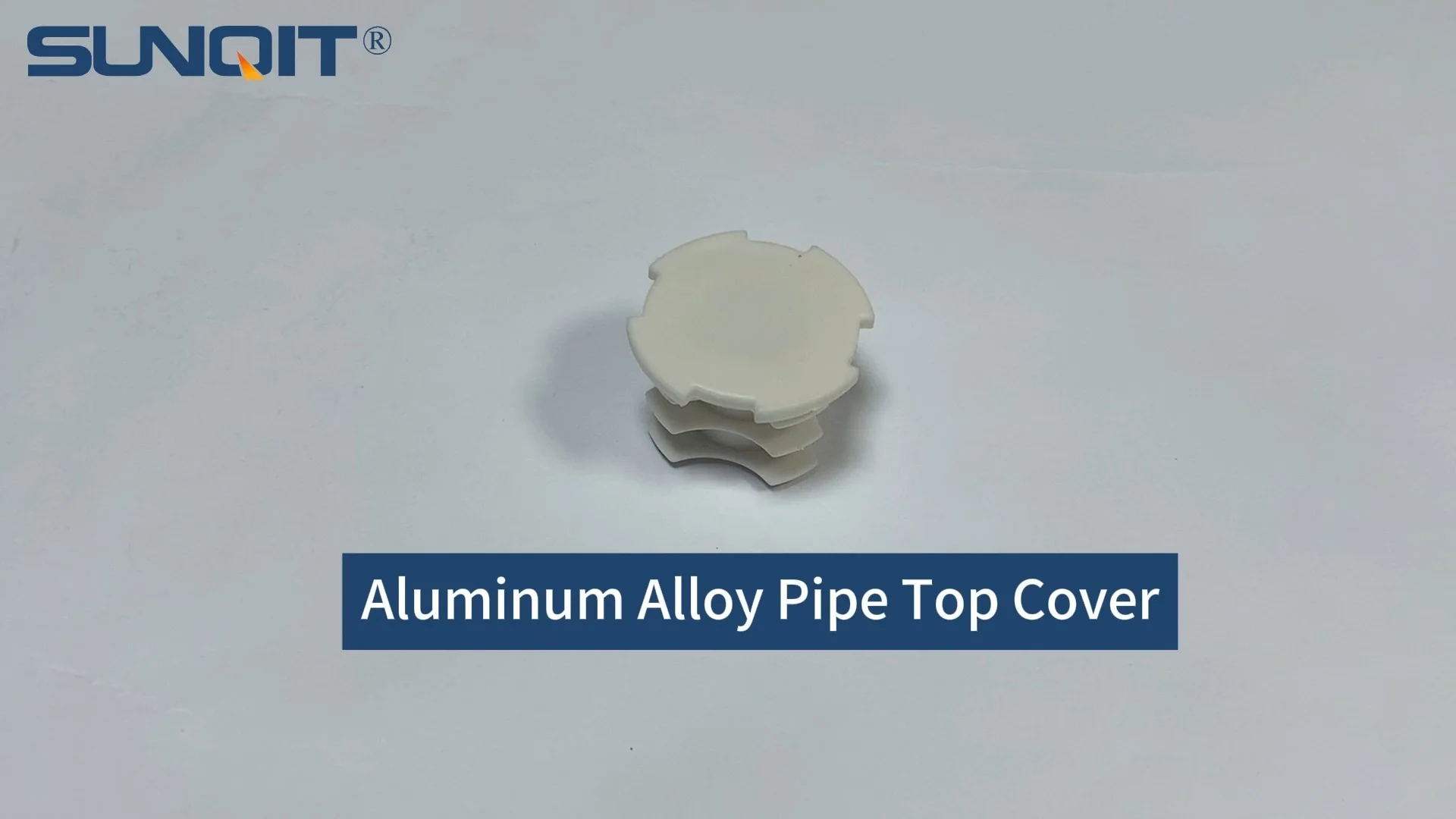
Plastic pipe cover to cover dia 28MM aluminum pipe end at workbench, flow rack, to prevent metal surface scratch material or worker.
It's a crisp Monday morning, and Raj, the facility manager at a mid-sized cold storage warehouse in Chicago, is staring at a problem he didn't see coming. Last month's energy bill is 20% higher than the same time last year, and there's no obvious explanation—no new refrigeration units, no extended operating hours, just a steady climb in costs that's eating into the company's profits. After a thorough walkthrough, Raj pauses at the maze of metal pipes running along the ceiling. Their surfaces are glistening with frost, even though the warehouse is kept at a steady 34°F. "That can't be right," he mutters. A quick check with a thermal camera confirms his hunch: those uninsulated pipes are leaking cold air like a sieve, forcing the refrigeration system to work overtime. It's a problem many cold storage managers face, but it's also one with a surprisingly simple fix: plastic pipe covers. In this article, we'll dive into why insulation matters in cold storage, how plastic pipe covers solve these challenges, and why they're becoming a go-to solution for facilities aiming to boost efficiency, cut costs, and maintain optimal conditions.
Why Insulation Isn't Just Optional—It's Essential—in Cold Storage
Cold storage warehouses are tricky environments. They're designed to maintain precise temperatures, often ranging from 32°F (for fresh produce) down to -40°F (for frozen goods like meat or pharmaceuticals). Every degree of temperature fluctuation can compromise product quality, lead to spoilage, or even violate industry regulations. But here's the thing: your refrigeration system isn't the only player in maintaining that balance. The pipes that circulate coolant, carry water, or transport other fluids through the facility are silent contributors to energy loss—unless they're properly insulated.
Let's break it down. Uninsulated pipes act like heat exchangers. In a cold storage warehouse, where the ambient temperature is far lower than the outside world, warm air from the environment (or even from equipment like forklifts) hits the cold pipes, causing condensation. That condensation doesn't just drip onto products or create slippery floors (a safety hazard); it also forms frost on the pipes themselves. As frost builds up, it acts as a barrier, making the pipes less efficient at transferring coolant—and forcing the refrigeration system to run longer to compensate. The result? Higher energy bills, increased wear and tear on equipment, and a higher risk of breakdowns.
Then there's the issue of compliance. For industries like food and pharmaceuticals, regulatory bodies like the FDA or USDA have strict guidelines on temperature control and sanitation. Condensation from uninsulated pipes can lead to mold growth or corrosion, which not only damages the warehouse infrastructure but also risks contaminating products. In 2023, a major food distributor in Texas was hit with a $50,000 fine after an inspection found mold near uninsulated pipes, linked to condensation buildup. The cost of non-compliance, in other words, far outweighs the investment in insulation.
And let's not forget product integrity. Imagine storing pallet after pallet of fresh strawberries or life-saving vaccines. Even a small temperature spike due to pipe-related inefficiencies could mean thousands of dollars in spoiled goods. Insulation isn't just about saving energy—it's about protecting your bottom line, your reputation, and the trust of your customers.
What Are Plastic Pipe Covers, Anyway?
If you're new to the world of pipe insulation, you might be picturing bulky, fiberglass wraps that leave itchy residue on your hands. But plastic pipe covers are a different beast entirely. Think of them as snug, flexible sleeves designed to fit over pipes, acting as a barrier between the cold (or hot) fluid inside and the surrounding air. Made from durable plastics like polyethylene (PE), polyvinyl chloride (PVC), or even polyurethane, these covers are engineered to withstand the harsh conditions of cold storage—think extreme temperatures, high humidity, and constant exposure to moisture.
What sets plastic pipe covers apart? For starters, they're lightweight and easy to handle. Unlike rigid foam or metal insulation, plastic covers can be cut to size with a utility knife, bent around corners, and installed without special tools. They're also available in a range of sizes, from small-diameter pipes (like those used for water lines) to large industrial ducts, making them versatile for any cold storage setup. Most importantly, they're designed to be moisture-resistant. Unlike fiberglass, which can absorb water and lose its insulating properties over time, plastic repels moisture, ensuring long-lasting performance even in damp environments.
Let's talk materials. Polyethylene (PE) is a popular choice for cold storage because it's flexible, affordable, and has excellent insulating properties. It's also resistant to chemicals, which is a plus if your facility uses cleaning agents or other harsh substances. PVC, on the other hand, is stiffer and more rigid, making it ideal for pipes that don't need to bend. Some manufacturers even offer UV-resistant plastic covers, which are useful if pipes are exposed to light (like near loading docks with skylights). No matter the material, the goal is the same: to create a tight seal around the pipe that traps cold air inside and keeps warm air out.
The Top Benefits of Plastic Pipe Covers for Cold Storage
So, why should you choose plastic pipe covers over other insulation options? Let's start with the biggest win: energy savings. The U.S. Department of Energy estimates that properly insulating pipes in commercial facilities can reduce heat loss (or gain, in the case of cold pipes) by up to 80%. For a cold storage warehouse with 5,000 feet of uninsulated pipe, that could translate to savings of $5,000–$10,000 per year, depending on local energy costs. Raj, the facility manager we met earlier, installed plastic pipe covers on 3,000 feet of pipe and saw his energy bill drop by 15% within the first month. "It was like giving the refrigeration system a raise," he jokes. "It finally got to stop overworking."
Then there's condensation prevention. We've all seen what happens when a cold glass of water sits on a warm table—it sweats. Pipes do the same thing, but on a much larger scale. That moisture doesn't just create slippery floors; it can lead to rust on metal pipes, mold in walls, and even electrical issues if it drips onto equipment. Plastic pipe covers act as a buffer, keeping the pipe's surface temperature close to the fluid inside, so warm air can't condense on it. In a facility storing food, this is critical: the FDA mandates that cold storage areas must be free of standing water or mold, and plastic covers help facilities stay compliant without constant mopping or repairs.
Installation is another major perk. Unlike fiberglass, which requires gloves, masks, and careful handling to avoid irritation, plastic pipe covers are user-friendly. Most come with pre-slit edges that make them easy to slide over pipes, and they can be secured with zip ties, tape, or adhesive—no special training required. A team of two workers can insulate 500 feet of pipe in a single day, minimizing downtime. Compare that to rigid foam insulation, which often needs to be custom-cut and glued, or metal jackets, which are heavy and require screws. For busy warehouses, time is money, and plastic covers save plenty of both.
Durability is also key. Cold storage environments are tough on equipment—temperatures swing, forklifts bump into things, cleaning crews use harsh chemicals. Plastic pipe covers are built to withstand it all. They're resistant to punctures, tears, and most industrial cleaners, and they won't degrade or crumble over time like fiberglass can. Many manufacturers offer warranties of 5–10 years, and in practice, they often last even longer. "We installed our first set of plastic covers 8 years ago," says Maria, who manages a pharmaceutical cold storage facility in Florida. "We've only had to replace a few sections that got nicked by a forklift. The rest still look brand new."
Finally, there's cost-effectiveness. Plastic pipe covers are generally cheaper than foam rubber or metal insulation, with prices ranging from $0.50–$2 per foot, depending on thickness and material. When you factor in installation costs (which are minimal) and long-term energy savings, they offer one of the best returns on investment in facility maintenance. As Raj puts it: "The covers paid for themselves in three months. After that, every dollar saved is pure profit."

Key Features to Look for When Choosing Plastic Pipe Covers
Not all plastic pipe covers are created equal. To get the most out of your investment, you'll need to choose the right product for your facility. Here's what to keep in mind:
Thickness and R-Value: The R-value measures how well insulation resists heat flow—the higher the R-value, the better the insulation. For cold storage, aim for an R-value of at least 2.0 (which typically corresponds to a thickness of ½–1 inch). Thicker covers (1–2 inches) have higher R-values (3.0–4.0) and are better for pipes carrying extremely cold fluids (like liquid nitrogen) or those located near warm areas (like loading docks).
Material Type: PE (polyethylene) is the most common choice for cold storage because it's flexible, moisture-resistant, and affordable. If you need extra durability (e.g., in areas with heavy foot traffic or forklift activity), look for PVC covers, which are stiffer and more puncture-resistant. For food-grade facilities, opt for covers labeled "FDA-compliant" or "NSF-certified," which are made from non-toxic materials that won't leach chemicals into the environment.
Size Variety: Pipes come in all shapes and sizes, from ½-inch water lines to 12-inch industrial ducts. Make sure the covers you choose are available in diameters that match your pipes. Most manufacturers offer sizes ranging from ¾ inch to 24 inches, and some even sell custom sizes for odd-shaped pipes. Pro tip: Measure your pipes before ordering—nothing's worse than getting covers that are too loose (which reduces insulation) or too tight (which makes installation a nightmare).
UV Resistance: If your pipes are near windows, skylights, or loading docks where they're exposed to sunlight, UV rays can break down plastic over time, causing it to crack or fade. Look for covers labeled "UV-stabilized," which have additives that protect against sun damage. This is especially important for facilities in sunny climates like Arizona or Florida.
Flame Retardancy: While cold storage warehouses aren't typically fire hazards, some insurance policies require insulation to be flame-resistant. Check with your provider to see if this is a requirement, and look for covers rated "UL94 V-2" or higher, which means they self-extinguish if ignited.

A Quick Guide to Installing Plastic Pipe Covers
Installing plastic pipe covers is a straightforward process, but a little preparation goes a long way. Here's a step-by-step guide to help you get started:
Step 1: Prep the Pipes Start by cleaning the pipes. Wipe them down with a dry cloth to remove dust, dirt, or frost—any debris can create gaps in the insulation. If there's rust or corrosion, sand it off gently (you don't want to damage the pipe) and apply a rust inhibitor if needed. For pipes with valves or fittings, use a small brush to clean around crevices.
Step 2: Measure and Cut Measure the length of the pipe section you're insulating, then add a few inches to account for overlaps at joints or bends. Lay the plastic cover flat and mark the length with a marker. Use a utility knife or scissors to cut straight across—if the cover is thick, you may need to score it first and then snap it. For bends, make small diagonal cuts in the cover and overlap the edges to form a tight seal.
Step 3: Slide and Secure Most plastic covers come with a pre-slit along one side. Open the slit and slide the cover over the pipe, making sure it fits snugly. If the cover is loose, wrap it with tape or use zip ties every 12–18 inches to keep it in place. For vertical pipes, start at the top and work your way down to prevent water from seeping under the cover. At joints, overlap the covers by 2–3 inches and secure with tape to create a continuous barrier.
Step 4: Inspect for Gaps Once installed, walk along the pipe and check for gaps or loose spots. A thermal camera can help identify areas where cold air is still escaping—look for cold spots on the cover's surface. If you find gaps, add extra tape or fill them with foam insulation (for small cracks). Remember: Even a tiny gap can undo all your hard work, so take the time to get it right.
Maintaining Your Plastic Pipe Covers: Tips for Longevity
Plastic pipe covers are low-maintenance, but they still need a little care to last. Here's how to keep them in top shape:
Regular Inspections: Schedule a monthly walkthrough to check for damage. Look for tears, cracks, or loose covers—these are often caused by forklift collisions, falling objects, or normal wear and tear. In high-traffic areas, consider adding protective guards around pipes to prevent accidental bumps.
Cleaning: Dirt and grime can build up on covers over time, but cleaning them is easy. Use a damp cloth or sponge with mild soap and water to wipe down the surface—avoid harsh chemicals like bleach, which can degrade the plastic. For tough stains, a soft-bristle brush works well. In food storage areas, aim to clean covers quarterly to meet.
Prompt Repairs: If you notice a tear or hole, fix it right away. Small cracks can be patched with duct tape or plastic repair tape (available at hardware stores). For larger damage, replace the affected section—most manufacturers sell covers by the foot, so you won't need to buy a whole roll. Waiting to repair damage can lead to increased energy loss or condensation, so don't procrastinate.
Pest Control: Mice and rats love to chew on plastic, especially in cold storage where food is nearby. To keep pests away, seal any gaps around pipes (where rodents might enter) and set traps near vulnerable areas. If you notice chew marks on covers, inspect the surrounding area for signs of infestation and contact an exterminator if needed.
How Plastic Pipe Covers Stack Up Against Other Insulation Materials
Wondering if plastic pipe covers are the best choice for your facility? Let's compare them to three common alternatives:
| Insulation Material | R-Value (per inch) | Moisture Resistance | Installation Difficulty | Cost (per foot, avg.) | Best For |
|---|---|---|---|---|---|
| Plastic Pipe Covers (PE/PVC) | 2.0–3.5 | Excellent (waterproof) | Easy (no special tools) | $0.50–$2.00 | Cold storage, food/pharmaceutical facilities, areas with high moisture |
| Fiberglass Batt Insulation | 2.5–4.0 | Poor (absorbs water) | Moderate (requires gloves/mask) | $0.30–$1.50 | Dry indoor areas, non-critical pipes |
| Foam Rubber Sleeves | 3.0–5.0 | Good (resistant but not waterproof) | Moderate (needs adhesive) | $2.00–$4.00 | High-temperature pipes, small-diameter lines |
| Mineral Wool | 2.5–3.5 | Fair (repels but can wick moisture) | Hard (irritating, requires PPE) | $1.00–$3.00 | Industrial settings, fire-resistant requirements |
As the table shows, plastic pipe covers excel in moisture resistance and ease of installation, which are critical in cold storage. Fiberglass is cheaper but fails in damp environments, while foam rubber is more insulating but costly and harder to install. Mineral wool is durable but irritating to work with. For most cold storage facilities, plastic covers offer the best balance of performance, cost, and practicality.
From High Bills to High Efficiency: A Real-World Success Story
Let's circle back to Raj, the facility manager in Chicago. After discovering his uninsulated pipes were driving up energy costs, he decided to test plastic pipe covers on a small section of the warehouse first—a 1,000-foot stretch of coolant pipes that ran near the loading dock, where warm air frequently seeped in. He chose 1-inch thick PE plastic covers with an R-value of 3.0, costing about $1.20 per foot, for a total investment of $1,200.
The results were immediate. Within two weeks, the frost on those pipes disappeared, and the thermal camera showed no cold air leakage. Raj then expanded the project to cover all 5,000 feet of uninsulated pipe in the facility, investing $6,000 total. By the end of the first year, his energy bills had dropped by $8,500—a return on investment of over 40%. "We didn't just recoup the cost; we made a profit," he says. "Plus, we've had fewer maintenance calls about mold or rust, and the night shift crew no longer complains about slippery floors. It's been a win across the board."
Raj also notes that the plastic covers aligned with the company's broader goal of adopting lean system principles—minimizing waste (in this case, energy waste) and maximizing efficiency. "Lean isn't just about production lines," he explains. "It's about looking at every part of the operation and asking, 'How can we do this better?' Plastic pipe covers were a simple, low-cost way to eliminate waste, and they've become a model for other improvements we're making, like upgrading to energy-efficient lighting."
Final Thoughts: Investing in Insulation is Investing in Your Facility's Future
Cold storage warehouses are the backbone of industries like food, pharmaceuticals, and logistics. They're responsible for keeping products safe, fresh, and compliant—and that starts with maintaining precise temperatures. Uninsulated pipes might seem like a small detail, but they can have a big impact on your bottom line, from skyrocketing energy bills to costly product losses. Plastic pipe covers offer a simple, affordable solution that delivers immediate results: lower costs, better compliance, and a more efficient operation.
Whether you're a facility manager like Raj, looking to cut costs, or a business owner aiming to improve sustainability, plastic pipe covers are worth considering. They're easy to install, durable, and designed to thrive in the tough conditions of cold storage. And with a typical payback period of 6–12 months, they're not just an expense—they're an investment in your facility's future.
So, the next time you walk through your cold storage warehouse, take a second look at those pipes. Are they glistening with frost? Are your energy bills creeping up? If so, it might be time to explore plastic pipe covers. Your wallet, your refrigeration system, and your peace of mind will thank you.