- Company Articles
- Products and Technology
- Product knowledge
- Plastic Pipe Covers for Electrical Conduits: Insulation & Safety Benefits

Plastic Pipe Covers for Electrical Conduits: Insulation & Safety Benefits
Related Product
Plastic Pipe Cover
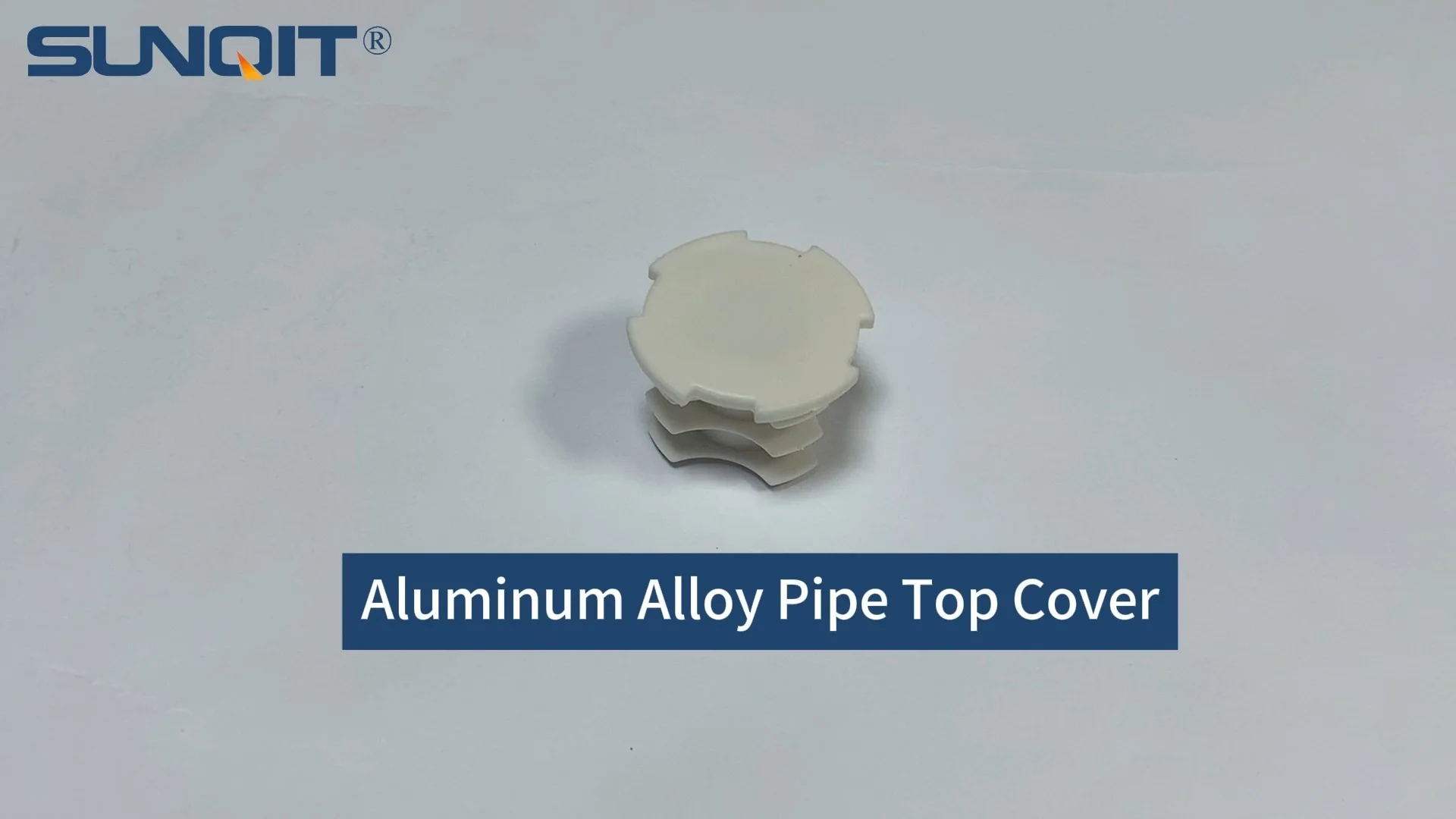
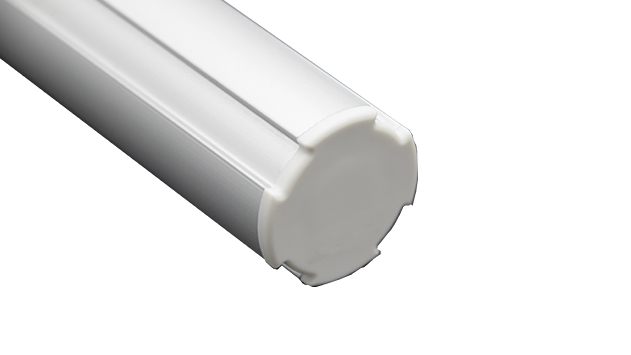
Plastic pipe cover to cover dia 28MM aluminum pipe end at workbench, flow rack, to prevent metal surface scratch material or worker.
Walk through any industrial facility, commercial building, or even a well-maintained home, and you'll likely spot a network of electrical conduits snaking along walls, ceilings, or floors. These unassuming tubes play a critical role in protecting electrical wires from damage, but their effectiveness hinges on one often-overlooked component: the covers that shield their exteriors and seal their ends. Among the various materials used for these covers, plastic stands out for its unique blend of insulation properties, durability, and cost-effectiveness. In this article, we'll dive deep into the world of plastic pipe covers for electrical conduits, exploring how they enhance insulation, boost safety, and why they've become a staple in electrical systems across industries. Whether you're an electrician, a facility manager, or a homeowner looking to upgrade your wiring, understanding the benefits of these simple yet essential components could save you from costly repairs, accidents, or compliance issues down the line.
What Are Plastic Pipe Covers, and Why Do They Matter?
At their core, plastic pipe covers are protective sleeves, caps, or wraps designed to fit over electrical conduits—hollow tubes that house and route electrical wires. While conduits themselves are typically made of metal (like steel or aluminum), PVC, or fiberglass, the covers add an extra layer of defense. But plastic pipe covers aren't just about protection; they're about precision. A well-fitted cover ensures the conduit remains sealed, insulated, and safe for both the wires inside and the people around it.
One of the most common types is the plastic pipe cover , a flexible or rigid sleeve that slides over the length of a conduit. Then there's the plastic pipe end cap , a small, cup-like component that seals the open end of a conduit, preventing debris, moisture, or pests from entering. Together, these covers form a barrier that addresses two critical concerns in electrical systems: insulation and safety. Let's break down why each matters.
Insulation is the process of restricting the flow of heat, electricity, or sound. In electrical systems, thermal insulation prevents extreme temperatures from damaging wires, while electrical insulation stops current from leaking out of the conduit—both of which are vital for preventing short circuits or fires. Safety, on the other hand, encompasses everything from protecting workers from sharp conduit edges to ensuring compliance with industry standards that mandate protective measures for exposed electrical components. Plastic pipe covers excel at both, thanks to the inherent properties of plastic as a material.
The Insulation Advantages of Plastic Pipe Covers
Plastic is a poor conductor of electricity and heat, making it an ideal material for insulation. This characteristic alone sets plastic pipe covers apart from metal alternatives, which conduct heat and electricity and can become hazards in their own right. Let's explore how this translates to real-world benefits for electrical systems.
Electrical Insulation: Preventing Leaks and Short Circuits
Electrical wires carry current at varying voltages, and even a small leak—caused by a nick in the wire's insulation or a loose connection—can lead to arcing, sparks, or short circuits. When a conduit is left uncovered, especially if it's made of metal, it can act as a conductor if it comes into contact with a damaged wire. A plastic pipe cover acts as a dielectric barrier, meaning it doesn't conduct electricity, thus preventing current from escaping the conduit and causing harm. This is particularly critical in damp environments, like basements or outdoor areas, where moisture can increase conductivity. For example, in a factory where water or oil might splash onto conduits, a plastic cover ensures the metal conduit (if used) doesn't become a live surface, reducing the risk of electrocution.
Thermal Insulation: Shielding Wires from Temperature Extremes
Electrical wires generate heat as current flows through them, and excessive heat can degrade wire insulation, leading to brittleness or melting. Conversely, extreme cold can make wires stiff and prone to cracking. Plastic pipe covers help regulate the temperature inside the conduit by slowing heat transfer. In hot environments—like attics, boiler rooms, or industrial settings with high ambient temperatures—the plastic acts as a buffer, preventing external heat from raising the temperature of the wires inside. In cold climates, it retains the heat generated by the wires, keeping them flexible and functional. This thermal stability extends the lifespan of the wires and reduces the need for frequent replacements, saving time and money on maintenance.
Moisture and Chemical Resistance: Keeping Wires Dry and Clean
Moisture is the enemy of electrical systems. Water can corrode metal conduits, short out wires, and create mold growth that further damages components. Plastic pipe covers, especially those designed with tight seals (like plastic pipe end caps ), create a waterproof barrier that blocks rain, condensation, or spills from entering the conduit. This is essential for outdoor conduits, which are exposed to rain and snow, as well as indoor areas like kitchens, bathrooms, or laboratories where liquids are present. Additionally, plastic is resistant to many chemicals, oils, and solvents commonly found in industrial settings. Unlike metal, which can rust or degrade when exposed to these substances, plastic covers maintain their integrity, ensuring the conduit remains protected even in harsh environments.
Safety Benefits: Protecting People and Property
While insulation is a key function of plastic pipe covers, their safety benefits are equally compelling. Electrical systems pose multiple risks—from physical injuries to fires—and these covers act as a first line of defense against many of them.
Preventing Physical Injuries: Softening Sharp Edges
Metal conduits, in particular, can have sharp edges, especially if they've been cut to length or damaged during installation. A worker brushing against an exposed metal conduit could suffer cuts or scrapes, and in severe cases, the edge could tear through clothing or gloves. Plastic pipe covers wrap around these edges, creating a smooth, rounded surface that's safe to touch. This is especially important in high-traffic areas, like factory floors or office corridors, where people are constantly moving around. Even PVC conduits, though less sharp than metal, can have rough ends that catch on skin or fabric; a plastic end cap eliminates this risk entirely.
Reducing Trip Hazards: Streamlining Conduit Paths
Conduits installed along floors or low on walls can become trip hazards if they protrude awkwardly or have uneven surfaces. Plastic covers, which are often designed to fit flush with the conduit, create a seamless profile that's less likely to catch feet or wheels (from carts or forklifts). In industrial settings, where material handling equipment is constantly in motion, this can prevent costly accidents and downtime. For example, a warehouse using pallet jacks or automated guided vehicles (AGVs) relies on clear floor paths; a conduit with a loose or ill-fitting cover could snag a wheel, causing a spill or equipment damage. A snug plastic cover ensures the conduit lies flat and unobtrusive.
Compliance with Safety Standards: Meeting Codes and Regulations
Electrical systems are governed by strict codes, such as the National Electrical Code (NEC) in the United States or the IEC 60364 standard internationally, which mandate protective measures for exposed components. Many of these codes require that conduit ends be sealed to prevent debris from entering and that exposed surfaces be insulated or covered to prevent contact with live parts. Using plastic pipe covers isn't just a best practice—it's often a legal requirement. For instance, the NEC specifies that "conduit ends shall be protected from damage and shall be reamed to remove sharp edges" (NEC 300.4(G)), and a plastic pipe end cap is a simple way to meet this requirement. Failing to comply can result in fines, failed inspections, or liability in the event of an accident.

Types of Plastic Pipe Covers: Choosing the Right One for Your Needs
Plastic pipe covers come in a variety of shapes, sizes, and designs, each tailored to specific applications. Understanding the different types can help you select the best option for your conduit system.
Plastic Pipe End Caps: Sealing the Deal
As the name suggests, plastic pipe end caps are designed to seal the open ends of conduits. They're typically cylindrical or conical, with a flexible or rigid construction that allows them to snap or twist onto the conduit's end. Some are made of soft, pliable plastic (like polyethylene) for easy installation, while others are rigid (like PVC) for added durability. End caps are essential for preventing debris—like dust, dirt, or small animals—from entering the conduit and damaging wires. They also seal out moisture, as mentioned earlier, and protect against sharp edges. In temporary installations, where conduits might be left open during construction, end caps can be a temporary solution until the system is finalized.
Plastic Pipe Sleeves: Full-Length Protection
For longer sections of conduit, plastic sleeves (or full-length plastic pipe covers ) provide continuous protection. These are long, hollow tubes that slide over the conduit, covering its entire exterior. They're ideal for protecting conduits from physical damage—like impacts from tools or machinery—or from environmental factors like UV radiation (for outdoor use) or chemical exposure. Sleeves are often made of UV-resistant plastic, like polypropylene, to prevent fading or cracking in sunlight. In industrial settings, where conduits might be located near heavy equipment, a thick plastic sleeve can absorb shocks and prevent dents or punctures that could compromise the conduit's integrity.
Color-Coded Covers: Enhancing Visibility and Organization
In complex electrical systems, color coding is a powerful tool for organization and safety. Plastic pipe covers are available in a range of colors, allowing electricians and maintenance workers to quickly identify the purpose of a conduit. For example, yellow covers might indicate high-voltage lines, while grey could signal standard power lines. This aligns with broader safety protocols, where color-coding is used to highlight hazards or categorize systems. While not all plastic pipe covers are color-coded, options like plastic roller track guide rail yellow (typically used in material handling but adaptable for conduit marking) or plastic roller track guide rail grey can serve dual purposes: protecting the conduit and providing visual cues. In a busy facility, this can save time during inspections or repairs, as workers can immediately identify which conduits require attention.
A Comparison of Plastic Pipe Cover Types
| Cover Type | Material | Primary Use | Key Benefits | Best For |
|---|---|---|---|---|
| Plastic Pipe End Cap | Polyethylene, PVC | Sealing conduit ends | Blocks debris/moisture, protects against sharp edges | All conduit types, temporary or permanent installations |
| Plastic Pipe Sleeve | Polypropylene, PVC | Full-length protection | Shields against impacts, UV radiation, chemicals | Outdoor conduits, industrial settings with heavy equipment |
| Color-Coded Covers (Yellow/Grey) | PVC, polyethylene | Identification and protection | Enhances visibility, categorizes conduit purpose | Complex systems (high-voltage vs. standard lines) |

Installation Tips: Ensuring a Secure, Effective Fit
Even the best plastic pipe covers won't perform well if they're installed incorrectly. A loose cover can fall off, exposing the conduit, while one that's too tight might crack or damage the conduit itself. Here are some key tips for installing plastic pipe covers properly:
Measure Twice, Cut Once (If Needed)
Before installing a sleeve or end cap, measure the diameter of your conduit to ensure the cover fits snugly. Most covers are labeled with the conduit sizes they accommodate (e.g., ½ inch, ¾ inch, 1 inch), but it's always best to verify with a tape measure. If the cover is too large, it might slide off; if too small, it could stretch or tear during installation. For rigid sleeves, you may need to cut them to length using a hacksaw or pipe cutter—just be sure to smooth any rough edges with sandpaper to avoid damaging the conduit or wires.
Clean the Conduit Surface
Dirt, grease, or rust on the conduit can prevent the cover from adhering properly, especially if it uses adhesive or friction fit. Wipe the conduit with a clean, dry cloth before installing the cover to ensure a tight seal. For end caps, make sure the inside of the conduit is also clean—debris inside could prevent the cap from seating fully.
Use Adhesive or Fasteners for Permanent Installations
For temporary setups, a friction fit (where the cover snaps onto the conduit) might suffice, but for permanent installations, consider using adhesive or fasteners to secure the cover. Many plastic sleeves come with adhesive backing, which can be activated by peeling off a protective strip and pressing the sleeve onto the conduit. For end caps, a small amount of silicone sealant can help create a watertight seal, especially in outdoor or damp areas. Just be sure to use a sealant that's compatible with both the plastic cover and the conduit material.
Inspect Regularly After Installation
Installation isn't the end of the process. Over time, covers can loosen due to vibration (in industrial settings), temperature changes, or physical impacts. Make it a habit to inspect plastic pipe covers during routine maintenance checks, ensuring they're still snug, intact, and free of cracks or damage. replace any covers that show signs of wear—like brittleness, holes, or discoloration—to maintain their insulation and safety benefits.
Maintenance and Longevity: Making Plastic Pipe Covers Last
Plastic pipe covers are known for their durability, but like any component, they require minimal maintenance to maximize their lifespan. Here's how to keep them in top shape:
Cleaning: Simple and Effective
Dust, dirt, or grime can accumulate on plastic covers over time, but cleaning them is a breeze. For most covers, a damp cloth or sponge with mild soap and water will remove surface debris. Avoid harsh chemicals, like bleach or abrasive cleaners, which can degrade the plastic. For outdoor covers exposed to bird droppings or tree sap, a soft brush might be needed to loosen stubborn residue. Regular cleaning not only keeps the covers looking neat but also allows you to spot signs of damage—like cracks or discoloration—that might otherwise be hidden by dirt.
Replacement: Knowing When to Upgrade
Even with proper maintenance, plastic pipe covers will eventually wear out. Signs that it's time to replace a cover include: cracking or splitting (especially in rigid plastic), fading or discoloration (indicating UV damage), brittleness (a sign of thermal degradation), or a loose fit (due to warping). In general, plastic covers can last 5–10 years indoors and 3–7 years outdoors, depending on the material and exposure to environmental factors. Replacing a worn cover is far cheaper than repairing damage to wires or dealing with an accident, so don't delay if you notice issues.
Cost-Effectiveness: Saving Money in the Long Run
Plastic pipe covers are affordable upfront—often costing just a few dollars per unit—and their low maintenance requirements keep long-term costs down. Compare this to metal covers, which are heavier, more expensive, and prone to rust (requiring regular painting or coating). Plastic covers also reduce the need for wire replacements by protecting against damage, further lowering maintenance costs. For businesses, this translates to reduced downtime and fewer worker compensation claims from accidents—both of which have significant financial implications.
Real-World Applications: Where Plastic Pipe Covers Shine
Plastic pipe covers aren't limited to one type of setting; they're used across residential, commercial, and industrial environments. Let's explore some common applications to see how they add value in each context.
Residential Wiring: Protecting Homes and Families
In homes, electrical conduits are often used in basements, garages, or exterior walls to protect wires from rodents, moisture, or physical damage. Plastic pipe end caps are essential here, as exposed conduit ends in a garage could catch on tools or sports equipment, while outdoor conduits (like those running along the side of a house) need protection from rain and snow. For families with children or pets, plastic covers also reduce the risk of cuts from sharp conduit edges. In home renovations, where conduits might be temporarily exposed during drywall work, end caps can prevent dust from entering and clogging the system.
Commercial Buildings: Offices, Retail, and Beyond
Commercial spaces, like offices, retail stores, or restaurants, have complex electrical systems that power lighting, HVAC, computers, and more. Conduits in these settings are often visible—run along ceilings or walls in open-concept offices, for example—and plastic covers help maintain a clean, professional appearance while providing protection. Color-coded covers, like plastic roller track guide rail yellow for emergency power lines or plastic roller track guide rail grey for standard lighting, can help facility managers quickly identify circuits during maintenance. In retail stores, where foot traffic is high, plastic sleeves on floor-mounted conduits prevent tripping hazards, ensuring customers and employees stay safe.
Industrial Facilities: Factories, Warehouses, and Manufacturing Plants
Industrial environments are where plastic pipe covers truly shine, thanks to their ability to withstand harsh conditions. Factories with heavy machinery, chemical exposure, or high temperatures rely on plastic sleeves to protect conduits from impacts and corrosion. Warehouses using conveyor systems or forklifts benefit from the impact resistance of plastic covers, which prevent dents or punctures from falling objects. In food processing plants, where sanitation is critical, plastic covers are easy to clean and resistant to water and cleaning chemicals, ensuring compliance with health standards. Even in temporary industrial setups, like construction sites, plastic end caps keep debris out of conduits during the building phase, saving time on cleanup later.
Plastic vs. Alternatives: Why Plastic Pipe Covers Come Out on Top
While plastic isn't the only material used for pipe covers, it offers distinct advantages over alternatives like metal, rubber, or fiberglass. Let's compare:
Plastic vs. Metal Covers
Metal covers (usually steel or aluminum) are durable but heavy, expensive, and conductive. They don't provide electrical insulation, so they can't prevent current leaks, and they conduct heat, making them poor for thermal regulation. They're also prone to rust in damp environments, which can weaken the cover and stain surrounding surfaces. Plastic covers, by contrast, are lightweight, affordable, and non-conductive, making them safer and easier to install. They're also rust-resistant, ensuring longevity in wet conditions.
Plastic vs. Rubber Covers
Rubber covers are flexible and provide good insulation, but they're less durable than plastic. They can degrade over time when exposed to UV radiation or oils, and they're more expensive than plastic. Rubber is also heavier, making it less ideal for overhead installations. Plastic covers offer similar flexibility (with soft plastic options) but with better durability and lower cost, especially for large-scale projects.
Plastic vs. Fiberglass Covers
Fiberglass covers are strong and heat-resistant, but they're brittle and can crack under impact. They're also more expensive than plastic and require special tools for cutting or installation. Plastic covers are easier to work with, more impact-resistant, and better suited for most everyday applications where extreme heat isn't a concern.
Choosing the Right Plastic Pipe Cover: Key Considerations
With so many options available, selecting the right plastic pipe cover depends on several factors. Here's what to keep in mind:
Conduit Size and Type
The cover must match the diameter of the conduit—too loose or too tight, and it won't function properly. Measure the conduit's outer diameter (OD) and check the cover's specifications to ensure a fit. Also, consider the conduit material: metal conduits may require thicker covers for edge protection, while PVC conduits might need flexible covers for easy installation.
Environment and Conditions
Indoor vs. outdoor use? Exposure to UV radiation, moisture, chemicals, or extreme temperatures? Outdoor covers should be UV-resistant to prevent fading or cracking. Damp environments need watertight end caps and sleeves. Industrial settings with chemicals require chemical-resistant plastic, like polypropylene. Matching the cover to the environment ensures it lasts and performs as intended.
Safety and Compliance
Check local electrical codes to ensure the cover meets safety standards. For example, some codes require flame-retardant plastic for use in commercial buildings, while others mandate specific colors for high-voltage lines. Choosing a cover that complies with regulations avoids fines and ensures the system is safe for use.
Budget and Long-Term Costs
While plastic covers are generally affordable, prices vary by type, material, and brand. Soft polyethylene end caps are cheaper than rigid PVC sleeves, but they may not last as long in harsh environments. Consider the long-term costs: a slightly more expensive UV-resistant sleeve might save money by avoiding frequent replacements in outdoor settings.
Conclusion: Small Covers, Big Impact
Plastic pipe covers for electrical conduits may seem like minor components, but their impact on insulation and safety is undeniable. By providing electrical and thermal insulation, they protect wires from damage and extend their lifespan. By shielding against sharp edges, moisture, and debris, they reduce the risk of accidents, injuries, and compliance issues. From residential homes to industrial factories, these simple covers play a critical role in keeping electrical systems running smoothly and safely.
As you consider your next electrical project—whether it's a home renovation, a commercial upgrade, or an industrial overhaul—don't overlook the importance of plastic pipe covers. Invest in high-quality covers that match your conduit size, environment, and safety needs, and make installation and maintenance a priority. In doing so, you'll not only protect your wires and your wallet but also the people who interact with your electrical system every day. After all, when it comes to electrical safety, it's the small details that often make the biggest difference.