- Company Articles
- Products and Technology
- Solution
- Plastic Pipe Covers for Fluency Racks: Improving Material Flow Efficiency

Plastic Pipe Covers for Fluency Racks: Improving Material Flow Efficiency
Related Product
Plastic Pipe Cover
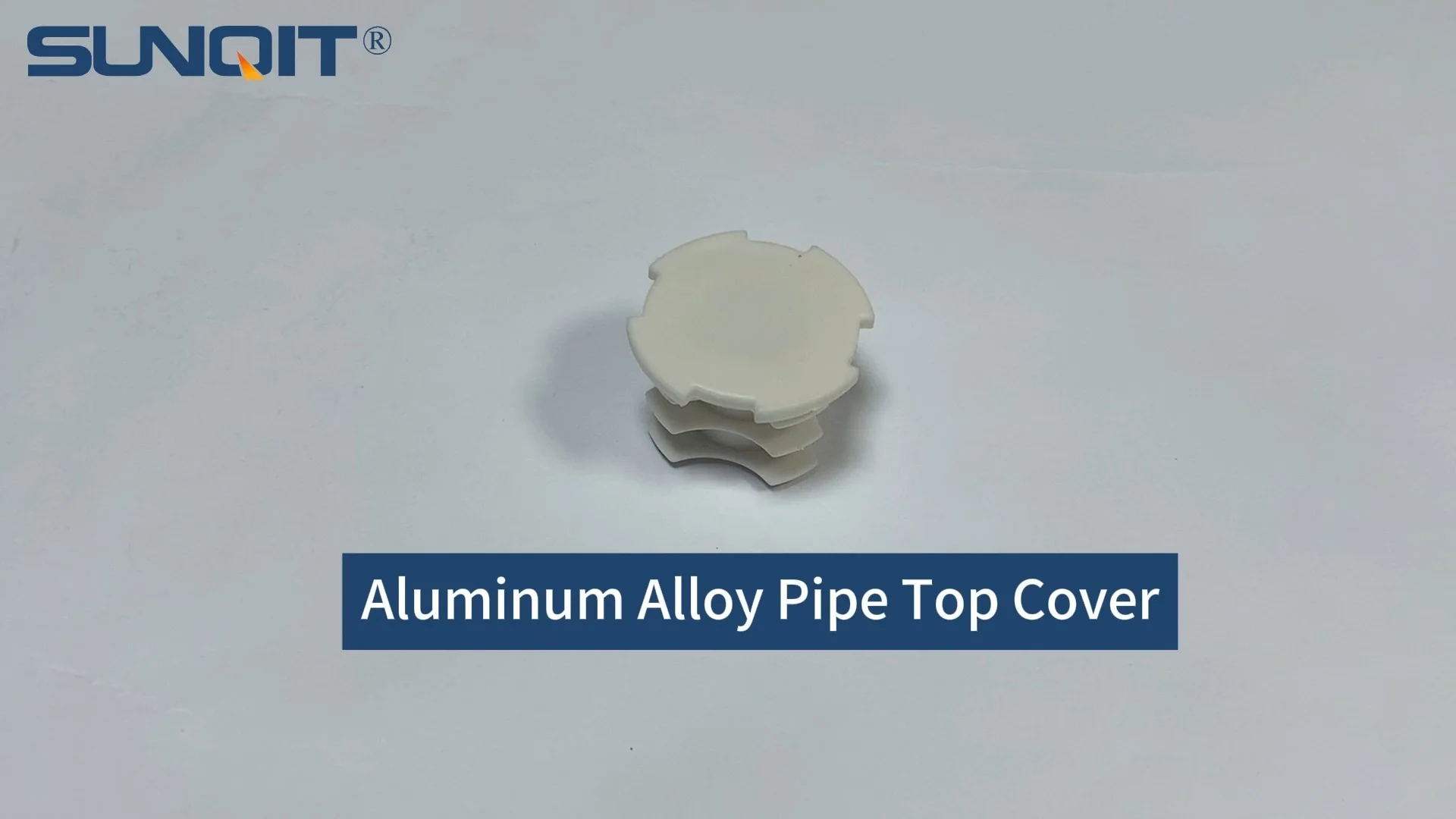
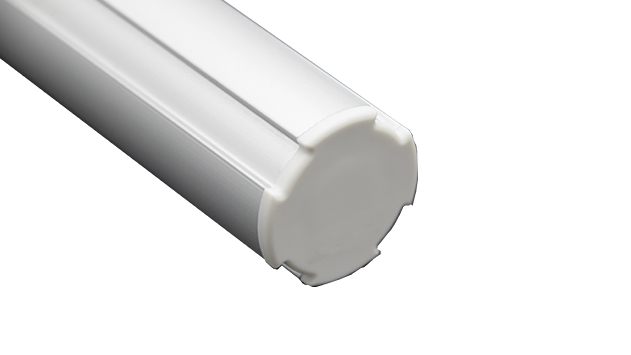
Plastic pipe cover to cover dia 28MM aluminum pipe end at workbench, flow rack, to prevent metal surface scratch material or worker.
Walk into any busy manufacturing plant, and you'll notice a silent hero working behind the scenes: the flow rack . These gravity-fed systems keep materials moving smoothly from storage to assembly lines, but even the best flow racks can hit snags—literally. Bent metal edges, rough surfaces, or misaligned tracks can slow down production, create bottlenecks, and frustrate workers who rely on steady material flow. That's where a small but mighty component comes in: plastic pipe covers for fluency racks. In this article, we'll explore how these unassuming accessories transform roller track performance, boost efficiency, and align with lean system principles—all while keeping your factory floor running like a well-oiled machine.
What Are Plastic Pipe Covers, and Why Do They Matter?
At first glance, plastic pipe covers might seem like a minor detail. They're thin, often colored strips of durable plastic designed to fit over the metal or aluminum rails of roller track systems. But don't let their simplicity fool you. In high-paced environments—where boxes, bins, and components slide down flow racks hundreds of times a day—these covers play a critical role in protecting both the equipment and the materials being moved.
Imagine a scenario where a factory uses bare metal roller tracks. Over time, the constant friction of plastic bins sliding against metal wears down both the bins and the tracks. Sharp edges from worn metal can tear packaging, damage delicate parts, or even cause jams when a bin catches on a rough spot. Workers end up stopping production to free stuck materials, wasting precious time. Now, add a plastic pipe cover: suddenly, the surface becomes smooth, friction drops, and materials glide effortlessly. It's a small change, but the impact ripples through the entire production process.
Real-World Impact: A Day in the Life of a Factory Floor
Consider a mid-sized electronics assembly plant that was struggling with delays on its smartphone production line. The team noticed that plastic trays carrying circuit boards were getting stuck on their flow rack's metal tracks up to 15 times per shift. Each jam took 2–3 minutes to fix, adding up to nearly an hour of lost production daily. After installing plastic roller track guide rail yellow covers, the number of jams dropped to zero. Workers reported less frustration, and the line met its daily quota for the first time in months. "It's like night and day," said Maria, a line supervisor. "We used to dread hearing that 'screech' of a stuck tray. Now, everything just flows."
The Hidden Benefits of Plastic Pipe Covers for Flow Racks
Plastic pipe covers do more than just make materials slide better. Let's break down their key advantages, from cost savings to worker satisfaction:
1. Reduced Friction, Faster Flow
The primary job of a plastic pipe cover is to create a smooth, low-friction surface. Unlike bare metal, plastic (especially high-density polyethylene, or HDPE) has a naturally slippery texture that allows bins and trays to glide down
roller track
systems with minimal effort. This means materials reach assembly stations faster, reducing wait times for workers and keeping production schedules on track.
2. Protection Against Wear and Tear
Metal tracks are tough, but they're not invincible. Constant contact with heavy bins can scratch, dent, or bend metal rails over time. Plastic covers act as a sacrificial layer, absorbing the brunt of the impact. When a cover wears out, you simply replace it—no need to repair or replace the entire track. This extends the life of your
flow rack
system and cuts down on maintenance costs.
3. Safer Handling for Delicate Parts
In industries like electronics or medical device manufacturing, even small scratches on components can render products defective. Plastic covers eliminate sharp edges and rough spots, ensuring that sensitive items like circuit boards or surgical tools slide down the rack without damage. This reduces waste and improves product quality—a win for both your bottom line and customer satisfaction.
4. Color-Coding for Visual Management
Ever walked into a factory and felt overwhelmed by the chaos of materials? Plastic pipe covers come in colors like yellow and grey, which aren't just for aesthetics.
Plastic roller track guide rail yellow
is highly visible, making it easy to mark high-priority lanes or workers to handle materials with extra care. Grey covers, on the other hand, blend into neutral factory environments, reducing visual clutter while still providing protection. This color-coding aligns with
lean system
practices, where visual cues streamline workflows and minimize errors.
Yellow vs. Grey: Choosing the Right Plastic Roller Track Guide Rail
Not all plastic pipe covers are created equal. Two of the most common options are plastic roller track guide rail yellow and grey. Each has unique strengths, and the best choice depends on your factory's needs. Let's compare them side by side:
| Feature | Plastic Roller Track Guide Rail Yellow | Plastic Roller Track Guide Rail Grey |
|---|---|---|
| Visibility | Highly visible; stands out in busy environments | Low-profile; blends with metal/aluminum tracks |
| Best For | High-traffic areas, priority lanes, or materials requiring careful handling (e.g., fragile parts) | General-purpose use, areas where visual simplicity is preferred, or tracks with frequent dust/dirt accumulation (grey hides minor stains) |
| Color Psychology | Associated with caution and attention—helps workers quickly identify critical flow paths | Conveys neutrality and professionalism; reduces eye strain in monotonous environments |
| Durability | Equal to grey (both made from tough HDPE); color fades slightly faster in direct sunlight | Equal to yellow; color holds better in bright light |
| Compatibility | Fits standard roller tracks (1–2 inch width); works with most flow rack designs | Same compatibility as yellow; no difference in installation |
Many factories opt for a mix: yellow covers for high-priority lines (like those feeding assembly stations) and grey for secondary storage areas. This hybrid approach balances visibility where it matters most with visual calm elsewhere.

Installing Plastic Pipe Covers: A Quick, Cost-Effective Upgrade
One of the best things about plastic pipe covers is how easy they are to install. Unlike major equipment overhauls, which require downtime and specialized labor, adding covers to your roller track takes minutes per rack. Here's a step-by-step breakdown of the process:
1. Clean the Tracks
Start by wiping down the roller track rails to remove dust, grease, or debris. A clean surface ensures the covers adhere properly and don't trap grime underneath.
2. Measure and Cut (If Needed)
Most plastic covers come in standard lengths (e.g., 1m or 2m), but you can easily trim them with a utility knife or scissors to fit shorter tracks. Always measure twice to avoid waste!
3. Snap or Adhere the Covers
Depending on the design, covers either snap onto the track (using built-in clips) or adhere with industrial-grade adhesive. Snap-on covers are reusable and easy to replace; adhesive-backed options offer a permanent, tamper-proof fit. For most factories, snap-on is preferred—they're simpler to adjust if tracks get realigned.
4. Test the Flow
Once installed, run a few test bins down the track to ensure smooth movement. If you notice any sticking, check for misaligned covers or debris and adjust as needed.
The entire process is so straightforward that many factories train their maintenance teams to handle it during regular shift changes, minimizing production disruption. And with costs ranging from $2–$5 per linear foot, it's an upgrade that delivers immediate ROI through reduced downtime and faster material flow.

Aligning with Lean Systems: How Plastic Pipe Covers Reduce Waste
In the world of manufacturing, lean system principles revolve around eliminating waste—whether it's time, materials, or effort. Plastic pipe covers support lean goals in three key ways:
1. Minimizing Downtime (Waste of Time)
A single jam in a
flow rack
can halt an entire assembly line. By reducing friction and preventing jams, plastic covers keep materials moving, cutting down on idle time for workers and machines.
2. Reducing Material Damage (Waste of Resources)
Scratched parts, torn packaging, or broken components all count as waste. Smooth plastic surfaces protect materials, ensuring fewer defects and less rework.
3. Lowering Maintenance Costs (Waste of Money)
Bare metal tracks require frequent sanding, painting, or replacement. Plastic covers extend track life, reducing the need for costly repairs and replacements. Over time, this adds up to significant savings.
John, a lean coordinator at a automotive parts plant, puts it this way: "Lean isn't just about big changes. It's about hundreds of small improvements that add up. Plastic pipe covers are a perfect example. They cost almost nothing, but they eliminate so many little frustrations—jams, slowdowns, damaged parts—that they've become a staple in our 5S program."
Beyond the Flow Rack: Other Uses for Plastic Pipe Covers
While flow racks are their primary home, plastic pipe covers aren't one-trick ponies. Factories have found creative ways to use them across the floor:
• Turnover Trolleys:
Protect delicate items during transport by covering metal rails on trolleys.
• Workbench Edges:
Soften sharp corners on workbenches to prevent injuries and equipment damage.
• Conveyor Belts:
Line the edges of conveyor systems to keep small parts from sliding off.
• Storage Racks:
Cover shelf edges to prevent boxes from catching when being pulled out.
Maintaining Your Plastic Pipe Covers: Simple Steps for Longevity
To get the most out of your plastic pipe covers, a little maintenance goes a long way. Here's how to keep them performing at their best:
• Weekly Cleaning:
Wipe covers with a damp cloth to remove dust, oil, or debris. For stubborn grime, use mild soap and water—avoid harsh chemicals that can degrade plastic.
• Monthly Inspections:
Check for cracks, chips, or loose covers. replace any damaged sections immediately to prevent jams.
• Seasonal Adjustments:
In cold weather, plastic becomes slightly brittle—avoid slamming heavy bins onto tracks. In hot environments, ensure covers aren't warping due to heat (rare with HDPE, but possible in extreme cases).
Choosing a Supplier: What to Look For
Not all plastic pipe covers are created equal. When selecting a supplier, prioritize these qualities:
• Material Quality:
Opt for covers made from food-grade or industrial-grade HDPE (high-density polyethylene) for maximum durability.
• Customization:
Look for suppliers who offer custom lengths or colors if your factory has unique track sizes.
• Fast Shipping:
Downtime waits for no one—choose a supplier with local warehouses to minimize lead times.
• Positive Reviews:
Ask for references or check online reviews to ensure reliability. A good supplier will stand behind their products with warranties.
Conclusion: Small Change, Big Results
In the grand scheme of manufacturing, plastic pipe covers might seem. But as we've explored, they're a testament to the power of small improvements. By smoothing roller track surfaces, reducing friction, and aligning with lean system goals, these simple accessories transform flow rack performance—making material flow faster, workers happier, and production lines more efficient.
So, the next time you walk through your factory, take a closer look at those flow racks. Are they living up to their potential? Or could a few plastic pipe covers be the missing piece in your efficiency puzzle? The answer might just surprise you—and your bottom line.