- Company Articles
- Products and Technology
- Solution
- Plastic Pipe Covers for Lean Manufacturing: Aligning with Kaizen Principles

Plastic Pipe Covers for Lean Manufacturing: Aligning with Kaizen Principles
Related Product
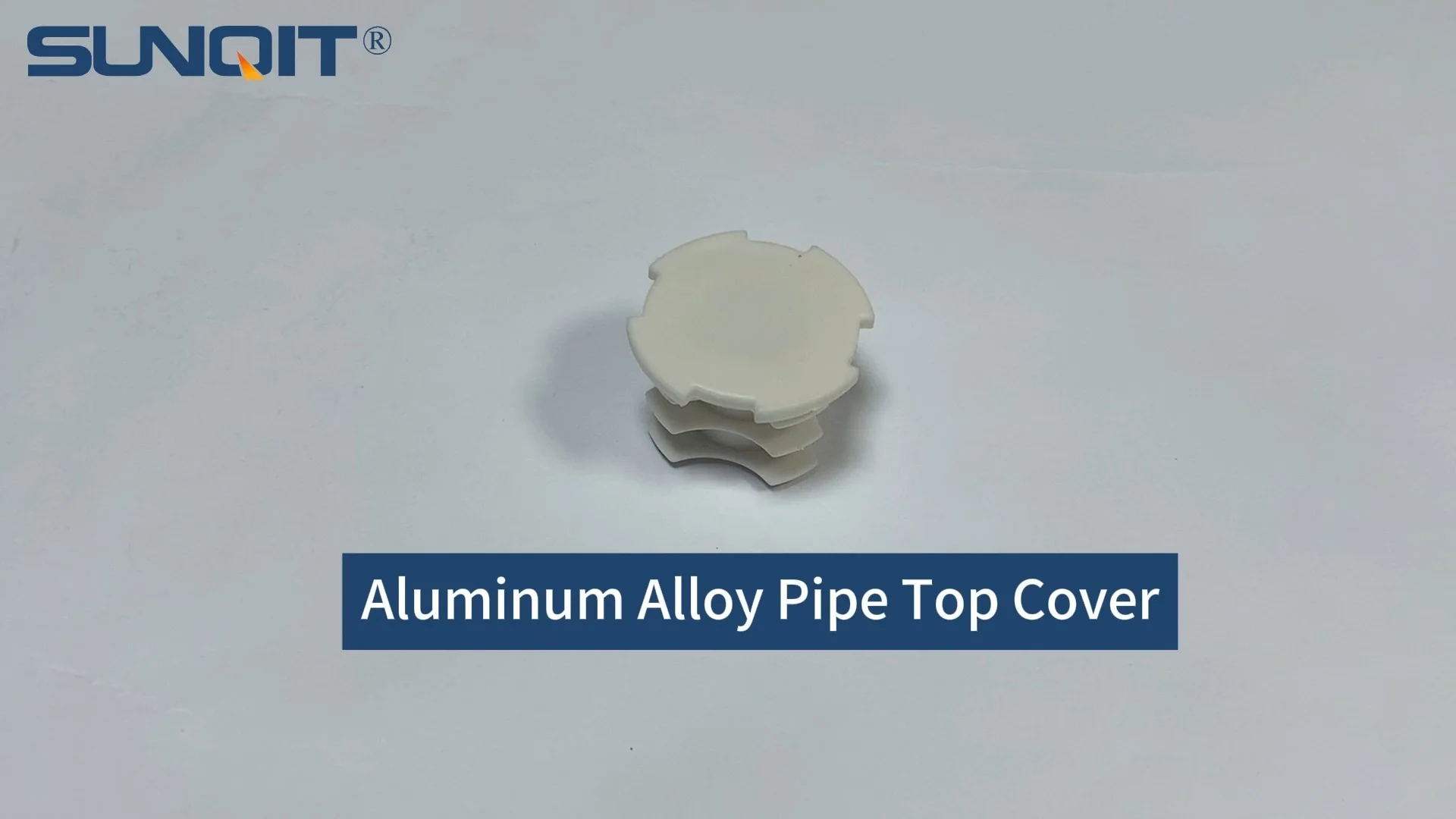
Plastic Pipe Cover
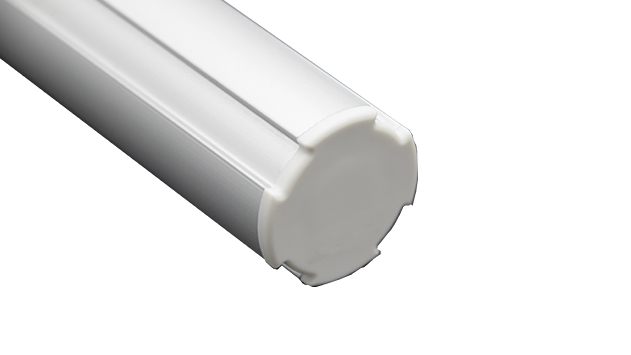
Plastic pipe cover to cover dia 28MM aluminum pipe end at workbench, flow rack, to prevent metal surface scratch material or worker.
Walk into any thriving manufacturing facility today, and you'll likely notice a common thread: a focus on efficiency, order, and continuous improvement. These aren't just buzzwords—they're the backbone of lean manufacturing, a philosophy that has transformed how products are made, assembled, and delivered worldwide. At the heart of lean lies Kaizen —the Japanese concept of "continuous improvement through small, incremental changes." While Kaizen often brings to mind large-scale process overhauls or high-tech automation, some of its most impactful applications are found in the smallest, most overlooked components of a production system. One such component? The humble plastic pipe cover.
In the world of lean manufacturing, where every second counts and waste is the enemy, plastic pipe covers might seem trivial. But for those on the factory floor—assembly line workers, supervisors, and maintenance teams—these unassuming accessories play a critical role in keeping operations smooth, safe, and adaptable. They're the unsung heroes that protect lean pipes from wear, reduce noise in busy workspaces, and make reconfiguring workbenches or flow racks a breeze. In this article, we'll explore how plastic pipe covers embody Kaizen principles, why they've become indispensable in modern lean systems, and how they contribute to the "small wins" that drive long-term operational excellence.
Understanding Lean Manufacturing and Kaizen: The Foundation of Operational Excellence
Before diving into the specifics of plastic pipe covers, let's ground ourselves in the basics of lean manufacturing and Kaizen. Lean, born from the Toyota Production System (TPS), is all about maximizing value while minimizing waste. It identifies seven key types of waste—overproduction, waiting, transport, defects, inventory, motion, and overprocessing—and aims to eliminate them through streamlined processes, standardized workflows, and a culture of continuous improvement.
Kaizen, which translates to "change for the better," is the engine that powers lean. Unlike radical overhauls, Kaizen thrives on small, daily improvements driven by everyone in the organization—from frontline workers to top management. It's about noticing that a tool is always out of reach and moving it closer, or realizing that a machine's setup time can be cut by 5 minutes with a simple adjustment. Over time, these micro-improvements compound, leading to significant gains in productivity, quality, and employee satisfaction.
What Kaizen Looks Like in Action
Consider a small electronics assembly plant where workers spend 10 minutes each shift searching for the right lean pipe joint to adjust their workbench. A Kaizen-minded team might suggest labeling joints by size and color, reducing search time to 2 minutes. Multiply that 8-minute daily saving by 50 workers over a year, and you're looking at over 1,300 hours of reclaimed productivity—all from a simple, low-cost change.
At its core, Kaizen is about respect for people and respect for process. It recognizes that those closest to the work often have the best ideas for improvement, and it empowers them to act. This philosophy extends to every aspect of the production environment, including the tools and components that make up the physical workspace—like lean pipes, workbenches, and yes, plastic pipe covers.
Plastic Pipe Covers: More Than Just "Covers" in Lean Systems
Lean systems rely heavily on modular, flexible structures built from lean pipes (also known as "lean tubes")—lightweight, durable pipes that can be configured into workbenches, flow racks, conveyors, and material trolleys. These systems are designed to be easily reconfigured as production needs change, aligning with the lean principle of adaptability. But lean pipes alone aren't enough: they need accessories to maximize their functionality, safety, and longevity. Enter plastic pipe covers.
Plastic pipe covers are sleeves made from materials like PVC, polyethylene, or polypropylene, designed to fit snugly over lean pipes. At first glance, they might seem like a minor add-on, but their impact is anything but minor. Let's break down their key roles:
1. Protection: Extending the Life of Lean Pipes
Lean pipes, whether made of steel, aluminum, or stainless steel, are built to withstand daily use, but they're not invincible. Scratches from tools, dents from moving parts, and corrosion from moisture or chemicals can weaken pipes over time, leading to costly replacements. Plastic pipe covers act as a barrier, absorbing impacts and shielding pipes from environmental damage. For example, in a food packaging facility where water and cleaning agents are constantly used, a plastic cover can prevent rust on steel lean pipes, doubling their lifespan.
2. Safety: Reducing Workplace Risks
A smooth, covered pipe is a safer pipe. Bare metal pipes can have sharp edges from cuts or welding, posing a risk of scrapes or snagged clothing. Plastic covers, with their rounded edges and non-slip surfaces, eliminate these hazards. They also reduce noise: in a busy factory, the clatter of metal tools hitting bare pipes can contribute to workplace fatigue; plastic covers muffle these sounds, creating a calmer environment.
3. Flexibility: Supporting Rapid Reconfiguration
One of the hallmarks of lean systems is their ability to be reconfigured quickly. Whether a team needs to adjust a workbench height or rearrange a flow rack to accommodate a new product, every minute spent on reconfiguration is time away from production. Plastic pipe covers are designed for easy installation and removal—many snap on or slide into place without tools. This means workers can reconfigure a lean system in minutes, not hours, aligning with Kaizen's focus on eliminating "motion waste" (unnecessary time spent on setup or adjustment).
4. Visual Management: Streamlining Workflows
Lean manufacturing relies on visual cues to guide workflows and reduce errors. Plastic pipe covers can be color-coded to denote different zones or functions: yellow for assembly areas, grey for quality control stations, or red for safety-critical zones. This visual organization helps workers quickly identify where tools, materials, or products belong, reducing "search waste" and improving accuracy. For instance, a car parts manufacturer might use blue covers on pipes leading to the welding station and green covers for the painting station, making it easier for new employees to navigate the floor.
Aligning Plastic Pipe Covers with Kaizen Principles: A Closer Look
Now that we understand what plastic pipe covers do, let's explore how they directly support Kaizen principles. Remember: Kaizen isn't just about improvement—it's about continuous improvement, and even small components like pipe covers play a role in that journey.
Kaizen Principle 1: Eliminate Waste (Muda)
Waste is the enemy of lean, and plastic pipe covers attack waste on multiple fronts:
- Reduced replacement waste: By protecting lean pipes from damage, covers extend their lifespan, reducing the need to buy new pipes (inventory waste).
- Less maintenance waste: Scratched or corroded pipes require time-consuming repairs; covers minimize maintenance needs (motion waste).
- Faster reconfiguration: Easy-to-install covers mean workers spend less time setting up or adjusting lean systems (waiting waste).
Kaizen Principle 2: Respect for People
Kaizen teaches that a safe, comfortable workplace is a productive workplace. Plastic pipe covers contribute to this by:
- Preventing injuries: Smooth, covered pipes reduce cuts, scrapes, and trips, showing employees their well-being is a priority.
- Reducing fatigue: Quieter workspaces (thanks to noise-dampening covers) and ergonomic, easy-to-adjust systems (made possible by quick-remove covers) help workers stay focused and energized.
Kaizen Principle 3: Standardization with Flexibility
Lean thrives on standardized processes, but it also requires flexibility to adapt to change. Plastic pipe covers balance both: they come in standard sizes to fit common lean pipe diameters (e.g., 28mm, 30mm), ensuring consistency across the facility, but they're also available in different colors and materials to meet specific needs (e.g., ESD-safe covers for electronics manufacturing, heat-resistant covers for automotive plants). This standardization with flexibility makes it easy for teams to replicate successful setups across shifts or departments.
Kaizen Principle 4: Continuous Improvement (Kaizen Events)
Kaizen events—short, focused workshops to solve specific problems—often target workflow bottlenecks. Plastic pipe covers can be part of these solutions. For example, a team might notice that products frequently get stuck on a flow rack due to rough pipe surfaces. By adding low-friction plastic covers, they reduce friction, allowing products to glide smoothly, cutting downtime by 30%. This small change, tested and implemented during a single Kaizen event, becomes a new standard for all flow racks in the facility.

Traditional vs. Plastic Pipe Covers: A Kaizen-Ready Comparison
To truly appreciate the value of plastic pipe covers, let's compare them to traditional alternatives like metal sleeves or rubber tapes. How do they stack up in terms of Kaizen alignment?
| Feature | Traditional Covers (Metal/Rubber) | Plastic Pipe Covers | Kaizen Alignment |
| Installation Time | 20-30 minutes per pipe (requires tools like screws or adhesives) | 2-3 minutes per pipe (snap-on or slide-on design) | Reduces motion waste; faster setup supports quick reconfiguration |
| Durability | Metal: prone to rust; Rubber: cracks in extreme temperatures | Resistant to rust, corrosion, and temperature fluctuations (up to 80°C for PVC) | Longer lifespan reduces replacement waste; reliable performance supports process stability |
| Safety | Metal edges can be sharp; rubber may degrade and become slippery | Smooth, rounded edges; non-slip surface; no sharp parts | Reduces injury risk, aligning with respect for people |
| Cost (Lifetime) | Lower upfront cost, but frequent replacements (every 6-12 months) | Slightly higher upfront cost, but lasts 3-5 years with minimal maintenance | Lower total cost of ownership; frees budget for other improvements |
| Customization | Limited color options; hard to label or mark | Available in 10+ colors; can be printed with labels or barcodes | Supports visual management; color-coding reduces search waste |

Real-World Impact: Plastic Pipe Covers in Action
To see how plastic pipe covers drive Kaizen, let's look at two case studies from different industries:
Case Study 1: Automotive Parts Assembly Plant
A mid-sized automotive parts manufacturer was struggling with frequent workbench reconfigurations. Their lean pipe workbenches used metal sleeves, which took 2 hours to remove and reinstall each time production lines changed. Workers were frustrated, and setup delays were causing missed deadlines. The plant's Kaizen team proposed switching to plastic pipe covers. Within a week, they tested the new covers on one assembly line. The result? Reconfiguration time dropped to 20 minutes, a 83% reduction. Encouraged, they rolled out plastic covers across all 12 workbenches, saving over 400 hours of setup time in the first year. Employees reported higher job satisfaction, and the plant increased its on-time delivery rate by 15%.
Case Study 2: Pharmaceutical Packaging Facility
A pharmaceutical company needed to comply with strict hygiene standards for its flow racks, which transported pill bottles. Their existing steel lean pipes were prone to rust spots, requiring weekly cleaning with harsh chemicals (a form of overprocessing waste). The team tested plastic pipe covers made from food-grade polyethylene, which are resistant to chemicals and easy to wipe clean. Cleaning time dropped from 2 hours per week to 30 minutes, and rust-related defects in packaging fell by 90%. The covers also reduced noise from clinking bottles, making the workspace calmer and reducing worker fatigue during long shifts.
Choosing the Right Plastic Pipe Covers: Tips for Kaizen-Minded Teams
Not all plastic pipe covers are created equal. To maximize their Kaizen impact, teams should consider these factors when selecting covers:
1. Material Matters
Different environments demand different materials. For example:
- PVC: Cost-effective and durable for general manufacturing environments.
- Polypropylene: Resistant to chemicals, ideal for laboratories or cleaning-intensive areas.
- ESD-safe plastic: Prevents static buildup, critical for electronics or semiconductor plants.
2. Size and Fit
Covers should fit snugly without being too tight. Loose covers can slide off, creating hazards; tight covers are hard to remove during reconfiguration. Look for covers designed for your specific lean pipe diameter (e.g., 28mm for standard steel lean pipes, 30mm for aluminum lean pipes).
3. Color-Coding for Visual Management
Leverage color to reinforce workflows. For example, use yellow covers for "in-process" material zones, grey for "finished goods," and red for "quality inspection" areas. This visual cue reduces errors and makes training new employees faster.
4. Supplier Reliability
A Kaizen-focused operation needs consistent access to quality components. Choose a lean pipe supplier that offers a range of plastic pipe covers, fast delivery, and technical support. A reliable supplier can help you troubleshoot issues (e.g., finding heat-resistant covers for high-temperature areas) and even suggest new cover designs that align with your improvement goals.
Conclusion: Small Components, Big Kaizen Wins
In the world of lean manufacturing, it's easy to get swept up in grand gestures—new automation systems, state-of-the-art software, or large-scale facility redesigns. But as Kaizen teaches us, true excellence lies in the details: the small, intentional choices that make daily work easier, safer, and more efficient. Plastic pipe covers embody this philosophy. They're not flashy, but they're effective: protecting lean pipes, reducing waste, supporting safety, and enabling the continuous improvement that defines lean success.
So the next time you walk through a factory, take a closer look at those unassuming plastic sleeves on the lean pipes. They're more than just covers—they're a testament to the power of Kaizen. And in the end, it's these small, relentless improvements that turn good operations into great ones.