- Company Articles
- Products and Technology
- Product knowledge
- Plastic Pipe Covers for Mechanical Manufacturing: Withstanding Heavy Loads

Plastic Pipe Covers for Mechanical Manufacturing: Withstanding Heavy Loads
Related Product
Plastic Pipe Cover
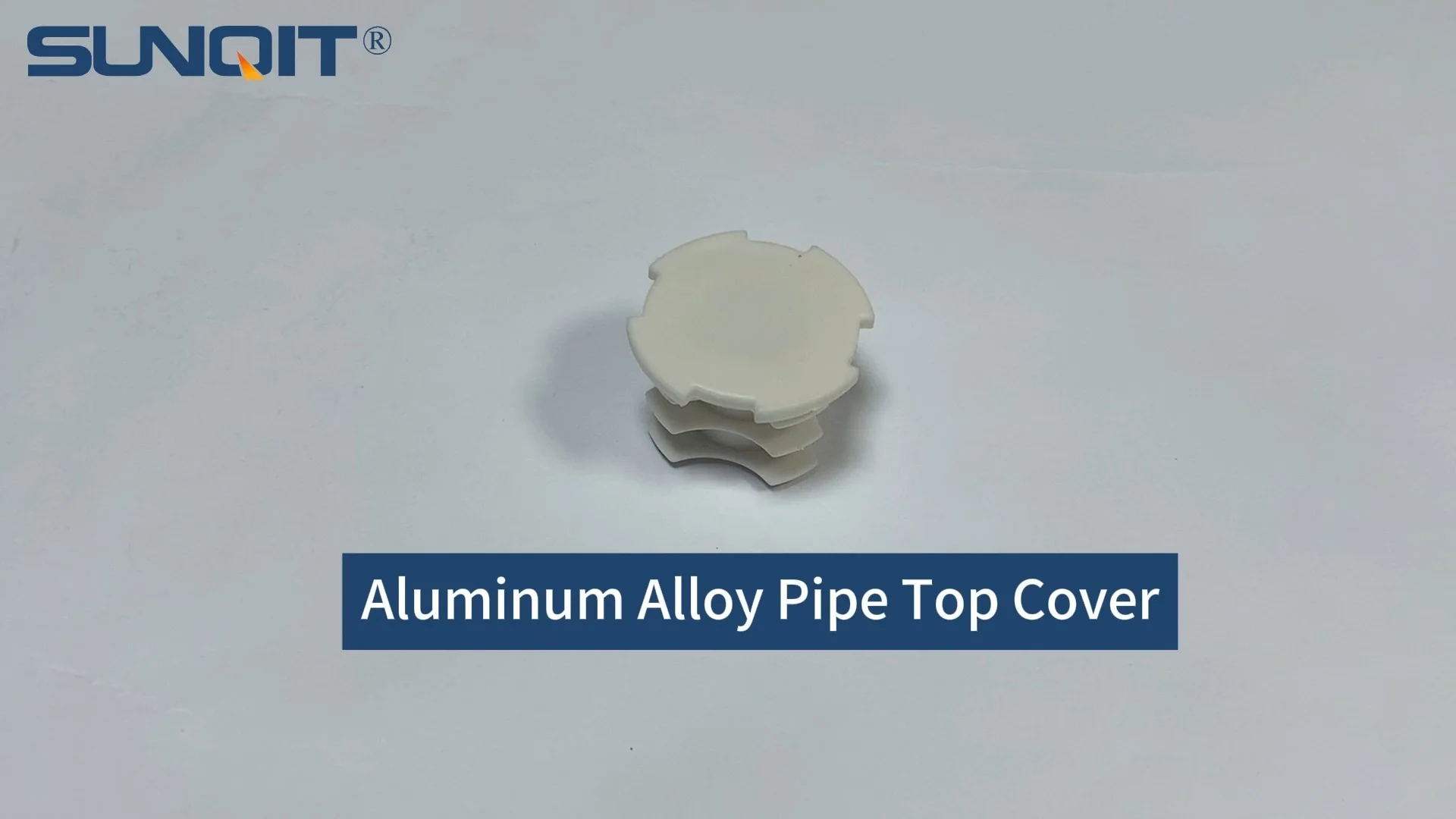
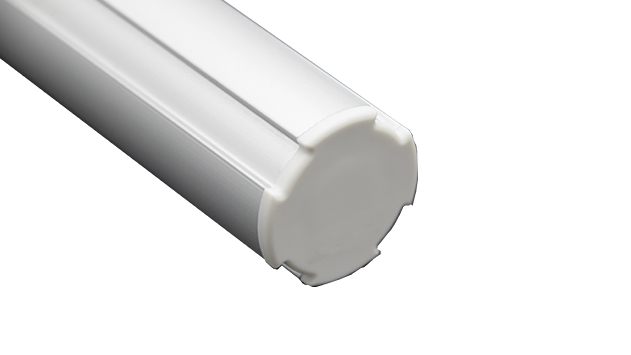
Plastic pipe cover to cover dia 28MM aluminum pipe end at workbench, flow rack, to prevent metal surface scratch material or worker.
Walk into any bustling mechanical manufacturing facility, and your eyes are drawn to the big players: the roaring assembly lines, the towering material racks, the precision workbenches where skilled hands piece together components. But if you take a closer look—past the hum of machinery and the rhythm of production—you'll notice the unsung heroes holding it all together. They're small, often overlooked, and yet utterly critical to keeping the operation running smoothly: plastic pipe covers. These unassuming sleeves might not grab headlines, but in the world of heavy-duty manufacturing, they're the quiet guardians of efficiency, durability, and safety. Today, we're diving into why these simple components matter, how they stand up to the toughest industrial demands, and why they're indispensable in lean systems and beyond.
What Are Plastic Pipe Covers, Anyway?
At their core, plastic pipe covers are protective sleeves designed to fit over metal or aluminum pipes—think lean pipe, aluminum pipe, or stainless steel pipe series commonly used in manufacturing setups. Made from durable plastics like polyethylene or polypropylene, they slip over the outer surface of pipes, creating a barrier between the raw pipe material and the harsh conditions of a factory floor. But they're more than just "covers." Think of them as multitaskers: they shield pipes from scratches, corrosion, and impact; they reduce noise from metal-on-metal contact; they prevent snags or damage to sensitive materials being transported; and yes, they even add a pop of color (hello, yellow and grey plastic roller track guide rails) to help with visual organization on the shop floor.
You might be wondering: Why plastic? Why not just leave the pipes bare, or use metal covers? In manufacturing, every decision comes down to balance—cost, durability, weight, and functionality. Plastic hits that sweet spot. It's lightweight, so it doesn't add unnecessary heft to structures like workbenches or turnover trolleys. It's resistant to chemicals, oils, and moisture—common hazards in factories—that would corrode metal. And it's flexible enough to absorb minor impacts, protecting both the pipe underneath and the workers or materials that might bump into it. Plus, plastic is easy to mold into specific shapes, making it adaptable to different pipe sizes, from the slim 0.5-inch swivel roller balls to the sturdier 1-inch variants.
Why Lean Systems Can't Afford to Overlook Them
In manufacturing, lean systems are all about eliminating waste—whether that's wasted time, wasted materials, or wasted effort. Every component in a lean setup is there for a reason, and plastic pipe covers fit right into that philosophy. Let's break it down: Lean systems rely heavily on modular structures built with lean pipe, aluminum profile, and aluminum extrusion profile. These structures—think flow racks, conveyor systems, or custom workbenches—are designed to be flexible, scalable, and easy to reconfigure as production needs change. But without protection, those pipes take a beating. Scratches from tools, dents from dropped parts, or rust from spilled liquids can weaken the structure over time, leading to costly repairs or replacements. That's where plastic covers step in: by extending the lifespan of the underlying pipes, they reduce waste from frequent part swaps and keep the lean system running at peak efficiency for longer.
Take, for example, a typical lean pipe workbench. Day in and day out, it's subjected to heavy tools, parts being slid across its surface, and the occasional accidental knock from a turnover trolley. Without a plastic cover, the aluminum or lean pipe frame would quickly show signs of wear. A scratched pipe isn't just an aesthetic issue—it's a weak point. Over time, that scratch could deepen, compromising the structural integrity of the workbench. But with a plastic cover? The scratch happens to the cover, not the pipe. Swap out the cover, and the bench is as good as new—no need to replace the entire pipe. That's lean thinking in action: minimizing waste by protecting the more expensive, harder-to-replace components with a low-cost, easy-to-replace one.
Heavy-Duty Performance: How They Stand Up to the Grind
"Heavy loads" in manufacturing aren't just hyperbole. We're talking about workbenches supporting 500+ pounds of machinery, roller tracks (conveying) pallets stacked with parts, or caster wheel-equipped trolleys carrying toolboxes across uneven floors. In these scenarios, plastic pipe covers don't just "survive"—they thrive. Here's why:
Impact Resistance: drop a metal wrench on a bare aluminum pipe, and you'll likely leave a dent. Do the same on a pipe with a plastic cover, and the plastic absorbs the shock, spreading the force across a wider area. Manufacturers test these covers rigorously, simulating years of drops, bumps, and scrapes to ensure they don't crack or tear under pressure.
Load Distribution: When a heavy object is placed on a covered pipe—say, a workpiece on a lean pipe workbench—the plastic cover acts as a buffer, distributing the weight more evenly across the pipe's surface. This reduces stress on any single point, preventing bending or warping over time. It's like how a good pair of shoes cushions your feet; the cover cushions the pipe, letting it handle heavier loads without strain.
Chemical and UV Resistance: Factory floors are no strangers to spills—coolant, lubricants, cleaning agents, even the occasional soda from a worker's lunch. Plastic pipe covers are formulated to resist these chemicals, so they won't degrade, crack, or become brittle when exposed. And for setups near windows or outdoor loading docks, UV-stabilized covers prevent fading or weakening from sunlight, ensuring long-term performance.

Where You'll Find Them: Real-World Applications
Plastic pipe covers aren't one-trick ponies. They show up in nearly every corner of a manufacturing facility, quietly boosting performance. Let's zoom in on a few key spots:
Workbenches: The Heart of Assembly Lines
A workbench is more than just a table—it's a command center. Whether it's a single-deck workbench E (without casters) or a double-sided station cluttered with tools, the frame (often built from lean pipe or aluminum profile) takes a daily beating. Plastic pipe covers here do double duty: they protect the frame from scratches caused by tools or parts, and they create a smoother, safer surface. Ever had a loose thread from a cloth snag on a bare metal pipe? A plastic cover eliminates that risk, keeping materials like wiring harnesses or fabrics from tearing during assembly.
Roller Tracks and Guide Rails: Keeping Materials Flowing
Material flow is the lifeblood of manufacturing. When parts get stuck on a roller track, production grinds to a halt. That's where plastic roller track guide rails—like the yellow or grey variants—shine. These guides, often paired with roller track placon mounts for rail connection, keep items centered as they glide along roller tracks. The plastic covers on these rails reduce friction, ensuring smooth movement even with heavy loads. And because they're color-coded, workers can quickly identify which tracks are for which materials (e.g., yellow for finished goods, grey for raw materials), cutting down on errors.
Caster Wheels: Rolling Smoothly, Even on Rough Floors
Caster wheel-equipped trolleys are the workhorses of material transport, zipping from the warehouse to the assembly line and back. But their performance depends on the condition of their supporting structure—often a frame built from lean pipe or aluminum pipe. Plastic pipe covers here prevent dirt, debris, or metal shavings from building up on the pipes, which could otherwise jam the caster mechanisms or scratch the floor. They also dampen noise: without covers, metal pipes vibrate against caster mounts, creating a racket. With covers? A much quieter ride, making the factory floor a more pleasant place to work.

Choosing the Right Plastic Pipe Cover: A Quick Guide
Not all plastic pipe covers are created equal. The right one depends on your pipe type, load requirements, and environment. To help you decide, here's a quick comparison of common options:
| Type | Pipe Compatibility | Max Load Capacity | Best For | Key Advantage |
|---|---|---|---|---|
| Yellow Plastic Roller Track Guide Rail | Aluminum pipe, lean pipe | Up to 300 lbs per linear foot | High-visibility areas (e.g., assembly lines) | Bright color enhances safety; chemical-resistant |
| Grey Plastic Roller Track Guide Rail | Stainless steel pipe series, aluminum profile | Up to 400 lbs per linear foot | Heavy-duty material racks, roller tracks | UV-stabilized; ideal for outdoor or window-adjacent setups |
| Thick-Wall Polyethylene Cover | Lean pipe, basic aluminum tube | Up to 500 lbs per linear foot | Workbenches, turnover trolleys | Extra impact resistance; absorbs shocks from dropped tools |
| Flexible PVC Cover | Small-diameter pipes (e.g., 0.5-inch swivel roller balls) | Up to 150 lbs per linear foot | Lightweight racks, caster wheel frames | Highly flexible; easy to install on curved pipes |
Installation Tips: Making Them Last
Even the best plastic pipe cover won't perform if installed poorly. Here are a few pro tips to ensure yours stand the test of time:
- Clean the pipe first: Wipe down the pipe with a degreaser to remove oil, dirt, or rust before sliding on the cover. A clean surface ensures a snug fit and prevents debris from causing friction.
- Use lubricant (sparingly): For tight-fitting covers, a tiny bit of soapy water or silicone spray can help them slide on easier. Avoid oil-based lubricants, which can degrade plastic over time.
- Check for gaps: After installation, run your hand along the cover to ensure there are no air pockets or loose spots. Gaps can let moisture in, leading to pipe corrosion.
- replace when worn: If you notice cracks, deep scratches, or discoloration, swap out the cover immediately. Waiting can put the underlying pipe at risk, leading to costlier repairs later.
The Future of Plastic Pipe Covers: More Than Just Protection
As manufacturing evolves—with smarter factories, IoT-connected equipment, and a focus on sustainability—plastic pipe covers are evolving too. Manufacturers are experimenting with recycled plastics to reduce environmental impact without sacrificing strength. Some are adding anti-static properties to protect sensitive electronics during assembly. Others are integrating RFID tags into covers, allowing facilities to track equipment (like workbenches or trolleys) via their pipe frames. The goal? To turn these "passive" components into active contributors to efficiency and sustainability.
Wrapping Up: Small Parts, Big Impact
Plastic pipe covers might not be the stars of the manufacturing show, but they're the reliable supporting cast that ensures the main act goes off without a hitch. They protect your lean pipe and aluminum pipe investments, keep your workbenches and roller tracks running smoothly, and make your factory floor safer and more efficient. In a world where every second and every dollar counts, these small sleeves deliver outsized returns. So the next time you're on the shop floor, take a moment to appreciate the plastic pipe covers. They're not just covering pipes—they're covering the foundation of your operation.