- Company Articles
- Products and Technology
- Application Cases
- Plastic Pipe Covers in 3C Assembly: Protecting Components During Production

Plastic Pipe Covers in 3C Assembly: Protecting Components During Production
Related Product
Plastic Pipe Cover
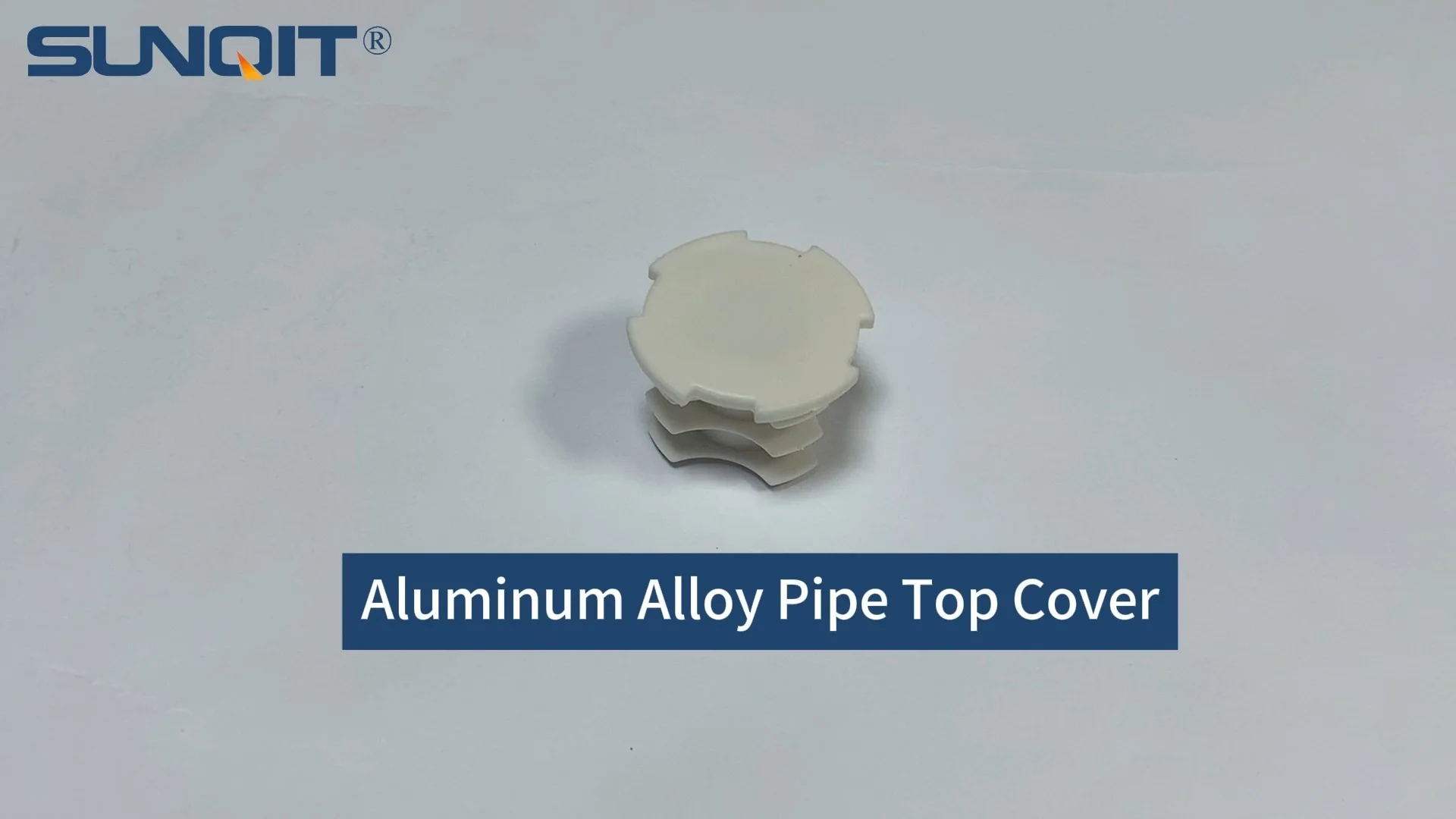
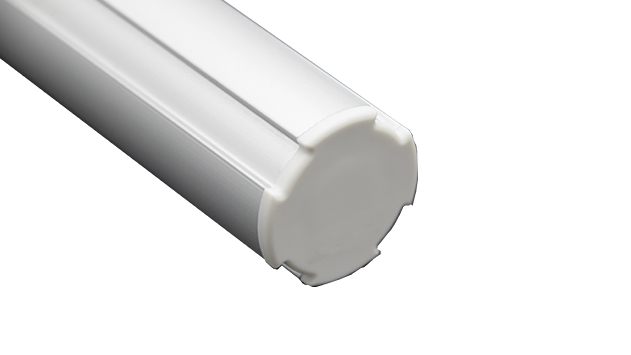
Plastic pipe cover to cover dia 28MM aluminum pipe end at workbench, flow rack, to prevent metal surface scratch material or worker.
The 3C industry—encompassing computers, communications, and consumer electronics—thrives on precision, speed, and innovation. Every day, factories around the world churn out millions of smartphones, laptops, smartwatches, and other devices, each composed of delicate components that demand careful handling. From microchips smaller than a fingernail to ultra-thin OLED screens, these parts are vulnerable to scratches, static damage, and misalignment the moment they enter the production line. In this high-stakes environment, even the smallest oversight can lead to costly defects, delayed shipments, or compromised product quality. Yet, amid the buzz of conveyor belts, robotic arms, and assembly workbenches, there's a quiet hero working behind the scenes: plastic pipe covers. These unassuming protective sleeves, often paired with lean pipes and roller track guide rails, play a critical role in safeguarding components and keeping assembly lines running smoothly. Let's dive into how these simple tools make a big difference in 3C manufacturing.
The Chaotic Reality of 3C Assembly Lines
To understand why plastic pipe covers matter, it's first important to grasp the complexity of 3C assembly. Unlike automotive or heavy machinery production, where parts are robust and standardized, 3C manufacturing deals with components that are tiny, fragile, and highly sensitive to environmental factors. A single smartphone, for example, contains over 1,000 individual parts, many of which require precise alignment to within fractions of a millimeter. Circuit boards (PCBs) are covered in microscopic solder points; a single scratch can break a connection and render the entire board useless. Screens, whether for a laptop or a smartwatch, are coated with anti-reflective layers that scratch at the lightest friction. Even static electricity—something as simple as a worker's sweater—can fry a microchip worth hundreds of dollars.
To manage this complexity, modern 3C factories rely on lean systems, a set of principles focused on minimizing waste, streamlining workflows, and maximizing efficiency. Lean systems often revolve around modular workbenches, flow racks, and conveyors built using lean pipes—lightweight, modular tubes that can be configured into custom structures. These workbenches and conveyors are the backbone of the assembly line, where components are sorted, assembled, tested, and packaged. But here's the catch: the metal or aluminum lean pipes that form these structures are hard, rigid, and often have sharp edges. When delicate components come into contact with them—whether due to accidental bumps, vibrations, or misalignment—damage is almost inevitable. This is where plastic pipe covers step in, acting as a buffer between the unforgiving metal and the sensitive parts.
To manage this complexity, modern 3C factories rely on lean systems, a set of principles focused on minimizing waste, streamlining workflows, and maximizing efficiency. Lean systems often revolve around modular workbenches, flow racks, and conveyors built using lean pipes—lightweight, modular tubes that can be configured into custom structures. These workbenches and conveyors are the backbone of the assembly line, where components are sorted, assembled, tested, and packaged. But here's the catch: the metal or aluminum lean pipes that form these structures are hard, rigid, and often have sharp edges. When delicate components come into contact with them—whether due to accidental bumps, vibrations, or misalignment—damage is almost inevitable. This is where plastic pipe covers step in, acting as a buffer between the unforgiving metal and the sensitive parts.
What Are Plastic Pipe Covers, Anyway?
At their core, plastic pipe covers are exactly what they sound like: protective sleeves made from durable, flexible plastic that slip over the metal or aluminum pipes used in lean systems, workbenches, and roller tracks. They're designed to cover the exposed surfaces of these pipes, transforming hard, potentially damaging edges into smooth, soft barriers. But don't let their simplicity fool you—these covers are engineered with specific properties to meet the demands of 3C manufacturing.
Most plastic pipe covers are made from polyvinyl chloride (PVC) or polyethylene (PE), materials chosen for their balance of flexibility, durability, and cost-effectiveness. PVC covers, for instance, are resistant to oils, chemicals, and abrasion, making them ideal for factory environments where spills or frequent cleaning are common. PE covers, on the other hand, are softer and more shock-absorbent, providing extra cushioning for extremely delicate components like camera lenses or touchscreens. Some covers even include anti-static additives, which help dissipate static electricity and prevent it from building up on the pipe surface—a critical feature for protecting electrostatic discharge (ESD)-sensitive parts like microchips.
Plastic pipe covers come in a range of sizes to fit different lean pipe diameters, from small 0.5-inch tubes used in lightweight workbenches to larger 2-inch pipes in heavy-duty material racks. They also come in various colors, with yellow and grey being two of the most common options. Yellow covers are often used for high-visibility areas, such as roller track guide rails on conveyors, where they help workers quickly spot misaligned components or obstacles. Grey covers, by contrast, are popular for workbench frames, as they blend into the background and reduce visual clutter, allowing assemblers to focus on the task at hand. This color-coding isn't just for aesthetics—it's a practical part of lean system design, helping to organize workflows and reduce errors.
Most plastic pipe covers are made from polyvinyl chloride (PVC) or polyethylene (PE), materials chosen for their balance of flexibility, durability, and cost-effectiveness. PVC covers, for instance, are resistant to oils, chemicals, and abrasion, making them ideal for factory environments where spills or frequent cleaning are common. PE covers, on the other hand, are softer and more shock-absorbent, providing extra cushioning for extremely delicate components like camera lenses or touchscreens. Some covers even include anti-static additives, which help dissipate static electricity and prevent it from building up on the pipe surface—a critical feature for protecting electrostatic discharge (ESD)-sensitive parts like microchips.
Plastic pipe covers come in a range of sizes to fit different lean pipe diameters, from small 0.5-inch tubes used in lightweight workbenches to larger 2-inch pipes in heavy-duty material racks. They also come in various colors, with yellow and grey being two of the most common options. Yellow covers are often used for high-visibility areas, such as roller track guide rails on conveyors, where they help workers quickly spot misaligned components or obstacles. Grey covers, by contrast, are popular for workbench frames, as they blend into the background and reduce visual clutter, allowing assemblers to focus on the task at hand. This color-coding isn't just for aesthetics—it's a practical part of lean system design, helping to organize workflows and reduce errors.
Lean Pipes, Workbenches, and the Role of Plastic Covers
Lean pipes are the building blocks of modern 3C assembly lines. These lightweight, modular tubes—often made of aluminum or steel—can be connected with joints to create custom workbenches, flow racks, and conveyor supports in minutes. Unlike fixed metal structures, lean pipe systems are easy to reconfigure as production needs change, which is essential in the fast-paced 3C industry, where new models are launched every few months. But while lean pipes are versatile, their metal surfaces pose a risk to components. Imagine a PCB being slid across a workbench frame made of bare aluminum: the friction alone could scratch the board's surface, or a sharp joint could snag a wire. Now, add a plastic pipe cover to that same workbench, and suddenly the surface is smooth, non-abrasive, and gentle on even the most delicate parts.
Workbenches, in particular, benefit greatly from plastic pipe covers. These are the workstations where assemblers spend hours attaching screens to phone bodies, soldering components onto PCBs, or testing battery connections. A typical workbench in a 3C factory has a lean pipe frame with a wooden or metal top, surrounded by shelves, tool holders, and bins—all built from lean pipes. Without covers, the frame's edges could catch on workers' gloves or tools, leading to accidents or damaged components. Plastic covers soften these edges, making the workbench safer for both workers and parts. They also reduce noise: metal-on-metal contact between tools and lean pipes can create a constant clatter, but plastic covers muffle these sounds, creating a quieter, less stressful work environment.
Beyond workbenches, plastic pipe covers are also essential for roller track guide rails—the grooved rails that guide components along conveyors. In 3C factories, conveyors are used to move parts from one station to the next: for example, a partially assembled laptop might travel from the PCB installation station to the screen attachment station via a conveyor. These conveyors often use roller tracks, where small wheels (or "rollers") allow components to glide smoothly. The guide rails that keep the components aligned on these tracks are often made of plastic, either yellow or grey, to prevent scratches. A plastic roller track guide rail yellow, for instance, might be used on a conveyor carrying smartphone screens, where the bright color makes it easy to see if a screen has veered off track. Grey guide rails, on the other hand, might be used for internal conveyors where visibility is less critical but durability is key. In both cases, the plastic material ensures that even if a component bumps against the rail, it won't sustain damage.
Workbenches, in particular, benefit greatly from plastic pipe covers. These are the workstations where assemblers spend hours attaching screens to phone bodies, soldering components onto PCBs, or testing battery connections. A typical workbench in a 3C factory has a lean pipe frame with a wooden or metal top, surrounded by shelves, tool holders, and bins—all built from lean pipes. Without covers, the frame's edges could catch on workers' gloves or tools, leading to accidents or damaged components. Plastic covers soften these edges, making the workbench safer for both workers and parts. They also reduce noise: metal-on-metal contact between tools and lean pipes can create a constant clatter, but plastic covers muffle these sounds, creating a quieter, less stressful work environment.
Beyond workbenches, plastic pipe covers are also essential for roller track guide rails—the grooved rails that guide components along conveyors. In 3C factories, conveyors are used to move parts from one station to the next: for example, a partially assembled laptop might travel from the PCB installation station to the screen attachment station via a conveyor. These conveyors often use roller tracks, where small wheels (or "rollers") allow components to glide smoothly. The guide rails that keep the components aligned on these tracks are often made of plastic, either yellow or grey, to prevent scratches. A plastic roller track guide rail yellow, for instance, might be used on a conveyor carrying smartphone screens, where the bright color makes it easy to see if a screen has veered off track. Grey guide rails, on the other hand, might be used for internal conveyors where visibility is less critical but durability is key. In both cases, the plastic material ensures that even if a component bumps against the rail, it won't sustain damage.

The Hidden Benefits of Plastic Pipe Covers
At first glance, plastic pipe covers might seem like a minor accessory—nice to have, but not essential. But in reality, their benefits ripple through every stage of 3C production, from reducing costs to improving product quality. Let's break down the key advantages:
1. Component Protection: The Bottom-Line Saver
The most obvious benefit is protecting components from damage. In 3C manufacturing, even a 1% defect rate can cost a factory millions of dollars annually. For example, if a factory produces 1 million smartphones per month and 1% of PCBs are scratched due to contact with bare lean pipes, that's 10,000 defective boards—each costing $50 to replace. That's $500,000 in losses per month, or $6 million per year. Plastic pipe covers, which cost just a few dollars per foot, can reduce this defect rate by 50% or more, translating to massive savings. One factory in Shenzhen, China, reported a 32% drop in PCB damage after installing plastic covers on their workbenches and conveyors—a saving of over $2 million in the first year alone.
2. Durability: Built to Last
3C assembly lines run 24/7, with components sliding, bumping, and vibrating against workbenches and conveyors day in and day out. Plastic pipe covers are designed to withstand this constant wear and tear. Made from high-density polyethylene (HDPE) or PVC, they're resistant to scratches, dents, and chemicals (like the cleaning solvents used to sanitize workbenches). Unlike rubber covers, which can degrade over time, plastic covers retain their flexibility and protective properties for years. Even in high-temperature environments—such as near soldering stations—heat-resistant plastic covers (rated up to 120°C) hold their shape, ensuring long-term protection.
3. Safety: Protecting Workers, Too
While component protection is critical, worker safety can't be overlooked. Bare lean pipes have sharp edges, especially at the joints where two pipes meet. A worker reaching across a workbench could easily cut their hand on an exposed joint, leading to injuries, lost productivity, or even lawsuits. Plastic pipe covers wrap around these joints, blunting sharp edges and creating a smooth, safe surface. They also provide a better grip: metal pipes can get slippery when wet (from cleaning or spills), but plastic covers have a slightly textured surface that reduces the risk of tools or components sliding off. In fact, OSHA (Occupational Safety and Health Administration) guidelines recommend using protective covers on metal work surfaces in manufacturing environments to prevent lacerations—and plastic pipe covers are a simple, cost-effective way to meet these standards.
4. Customization: Fit for Every Need
3C factories don't use one-size-fits-all equipment, and neither do plastic pipe covers. They come in a range of sizes to fit different lean pipe diameters: 10mm for small tool holders, 20mm for workbench frames, 30mm for conveyor supports, and so on. Some covers are even expandable, stretching to fit slightly larger pipes, which is useful for factories with mixed lean pipe sizes. Colors, as mentioned earlier, are another customization option. Yellow covers are often used in areas where visibility is key, like conveyor roller tracks, to highlight potential hazards or guide component flow. Grey or black covers are better for low-visibility areas, like under-shelf supports, where they blend in. For ESD-sensitive environments, anti-static plastic covers are available, which dissipate static electricity to prevent damage to microchips.
1. Component Protection: The Bottom-Line Saver
The most obvious benefit is protecting components from damage. In 3C manufacturing, even a 1% defect rate can cost a factory millions of dollars annually. For example, if a factory produces 1 million smartphones per month and 1% of PCBs are scratched due to contact with bare lean pipes, that's 10,000 defective boards—each costing $50 to replace. That's $500,000 in losses per month, or $6 million per year. Plastic pipe covers, which cost just a few dollars per foot, can reduce this defect rate by 50% or more, translating to massive savings. One factory in Shenzhen, China, reported a 32% drop in PCB damage after installing plastic covers on their workbenches and conveyors—a saving of over $2 million in the first year alone.
2. Durability: Built to Last
3C assembly lines run 24/7, with components sliding, bumping, and vibrating against workbenches and conveyors day in and day out. Plastic pipe covers are designed to withstand this constant wear and tear. Made from high-density polyethylene (HDPE) or PVC, they're resistant to scratches, dents, and chemicals (like the cleaning solvents used to sanitize workbenches). Unlike rubber covers, which can degrade over time, plastic covers retain their flexibility and protective properties for years. Even in high-temperature environments—such as near soldering stations—heat-resistant plastic covers (rated up to 120°C) hold their shape, ensuring long-term protection.
3. Safety: Protecting Workers, Too
While component protection is critical, worker safety can't be overlooked. Bare lean pipes have sharp edges, especially at the joints where two pipes meet. A worker reaching across a workbench could easily cut their hand on an exposed joint, leading to injuries, lost productivity, or even lawsuits. Plastic pipe covers wrap around these joints, blunting sharp edges and creating a smooth, safe surface. They also provide a better grip: metal pipes can get slippery when wet (from cleaning or spills), but plastic covers have a slightly textured surface that reduces the risk of tools or components sliding off. In fact, OSHA (Occupational Safety and Health Administration) guidelines recommend using protective covers on metal work surfaces in manufacturing environments to prevent lacerations—and plastic pipe covers are a simple, cost-effective way to meet these standards.
4. Customization: Fit for Every Need
3C factories don't use one-size-fits-all equipment, and neither do plastic pipe covers. They come in a range of sizes to fit different lean pipe diameters: 10mm for small tool holders, 20mm for workbench frames, 30mm for conveyor supports, and so on. Some covers are even expandable, stretching to fit slightly larger pipes, which is useful for factories with mixed lean pipe sizes. Colors, as mentioned earlier, are another customization option. Yellow covers are often used in areas where visibility is key, like conveyor roller tracks, to highlight potential hazards or guide component flow. Grey or black covers are better for low-visibility areas, like under-shelf supports, where they blend in. For ESD-sensitive environments, anti-static plastic covers are available, which dissipate static electricity to prevent damage to microchips.

Plastic Roller Track Guide Rails: Keeping Components Moving Smoothly
While plastic pipe covers are essential for workbenches and lean pipe frames, another critical component in 3C assembly is the roller track guide rail. These rails are part of conveyors that move components from one station to the next—for example, transporting phone casings from the molding department to the screen installation station. Roller tracks consist of a series of small wheels (rollers) mounted on a metal or plastic rail, allowing components to glide along with minimal friction. But just like lean pipes, the rails themselves need protection, which is where plastic roller track guide rails come in.
Plastic roller track guide rails are exactly what their name suggests: guide rails made from plastic (often PVC or nylon) that guide components along the conveyor. They're available in two common colors: yellow and grey, each with its own advantages. Yellow guide rails are highly visible, making it easy for workers to spot misaligned components. If a phone casing starts to veer off the track, the bright yellow rail stands out against the conveyor's metal frame, alerting the worker to the issue before the casing falls off and gets damaged. Grey guide rails, by contrast, are more neutral, making them ideal for environments where visual clutter is a problem. In PCB assembly lines, where workers need to focus on tiny solder points, a grey rail is less distracting than a bright yellow one.
What makes plastic roller track guide rails so effective in 3C manufacturing is their low friction and high impact resistance. When a component like a laptop screen is slid along a plastic rail, the surface is smooth enough to prevent scratches, but firm enough to keep the component on track. Unlike metal rails, which can rust or corrode over time (especially in humid factories), plastic rails are resistant to moisture and chemicals, ensuring a long lifespan. They also reduce noise: metal rollers on metal rails create a loud, repetitive clacking sound, but plastic rails muffle this noise, making the production floor quieter.
To better understand the differences between yellow and grey plastic roller track guide rails, let's compare them in a table:
Plastic roller track guide rails are exactly what their name suggests: guide rails made from plastic (often PVC or nylon) that guide components along the conveyor. They're available in two common colors: yellow and grey, each with its own advantages. Yellow guide rails are highly visible, making it easy for workers to spot misaligned components. If a phone casing starts to veer off the track, the bright yellow rail stands out against the conveyor's metal frame, alerting the worker to the issue before the casing falls off and gets damaged. Grey guide rails, by contrast, are more neutral, making them ideal for environments where visual clutter is a problem. In PCB assembly lines, where workers need to focus on tiny solder points, a grey rail is less distracting than a bright yellow one.
What makes plastic roller track guide rails so effective in 3C manufacturing is their low friction and high impact resistance. When a component like a laptop screen is slid along a plastic rail, the surface is smooth enough to prevent scratches, but firm enough to keep the component on track. Unlike metal rails, which can rust or corrode over time (especially in humid factories), plastic rails are resistant to moisture and chemicals, ensuring a long lifespan. They also reduce noise: metal rollers on metal rails create a loud, repetitive clacking sound, but plastic rails muffle this noise, making the production floor quieter.
To better understand the differences between yellow and grey plastic roller track guide rails, let's compare them in a table:
| Feature | Plastic Roller Track Guide Rail (Yellow) | Plastic Roller Track Guide Rail (Grey) |
|---|---|---|
| Visibility | Highly visible; ideal for high-traffic conveyors or areas with frequent component misalignment | Low-visibility; better for environments where visual focus is critical (e.g., PCB assembly) |
| Friction Level | Low friction; suitable for heavy components (e.g., laptop bodies, battery packs) | Ultra-low friction; best for lightweight, delicate components (e.g., camera lenses, microchips) |
| Impact Resistance | High impact resistance; can withstand drops from up to 1m (e.g., phone casings) | Moderate impact resistance; better for controlled, low-speed transport (e.g., PCBs) |
| Chemical Resistance | Resistant to oils and cleaning solvents; ideal for molding or painting departments | Resistant to acids and ESD-safe; perfect for semiconductor or microchip assembly |
| Best Use Case | General component transport, high-traffic conveyors, heavy parts | Delicate component transport, low-speed conveyors, ESD-sensitive environments |
As the table shows, both yellow and grey guide rails have their place in 3C manufacturing, depending on the component and environment. The key is to choose the right rail for the job—a decision that, when made correctly, can significantly reduce defects and improve efficiency.
Case Study: How One Factory Cut Defects by 40% with Plastic Pipe Covers
A mid-sized 3C manufacturer in Vietnam was struggling with high defect rates in their smartphone assembly line. Specifically, 8% of their phone screens were arriving at the packaging station with micro-scratches, leading to customer returns and lost revenue. The factory's engineers inspected the assembly line and traced the problem to two main sources: bare lean pipes on the workbenches where screens were attached, and metal roller track guide rails on the conveyors transporting screens between stations.
The solution? The factory installed grey plastic pipe covers on all workbench frames and switched to yellow plastic roller track guide rails on the conveyors. Within one month, the defect rate dropped from 8% to 4.8%—a 40% reduction. Workers reported that the screens slid more smoothly on the plastic rails, with fewer snags, and the grey covers on the workbenches prevented accidental scratches when screens were placed down. The factory also noticed a 15% increase in assembly speed, as workers no longer had to slow down to avoid damaging screens. Over the course of a year, the investment in plastic pipe covers and guide rails saved the factory over $300,000 in defect-related costs.
The solution? The factory installed grey plastic pipe covers on all workbench frames and switched to yellow plastic roller track guide rails on the conveyors. Within one month, the defect rate dropped from 8% to 4.8%—a 40% reduction. Workers reported that the screens slid more smoothly on the plastic rails, with fewer snags, and the grey covers on the workbenches prevented accidental scratches when screens were placed down. The factory also noticed a 15% increase in assembly speed, as workers no longer had to slow down to avoid damaging screens. Over the course of a year, the investment in plastic pipe covers and guide rails saved the factory over $300,000 in defect-related costs.
Choosing the Right Plastic Pipe Covers for Your Factory
With so many options available, choosing the right plastic pipe covers can seem overwhelming. But by considering a few key factors, you can select covers that meet your factory's specific needs:
1. Material
For general use, PVC or HDPE covers are best—they're durable, flexible, and affordable. For ESD-sensitive environments (like PCB assembly), opt for anti-static plastic covers, which are treated with additives to dissipate static electricity. For high-temperature areas (near soldering or drying ovens), heat-resistant covers (rated up to 120°C) are a must.
2. Size
Measure your lean pipes before buying covers—they come in diameters ranging from 10mm to 50mm. Most covers are slightly larger than the pipe diameter to allow for easy installation, but a snug fit is important to prevent slipping. If you're unsure, ask your supplier for samples to test on your pipes.
3. Color
As discussed, yellow is best for high-visibility areas (conveyors, flow racks), while grey or black are better for low-visibility areas (workbench frames, under-shelf supports). For color-coded workflows (e.g., red for defective parts, green for approved), custom-colored covers are available from most suppliers.
4. Environment
Consider the conditions in your factory: Is it humid? Do you use harsh cleaning chemicals? Are there extreme temperature fluctuations? For humid environments, choose moisture-resistant covers to prevent mold. For chemical exposure, opt for solvent-resistant PVC covers.
5. Compatibility
Ensure the covers work with your existing lean system components, such as joints, clamps, and roller tracks. Most plastic pipe covers are designed to fit standard lean pipes, but if you're using non-standard sizes or custom joints, check with your supplier to confirm compatibility.
1. Material
For general use, PVC or HDPE covers are best—they're durable, flexible, and affordable. For ESD-sensitive environments (like PCB assembly), opt for anti-static plastic covers, which are treated with additives to dissipate static electricity. For high-temperature areas (near soldering or drying ovens), heat-resistant covers (rated up to 120°C) are a must.
2. Size
Measure your lean pipes before buying covers—they come in diameters ranging from 10mm to 50mm. Most covers are slightly larger than the pipe diameter to allow for easy installation, but a snug fit is important to prevent slipping. If you're unsure, ask your supplier for samples to test on your pipes.
3. Color
As discussed, yellow is best for high-visibility areas (conveyors, flow racks), while grey or black are better for low-visibility areas (workbench frames, under-shelf supports). For color-coded workflows (e.g., red for defective parts, green for approved), custom-colored covers are available from most suppliers.
4. Environment
Consider the conditions in your factory: Is it humid? Do you use harsh cleaning chemicals? Are there extreme temperature fluctuations? For humid environments, choose moisture-resistant covers to prevent mold. For chemical exposure, opt for solvent-resistant PVC covers.
5. Compatibility
Ensure the covers work with your existing lean system components, such as joints, clamps, and roller tracks. Most plastic pipe covers are designed to fit standard lean pipes, but if you're using non-standard sizes or custom joints, check with your supplier to confirm compatibility.
The Future of Plastic Pipe Covers in 3C Manufacturing
As 3C technology continues to evolve, so too will the demands on assembly lines. Components are getting smaller, thinner, and more delicate: foldable phone screens, for example, are made of ultra-thin glass that can crack under minimal pressure. Wearable devices like smartwatches have components smaller than a grain of rice, requiring even more precise handling. In this environment, plastic pipe covers will become even more critical. We're already seeing innovations like:
Smart Covers with Sensors
Imagine a plastic pipe cover embedded with tiny sensors that detect wear and tear. When the cover starts to degrade (e.g., develops cracks or loses its anti-static properties), the sensor sends an alert to the factory's management system, allowing for proactive replacement before defects occur. This "predictive maintenance" could reduce downtime and further cut defect rates.
Eco-Friendly Materials
With sustainability becoming a priority for manufacturers, we'll see more plastic pipe covers made from recycled or biodegradable materials. Some suppliers are already experimenting with plant-based plastics, which offer the same durability as traditional plastics but break down naturally at the end of their lifespan.
Custom-Designed Covers for Unique Components
As 3C devices become more specialized (e.g., AR glasses, foldable laptops), assembly lines will need custom conveyor systems and workbenches. Plastic pipe covers will follow suit, with 3D-printed options that fit unique pipe shapes or have specialized textures (e.g., extra-grippy surfaces for curved components).
Smart Covers with Sensors
Imagine a plastic pipe cover embedded with tiny sensors that detect wear and tear. When the cover starts to degrade (e.g., develops cracks or loses its anti-static properties), the sensor sends an alert to the factory's management system, allowing for proactive replacement before defects occur. This "predictive maintenance" could reduce downtime and further cut defect rates.
Eco-Friendly Materials
With sustainability becoming a priority for manufacturers, we'll see more plastic pipe covers made from recycled or biodegradable materials. Some suppliers are already experimenting with plant-based plastics, which offer the same durability as traditional plastics but break down naturally at the end of their lifespan.
Custom-Designed Covers for Unique Components
As 3C devices become more specialized (e.g., AR glasses, foldable laptops), assembly lines will need custom conveyor systems and workbenches. Plastic pipe covers will follow suit, with 3D-printed options that fit unique pipe shapes or have specialized textures (e.g., extra-grippy surfaces for curved components).
Final Thoughts: Small Tools, Big Impact
In the fast-paced world of 3C manufacturing, it's easy to focus on the flashy technologies: robotic arms, AI-powered quality control systems, and automated assembly machines. But the truth is, the most important innovations are often the simplest ones. Plastic pipe covers, paired with lean pipes, workbenches, and plastic roller track guide rails, may not grab headlines, but they're the unsung heroes that keep assembly lines running smoothly, protect delicate components, and save factories millions of dollars in defects. They're a testament to the power of lean systems—finding small, cost-effective ways to eliminate waste and improve efficiency.
So the next time you pick up your smartphone or laptop, take a moment to appreciate the journey it took to get to your hands. Behind that sleek design and powerful performance is a production line where plastic pipe covers quietly ensured every component arrived intact. In the world of 3C manufacturing, sometimes the smallest tools make the biggest difference.
So the next time you pick up your smartphone or laptop, take a moment to appreciate the journey it took to get to your hands. Behind that sleek design and powerful performance is a production line where plastic pipe covers quietly ensured every component arrived intact. In the world of 3C manufacturing, sometimes the smallest tools make the biggest difference.