- Company Articles
- Products and Technology
- Solution
- Plastic Pipe Covers in Aerospace Manufacturing: Lightweight Protection Solutions

Plastic Pipe Covers in Aerospace Manufacturing: Lightweight Protection Solutions
Related Product
Plastic Pipe Cover
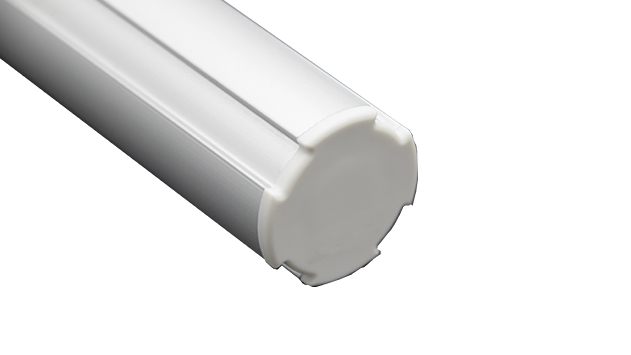
Plastic pipe cover to cover dia 28MM aluminum pipe end at workbench, flow rack, to prevent metal surface scratch material or worker.
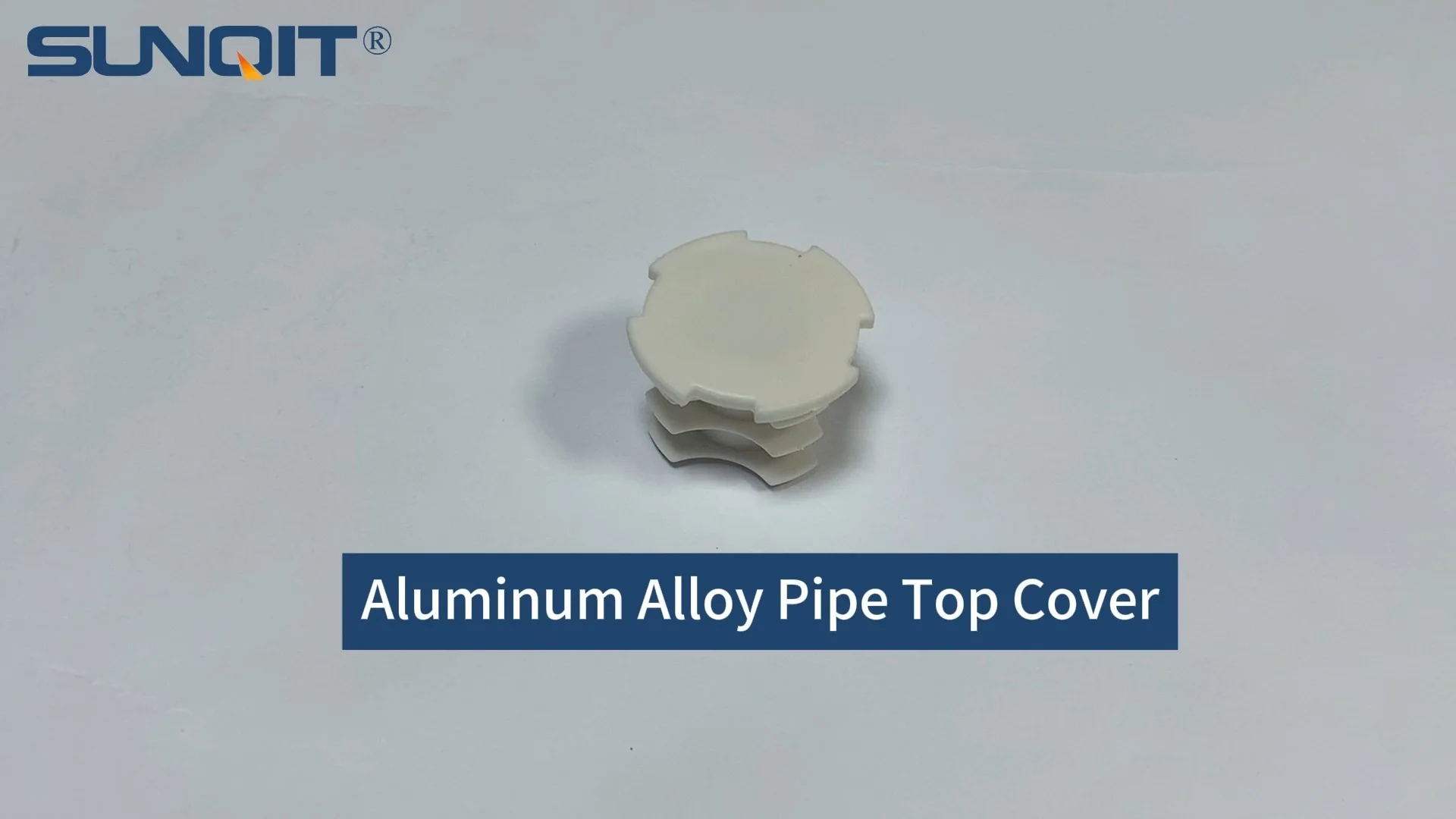
Aerospace manufacturing is a world where precision isn't just a goal—it's the foundation of every component, every assembly, and every flight. From the tiniest screw in a jet engine to the sprawling frameworks of spacecraft, every detail matters. Yet, amid the high-tech machinery and cutting-edge materials, there's a humble component that often flies under the radar: the plastic pipe cover. These unassuming sleeves play a critical role in safeguarding the intricate network of pipes, tubes, and structural elements that keep aerospace production lines running smoothly. In an industry where weight, durability, and reliability are non-negotiable, plastic pipe covers have emerged as a lightweight protection solution that balances functionality with efficiency. Let's dive into why these simple components are indispensable in aerospace manufacturing, how they integrate with key systems like aluminum profiles and lean pipe workbenches, and why they're more than just "covers"—they're silent guardians of precision.
Understanding Plastic Pipe Covers: More Than Just a Sleeve
At first glance, a plastic pipe cover might seem like a basic accessory: a tube of plastic slipped over a metal pipe to "cover" it. But in aerospace manufacturing, nothing is basic. These covers are engineered to meet rigorous standards, designed to address specific challenges unique to the industry. Let's start with the basics: what exactly are plastic pipe covers, and what makes them suitable for aerospace?
Plastic pipe covers are protective sleeves typically made from high-performance polymers like polyethylene (PE), polyvinyl chloride (PVC), polypropylene (PP), or even advanced blends with additives for flame resistance, chemical stability, or static dissipation. Their primary function is to shield the underlying pipe—whether it's a lean pipe in a workbench frame, an aluminum profile in a material rack, or a stainless steel tube carrying hydraulic fluid—from damage, corrosion, and wear. But in aerospace, their role expands further: they reduce noise, prevent galvanic corrosion between dissimilar metals, and even contribute to weight reduction, a factor that trickles down to the final aircraft or spacecraft.
Take, for example, the plastic pipe cover used on aluminum profiles. Aluminum is a staple in aerospace due to its exceptional strength-to-weight ratio, but it's prone to scratching and can corrode when in contact with other metals (like steel fasteners). A plastic cover acts as a barrier, preventing scratches during assembly and stopping galvanic corrosion in its tracks. Similarly, on lean pipes—often used in workbenches and material handling systems—plastic covers dampen vibrations, reducing noise in busy production facilities and preventing the pipe itself from wearing down due to constant movement of tools or parts.
Materials Matter: Why Plastic? The Aerospace-Grade Advantage
Aerospace manufacturing demands materials that can withstand extreme conditions: temperature fluctuations, exposure to fuels and lubricants, and strict fire safety regulations. Plastic pipe covers aren't just "plastic"—they're engineered to meet these demands. Let's break down the key properties that make them ideal:
- Lightweight: Every gram counts in aerospace. Metal covers (like aluminum or stainless steel) add unnecessary weight to workbenches, material racks, and tooling systems. Plastic covers, by contrast, are up to 70% lighter than their metal counterparts, making them a natural fit for applications where weight savings translate to fuel efficiency or payload capacity for the end product.
- Corrosion Resistance: Aerospace facilities are often humid, and pipes may come into contact with coolants, cleaning agents, or even hydraulic fluids. Plastics like PE and PP are inherently resistant to corrosion, ensuring the underlying pipe (whether aluminum, steel, or lean pipe) stays intact for longer.
- Flexibility and Impact Resistance: Unlike rigid metal covers, plastic pipe covers can flex under impact—say, when a heavy tool is dropped on a workbench frame—absorbing the shock and protecting both the pipe and the tool. This flexibility also makes them easy to install: they can be slipped over pipes of varying diameters (with slight stretching) without cracking, a boon for quick assembly or reconfiguration of lean systems.
- Low Outgassing: In aerospace, "outgassing"—the release of volatile organic compounds (VOCs) from materials—is a critical concern, especially in enclosed spaces like spacecraft cabins. High-quality plastic pipe covers are formulated to have low outgassing, meeting standards like NASA's SP-R-0022A, ensuring they don't contaminate sensitive instruments or compromise air quality.
These properties aren't just "nice to have"—they're non-negotiable. For example, a plastic pipe cover on a workbench used to assemble satellite components must be lightweight to keep the workbench portable, corrosion-resistant to handle cleaning agents, and low-outgassing to avoid damaging delicate electronics. It's this combination of traits that makes plastic pipe covers a staple in aerospace facilities worldwide.
Integration with Key Aerospace Systems: Plastic Pipe Covers in Action
Plastic pipe covers don't exist in isolation—they're part of larger systems that drive aerospace manufacturing efficiency. Let's explore how they integrate with three critical systems: aluminum profile assemblies, lean pipe workbenches, and material handling roller tracks.
Aluminum Profiles: Protecting the Backbone of Aerospace Frames
Aluminum profiles are the backbone of aerospace manufacturing. These extruded aluminum beams—with their T-slots for easy fastening—are used to build everything from assembly jigs and tool racks to cleanroom enclosures and testing fixtures. But aluminum, while strong, is soft enough to scratch, and its surface can oxidize if left unprotected. This is where plastic pipe covers shine.
Imagine a facility assembling aircraft wing components. The workstations are built using 40x40mm aluminum profiles, forming frames that hold tools, blueprints, and parts. Over time, technicians sliding tools along the profiles or bumping parts against the frames would scratch the aluminum, creating rough edges that could snag delicate wiring or damage composite materials. A plastic pipe cover (often in yellow or grey, for visibility) slips over the profile's edges, creating a smooth, scratch-resistant surface. Not only does this protect the aluminum, but it also makes the workstation safer—no sharp edges to cut gloves or snag clothing.
But the benefits go beyond protection. Aluminum profiles are often used in modular systems, where components are reconfigured frequently (e.g., switching from assembling a commercial jet part to a military drone component). Plastic pipe covers are reusable and easy to remove, making reconfiguration faster. They also come in colors, which can be used for visual organization: yellow covers for "tool zones" on a profile, grey for "material zones," reducing errors and streamlining workflows.
Lean Pipe Workbenches: Where Efficiency Meets Protection
Lean manufacturing principles are the heartbeat of modern aerospace production, and lean pipe workbenches are a cornerstone of this approach. These workbenches—built with lightweight steel or aluminum pipes (lean pipes) and modular joints—are designed for flexibility, allowing teams to adapt layouts to changing production needs. But lean pipes, like aluminum profiles, need protection.
A typical lean pipe workbench in aerospace might be used for assembling avionics systems—delicate circuit boards, wiring harnesses, and sensors. The workbench's frame is made of lean pipes, and the surface is a (ESD) mat to protect sensitive electronics. Here, the plastic pipe cover on the lean pipe does three critical jobs: it prevents static buildup (if made with conductive additives), reduces noise when tools are placed on the frame, and protects the pipe from dents caused by dropped components. In a facility with hundreds of such workbenches, these small benefits add up to significant improvements in efficiency and product quality.
Consider a scenario where a technician is assembling a flight control module. They reach for a torque wrench, accidentally dropping it on the workbench frame. Without a plastic cover, the metal wrench would dent the lean pipe, creating a sharp edge that could later snag wiring. With a plastic cover, the impact is absorbed, the pipe stays intact, and the technician can focus on the task at hand—not on repairing the workbench. Multiply this by thousands of daily interactions across a facility, and the value of plastic pipe covers becomes clear.
Roller Tracks and Material Handling: Keeping the Flow Smooth
In aerospace, material handling is a dance of precision. Parts must move from one station to the next without damage, delay, or contamination. Roller tracks—used to slide components like wing panels or engine casings between workstations—are critical to this flow. And yes, plastic pipe covers play a role here too.
Roller tracks are often built using aluminum profiles or steel rails, with plastic roller track guide rails (like the plastic roller track guide rail yellow or grey variants) to guide parts along the track. The plastic guide rails themselves are a type of specialized pipe cover, designed to reduce friction and prevent marring of delicate surfaces. For example, a composite wing panel—smooth, lightweight, and easily scratched—needs a gentle surface to slide on. A plastic guide rail ensures the panel moves smoothly without picking up scratches, which could compromise its aerodynamic properties.
Additionally, plastic pipe covers are used on the support pipes of roller track systems. These pipes bear the weight of the track and the parts moving along it; a plastic cover prevents corrosion from floor cleaners, reduces noise as parts roll over the track, and even acts as a visual cue (e.g., yellow covers for "active" tracks, grey for "idle" ones), helping technicians navigate the facility safely.
Comparing Plastic to Alternatives: Why It's the Top Choice for Aerospace
Plastic pipe covers aren't the only option—so why do aerospace manufacturers prefer them over metal, rubber, or foam alternatives? Let's put them head-to-head in a comparison table, focusing on the factors that matter most in aerospace:
| Feature | Plastic Pipe Covers (PE/PVC/PP) | Metal Covers (Aluminum/Steel) | Rubber Covers | Foam Covers |
|---|---|---|---|---|
| Weight (per meter) | 50–150g | 300–800g | 200–400g | 80–200g |
| Corrosion Resistance | Excellent (resistant to fluids, humidity) | Good (but prone to rust if coated; aluminum oxidizes) | Good (but degrades in oil/fuel) | Poor (absorbs moisture, breaks down over time) |
| Impact Resistance | High (flexible, absorbs shock) | High (rigid, but dents permanently) | High (elastic, but tears easily) | Medium (crumbles under heavy impact) |
| Cost (per meter) | $1–$5 (affordable, scalable) | $8–$20 (expensive, especially for aerospace-grade alloys) | $3–$8 (moderate, but short lifespan) | $2–$6 (low upfront, but needs frequent replacement) |
| Aerospace Compliance | High (low outgassing, flame-retardant options) | High (but adds weight; overkill for non-structural use) | Low (may off-gas; not flame-resistant) | Very low (crumbles, off-gasses, not durable) |
The table tells a clear story: plastic pipe covers strike the perfect balance of weight, durability, cost, and compliance. Metal covers, while strong, are too heavy and expensive for non-structural applications. Rubber and foam lack the longevity and aerospace-grade properties needed. For aerospace manufacturers, the choice is simple: plastic pipe covers deliver the most value where it matters most.

Case Study: How a Leading Aerospace Manufacturer Boosted Efficiency with Plastic Pipe Covers
Case Study: XYZ Aerospace's Lean Workbench Overhaul
Challenge: XYZ Aerospace, a manufacturer of commercial aircraft interiors, was struggling with high maintenance costs and frequent workbench downtime. Their existing lean pipe workbenches used uncoated steel pipes, which were prone to rust, dented easily, and created excessive noise during assembly. Technicians reported spending 10–15 minutes per shift repairing dents or replacing rusted pipes, and the noise made communication difficult in busy areas.
Solution: The facility manager partnered with a lean pipe supplier to retrofit all workbenches with plastic pipe covers (polyethylene with ESD additives). The covers were slipped over the existing steel lean pipes, and new yellow plastic roller track guide rails were installed on material handling tracks to reduce friction.
Results: Within three months, maintenance costs dropped by 40%—no more rusted pipes or dents to repair. Noise levels decreased by 15 decibels (measured via sound level meter), making communication easier and reducing technician fatigue. Most notably, assembly errors due to scratched components fell by 25%, as the plastic covers prevented parts from snagging on rough pipe edges. The total ROI on the plastic pipe covers was achieved in under six months, with ongoing savings in maintenance and improved productivity.
This case study isn't an anomaly—it's a testament to how even small components like plastic pipe covers can drive meaningful change in aerospace manufacturing. By addressing pain points like maintenance, noise, and part damage, they free up technicians to focus on what they do best: building safe, reliable aerospace products.

Future Trends: Innovations in Plastic Pipe Cover Technology
Aerospace manufacturing is constantly evolving, and plastic pipe covers are evolving with it. Let's look at two emerging trends that will shape their future:
Smart Covers: Adding Intelligence to Protection
The rise of Industry 4.0 is bringing sensors and connectivity to even the most basic components. Future plastic pipe covers may include embedded RFID tags or strain sensors to monitor pipe health. For example, a sensor in the cover could detect when a lean pipe in a workbench is bending under excessive weight, alerting maintenance before it fails. Or, RFID tags could track which covers are installed where, making inventory management easier in large facilities.
Sustainable Materials: Greening Aerospace Manufacturing
Aerospace is under increasing pressure to reduce its environmental footprint, and plastic pipe covers are no exception. Manufacturers are developing covers made from recycled plastics or biodegradable polymers (for non-critical applications), without sacrificing performance. For example, a workbench in a facility focused on sustainable aviation could use a cover made from recycled polyethylene terephthalate (rPET), reducing reliance on virgin plastics.
These innovations won't replace the core function of plastic pipe covers—protection—but they'll make them smarter, more sustainable, and even more integral to aerospace manufacturing's future.
Conclusion: The Unsung Hero of Aerospace Precision
In the grand scheme of aerospace manufacturing—where rockets reach the stars and jets crisscross the globe—plastic pipe covers may seem. But as we've explored, they're far from it. They protect critical infrastructure, reduce weight, lower costs, and improve efficiency. They're the silent partners of technicians, ensuring that every part, every assembly, and every flight is built on a foundation of precision.
From the aluminum profiles in tool racks to the lean pipes in workbenches, from roller tracks moving delicate components to ESD workstations assembling avionics, plastic pipe covers are everywhere—working behind the scenes to make aerospace manufacturing safer, smarter, and more reliable. They're a reminder that in aerospace, excellence isn't just about the big innovations; it's about the small, thoughtful details that add up to something extraordinary.
So the next time you walk through an aerospace manufacturing facility, take a moment to look at the workbenches, the material racks, and the roller tracks. Chances are, you'll spot a plastic pipe cover—and now you'll know: that simple sleeve is doing more than just covering a pipe. It's helping build the future of flight.