- Company Articles
- Products and Technology
- Product knowledge
- Plastic Pipe Covers in Renewable Energy Equipment Production

Plastic Pipe Covers in Renewable Energy Equipment Production
Related Product
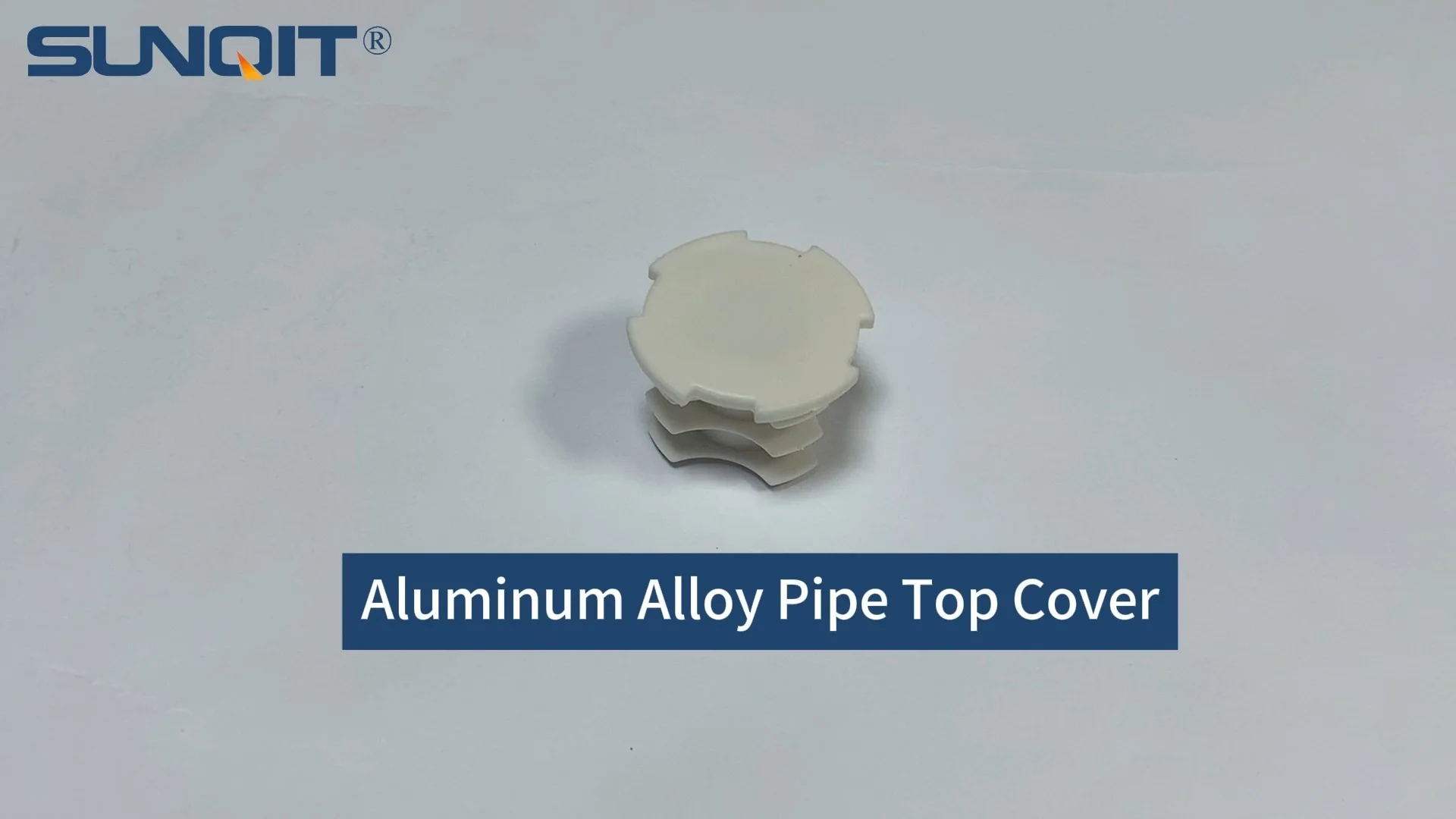
Plastic Pipe Cover
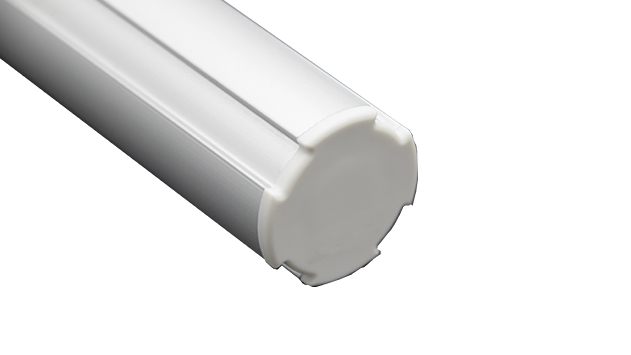
Plastic pipe cover to cover dia 28MM aluminum pipe end at workbench, flow rack, to prevent metal surface scratch material or worker.
The Unsung Heroes of Green Manufacturing
The global push for renewable energy has transformed from a niche movement into a critical global mission. Solar panels, wind turbines, hydroelectric generators, and energy storage systems are no longer futuristic concepts—they're the backbone of modern power grids. But for all their innovation, these technologies share a common foundation: meticulous manufacturing. Behind every high-efficiency solar cell or wind turbine gearbox is a production line built on precision, durability, and adaptability. In this world of complex machinery and cutting-edge engineering, it's easy to overlook the smaller components. Yet, it's often these "unsung heroes" that ensure the reliability and longevity of renewable energy equipment. One such hero? The plastic pipe cover.
At first glance, a plastic pipe cover might seem trivial. It's a simple, often flexible sleeve designed to fit over pipes, tubes, or rods. But in the high-stakes environment of renewable energy manufacturing—where equipment must withstand extreme weather, constant vibration, and corrosive elements—these covers play a vital role. They protect sensitive pipes from damage, insulate against temperature fluctuations, reduce noise, and even enhance workplace safety. Today, we're diving into how plastic pipe covers integrate with key manufacturing components like lean pipe systems, aluminum profiles, caster wheels, and workbenches to streamline production and elevate the quality of renewable energy equipment.
Why Renewable Energy Manufacturing Demands Durable Components
Renewable energy equipment operates in some of the harshest environments on Earth. Solar panels bake under scorching desert sun, wind turbines endure freezing temperatures and high winds offshore, and hydroelectric components face constant exposure to water and humidity. For these machines to last 20, 30, or even 50 years, every part—from the largest turbine blade to the smallest pipe—must be built to resist wear, corrosion, and degradation.
Manufacturers, too, face unique challenges. Production lines for renewable energy equipment are often highly customized, requiring modular setups that can adapt to evolving designs (e.g., larger solar panels or more efficient wind turbine models). This is where lean manufacturing principles come into play. Lean pipe systems, for example, are widely used to create flexible workstations, material racks, and assembly lines. These systems use lightweight, modular pipes and joints that can be reconfigured in minutes, reducing downtime and boosting productivity. But even the most agile lean pipe setup needs protection—and that's where plastic pipe covers enter the picture.
Consider a typical solar panel assembly line. Workers stand at workbenches, attaching wiring harnesses, inverters, and frames to solar cells. The workbench itself might be built with aluminum profiles—sturdy, lightweight, and resistant to corrosion—providing a stable surface for precision work. Beneath the bench, a network of lean pipes carries power cords, air hoses, and data cables to tools and machinery. Without plastic pipe covers, these lean pipes could rub against each other, fraying cords or creating sharp edges that risk damaging sensitive components. Over time, exposed pipes might also collect dust or moisture, leading to electrical issues or rust. A simple plastic pipe cover, however, acts as a barrier: it cushions the pipes, prevents abrasion, and keeps out debris, ensuring the assembly line runs smoothly shift after shift.
Plastic Pipe Covers: More Than Just "Covers"
Not all plastic pipe covers are created equal. Depending on their application, they can be made from materials like polyvinyl chloride (PVC), polyethylene (PE), or polypropylene (PP), each offering unique benefits. PVC covers, for instance, are rigid and flame-resistant, making them ideal for pipes carrying electrical wiring near heat sources. PE covers, on the other hand, are flexible and impact-resistant, perfect for lean pipes that might be bumped by caster wheels on material trolleys. Some covers even feature UV-resistant additives, ensuring they don't degrade when used in outdoor manufacturing facilities or on equipment destined for sunny locations.
To better understand the versatility of plastic pipe covers, let's look at their key functions in renewable energy manufacturing:
- Protection Against Physical Damage: In busy factories, pipes and tubes are constantly at risk of being hit by tools, knocked by caster wheels, or scraped by moving materials. Plastic covers absorb impact, preventing dents, cracks, or punctures that could compromise the pipe's integrity.
- Corrosion Resistance: Many renewable energy components (e.g., wind turbine nacelles or hydroelectric generators) use metal pipes that are prone to rust. A plastic cover acts as a moisture barrier, slowing oxidation and extending the pipe's lifespan.
- Noise Reduction: Pipes carrying air, water, or other fluids can vibrate, creating a constant hum that contributes to workplace noise. Flexible plastic covers dampen these vibrations, creating a quieter, more comfortable environment for workers.
- Safety Enhancement: Exposed metal pipes can have sharp edges or become hot/cold during operation. Plastic covers smooth out rough surfaces and insulate against temperature extremes, reducing the risk of cuts or burns.
Perhaps most importantly, plastic pipe covers are cost-effective. Compared to metal sleeves or custom-molded protectors, they're lightweight, easy to install, and affordable to replace. For manufacturers operating on tight margins (a common reality in the competitive renewable energy sector), this balance of performance and cost is a game-changer.

Integrating Plastic Pipe Covers with Key Manufacturing Components
To truly appreciate the value of plastic pipe covers, it's helpful to see how they work alongside other essential manufacturing components. Let's explore four key partnerships:
1. Plastic Pipe Covers + Lean Pipe Systems
Lean pipe systems are the backbone of modular manufacturing. Made from steel or aluminum pipes and quick-connect joints, they're used to build everything from material flow racks to assembly workstations. In renewable energy production, where product designs evolve rapidly, lean systems allow manufacturers to reconfigure lines without major overhauls. But lean pipes are often left exposed, which can lead to wear over time—especially in high-traffic areas.
Plastic pipe covers solve this by adding a protective layer. For example, a lean pipe material rack used to store solar panel frames might have horizontal pipes that support heavy loads. Without covers, the frames could scratch the pipes, leaving them vulnerable to rust. A thick, durable PE cover cushions the contact, preserving the pipes and ensuring the rack remains stable for years. Similarly, vertical lean pipes on workbenches—used to hold tools or hanging supplies—benefit from covers that prevent tools from slipping or scratching the pipes during use.
2. Plastic Pipe Covers + Aluminum Profiles
Aluminum profiles are another staple of renewable energy manufacturing. These extruded aluminum beams are strong yet lightweight, making them ideal for building machine frames, conveyor supports, and workbench structures. Many aluminum profiles feature T-slots—grooves that allow for easy attachment of accessories like shelves, brackets, or pipes. When pipes are mounted to aluminum profiles (e.g., to carry fluids or wiring), plastic covers ensure a snug, secure fit while protecting both the pipe and the profile from friction.
Take a wind turbine gearbox assembly station. The station's frame is built with heavy-duty aluminum profiles, providing a rigid base for precision work. Pipes carrying hydraulic fluid to torque wrenches are mounted to the profiles using T-slot brackets. A plastic pipe cover with a ribbed interior grips the pipe tightly, preventing it from sliding in the bracket, while the smooth exterior reduces wear on the aluminum profile's T-slot. This not only extends the life of the equipment but also ensures the hydraulic lines remain properly positioned, reducing the risk of leaks or errors during assembly.
3. Plastic Pipe Covers + Caster Wheels
Caster wheels are the unsung heroes of factory mobility. They're found on material trolleys, tool carts, and even entire assembly line segments, allowing workers to move heavy components with ease. In renewable energy manufacturing, where solar panels or wind turbine parts can weigh hundreds of pounds, reliable caster wheels are essential. But the trolleys themselves often rely on frames built with pipes—and those pipes need protection.
Imagine a trolley used to transport solar inverters from the testing area to the final assembly line. The trolley's frame is made of steel pipes, with caster wheels mounted at the corners for smooth movement. Over time, the pipes could become dented or scratched as the trolley is loaded, unloaded, and maneuvered through tight factory aisles. Plastic pipe covers add a layer of armor, absorbing impacts and preventing damage. Some covers even feature anti-slip textures, making it easier to stack inverters on the trolley without them sliding off during transport.
4. Plastic Pipe Covers + Workbenches
Workbenches are the heart of any assembly line. Whether workers are soldering wiring on a solar inverter or attaching brackets to a wind turbine hub, a sturdy, well-organized workbench is critical for productivity. Many modern workbenches are built with a combination of aluminum profiles (for the frame) and lean pipes (for tool holders, overhead racks, or under-bench storage). Plastic pipe covers help keep these workbenches functional and safe.
Consider a workbench used for assembling battery packs for energy storage systems. Above the bench, a lean pipe rack holds power tools (drills, screwdrivers) on hooks. The lean pipes are covered in a soft, flexible plastic that prevents tools from getting scratched when hung or removed. Below the bench, pipes carry compressed air to pneumatic tools; their plastic covers reduce noise from air flow and prevent the pipes from rubbing against the aluminum profile legs of the bench. Even the edges of the workbench itself might use plastic covers to protect workers from sharp corners—proving that these versatile accessories extend far beyond just pipe protection.

A Closer Look: Plastic Pipe Cover Materials and Applications
Not all plastic pipe covers are designed for the same job. Manufacturers offer a range of options, each tailored to specific environments or pipe types. Below is a table comparing common plastic pipe cover materials and their ideal applications in renewable energy manufacturing:
| Material | Key Properties | Ideal Application in Renewable Energy Manufacturing | Example Use Case |
|---|---|---|---|
| PVC (Polyvinyl Chloride) | Rigid, flame-resistant, chemical-resistant | Pipes carrying electrical wiring or corrosive fluids | Covering wiring pipes near solar inverter assembly stations |
| PE (Polyethylene) | Flexible, impact-resistant, UV-stable | Lean pipes in outdoor or high-traffic areas | Protecting lean pipe material racks in a wind turbine blade factory |
| PP (Polypropylene) | Lightweight, heat-resistant, moisture-proof | Pipes in hot environments (e.g., near curing ovens) | Covering pipes carrying hot air to solar panel lamination machines |
| Nylon | High tensile strength, wear-resistant | Pipes subject to constant friction (e.g., moving parts) | Protecting pipes on caster wheel trolleys used for heavy hydroelectric components |
This diversity ensures that no matter the challenge—extreme heat, heavy impact, or chemical exposure—there's a plastic pipe cover designed to meet it. For renewable energy manufacturers, this means they can customize their protection to match their specific needs, whether they're building solar farms in the desert or offshore wind farms in the North Sea.
Case Study: How a Solar Panel Manufacturer Boosted Efficiency with Plastic Pipe Covers
To put this into perspective, let's look at a hypothetical (but realistic) example. SunRise Solar, a mid-sized manufacturer of residential solar panels, was struggling with two issues: frequent damage to lean pipe material racks and high worker turnover due to noisy assembly lines. Their production line used lean pipe racks to store glass panels, and the constant sliding of panels against the metal pipes was scratching both the pipes and the glass. Additionally, the hum from vibrating air hoses (carried via exposed lean pipes) made the workspace uncomfortably loud.
The solution? SunRise installed PE plastic pipe covers on all their lean pipe racks and air hose lines. The flexible PE covers cushioned the glass panels, reducing scratches by 90%. On the air hoses, the covers dampened vibration noise, lowering decibel levels by 15 dB—enough to make the workspace comply with OSHA noise regulations. Worker satisfaction improved, and turnover dropped by 20% within six months. Perhaps most surprisingly, the cost of the plastic pipe covers was recouped in under a year through reduced glass waste and lower turnover costs. For SunRise, what seemed like a small upgrade turned into a major win for both productivity and employee well-being.
The Future of Plastic Pipe Covers in Renewable Energy
As renewable energy technology advances, so too will the demand for smarter, more sustainable manufacturing components. Plastic pipe covers are no exception. Here are a few trends to watch:
- Biodegradable and Recyclable Options: With sustainability top of mind, manufacturers are developing plastic covers made from plant-based materials or recycled plastics. These covers perform like traditional options but leave a smaller environmental footprint at the end of their lifecycle.
- Smart Covers with Built-In Sensors: Imagine a plastic pipe cover embedded with IoT sensors that monitor temperature, vibration, or pipe integrity. These "smart covers" could alert maintenance teams to potential issues (e.g., a pipe starting to corrode) before they lead to downtime.
- Customization for Niche Applications: As renewable energy diversifies (think tidal power, geothermal, or floating solar), plastic pipe covers will be tailored to unique environments. For example, saltwater-resistant covers for offshore wind farms or heat-resistant covers for geothermal equipment.
- Integration with 3D Printing: 3D printing allows for on-demand production of custom-shaped covers, perfect for odd-sized pipes or highly specialized equipment. This could reduce lead times and waste, further aligning with lean manufacturing principles.
These innovations won't just improve protection—they'll make renewable energy manufacturing more efficient, sustainable, and adaptable. In a sector where every percentage point of efficiency counts, even the smallest component can drive meaningful change.
Conclusion: Small Parts, Big Impact
Renewable energy is often celebrated for its grand vision: a world powered by clean, infinite resources. But to turn that vision into reality, we must also celebrate the details—the small, often overlooked components that make large-scale manufacturing possible. Plastic pipe covers are a perfect example. They don't generate electricity or reduce carbon emissions on their own, but they ensure the machines that do are built to last, operate safely, and adapt to a changing world.
Whether they're protecting lean pipes in a solar panel factory, cushioning aluminum profiles on a wind turbine assembly line, or silencing the hum of caster wheels on a material trolley, plastic pipe covers are quietly driving the renewable energy revolution forward. They remind us that innovation isn't just about breakthrough technologies—it's about making every part, no matter how small, work better. And in the race to a greener future, every bit of progress counts.
So the next time you see a solar panel or a wind turbine, take a moment to think about the unsung heroes behind it. The plastic pipe covers, the lean pipes, the aluminum profiles, the caster wheels, and the workbenches—all working together to power a better tomorrow.