- Company Articles
- Products and Technology
- Application Cases
- Plastic Pipe End Cap Applications in Home Appliance Production Lines

Plastic Pipe End Cap Applications in Home Appliance Production Lines
Related Product
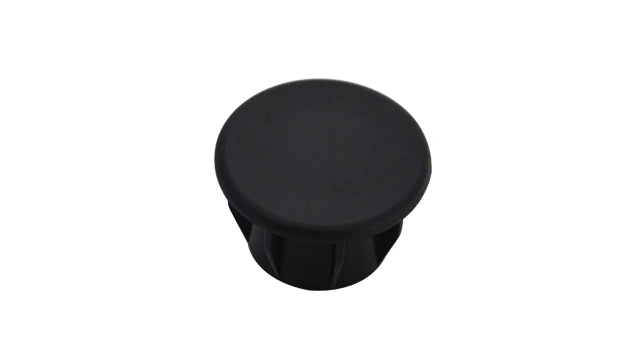
Plastic pipe end cap
Plastic pipe cover, used for 28mm two end cover and protection, to avoid any scratch from sharp metal surface.
Introduction: The Small Components That Drive Big Efficiency
In the bustling world of home appliance manufacturing, where precision and speed are everything, it's easy to focus on the big-ticket items: high-tech machinery, automated robots, or state-of-the-art assembly lines. But anyone who's worked on the floor knows the truth: the smallest components often hold the biggest power to make or break productivity. Today, we're shining a light on one such unsung hero: the plastic pipe end cap. You might not notice it at first glance, but this humble piece plays a critical role in keeping production lines running smoothly, safely, and efficiently—especially when paired with systems like lean pipe structures, workbenches, and conveyors.
Home appliance production lines are a symphony of moving parts. From refrigerators to washing machines, every product requires hundreds of components to be assembled with pinpoint accuracy, often under tight deadlines. A single hiccup—a jammed conveyor, a scratched workbench, or a damaged pipe—can ripple through the line, causing delays, increasing costs, and even compromising product quality. That's where plastic pipe end caps step in. Designed to fit snugly over the ends of pipes and tubes used in production equipment, these small caps prevent damage, reduce noise, enhance safety, and extend the lifespan of the systems they protect. Let's dive deeper into how they work and why they matter.
What Are Plastic Pipe End Caps, Anyway?
Before we explore their applications, let's get clear on what plastic pipe end caps are. Simply put, they're protective covers designed to seal the open ends of pipes, tubes, or profiles. Made from durable plastics like polyethylene (PE), polypropylene (PP), or nylon, they're engineered to withstand the rigors of factory environments—think constant vibrations, exposure to oils and cleaning agents, and occasional impacts from tools or parts.
Most plastic pipe end caps are designed to be easy to install: some snap on, others press fit, and a few might use a small adhesive or screw to stay in place. Their shapes vary, too—you'll find round caps for cylindrical pipes, square or rectangular caps for aluminum profiles, and even specialized designs with vents or drainage holes for specific applications. But regardless of their shape or installation method, their core purpose remains the same: to protect the pipe ends and the systems they're part of.
Quick Fact: While they might seem simple, quality plastic pipe end caps are rigorously tested for impact resistance, temperature tolerance, and chemical compatibility. A well-made cap can last for years in a busy production line, outperforming cheaper alternatives that crack or loosen over time.

Lean Pipe Systems: The Backbone of Flexible Production
If you've ever walked through a modern manufacturing facility, you've likely seen lean pipe systems in action. Also known as "flexible pipe systems," these modular structures are built using lightweight metal pipes (often coated in plastic, called lean pipe ) and connectors, allowing teams to quickly assemble workstations, material racks, flow racks, and even temporary assembly lines. Their beauty lies in their flexibility—they can be reconfigured in minutes to adapt to changing production needs, making them a cornerstone of lean manufacturing principles.
But here's the thing about lean pipe systems: the pipes themselves are only as strong as their weakest link. Without proper protection, the open ends of these pipes can become a liability. Imagine a team reconfiguring a material rack to accommodate a new batch of fridge components. If the ends of the lean pipes are exposed, they could scratch the components, catch on workers' gloves, or even collect dust and debris that contaminates the parts. Over time, exposed metal ends might also rust (if uncoated) or corrode, weakening the structure and shortening its lifespan.
This is where plastic pipe end caps become indispensable. By sealing the ends of lean pipes, they prevent scratches on delicate appliance parts, reduce the risk of snags or cuts to workers, and keep dust and grime from building up inside the pipes. For example, in a lean pipe workstation used to assemble small parts like control panels, capped pipes ensure that the surface remains smooth and safe—no more worrying about a sharp metal edge catching on a wire harness or a technician's sleeve. In material racks, capped ends mean that when boxes of components are slid in or out, they won't get caught or torn on exposed pipe ends. It's a small detail, but it adds up to fewer interruptions, cleaner workspaces, and longer-lasting equipment.

Workbenches: Where Precision Meets Protection
Move down the production line, and you'll find another critical area where plastic pipe end caps shine: workbenches . These are the workhorses of assembly—where technicians spend hours piecing together everything from circuit boards to door hinges. A typical workbench in a home appliance factory might be built using a mix of aluminum profiles, steel frames, or yes, lean pipes. Regardless of the material, the frame's exposed ends pose similar risks: sharp edges, debris collection, and potential damage to tools or products.
Consider a workbench used to assemble washing machine drum components. The bench's frame, made from aluminum or lean pipe, needs to be sturdy but also smooth. If the ends of the frame pipes are left uncovered, a technician sliding a heavy drum part across the bench could accidentally hit an exposed end, chipping the part or scratching the bench surface. Over time, those scratches could harbor bacteria or dirt, which is a big no-no in environments where cleanliness is critical (like parts that come into contact with water or food). Worse, a sharp exposed end could cause a cut, leading to downtime for the worker and potential safety violations for the facility.
Plastic pipe end caps solve these issues by creating a smooth, rounded finish on workbench frames. They act as a buffer, absorbing minor impacts and preventing scratches. Some caps even come with non-slip surfaces or soft-touch materials, which help keep tools or parts from sliding off the bench—a small feature that can save technicians from frustrating (and costly) drops. For example, a workbench used to assemble oven control knobs might have capped legs and frame ends to ensure that when a knob is accidentally knocked off, it doesn't get scratched on the way down. It's these little moments of protection that keep the assembly process moving without unnecessary delays.
Conveyors and Roller Tracks: Keeping the Line Moving
No home appliance production line is complete without conveyors and roller tracks . These systems are the arteries of the factory, moving components from one station to the next—think circuit boards traveling to the wiring station, or door panels heading to the painting line. Conveyors can be belt-driven, chain-driven, or roller-based, while roller tracks (often part of flow racks or gravity-fed systems) use inclined tracks with rollers to let parts slide smoothly from one point to another.
In these high-traffic systems, even the smallest imperfection can cause a jam. A rough pipe end on a conveyor frame, for instance, could catch on a belt or a part, bringing the entire line to a halt. Similarly, on a roller track, an exposed metal end might scrape against the rollers, creating friction, noise, and wear. This is where plastic pipe end caps prove their worth yet again—by protecting the structural components of conveyors and roller tracks, they help maintain consistent, reliable movement.
Take a roller track used to feed dishwasher racks into the assembly area. The track is typically made from aluminum or steel rails with plastic or metal rollers. The rails themselves are supported by a frame built from pipes or profiles. If the ends of these support pipes are left uncovered, they could rub against the roller brackets, causing squeaking or even bending the brackets over time. A plastic end cap here acts as a barrier, reducing friction and noise. It also prevents dust or small debris from getting stuck between the pipe and the bracket, which could otherwise lead to misalignment of the rollers—another common cause of jams.
On belt conveyors, the frame is often constructed from square or rectangular tubes. Exposed ends on these tubes can snag the conveyor belt, especially if the belt is made of rubber or fabric. A plastic cap with a smooth, rounded edge eliminates this risk, ensuring the belt glides over the frame without catching. In high-speed conveyors, like those used to move small parts (e.g., screws, washers), capped ends also reduce vibration noise—a welcome change for workers on the line, who spend hours in noisy environments. Quieter lines mean less fatigue, which means more focus and fewer mistakes. It's a chain reaction: capped pipes lead to quieter conveyors, which lead to happier, more productive workers.
The Multitasking Benefits of Plastic Pipe End Caps
By now, it's clear that plastic pipe end caps play a vital role in protecting equipment and improving safety. But their benefits go beyond just protection. Let's break down why investing in quality caps is a smart move for any home appliance production line:
- Cost Savings: Replacing a bent lean pipe or a scratched workbench frame is far more expensive than buying a pack of end caps. By extending the lifespan of equipment, caps reduce long-term maintenance and replacement costs.
- Time Efficiency: A jammed conveyor or a damaged part due to an exposed pipe end can halt production for minutes or even hours. Caps minimize these disruptions, keeping the line moving and meeting tight deadlines.
- Safety Compliance: OSHA and other safety regulators have strict standards for workplace hazards, including sharp edges. Capped pipes help facilities meet these standards, reducing the risk of fines or accidents.
- Compatibility: Plastic pipe end caps are designed to work with a wide range of pipe sizes and materials, from lean pipes to aluminum profiles to stainless steel tubes. This versatility means you can standardize on a few cap types, simplifying inventory and ordering.
To illustrate these benefits, let's look at a hypothetical example. A mid-sized appliance manufacturer was struggling with frequent jams on their roller track system used to move refrigerator shelves. After investigating, they found that the exposed ends of the track's support pipes were catching on the shelf brackets, causing the shelves to tilt and jam. By installing plastic pipe end caps on all support pipes, they eliminated the jams entirely. Over six months, this small change saved them an estimated 20 hours of downtime and reduced bracket replacement costs by 30%. It's a classic case of "small investment, big return."
Choosing the Right Plastic Pipe End Cap for Your Line
Not all plastic pipe end caps are created equal. To get the most out of them, you need to choose the right type for your specific application. Here are a few key factors to consider:
It's also important to source caps from reputable suppliers who specialize in industrial components. Look for suppliers that offer samples, so you can test the caps in your actual production environment before committing to a large order. A good supplier will also provide technical support, helping you select the right size, material, and design for your needs.
Conclusion: The Power of the "Small Stuff"
In the grand scheme of home appliance manufacturing, plastic pipe end caps might seem. But as we've explored, they're far from it. From protecting lean pipe systems and workbenches to ensuring conveyors and roller tracks run smoothly, these small components play a critical role in keeping production lines efficient, safe, and cost-effective.
The next time you walk through a production line, take a moment to look at the pipes, frames, and tracks. Chances are, you'll spot plastic end caps doing their quiet work—sealing, protecting, and supporting the machinery that builds the appliances we use every day. They're a reminder that in manufacturing, as in life, the smallest details often make the biggest difference.
So, if you're looking to boost efficiency, reduce downtime, or simply create a safer workplace, don't overlook the humble plastic pipe end cap. It might just be the unsung hero your production line has been waiting for.