- Company Articles
- Products and Technology
- Product knowledge
- Plastic Pipe End Cap Design for High-Temperature Industrial Environments

Plastic Pipe End Cap Design for High-Temperature Industrial Environments
Related Product
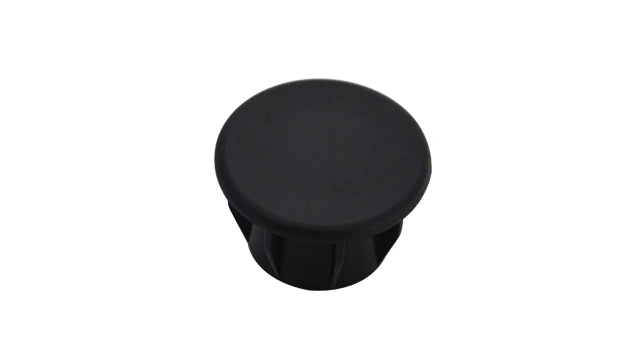
Plastic pipe end cap
Plastic pipe cover, used for 28mm two end cover and protection, to avoid any scratch from sharp metal surface.
In the bustling world of manufacturing and industrial operations, even the smallest components play a critical role in ensuring smooth, efficient, and safe workflows. Among these unsung heroes are plastic pipe end caps—simple yet essential parts that seal the ends of pipes, protecting internal components from debris, moisture, and contamination. But when these pipes operate in high-temperature environments—think automotive foundries, chemical processing plants, or electronics manufacturing facilities—the stakes rise dramatically. A poorly designed end cap can melt, crack, or fail under heat, leading to costly downtime, equipment damage, or even safety hazards. In this article, we'll dive deep into the art and science of designing plastic pipe end caps for high-temperature industrial settings, exploring material choices, design challenges, real-world applications, and the future of this humble but vital component.
The Hidden Challenge: Why High Temperatures Test Plastic Pipe End Caps
At first glance, a plastic pipe end cap might seem like a straightforward component: a small, often cylindrical piece designed to fit snugly over the end of a pipe. But in high-temperature environments, this simplicity is deceptive. Industrial settings like metalworking shops, glass manufacturing plants, or food processing facilities regularly expose equipment to temperatures ranging from 100°C to 300°C (and sometimes higher). For plastic materials, which are inherently sensitive to heat, this is a.
Consider a typical scenario in an automotive assembly line, where lean pipe systems form the backbone of material handling workflows. These systems—composed of lightweight, modular pipes and joints—transport parts between workstations, relying on smooth, uninterrupted movement to maintain production. The end caps on these lean pipes are tasked with sealing the open ends, preventing dust, lubricants, or metal shavings from entering and jamming the system. But if the line operates near a welding station or a curing oven, the ambient temperature can spike, causing standard plastic end caps to soften, lose their shape, or even bond to the pipe. The result? A stuck end cap that requires manual intervention, halting the entire line and disrupting the lean principles of waste reduction and efficiency.
High temperatures don't just threaten the physical integrity of end caps, either. They can also degrade the chemical stability of plastics, leading to off-gassing or leaching of harmful substances. In industries like pharmaceuticals or food processing, where cleanliness is paramount, this poses a contamination risk that could compromise product quality or regulatory compliance. Even in less sensitive sectors, chemical breakdown can weaken the end cap's structural integrity over time, turning a minor issue into a major failure.
Compounding these challenges is the fact that high-temperature environments are rarely static. Temperatures may fluctuate daily—spiking during production runs and cooling during maintenance breaks—or vary across different zones of a facility. This thermal cycling subjects end caps to repeated expansion and contraction, testing their flexibility and resistance to fatigue. A cap that performs well at a constant 200°C might crack after weeks of cycling between 150°C and 250°C, as the material expands and shrinks, creating stress fractures at the seal.
Material Matters: Choosing Plastics That Stand Up to the Heat
The first line of defense in designing a high-temperature plastic pipe end cap is selecting the right material. Not all plastics are created equal when it comes to heat resistance, and choosing the wrong one is a recipe for failure. Let's explore the most common plastic materials used in industrial end caps, their temperature limits, and their suitability for high-heat environments.
Key High-Temperature Plastic Candidates
When engineers set out to design an end cap for high temperatures, they typically turn to a handful of advanced plastic materials, each with unique properties:
- Polyphenylene Sulfide (PPS): A high-performance thermoplastic known for its excellent heat resistance (continuous use temperature of up to 200°C) and chemical stability. PPS is rigid, strong, and resistant to oils, acids, and alkalis, making it ideal for chemical processing or automotive applications.
- Polyether Ether Ketone (PEEK): Often called the "gold standard" of high-temperature plastics, PEEK can withstand continuous temperatures up to 260°C and short-term exposure to 300°C. It also boasts impressive mechanical strength and resistance to wear, making it a top choice for aerospace and oil drilling applications—though its high cost limits widespread use in less critical systems.
- Ethylene Tetrafluoroethylene (ETFE): A fluoropolymer with excellent heat resistance (continuous use up to 150°C) and exceptional chemical inertness. ETFE is flexible, lightweight, and resistant to UV radiation, making it suitable for outdoor or corrosive environments, such as semiconductor manufacturing or wastewater treatment plants.
- Polyimide (PI): A heat-resistant plastic that can handle continuous temperatures up to 260°C and brief exposure to 400°C. PI is incredibly strong and stiff but tends to be brittle, making it better suited for static applications (like sealing stationary pipes) rather than those with frequent movement or vibration.
To better compare these materials, let's look at their key properties in a side-by-side table:
| Material | Continuous Use Temp (°C) | Short-Term Temp (°C) | Mechanical Strength | Chemical Resistance | Cost (Relative) |
|---|---|---|---|---|---|
| PPS | 200 | 240 | High | Excellent (resists oils, acids) | Moderate |
| PEEK | 260 | 300 | Very High | Exceptional (resists most chemicals) | Very High |
| ETFE | 150 | 180 | Moderate | Excellent (inert to most chemicals) | High |
| PI | 260 | 400 | High (but brittle) | Good (resists solvents, fuels) | High |
Of course, material selection isn't just about temperature resistance. Engineers must also consider factors like cost, availability, and compatibility with the pipe material. For example, a lean pipe system made of aluminum might pair well with an ETFE end cap, as ETFE's flexibility helps it conform to slight variations in pipe diameter, while its chemical resistance prevents galvanic corrosion between the plastic and metal. In contrast, a stainless steel pipe in a food processing plant might require a PPS end cap, as PPS is FDA-approved for contact with food and can withstand the high temperatures of steam cleaning cycles.

Designing for Heat: Key Features of High-Temperature End Caps
Even the best high-temperature plastic won't perform well if the end cap's design is flawed. In high-heat environments, design engineers must account for thermal expansion, sealing efficiency, and mechanical stress—three critical factors that can make or break a component's performance.
Thermal Expansion: A Balancing Act
All materials expand when heated, but plastics and metals (the most common pipe materials) expand at different rates. For example, aluminum—widely used in lean pipe systems and workbench frames—has a coefficient of thermal expansion (CTE) of about 23 x 10⁻⁶/°C. PPS, by contrast, has a CTE of 30-50 x 10⁻⁶/°C, meaning it expands more than twice as much as aluminum when heated. This mismatch can lead to two problems: if the end cap expands more than the pipe, it may crack or split; if it expands less, it may loosen, creating gaps that allow contaminants to enter.
To address this, designers often incorporate intentional "flex zones" into the end cap's structure. These are thin, annular rings or grooves that allow the cap to expand and contract without putting stress on the main body. For example, a PPS end cap designed for an aluminum lean pipe might feature a series of concentric ridges along its inner surface. As the cap heats up, these ridges compress slightly, absorbing the excess expansion and maintaining a tight seal. Conversely, in applications where the pipe material has a higher CTE than the end cap (e.g., a plastic pipe paired with a PI end cap), designers might add a soft, heat-resistant gasket (made of silicone or Viton) between the cap and the pipe, creating a flexible buffer that accommodates expansion differences.
Sealing Mechanisms: Beyond a Snug Fit
In low-temperature environments, a friction fit—where the end cap is simply pressed onto the pipe—may suffice. But under heat, plastics soften, reducing their friction and increasing the risk of loosening. For high-temperature applications, more robust sealing mechanisms are necessary. One common approach is to use a "snap-lock" design, where the end cap features small, flexible tabs that engage with grooves or notches on the pipe's outer surface. The tabs are made of a heat-resistant elastomer (like fluorocarbon rubber) or a reinforced plastic blend, ensuring they remain flexible even at high temperatures and maintain a secure lock.
Another effective sealing method is the "threaded compression" design, where the end cap screws onto the pipe's external threads, compressing a built-in O-ring or gasket as it tightens. This creates a mechanical seal that resists both heat and vibration, making it ideal for high-pressure applications (like steam lines) or pipes with frequent movement (such as those on turnover trolleys or rack systems). For example, in a bakery's oven cooling line, where roller tracks transport hot bread pans, the end caps on the aluminum guide rails might use a threaded compression seal with a silicone O-ring. This ensures the caps stay in place even as the rails heat up during baking cycles and cool down afterward.
Mechanical Strength: Withstanding the Elements
High temperatures don't just affect a plastic's flexibility—they can also reduce its tensile strength, impact resistance, and creep resistance (the tendency to deform under constant stress over time). In industrial settings, end caps are often subjected to accidental knocks, tool drops, or the weight of leaning workers, so mechanical durability is critical.
To strength, designers may reinforce the end cap with glass fibers or carbon fibers, creating a composite material that retains its rigidity at high temperatures. For example, a glass-fiber-reinforced PPS end cap can withstand up to 30% more impact force than pure PPS at 200°C, making it better suited for high-traffic areas like assembly line workbenches. Additionally, designers often thicken the cap's walls in critical areas—such as the base, where it contacts the pipe—and round sharp corners to reduce stress concentration points, which are prone to cracking under heat or impact.

Testing and Validation: Ensuring Reliability in the Field
A well-designed, high-temperature plastic pipe end cap is only as good as its performance in real-world conditions. To ensure reliability, manufacturers subject prototypes to rigorous testing, simulating the harsh environments they'll face in the field. These tests go beyond simple temperature exposure—they replicate thermal cycling, chemical exposure, mechanical stress, and even long-term aging to identify potential failure points.
Thermal Cycling Tests: Mimicking Real-World Fluctuations
As mentioned earlier, industrial temperatures rarely stay constant. A pipe end cap might experience daily cycles of heating (during production) and cooling (during breaks), which can cause fatigue over time. To simulate this, manufacturers use thermal cycling chambers, which rapidly heat and cool the end cap between extreme temperatures. For example, a test might cycle the cap between 25°C (room temperature) and 250°C, holding it at each extreme for 30 minutes, and repeating the cycle 1,000 times. Afterward, engineers inspect the cap for cracks, warping, or loss of seal integrity. A passing cap should show no visible damage and maintain a tight seal when reinstalled on a test pipe.
Chemical Exposure Tests: Resisting Industrial Fluids
High-temperature environments often go hand-in-hand with exposure to oils, solvents, lubricants, or cleaning agents. A plastic end cap that performs well under heat alone might degrade rapidly when exposed to these chemicals. To test for this, samples are immersed in common industrial fluids (like motor oil, hydraulic fluid, or isopropyl alcohol) at elevated temperatures for extended periods (e.g., 1000 hours at 150°C). After exposure, the samples are tested for changes in weight, dimensions, or mechanical strength. For example, an ETFE end cap should lose less than 1% of its weight and retain at least 90% of its tensile strength after immersion in hydraulic fluid, ensuring it won't degrade in a manufacturing plant's lubrication system.
Mechanical Stress Tests: Proving Durability
To validate mechanical strength, end caps undergo a battery of tests, including:
- Compression Test: The cap is placed on a test pipe and subjected to a axial load (e.g., 500 N) at high temperature, simulating the weight of a fallen tool or a worker leaning on the pipe. The cap should not crack, deform, or loosen under this load.
- Impact Test: A weighted pendulum is swung at the cap (mounted on a pipe) at high temperature, measuring the energy required to cause failure. This ensures the cap can withstand accidental impacts without breaking.
- Creep Test: The cap is placed under constant stress (e.g., a radial force that mimics expansion pressure) at high temperature for 10,000 hours. Minimal deformation indicates good creep resistance, ensuring the cap won't loosen or fail over long-term use.
These tests are often conducted in accordance with international standards, such as ISO 7500-1 (for compression testing) or ASTM D638 (for tensile strength), ensuring consistency and comparability across manufacturers.
Real-World Applications: High-Temp End Caps in Action
To understand the impact of well-designed high-temperature plastic pipe end caps, let's look at two real-world case studies—one in automotive manufacturing and another in semiconductor production—where these components have made a tangible difference in efficiency and reliability.
Case Study 1: Automotive Lean Pipe Systems
A major automotive manufacturer was struggling with frequent downtime on its transmission assembly line, where lean pipe systems transported heavy gear components between workstations. The line operated near a welding cell, exposing the lean pipes to ambient temperatures of up to 180°C during peak production. The original end caps, made of standard polypropylene (PP), were failing after just 2-3 weeks of use: they softened under heat, stuck to the aluminum pipes, and required workers to use pliers to remove them, causing delays and increasing the risk of pipe damage.
After consulting with a lean pipe supplier, the manufacturer switched to glass-fiber-reinforced PPS end caps with a snap-lock design and flex zones. The new caps were tested to withstand 200°C continuous temperature and featured heat-resistant tabs that maintained their flexibility even when hot. Within three months of installation, downtime due to end cap failure dropped by 92%, and the caps' lifespan increased to over six months. Workers reported that the caps were easier to install and remove, reducing frustration and improving overall line morale.
Case Study 2: Semiconductor Clean Rooms
A semiconductor fabrication plant needed to seal the ends of aluminum guide rails used in its wafer transport systems. These rails operated in clean rooms where temperatures reached 150°C during photolithography processes, and the environment required strict chemical inertness to prevent contamination of sensitive wafers. The original end caps, made of PVC, were outgassing under heat, releasing trace chemicals that damaged the wafers and led to costly defects.
The solution came in the form of ETFE end caps with a threaded compression seal and a fluorocarbon rubber gasket. ETFE's chemical inertness ensured no outgassing, while the threaded design maintained a tight seal even during thermal cycling. After installation, wafer defect rates dropped by 40%, and the plant avoided over $500,000 in rework costs in the first year alone. The ETFE caps also proved resistant to the harsh cleaning agents used in the clean room, extending their lifespan to over a year—twice that of the PVC caps.
The Future of High-Temperature Plastic Pipe End Caps
As industrial environments grow more demanding—with higher temperatures, stricter regulations, and a focus on sustainability—the design of plastic pipe end caps is evolving to meet new challenges. Here are three trends shaping the future of this critical component:
1. Smart Materials: Self-Healing and Adaptive Designs
Researchers are exploring the use of "smart" polymers that can repair minor damage caused by heat or stress. For example, shape-memory polymers (SMPs) can return to their original shape after being deformed by heat, potentially allowing an end cap to "self-seal" if it loosens due to thermal expansion. While still in the experimental stage, these materials could one day eliminate the need for manual inspections and repairs, further reducing downtime in industrial settings.
2. Sustainable Solutions: Bio-Based and Recyclable Plastics
With growing pressure to reduce environmental impact, manufacturers are developing high-temperature plastics from renewable resources. For example, bio-based PPS derived from plant starches is being tested for use in lower-temperature high-heat applications (up to 180°C), offering a more sustainable alternative to petroleum-based plastics. Additionally, recyclable high-temperature plastics—such as certain grades of PEEK that can be melted and reshaped—are emerging, reducing waste and lowering lifecycle costs.
3. Integration with Industry 4.0: Sensors and IoT Connectivity
The rise of Industry 4.0 is bringing connectivity to even the smallest components. Future end caps may include embedded sensors that monitor temperature, vibration, or seal integrity, sending real-time data to a central system. For example, a sensor-equipped end cap on a roller track could alert maintenance teams to heat levels before a failure occurs, enabling predictive maintenance and further minimizing downtime. While this adds complexity and cost, the benefits in terms of efficiency and safety are likely to drive adoption in critical applications.
Conclusion: The Unsung Hero of High-Temperature Industrial Systems
Plastic pipe end caps may not grab headlines, but their role in high-temperature industrial environments is undeniable. From sealing lean pipe systems in automotive plants to protecting sensitive components in semiconductor clean rooms, these small components ensure that larger systems run smoothly, safely, and efficiently. Designing them for high temperatures requires a careful balance of material science, structural engineering, and real-world testing—considering factors like thermal expansion, chemical resistance, and mechanical durability that can make or break performance.
As industries continue to push the boundaries of temperature and efficiency, the demand for innovative end cap designs will only grow. Whether through advanced materials like self-healing polymers, sustainable bio-based plastics, or smart, connected sensors, the future of plastic pipe end caps is poised to be as dynamic as the environments they serve. And in doing so, they'll continue to play their quiet but vital role in keeping the world of manufacturing and industry moving forward.