- Company Articles
- Products and Technology
- Product knowledge
- Plastic Pipe End Cap Design Innovations: Lightweight Yet Strong Solutions

Plastic Pipe End Cap Design Innovations: Lightweight Yet Strong Solutions
Related Product
Plastic pipe end cap
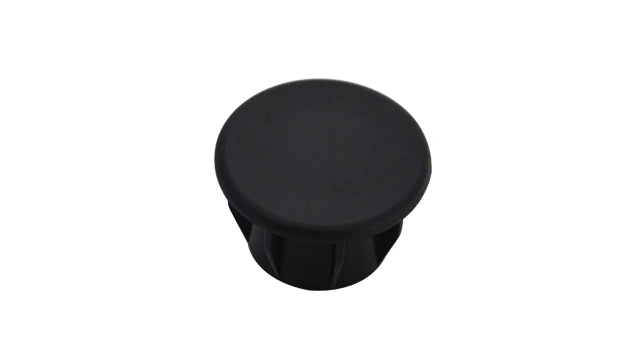
Plastic pipe cover, used for 28mm two end cover and protection, to avoid any scratch from sharp metal surface.
In the bustling world of manufacturing and assembly lines, where every component plays a role in keeping operations running smoothly, there's one small part that often goes unnoticed—until it fails. We're talking about the plastic pipe end cap : a humble component that seals the ends of pipes, protects against debris, and ensures structural integrity. While it might not grab headlines, this unassuming piece is a cornerstone of lean pipe systems, workbenches, and material handling setups across industries. Today, we're diving into the design innovations that have transformed the plastic pipe end cap from a basic afterthought into a lightweight yet surprisingly strong solution that's redefining efficiency in workshops and factories worldwide.
The Unsung Hero of Lean Systems: Why End Caps Matter
To understand why plastic pipe end caps deserve the spotlight, let's start with the bigger picture: lean pipe systems. These modular setups, made from lightweight pipes and connectors, are the backbone of modern manufacturing. They're used to build everything from workbenches and flow racks to assembly lines and material trolleys. The beauty of lean pipe systems lies in their flexibility—they can be easily reconfigured, expanded, or repurposed as production needs change. But none of this works without reliable components, and that's where end caps come in.
Imagine a typical workbench in an electronics factory. Its frame is built from lean pipes, connected by lean pipe joint components that lock the structure in place. Each pipe end, whether at the corners of the bench or the edges of a shelf, needs to be sealed. Without an end cap, dust, dirt, and even small tools could slip into the pipe, causing blockages or weakening the joint over time. Worse, exposed pipe ends pose a safety risk—sharp edges could snag gloves, scratch surfaces, or even injure workers. End caps solve these problems, but not all end caps are created equal. Traditional designs, often made from rigid plastic or rubber, were heavy, prone to cracking, or too loose to stay in place. Today's innovations, however, are changing the game.
From Basic to Brilliant: Evolution of Plastic Pipe End Cap Design
Not long ago, plastic pipe end caps were simple: a solid plastic plug that you'd hammer or twist onto the end of a pipe. They got the job done, but barely. Early versions were often too tight, making installation a hassle, or too loose, falling off during use. They were also heavy—hardly ideal for a system built around lightweight efficiency. As lean manufacturing principles gained traction, and factories demanded more from their equipment, designers went back to the drawing board.
The first wave of innovation focused on fit. Engineers realized that a one-size-fits-all approach didn't work, especially since lean pipes come in various diameters (think 28mm, 30mm, or custom sizes). Modern end caps now feature precision-molded inner ridges that grip the pipe's outer surface, creating a secure seal without requiring excessive force to install. This "snap-fit" design not only speeds up assembly but also ensures the cap stays put, even when the pipe is jostled or moved—critical for mobile trolleys or workbenches that see frequent use.
Next came material upgrades. Traditional end caps were often made from low-density polyethylene (LDPE), which is cheap but lacks durability. Today's models use high-density polyethylene (HDPE) blended with additives like glass fiber or nylon for added strength. This combination reduces weight by up to 30% compared to older designs while increasing impact resistance. In lab tests, these new end caps can withstand drops from heights of over 6 feet onto concrete without cracking—a far cry from the brittle caps of the past that would shatter with a light tap.

Material Science: The Secret to Lightweight Strength
At the heart of the modern plastic pipe end cap's success is material science. Designers aren't just using "plastic"—they're engineering composites that balance three key traits: lightness, strength, and flexibility. Let's break down the materials making waves in end cap design today:
- Reinforced HDPE: High-density polyethylene is already known for its toughness and chemical resistance, but adding short glass fibers or carbon nanotubes takes it to the next level. These additives create a material that's 20% stronger than standard HDPE while keeping weight low. It's also resistant to oils, solvents, and temperature fluctuations—perfect for factory environments where spills or heat are common.
- Thermoplastic Elastomers (TPE): For end caps that need to absorb vibration (like those on conveyor rollers or mobile trolleys), TPE blends are a game-changer. TPE combines the elasticity of rubber with the processability of plastic, allowing end caps to flex under stress and return to shape. This reduces wear and tear on both the cap and the pipe, extending the life of the entire lean system.
- Recycled Polymer Blends: Sustainability is a growing concern in manufacturing, and end cap designers are stepping up. New blends that incorporate recycled plastics (like post-consumer HDPE) don't sacrifice performance—they meet the same strength standards as virgin materials while cutting down on waste. Some suppliers even offer end caps made from 100% recycled content, appealing to eco-conscious factories.
The result? End caps that weigh as little as 15 grams (for a standard 28mm pipe) but can support loads of up to 50kg when used in structural applications like workbench legs. That's the kind of strength-to-weight ratio that makes lean pipe systems not just flexible, but also surprisingly robust.

Structural Innovations That Redefine Durability
Materials are only part of the story. Modern end caps also feature structural tweaks that boost their performance in real-world conditions. Let's take a closer look at some of these design breakthroughs:
Ribbed Interiors for Enhanced Grip: Old end caps relied on friction alone to stay in place, which often failed when pipes got wet or oily. New designs add internal ribs—small, raised ridges that press into the pipe's surface when the cap is installed. This creates multiple points of contact, increasing friction and preventing slippage. Some manufacturers even mold these ribs at a slight angle, so the cap tightens further as pressure is applied (like a screw), ensuring a secure fit that lasts.
Beveled Edges for Safety and Installation: Sharp edges are a hazard in any workplace, and traditional end caps often had rough, uneven rims that could catch on clothing or skin. Today's caps feature beveled, rounded edges that reduce the risk of cuts or snags. These edges also make installation easier: instead of struggling to align the cap with the pipe, the bevel guides it into place, saving time during assembly.
Hollow Core Design for Weight Reduction: Why make an end cap solid when it doesn't need to be? Many new models use a hollow core, removing excess material from the center without compromising strength. This cuts down on weight (critical for mobile applications like turnover trolleys) and reduces material costs, making the caps more affordable for bulk orders. Don't let the hollow design fool you, though—strategic reinforcing ribs inside the core ensure the cap still resists crushing under pressure.
UV and Chemical Resistance: Factories aren't always clean, controlled environments. End caps might be exposed to sunlight (in outdoor storage areas), harsh cleaning chemicals, or oils from machinery. Modern designs include UV stabilizers to prevent fading and brittleness from sun exposure, and chemical-resistant additives that stand up to solvents, lubricants, and even weak acids. This longevity means fewer replacements, reducing downtime and maintenance costs.
Real-World Impact: Applications in Workbenches and Beyond
Enough theory—let's talk about how these innovations play out on the factory floor. Take the humble workbench , for example. A typical lean pipe workbench has four legs, each capped with an end cap to seal the pipe and protect the floor. In the past, these caps would wear out quickly, especially if the bench was moved frequently or used to support heavy tools. Today's reinforced end caps, with their TPE blends and ribbed grips, last 3–5 times longer. Workers no longer have to stop production to replace a fallen cap, and the bench stays stable, even when loaded with 200kg of equipment.
Another example is flow racks, which use gravity to move materials along roller tracks. The pipes that frame these racks need end caps to prevent dust from clogging the rollers. Traditional caps would often crack under the constant vibration of materials sliding down the track. Now, with flexible TPE end caps, the vibration is absorbed, reducing stress on the cap and extending its life. This might seem minor, but in a busy warehouse, fewer cracked caps mean fewer jams, faster material flow, and happier operators.
Mobile trolleys are another area where new end caps shine. These trolleys, used to transport parts between workstations, are constantly on the move—bumping into walls, rolling over uneven floors, and being loaded and unloaded multiple times a day. Old end caps would loosen or fall off, leaving the pipe ends exposed and the trolley unstable. The snap-fit design and impact-resistant materials of modern caps keep them securely in place, even in this rough-and-tumble environment. Plus, their lightweight nature means the trolley itself is easier to push, reducing worker fatigue.
A Comparative Look: Traditional vs. Innovative End Caps
To truly appreciate the leap forward, let's compare traditional plastic pipe end caps with their innovative counterparts. The table below breaks down key metrics:
| Feature | Traditional End Caps | Innovative End Caps |
|---|---|---|
| Primary Material | Low-density polyethylene (LDPE) | Reinforced HDPE, TPE blends, or recycled polymer composites |
| Average Weight (28mm pipe) | 25–30 grams | 12–18 grams (up to 30% lighter) |
| Impact Resistance | Brittle; cracks under drops from >3ft | Flexible; withstands drops from 6+ ft without damage |
| Installation Time | 2–3 minutes (tight fit, often requires tools) | 10–15 seconds (snap-fit design, no tools needed) |
| Compatibility with Lean Pipe Joints | Limited; may interfere with joint tightness | Optimized; designed to work with standard lean pipe joints without issues |
| Typical Lifespan | 6–12 months (prone to cracking/loosening) | 3–5 years (UV and chemical resistant, wear-resistant grip) |
| Safety Features | Sharp edges, rough surfaces | Beveled edges, smooth finish, non-slip grip |
Future Frontiers: What's Next for Plastic Pipe End Cap Design
As manufacturing continues to evolve, so too will the plastic pipe end cap. Here are a few trends we're keeping an eye on:
Smart End Caps with Sensors: Imagine an end cap that can monitor temperature, vibration, or even weight on a workbench. While still in the prototype stage, some companies are experimenting with embedding tiny sensors into end caps. These sensors could send alerts to maintenance teams if a workbench is overloaded, or if a pipe is vibrating excessively (a sign of a loose lean pipe joint ). This predictive maintenance could prevent breakdowns and improve safety.
Biodegradable Materials: Sustainability isn't just a buzzword—it's a priority. As regulations around plastic waste tighten, we'll see more end caps made from biodegradable polymers, like PLA (polylactic acid) derived from cornstarch. These caps would perform like traditional ones but break down naturally after use, reducing environmental impact.
Customization for Niche Applications: While standard end caps work for most cases, some industries have unique needs. For example, cleanrooms in the pharmaceutical industry require anti-static end caps to prevent dust buildup. Food processing plants need caps that can withstand high-temperature washing. We'll see more specialized end caps tailored to these niche uses, with features like anti-microbial coatings or heat-resistant materials.
3D-Printed Prototypes: 3D printing is revolutionizing manufacturing, and end caps are no exception. Suppliers are using 3D printing to quickly prototype new designs, test materials, and create custom caps for clients with non-standard pipe sizes. This speed to market means innovations can reach factories faster, keeping lean systems at the cutting edge of efficiency.
Conclusion: Small Part, Big Impact
The plastic pipe end cap might never be the star of the show, but its evolution tells a bigger story about manufacturing: that even the smallest components deserve innovation. From basic plugs to lightweight, impact-resistant, and durable solutions, these caps have come a long way. They're proof that lean principles—continuous improvement, waste reduction, and focus on the customer—apply to every part of the production process, no matter how small.
So the next time you walk through a factory, take a moment to look at the workbenches, flow racks, and trolleys. Chances are, they're built with lean pipes, held together by lean pipe joint components, and sealed with the innovative end caps we've explored today. These tiny parts might not get the credit, but they're working hard to keep the world of manufacturing moving—lightweight, strong, and ready for whatever comes next.