- Company Articles
- Products and Technology
- Product knowledge
- Plastic Pipe End Cap Functions: Sealing, Protecting, and Organizing Pipes

Plastic Pipe End Cap Functions: Sealing, Protecting, and Organizing Pipes
Related Product
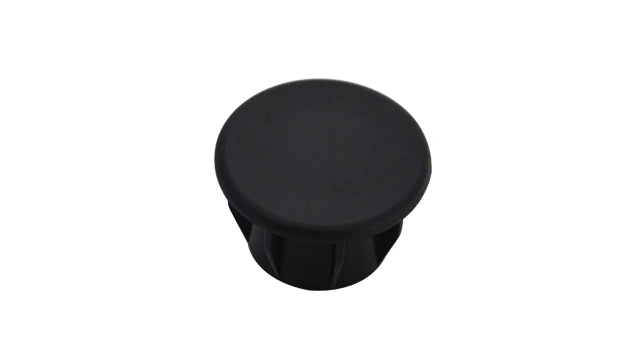
Plastic pipe end cap
Plastic pipe cover, used for 28mm two end cover and protection, to avoid any scratch from sharp metal surface.
In the bustling world of industrial manufacturing and warehouse operations, attention often gravitates toward large machinery, high-tech automation systems, and complex assembly lines. Yet, some of the most critical components in these environments are the smallest and simplest—items that quietly ensure everything runs smoothly, safely, and efficiently. One such unsung hero is the plastic pipe end cap. Though unassuming, this small accessory plays a pivotal role in maintaining the integrity of pipe systems, from lean pipe workbenches on factory floors to material racks in warehouses. In this article, we'll dive deep into the three core functions of plastic pipe end caps: sealing, protecting, and organizing. We'll explore how these humble components contribute to safer workspaces, more efficient operations, and longer-lasting equipment, with a focus on their applications in lean systems, production assembly, and beyond.
1. Sealing: Keeping Contaminants Out and Integrity In
At its most basic level, a plastic pipe end cap is a barrier. When you think about the pipes that form the backbone of industrial structures—whether they're part of a lean pipe workbench, a flow rack, or a conveyor system—their open ends are vulnerable entry points for all kinds of unwanted intruders. Dust, moisture, debris, and even pests can find their way inside, and over time, these contaminants can wreak havoc.
Consider a lean pipe workbench in a electronics manufacturing plant. The lean pipe (often a pe coated steel pipe) that forms the workbench's frame is hollow, and without end caps, dust particles from the air or debris from nearby assembly processes can settle inside. Over weeks or months, this buildup can add unexpected weight, throw off the balance of the workbench, or even corrode the inner surface of the pipe—especially if moisture is present. In sensitive environments like those using esd workbenches, where static control is critical, dust inside pipes could also interfere with electrical grounding or attract static charges, putting delicate components at risk.
Moisture is another silent threat. In warehouses with fluctuating temperatures or high humidity, condensation can form inside unprotected pipes. For standard lean pipe, this moisture can lead to rust, weakening the pipe's structural integrity over time. For stainless steel pipe series, while more corrosion-resistant, trapped moisture can still create a breeding ground for mold or bacteria, which is unacceptable in food processing or pharmaceutical settings. A well-fitted plastic end cap creates an airtight seal, preventing both external moisture and internal condensation from causing damage.
The sealing function isn't just about keeping things out—it's also about maintaining pressure and preventing leaks in systems where pipes carry air, liquids, or gases. For example, in some production assemble lines, compressed air is used to power tools, and the pipes that deliver this air must maintain consistent pressure. A missing or ill-fitting end cap could cause leaks, reducing efficiency and increasing energy costs. Plastic end caps, designed to snugly fit the pipe's diameter, ensure that these systems remain pressurized and leak-free.
Lean pipe suppliers often emphasize the importance of pairing pipes with compatible end caps, as a proper seal is essential for upholding the "lean" principles of waste reduction and efficiency. A pipe system with compromised seals requires more frequent maintenance, replacement parts, and downtime—all of which contradict the goal of lean management. By investing in quality plastic end caps, businesses can avoid these hidden costs and keep their operations running smoothly.
2. Protecting: Safeguarding Pipes, People, and Processes
Beyond sealing, plastic pipe end caps are champions of protection. Pipes, by nature, have sharp, unfinished edges at their open ends—edges that can pose risks to both workers and the pipes themselves. Imagine a warehouse employee moving a turnover trolley loaded with materials; if the trolley's frame uses lean pipe without end caps, a sharp pipe end could catch on clothing, scratch skin, or even tear protective gloves. In a busy production environment, such hazards increase the risk of accidents, leading to injuries, lost work hours, and potential legal liabilities.
Plastic end caps eliminate this danger by covering those sharp edges with a smooth, rounded surface. Made from durable materials like polypropylene (PP) or polyvinyl chloride (PVC), they act as a buffer, absorbing impact and preventing cuts or abrasions. This is especially important in settings where workers interact closely with pipe structures, such as when assembling lean pipe workbenches or adjusting material racks. Even in automated environments, where human contact is minimal, end caps protect equipment: a robotic arm moving near an exposed pipe end could snag on it, causing damage to the arm or the pipe itself.
The protection doesn't stop at people and machinery—it also extends to the pipes themselves. When pipes are stored, transported, or installed, their open ends are vulnerable to dents, bends, or crushing. For example, a 1.2mm pe coated lean pipe, while sturdy for its intended use, can have its end deformed if dropped or hit by heavy equipment. A deformed end may no longer fit properly with lean pipe joints, weakening the entire structure. A plastic end cap acts as a protective shell, absorbing impact and preserving the pipe's shape. This is particularly valuable for lean pipe suppliers and distributors, who often ship pipes in bulk; end caps reduce the risk of damage during transit, ensuring customers receive pipes in usable condition.
In some cases, pipes are exposed to harsh environments—chemicals, extreme temperatures, or UV radiation. While plastic end caps aren't always the first line of defense against these elements, they do add a layer of protection. For instance, in a factory using corrosive cleaning agents, an end cap can prevent splashes from seeping into the pipe's interior and causing internal corrosion. Similarly, in outdoor settings, UV-resistant plastic end caps can slow the degradation of pipe ends exposed to sunlight, extending their lifespan.
The protective function of plastic end caps aligns closely with the "safety first" ethos of modern manufacturing. By reducing hazards and preserving equipment, these small components contribute to a more resilient and sustainable operation—one where downtime is minimized, and workers feel confident in their environment.

3. Organizing: Bringing Order to Chaos
If sealing and protecting are the "defensive" functions of plastic pipe end caps, organizing is their "offensive" play—turning a jumble of pipes into a structured, efficient system. In industrial settings, where time is money and clarity is key, organization can make or break productivity. Plastic end caps, often overlooked as organizational tools, play a surprisingly vital role here, especially when paired with color coding, labeling, or custom designs.
Color coding is perhaps the most way end caps aid organization. Imagine walking into a large warehouse filled with material racks, each constructed from lean pipe. Without visual cues, how would you quickly distinguish between a rack holding raw materials, one for work-in-progress, and another for finished goods? By using colored plastic end caps—say, red for raw materials, blue for WIP, and green for finished products—workers can instantly identify the purpose of each rack, reducing the time spent searching. This is a cornerstone of lean management, where "set in order" (one of the 5S principles) is critical for efficiency.
Color coding also helps with maintenance and repairs. A lean pipe workbench with multiple pipe sections might use different colored end caps to indicate pipe material: yellow for aluminum lean pipe, grey for stainless steel pipe series, and black for standard pe coated lean pipe. When a component needs replacement, technicians can quickly identify the correct pipe type, ensuring they grab the right replacement from inventory. This reduces errors and speeds up repair times, keeping production assemble lines running smoothly.
Beyond color, many plastic end caps are designed to accept labels or markings. Some have flat surfaces where workers can write with permanent markers, while others come with pre-cut slots for inserting paper labels. This allows for detailed identification, such as pipe length, pressure rating, or installation date. For example, a conveyor system using roller track might have end caps labeled with the roller track's load capacity, preventing workers from overloading it and causing jams or breakdowns.
In lean pipe systems, where modularity is key, organization extends to the assembly process itself. Lean pipe joints connect pipes to form structures like workbenches or trolleys, and end caps help ensure that each pipe is cut to the correct length and installed in the right position. A pipe with an end cap is a finished component, signaling that it's ready to be integrated into the structure. This clarity reduces assembly time and minimizes mistakes, as workers can easily distinguish between completed and unfinished pipes.
Even in storage, end caps aid organization. Pipes stored without end caps can become tangled or nested inside one another, making it difficult to retrieve the right length. End caps add bulk to the pipe ends, preventing nesting and keeping stored pipes separated and easy to access. For lean pipe suppliers, this means faster order fulfillment; for manufacturers, it means less time wasted hunting for the right pipe in inventory.

4. Applications in Lean Systems: A Perfect Partnership
To truly appreciate the value of plastic pipe end caps, it's essential to understand their role in lean systems. Lean manufacturing, focused on eliminating waste and maximizing value, relies on tools and components that are durable, flexible, and cost-effective. Lean pipe—also known as "kitchen pipe" or "flexible pipe"—is a staple of such systems, thanks to its modular design: pipes and lean pipe joints can be quickly assembled, disassembled, and reconfigured to adapt to changing production needs. Plastic end caps are the finishing touch that makes these systems functional, safe, and efficient.
Take the lean pipe workbench, a common fixture in factories and warehouses. These workbenches are built by connecting lean pipes with joints to form a frame, which is then topped with a work surface (often an aluminum honeycomb panel or a wooden board). Without end caps, the open ends of the pipes would collect dust, making the workbench harder to clean (violating the "shine" principle of 5S). They'd also pose safety risks to workers using the bench. By sealing the pipes, end caps ensure the workbench remains clean, stable, and safe—supporting the "standardize" and "sustain" steps of 5S.
Flow racks, another key component of lean systems, rely on roller track to move materials smoothly from one workstation to the next. The roller track is often mounted on a frame made of lean pipe or aluminum profile. Here, end caps on the frame's pipes prevent debris from falling into the roller track, which could jam the rollers and disrupt material flow. In busy production assemble lines, a single jam can halt an entire workflow, so preventing such issues is critical to maintaining lean efficiency.
Lean system suppliers frequently bundle plastic end caps with pipes and joints, recognizing that they're an integral part of a complete solution. For example, a supplier might offer a "lean pipe starter kit" that includes 1.5mm pe coated lean pipe, various lean pipe joints, and matching end caps—everything needed to build a basic workbench or material rack. This bundling ensures compatibility (a must for proper sealing and protection) and simplifies the ordering process for businesses adopting lean principles.
Aluminum pipe accessories, a newer alternative to traditional lean pipe, also benefit from plastic end caps. While aluminum is lighter and more corrosion-resistant, its open ends still need sealing and protection. Plastic end caps designed for aluminum lean pipe are often made from softer materials to avoid scratching the aluminum surface, ensuring both functionality and aesthetics. This adaptability makes end caps a versatile choice, regardless of the pipe material.
In short, plastic pipe end caps are not just add-ons—they're essential to the performance of lean systems. By supporting cleanliness, safety, and organization, they help businesses achieve the core goals of lean management: reducing waste, improving productivity, and delivering value to customers.
5. Choosing the Right Plastic Pipe End Cap: A Practical Guide
With so many options available, selecting the right plastic pipe end cap can seem overwhelming. However, by considering a few key factors—pipe type, environment, and application—you can ensure you choose a cap that meets your needs. Below is a breakdown of the most common types of plastic end caps, along with their features and best uses, followed by a comparison table to simplify your decision.
| Type of End Cap | Material | Installation Method | Key Features | Best For | Compatible Pipe Types |
|---|---|---|---|---|---|
| Standard Snap-On | PP (Polypropylene) | Push-fit; snaps onto pipe end | Easy installation, cost-effective, reusable | General-purpose use, temporary setups, lean pipe workbenches | 1.2mm, 1.5mm, 2.0mm pe coated lean pipe |
| Threaded | PVC (Polyvinyl Chloride) | Screws onto threaded pipe ends | Airtight/watertight seal, secure fit, ideal for pressure systems | Conveyors, compressed air lines, liquid transport pipes | Stainless steel pipe series, aluminum profile with threaded ends |
| Vented | PE (Polyethylene) | Snap-on or push-fit with small vent hole | Prevents pressure buildup, allows air circulation | Pipes in high-temperature environments, outdoor storage racks | Aluminum lean pipe, 0.8mm pe coated lean pipe |
| Heavy-Duty | Nylon | Press-fit with ribbed interior for tight grip | High impact resistance, chemical resistant, UV stable | Industrial machinery frames, outdoor flow racks, stainless steel pipe series | 2.0mm stainless steel pipe, thick-walled aluminum pipe |
When choosing an end cap, start by identifying your pipe type. Measure the pipe's outer diameter and wall thickness—standard lean pipe, for example, often comes in 28mm outer diameter, while aluminum profile might be 40mm or 80mm. Lean pipe suppliers can provide specifications for their pipes, ensuring you select end caps that fit snugly (too loose, and they won't seal; too tight, and they'll be hard to install).
Next, consider the environment. If the pipe system is in a food processing plant, look for end caps made from food-grade materials (like FDA-approved PP). For chemical plants, opt for chemical-resistant PVC or nylon. In outdoor settings, UV-resistant end caps will prevent brittleness from sun exposure. Temperature is another factor: PE end caps may soften in high heat, while PVC can become brittle in cold conditions.
Installation method matters too. Snap-on end caps are best for systems that need frequent reconfiguration (like lean pipe workbenches), as they can be removed and reused. Threaded end caps are better for permanent setups requiring a tight seal, such as conveyor roller track frames. Vented end caps are a niche choice but critical for pipes that might trap air or moisture, like those in humid warehouses.
Finally, don't overlook cost. While heavy-duty nylon end caps are durable, they're also more expensive than standard PP caps. For temporary or low-stress applications (like a hand trolley used occasionally), standard snap-on caps may be sufficient. For high-stress environments (like a workbench in a automotive assembly line), investing in heavy-duty caps will save money in the long run by reducing replacement frequency.
6. The Future of Plastic Pipe End Caps: Innovation and Sustainability
As manufacturing and warehousing evolve—with a growing focus on sustainability, automation, and smart technology—plastic pipe end caps are evolving too. Today's end caps are no longer just simple plugs; they're becoming smarter, more eco-friendly, and more tailored to specific industries.
Sustainability is a key driver of innovation. Many manufacturers are now producing end caps from recycled plastic, reducing reliance on virgin materials. Some are even developing biodegradable options, though these are still niche (biodegradable plastics may not yet offer the durability needed for industrial use). Lean system suppliers, under pressure to reduce their environmental footprint, are increasingly offering recycled end caps as part of their "green" product lines, appealing to businesses with strong sustainability goals.
Smart technology is another frontier. Imagine end caps embedded with RFID tags or QR codes that can be scanned to access real-time data: pipe installation date, maintenance history, or even structural stress levels. In a smart factory, this data could be fed into a central system, alerting managers when a pipe (or its end cap) needs inspection or replacement. This predictive maintenance reduces downtime and extends the life of lean pipe systems.
Customization is also on the rise. As lean pipe systems become more specialized—think esd workstations for electronics manufacturing or cleanroom-compatible flow racks—end caps are being tailored to meet unique needs. For example, esd workbench end caps might be made from conductive plastic to dissipate static electricity, protecting sensitive components. Similarly, end caps for pharmaceutical cleanrooms may have smooth, non-porous surfaces that are easy to sterilize.
Integration with aluminum profile and aluminum extrusion profile is another area of growth. As more businesses switch to aluminum for its lightweight and aesthetic appeal, end caps are being designed to complement aluminum's sleek look. Some are even color-matched to aluminum profile accessories, creating a cohesive, professional appearance for workbenches and material racks.
Finally, modular end caps are emerging. These caps can be adapted to fit multiple pipe sizes or modified with additional features (like built-in cable clips or tool holders) without needing to replace the entire cap. This flexibility aligns with lean principles, allowing businesses to adapt their pipe systems without investing in new accessories.
Conclusion: Small Component, Big Impact
Plastic pipe end caps may be small, but their impact on industrial operations is undeniable. By sealing pipes against contaminants, protecting workers and equipment from harm, and organizing systems for maximum efficiency, these humble accessories play a critical role in maintaining safe, lean, and productive workspaces. Whether used in a lean pipe workbench on a factory floor, a flow rack in a warehouse, or a conveyor system in a distribution center, end caps are the unsung heroes that keep operations running smoothly.
As manufacturing and warehousing continue to evolve, plastic pipe end caps will evolve with them—becoming more sustainable, smarter, and more tailored to specific needs. For businesses looking to adopt lean principles, investing in quality end caps is not just a practical choice; it's a commitment to safety, efficiency, and long-term success. After all, in the world of lean management, every detail matters—and the plastic pipe end cap is a detail that delivers big returns.
So the next time you walk through a factory or warehouse, take a moment to notice the lean pipe workbenches, flow racks, and material trolleys. Chances are, you'll spot a plastic pipe end cap—and now you'll know just how much work that small, unassuming component is doing behind the scenes.