- Company Articles
- Products and Technology
- Installation And Maintenance
- Plastic Pipe End Cap Maintenance: Extending Lifespan in Production Systems

Plastic Pipe End Cap Maintenance: Extending Lifespan in Production Systems
Related Product
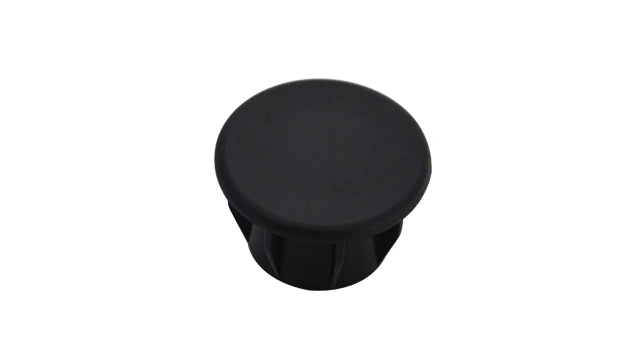
Plastic pipe end cap
Plastic pipe cover, used for 28mm two end cover and protection, to avoid any scratch from sharp metal surface.
In the bustling rhythm of a production line, where every second counts and efficiency is king, it's easy to overlook the small components that keep the wheels turning. Among these unsung heroes are plastic pipe end caps—unassuming, often, yet critical to the smooth operation of everything from workbenches to roller tracks. These small caps seal the ends of pipes, protect internal structures, reduce noise, and prevent debris from clogging workflows. But when neglected, they can become silent saboteurs: cracking under stress, loosening from vibration, or degrading from environmental exposure, leading to jams, downtime, and costly repairs. In a lean system, where waste reduction and continuous improvement are paramount, even the smallest inefficiencies matter. That's why mastering the art of plastic pipe end cap maintenance isn't just about preserving a part—it's about preserving the integrity of your entire production ecosystem.
What Are Plastic Pipe End Caps, and Why Do They Deserve Your Attention?
Before diving into maintenance, let's clarify what plastic pipe end caps are and why they're non-negotiable in production setups. These caps are precisely engineered to fit snugly over the open ends of pipes—whether aluminum lean pipes, stainless steel tubes, or basic aluminum tubes—serving as a protective barrier. Think of them as the "stopper" that keeps your system clean, safe, and functional.
Their Roles in Daily Operations
- Sealing and Protection: Pipes left open accumulate dust, moisture, and debris, which can corrode internal surfaces or jam moving parts like roller tracks. End caps block these intruders, extending the life of the pipes themselves.
- Noise Reduction: In high-traffic areas like turnover trolleys or conveyor systems, loose or missing end caps can cause pipes to rattle against frames, creating (sharp) noise that disrupts workflow and increases worker fatigue.
- Safety First: Exposed pipe ends are hazards waiting to happen—sharp edges can snag clothing, scratch skin, or even damage delicate products. End caps smooth these edges, making workbenches and material racks safer for operators.
- Structural Stability: In modular setups, like those built with aluminum profile accessories, end caps add subtle reinforcement, preventing pipes from warping or shifting under load.
Consider a typical scenario: A flow rack in an electronics assembly line, fitted with aluminum roller track, relies on smooth material flow to keep components moving to workers. If the plastic roller track guide rail's end caps are cracked, debris can wedge between rollers, causing a component to stall. What starts as a minor hiccup can snowball into a line shutdown, missed deadlines, and frustrated teams. This is where proactive maintenance turns a potential crisis into a non-event.
The Hidden Enemies: What Shortens a Plastic Pipe End Cap's Lifespan?
Plastic end caps are durable, but they're not indestructible. Several factors conspire to wear them down over time, many of which are avoidable with careful attention. Let's break down the most common threats:
1. Mechanical Stress: The Toll of Constant Motion
Production environments are dynamic—vibrations from conveyor motors, impacts from turnover trolleys bumping into racks, and repeated loading/unloading on workbenches all take a toll. Over time, this stress can loosen end caps (causing them to rattle or fall off) or create micro-cracks that expand with each jolt. For example, a roller track in a warehouse handling heavy packages may see end caps flexing under the weight of passing goods; without inspection, a small crack today becomes a full break next week.
2. Environmental Assault: Chemicals, Temperature, and Moisture
Plastic end caps face a gauntlet of environmental challenges: harsh cleaning agents in food processing plants, oils and lubricants in automotive facilities, extreme heat in foundries, or high humidity in beverage production. Many plastics (like standard PVC) degrade when exposed to strong solvents or prolonged UV light, leading to brittleness or discoloration. Even something as simple as steam from a nearby machine can soften caps over time, causing them to lose their grip on pipes.
3. Poor Installation: A Foundation for Failure
Even the highest-quality end caps will fail prematurely if installed incorrectly. Over-tightening can warp the cap or crack its edges; under-tightening leaves it loose, vulnerable to vibration. Using the wrong size cap (e.g., forcing a 0.5-inch cap onto a 1-inch pipe) stretches the plastic, weakening its structure. Unfortunately, rushed assembly—common in fast-paced setups—often leads to these mistakes, setting the stage for future issues.
4. Neglect: The Silent Killer
Perhaps the biggest threat is simple neglect. In busy facilities, end caps are rarely on anyone's "priority list"—until they fail. Workers may notice a loose cap but ignore it, assuming it's "not a big deal," or managers may delay replacement to save costs. But as the saying goes, "A stitch in time saves nine"—and in production, a $2 cap replacement today can prevent a $2,000 line shutdown tomorrow.

The Maintenance Playbook: Step-by-Step to Extend End Cap Lifespan
Maintaining plastic pipe end caps doesn't require specialized tools or advanced engineering knowledge—just consistency, attention to detail, and a proactive mindset. Below is a step-by-step protocol to keep your caps (and your production line) in top shape.
1. Regular Inspection: Catch Issues Before They Escalate
Inspection is the cornerstone of preventive maintenance. Aim for weekly checks in high-traffic areas (like roller tracks and turnover trolleys) and monthly checks in lower-stress zones (like stationary workbenches). Use this checklist to guide your assessment:
- Visual Check: Look for cracks, chips, or discoloration (signs of chemical damage or UV degradation). Pay special attention to edges and seams, where stress (concentrates).
- Tightness Test: Gently tug or twist the cap—if it moves, it's loose and needs tightening. A cap that spins freely is a red flag; it may fall off during operation.
- Debris Buildup: Check for dirt, oil, or product residue around the cap's base. Buildup can hide cracks or prevent the cap from seating properly.
- Alignment: Ensure the cap is centered on the pipe. Misalignment can cause uneven wear or create gaps for debris.
Pro tip: Train line operators to perform quick daily checks during their routine tasks (e.g., while restocking a flow rack). They're the first to notice changes and can flag issues early.
2. Cleaning: Keep Caps (and Pipes) Pristine
Dirt, grease, and chemicals don't just look messy—they accelerate degradation. Regular cleaning removes these threats and extends cap life. Here's how to do it right:
- Use Mild Detergents: For most caps, warm water and a mild soap (like dish soap) are sufficient. Avoid harsh solvents (acetone, bleach) or abrasive scrubbers, which can eat away at plastic.
- Target Crevices: Use a soft-bristled brush (old toothbrushes work well) to clean around the cap's base, where debris hides. For sticky residues (like oil), add a drop of isopropyl alcohol to the brush—test on an inconspicuous area first to ensure it doesn't discolor the plastic.
- Dry Thoroughly: Moisture trapped between the cap and pipe can cause mold or corrosion (for metal pipes). Wipe caps with a lint-free cloth after cleaning, and air-dry if needed.
Frequency tip: Clean caps monthly in standard environments; in dusty or chemical-heavy areas (e.g., near lubrication stations), clean biweekly.
3. Repair or replace: When to Fix, When to Let Go
Not all damage is repairable. Knowing when to patch a cap and when to replace it saves time and money:
- Loose Caps: If a cap is loose but undamaged, tighten it using a rubber mallet (gently tap to reseat) or, for threaded caps, a wrench (avoid over-tightening—plastic strips easily).
- Minor Cracks: Small cracks (less than 1cm) in low-stress areas can be temporarily sealed with plastic epoxy. Apply a thin layer, smooth with a putty knife, and let cure fully (follow epoxy instructions). Note: This is a short-term fix—replace the cap within 2-3 weeks to avoid failure.
- Major Damage: Cracks longer than 1cm, chips that expose the pipe, or caps that are warped/ misshapen must be replaced immediately. Delaying replacement risks debris entering the pipe or the cap failing mid-operation.
Pro tip: Keep a stock of spare caps on hand (consult your lean pipe supplier for compatible sizes) to minimize downtime. Label them by pipe type (aluminum lean pipe, stainless steel) and size for quick access.
4. Preventive Upgrades: Fortify Caps Against Future Stress
Sometimes, the best maintenance is prevention. For high-stress areas, consider these upgrades to reduce wear:
- Reinforced Caps: Swap standard plastic caps for reinforced versions (e.g., nylon or polypropylene with fiberglass additives) in areas with heavy impact (e.g., turnover trolley corners).
- Protective Coatings: Apply a clear plastic sealant (like polyurethane spray) to caps in UV-exposed areas (near windows or skylights) to slow degradation.
- Shock Absorbers: Add rubber gaskets between the cap and pipe to reduce vibration transfer—ideal for roller tracks near conveyor motors.

Aligning with Lean Systems: Maintenance as a Waste-Reduction Tool
At first glance, maintaining plastic pipe end caps might seem like a trivial task—hardly worthy of a spot in your lean system playbook. But lean thinking is about eliminating waste in all forms, and unplanned downtime, rework, and replacement costs are classic examples of waste (muda). By proactively caring for end caps, you're not just fixing a part—you're embodying lean principles:
Reducing Downtime (Muda: Waiting)
A jammed roller track due to a cracked end cap stops production in its tracks. Workers wait, deadlines slip, and frustration rises. By catching cracks early, you eliminate this "waiting" waste entirely.
Minimizing Replacement Costs (Muda: Unnecessary Inventory)
Constantly replacing failed caps means keeping excessive spares in stock—a lean no-no. With proper maintenance, caps last longer, reducing the need for large inventories and lowering procurement costs.
Empowering Teams (Respect for People)
Including end cap checks in daily 5S routines (Shine, Standardize) gives workers ownership of their workspace. When teams take pride in maintaining their tools and equipment, morale and engagement rise—key to sustained lean success.
Think of it this way: A lean system thrives on small, consistent improvements. Maintaining end caps is one of those "small wins" that add up to big results—smoother workflows, happier teams, and a bottom line that reflects the effort.
Case Study: How End Cap Maintenance Transformed a Bottleneck into a Flow
Let's bring this to life with a real-world example (inspired by actual client experiences). A mid-sized electronics manufacturer was struggling with frequent jams on their main assembly line's roller track—a critical pathway for circuit board components. The line would stall 2-3 times per shift, each jam taking 15-20 minutes to resolve. Engineers blamed the roller track itself, but a deeper dive revealed the root cause: 80% of the jams occurred at points where plastic pipe end caps were cracked or missing, allowing debris to wedge between rollers.
The plant implemented the maintenance protocol outlined above: weekly inspections, biweekly cleaning, and immediate replacement of damaged caps. They also upgraded to reinforced polypropylene caps in high-traffic zones and trained line operators to report loose caps during daily checks. Within 30 days, the results were striking:
- Jams dropped from 2-3 per shift to 0-1 per week—a 90% reduction.
- Downtime decreased by 12 hours monthly, translating to 480 more production hours annually.
- Cap replacement costs fell by 60% (fewer replacements needed, and bulk ordering of spares reduced per-unit costs).
- Operator satisfaction scores rose, with teams reporting "less stress" and "more trust in the line."
The takeaway? What seemed like a "roller track problem" was actually a "small component problem"—and solving it required nothing more than attention to detail and consistent care.
Selecting the Right Caps: A Maintenance Head Start
Maintenance starts with choosing the right cap for the job. Not all plastic end caps are created equal, and selecting the wrong material or design can sabotage even the best maintenance efforts. Here's how to choose wisely:
Material Matters: Match the Cap to the Environment
- PVC: Budget-friendly and versatile for dry, low-stress areas (e.g., stationary workbenches). Avoid in high heat (melts above 60°C) or chemical exposure.
- Polypropylene (PP): Chemical-resistant and durable, ideal for food processing or cleaning-heavy environments (e.g., near sanitizing stations).
- Nylon: Impact-resistant and heat-tolerant (up to 100°C), perfect for high-stress zones like turnover trolleys or roller tracks handling heavy loads.
- ESD-Safe Plastics: For electronics manufacturing, choose caps with electrostatic discharge (ESD) protection to prevent static damage to sensitive components.
Consult the Experts: Your Lean Pipe Supplier
Not sure which cap fits your aluminum lean pipe or stainless steel roller track? Your lean pipe supplier is a goldmine of knowledge. They can recommend materials, sizes, and designs based on your specific application—whether you need UV-resistant caps for a warehouse with skylights or food-grade caps for a bakery line. Don't hesitate to ask for samples to test in your environment before bulk ordering.
Sustaining Success: From Maintenance to Culture
The true measure of effective maintenance isn't just a few months of smooth operations—it's building a culture where care for small components becomes second nature. Here's how to make end cap maintenance stick:
Document and Standardize
Create a simple maintenance checklist (digital or paper) that outlines inspection steps, cleaning procedures, and replacement criteria. Post it near key workstations (e.g., roller track ends, workbench corners) as a visual reminder.
| Component | Inspection Frequency | Key Checks | Cleaning Frequency |
|---|---|---|---|
| Roller Track End Caps | Weekly | Cracks, tightness, debris | Biweekly |
| Workbench Pipe Ends | Monthly | Looseness, discoloration | Monthly |
| Turnover Trolley Caps | Biweekly | Impact damage, alignment | Weekly (high traffic) |
Train and Empower
Hold brief training sessions (15-20 minutes) to teach operators how to inspect and clean caps. Use visual aids (photos of good vs. damaged caps) and hands-on practice. Encourage questions—workers often have insights into which caps fail most often and why (e.g., "The caps on Trolley #5 always crack because it hits the rack corner").
Celebrate Small Wins
Acknowledge teams that consistently report issues or maintain spotless caps. A simple "Great catch!" in a team meeting or a monthly "Maintenance Champion" award fosters pride and encourages participation.
Final Thoughts: Small Caps, Big Impact
Plastic pipe end caps may be small, but their role in production systems is enormous. They're the guardians of your pipes, the quiet enforcers of smooth workflows, and a litmus test for your commitment to lean principles. By inspecting them regularly, cleaning them thoroughly, replacing them proactively, and integrating their care into your lean system, you're not just maintaining parts—you're building a more efficient, resilient, and people-centered operation.
So the next time you walk your production floor, take a moment to look down at those plastic caps. They might not shout for attention, but they're working hard for you. Return the favor, and watch as your line runs smoother, your team smiles brighter, and your bottom line grows stronger—one cap at a time.