- Company Articles
- Products and Technology
- Product knowledge
- Plastic Pipe End Cap Material Options: PP, PVC, and More – Pros and Cons

Plastic Pipe End Cap Material Options: PP, PVC, and More – Pros and Cons
Related Product
Plastic pipe end cap
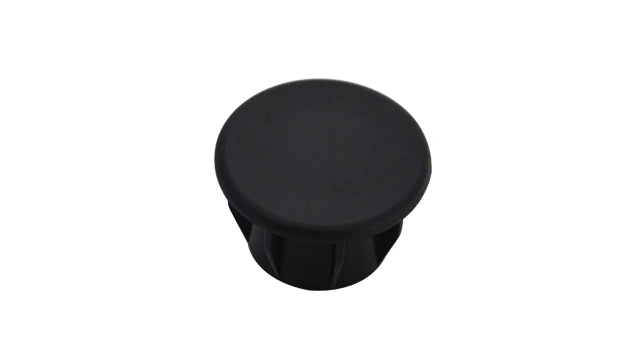
Plastic pipe cover, used for 28mm two end cover and protection, to avoid any scratch from sharp metal surface.
Walk into any bustling manufacturing plant, a busy warehouse, or even a small workshop, and you'll likely spot rows of workbenches, material racks, and lean pipe structures holding everything together. These setups are the backbone of efficient operations, but if you lean in closer, you'll notice something small yet critical: the plastic caps at the ends of pipes. These unassuming components—plastic pipe end caps—might not get the glory, but they're the unsung heroes keeping your industrial systems running smoothly. They seal pipe ends, block debris, prevent accidents, and even extend the life of your equipment. Today, we're diving into the world of these tiny titans, breaking down the most common materials used to make them, and helping you figure out which one is right for your lean pipe, workbench, or material handling setup.
Why the Material of Your Pipe End Cap Actually Matters
Before we jump into specific materials, let's talk about why choosing the right plastic for your pipe end cap isn't just a "nice-to-have"—it's a "need-to-have." Imagine this: You've just invested in a brand-new lean pipe assembly line. The pipes are sturdy, the lean pipe joints are tight, and the whole setup looks ready to boost productivity. But if you skimp on the end caps, using a cheap plastic that cracks in cold weather or melts near heat sources, you could be looking at trouble. Debris gets inside the pipes, causing jams. Sharp, exposed pipe edges become safety hazards for workers. Over time, the pipes themselves might corrode or degrade because the end caps failed to protect them. In short, the material of your end cap directly impacts durability, safety, and the lifespan of your entire system.
So, what should you consider when picking a material? Start with your environment: Is the cap going indoors or outdoors? Will it be exposed to chemicals, high temperatures, or UV light? Then, think about the pipe it's covering—lean pipe, aluminum pipe, or something else? Compatibility matters. And of course, there's budget: Some materials cost more upfront but last longer, while others are cheaper but need frequent replacement. Let's break down the top options.
PP (Polypropylene) Pipe End Caps: The Lightweight Workhorse
First up: PP, or polypropylene. If you've ever handled a lightweight, flexible plastic container, chances are it was made of PP. It's one of the most common plastics in industrial settings, and for good reason. Let's start with the basics.
What Even Is PP?
PP is a thermoplastic polymer, which means it softens when heated and hardens when cooled—making it easy to mold into all sorts of shapes, including pipe end caps. It's known for being both strong and lightweight, with a smooth, slightly waxy texture. You'll find it in everything from food containers to car parts, and yes, industrial pipe end caps.
The Pros of PP Pipe End Caps
Let's start with the good stuff. PP caps are like the reliable friend who shows up when you need them—consistent, low-maintenance, and adaptable.
- Lightweight but tough: PP is surprisingly strong for its weight. A PP end cap won't add unnecessary heft to your lean pipe or workbench, which is a big plus if you're reconfiguring your setup often (hello, lean manufacturing!). But don't let the lightness fool you—it can take a decent amount of impact without cracking. drop a tool on a PP cap? Chances are it'll bounce right off, no damage done.
- Chemical resistant (sort of): PP holds up well against many common chemicals, including acids, bases, and alcohols. This makes it a solid choice for environments where pipes might come into contact with mild cleaning solutions or coolants—think electronics assembly workbenches or light manufacturing.
- Decent temperature range: PP can handle temperatures from about 0°F to 180°F (-18°C to 82°C) without warping or melting. That's perfect for indoor setups, climate-controlled warehouses, or even some outdoor applications in moderate weather.
- Easy to work with: PP caps are often "friction-fit," meaning they slide onto the pipe and stay put without needing adhesives. This makes installation (and removal, for maintenance) a breeze. No messy glue, no special tools—just a gentle push or tap with a rubber mallet, and you're done.
The Cons of PP Pipe End Caps
Of course, no material is perfect. Here's where PP falls short:
- Not great with high heat: While 180°F is decent, if your setup involves near ovens, furnaces, or other heat sources, PP might not cut it. Expose it to temperatures above 200°F, and it'll start to soften, warp, or even melt.
- Sensitive to UV light: Leave a PP cap outdoors in direct sunlight for months, and you'll notice it starts to fade or become brittle. The sun's UV rays break down the polymer bonds over time, making the cap more likely to crack. If you need outdoor caps, look for UV-stabilized PP (more on that later) or consider a different material.
- Not as rigid as some plastics: PP has a bit of "give" to it. That's great for impact resistance, but if you need a cap that stays perfectly rigid (say, on a heavy-duty material rack where the cap is part of the structural support), PP might flex under pressure.
Best Uses for PP Pipe End Caps
So, when should you reach for PP? Think indoor, moderate environments with low heat, minimal UV exposure, and light to moderate chemical contact. Here are some real-world examples:
- Lean pipe workbenches: If you're building or upgrading a workbench using lean pipe, PP caps are a top pick. They're lightweight, easy to install, and protect the pipe ends from scratches or dents as workers move tools and parts around.
- Food processing facilities: PP is food-safe (look for FDA-approved grades), making it ideal for pipes that carry water, sanitizing solutions, or even some food products. Just avoid high-heat areas like near ovens.
- Electronics assembly lines: These setups often use coolants or mild cleaning agents, and PP handles those well. Plus, the lightweight caps make it easy to reposition workstations as production needs change.

PVC (Polyvinyl Chloride) Pipe End Caps: The Sturdy, Budget-Friendly Option
Next up: PVC. You've probably heard of PVC pipes—they're the white or gray pipes you see under sinks, in sprinkler systems, or holding up material racks. But did you know PVC end caps are just as popular? Let's unpack why.
What Is PVC, Anyway?
PVC is a rigid, strong plastic made from vinyl chloride monomers. Unlike PP, it's stiff and has a smooth, glossy finish. It's been around since the 1920s and has become a staple in construction and industrial settings because it's cheap, easy to mold, and incredibly durable.
The Pros of PVC Pipe End Caps
PVC caps are like the reliable, no-nonsense cousin of PP. They're not flashy, but they get the job done—especially if you need strength and affordability.
- Rock-solid rigidity: PVC is stiff. Once you snap a PVC cap onto a pipe, it's not going anywhere. This makes it perfect for applications where the cap needs to hold its shape, like on a heavy-duty material rack or a workbench that supports lots of weight. Unlike PP, PVC won't flex under pressure, so you don't have to worry about it deforming over time.
- Affordable and widely available: PVC is one of the cheapest plastics out there, and PVC end caps are no exception. You can find them at hardware stores, industrial suppliers, or even online—no need to special-order. For small businesses or startups on a budget, this is a huge win.
- Great chemical resistance: PVC stands up to a wide range of chemicals, including oils, solvents, and many acids. That's why it's a go-to for plumbing and drainage systems—those pipes handle all sorts of liquids, and the end caps need to keep up.
- Weather-resistant (to a point): PVC holds up well in rain, humidity, and moderate temperatures. Unlike PP, it's less prone to UV damage (though it can fade over time), making it a better choice for covered outdoor setups, like a warehouse loading dock or a shaded material storage area.
The Cons of PVC Pipe End Caps
PVC isn't without its flaws, though. Here's what to watch out for:
- Brittle in the cold: PVC gets stiff in low temperatures, and if it's hit or dropped when it's cold, it can crack. Ever stepped on a frozen PVC pipe? It shatters. The same goes for caps—if you're in a cold climate or your workspace isn't heated, PVC might not be the best bet.
- Heavy compared to PP: PVC is denser than PP, so the caps add more weight. If you're building a lean pipe system that needs to be lightweight and reconfigurable, all those PVC caps can add up, making the setup harder to move.
- Not for high heat: PVC starts to soften around 140°F (60°C), which is lower than PP's threshold. Expose it to a heat lamp, a nearby machine, or even direct sunlight in a hot climate, and it might warp or melt.
- Can be tricky to install: PVC caps are often tighter-fitting than PP, and because they're rigid, you can't just "flex" them onto the pipe. You might need to use a lubricant (like soapy water) to slide them on, or tap them gently with a hammer—too much force, and you'll crack the cap or the pipe.
Best Uses for PVC Pipe End Caps
PVC shines in indoor, moderate-temperature settings where rigidity and chemical resistance are key. Here are some scenarios where it's the best choice:
- Plumbing and drainage systems: This is PVC's bread and butter. Whether it's a sink drain, a floor drain, or a wastewater pipe, PVC end caps keep debris out and prevent leaks.
- Heavy-duty workbenches and material racks: If your workbench holds heavy tools or your material rack is stacked with metal parts, PVC caps add stability. Their rigidity ensures the pipe ends stay protected, even under stress.
- Industrial cleaning areas: PVC handles harsh cleaning chemicals (like bleach or degreasers) better than PP, making it ideal for caps in areas where deep cleaning is a regular part of the routine.

Beyond PP and PVC: Other Plastic Pipe End Cap Materials
PP and PVC are the most common, but there are other plastics worth considering depending on your needs. Let's take a quick look at two more: PE (Polyethylene) and ABS (Acrylonitrile Butadiene Styrene).
PE (Polyethylene): The Flexible, Cold-Resistant Option
PE is the plastic you'll recognize from milk jugs, plastic bags, and flexible. It's soft, bendable, and has a matte finish. PE end caps are less common than PP or PVC, but they're perfect for specific scenarios.
Pros: Super flexible, so it can bend without cracking—great for pipes that might vibrate or move slightly. It's also incredibly cold-resistant (down to -40°F!) and tough against impact, even in freezing temperatures. Cons: Not rigid, so it won't provide structural support. It also melts at low temperatures (around 120°F) and isn't as chemical-resistant as PP or PVC. Best for: Outdoor setups in cold climates, low-pressure pipes, or systems with mild vibration (like near small machinery).
ABS (Acrylonitrile Butadiene Styrene): The Tough, Heat-Resistant Contender
ABS is the plastic used in Lego bricks, car bumpers, and some high-end electronics cases. It's a blend of three polymers, giving it a unique mix of strength and toughness.
Pros: Extremely impact-resistant (it bounces back!), handles higher temperatures than PP or PVC (up to 180°F), and has a smooth, attractive finish. Cons: More expensive than PP or PVC, and it's not as chemical-resistant as PVC. Best for: Automotive workshops, electronics manufacturing (where heat from soldering irons is a concern), or setups where aesthetics matter (since ABS can be colored or painted).
PP vs. PVC vs. PE vs. ABS: A Quick Comparison
Still not sure which material is right for you? Let's break it down with a side-by-side comparison. This table will help you weigh the key factors at a glance:
| Material | Temp Range (°F) | Chemical Resistance | Flexibility | Cost | Best For |
|---|---|---|---|---|---|
| PP (Polypropylene) | 0 – 180 | Good (acids, bases, coolants) | Moderate (some give) | Low-Medium | Lean pipe workbenches, food processing, indoor setups |
| PVC (Polyvinyl Chloride) | 32 – 140 | Excellent (oils, solvents, cleaning agents) | Low (rigid) | Low | Plumbing, heavy-duty material racks, cold indoor areas |
| PE (Polyethylene) | -40 – 120 | Fair (mild chemicals, water) | High (flexible) | Low-Medium | Outdoor cold climates, vibrating systems |
| ABS (Acrylonitrile Butadiene Styrene) | 32 – 180 | Fair (avoid strong solvents) | Moderate (tough, bouncy) | Medium-High | High-heat areas, automotive, electronics |
How to Choose the Right Cap for Your Setup
Now that you know the pros and cons of each material, let's walk through a step-by-step process to pick the perfect cap for your lean pipe, workbench, or material handling system.
Step 1: Assess Your Environment
Start with where the cap will live. Is it indoors or outdoors? What's the average temperature? Are there heat sources nearby (ovens, machinery)? Any chemicals (cleaners, coolants, oils) that might touch the cap? For example:
- Indoor, climate-controlled, low chemicals? PP or PVC works.
- Outdoor, cold winters? PE is your friend.
- Near heat sources (140°F+)? ABS or PP (but avoid PVC).
- Harsh chemicals? Go with PVC.
Step 2: Consider the Pipe Type
Not all caps fit all pipes! Most caps are designed for specific pipe diameters (1 inch, 0.5 inch, etc.), so measure your pipe's outer diameter first. Also, think about the pipe material: lean pipe (often coated steel), aluminum pipe, or plastic pipe? PP and PVC work with most, but PE is better for flexible pipes, and ABS pairs well with high-end setups where appearance matters.
Step 3: Think About Installation and Maintenance
Do you need to remove the caps often (for cleaning or reconfiguration)? PP's friction-fit design makes it easy to pop on and off. PVC is tighter, so it's better for permanent setups. PE is flexible, so it's easy to install but might loosen over time if the pipe vibrates.
Step 4: Set a Budget
PVC is the cheapest, followed by PP and PE, then ABS. If you're on a tight budget and don't need special features, PVC is hard to beat. If you can spend a bit more for durability or heat resistance, PP or ABS might be worth it.
Real-World Stories: How the Right Cap Made All the Difference
Sometimes, hearing real examples helps. Let's look at two businesses that upgraded their pipe end caps and saw big improvements.
Case Study 1: A Bakery Switches to PP for Safety and Savings
A small artisanal bakery in Portland, Oregon, had been using metal pipe end caps on their lean pipe workbenches for years. The problem? Metal caps were expensive, and when workers bumped into them, they left dents in the pipes (not to mention sore shins!). They switched to PP caps, and here's what happened:
- Saved 50% on cap costs (PP is cheaper than metal).
- Fewer pipe dents, so the workbenches looked newer longer.
- Safer for workers—no more sharp metal edges.
- Easier to clean (PP is smooth, so flour and crumbs wipe off easily).
Case Study 2: A Warehouse Fixes Cold-Weather Cracking with PE
A warehouse in Minnesota was using PVC caps on their outdoor material racks. Every winter, the caps would crack from the cold, letting snow and debris into the pipes. They switched to PE caps, and now:
- No more cracked caps, even in -20°F weather.
- Less maintenance (they used to replace caps every spring; now they last 3+ years).
- Happier workers—no more cleaning out snow from pipes in the spring!
Wrapping Up: Small Cap, Big Impact
Plastic pipe end caps might be small, but they play a huge role in keeping your industrial setup safe, efficient, and long-lasting. Whether you're building a lean pipe workbench, setting up a material rack, or maintaining a plumbing system, the right cap material can save you time, money, and headaches down the line.
To recap: PP is lightweight and versatile for indoor, low-heat setups. PVC is rigid and budget-friendly for heavy-duty, chemical-resistant needs. PE is flexible and cold-resistant for the outdoors. And ABS is tough and heat-resistant for high-end or high-temperature applications.
So, next time you're shopping for pipe end caps, don't just grab the first one you see. Take a minute to think about your environment, your pipes, and your needs. Your lean pipe joints, workbench, and workers will thank you.