- Company Articles
- Products and Technology
- Product knowledge
- Plastic Pipe End Cap Materials: Durability and Corrosion Resistance Explained

Plastic Pipe End Cap Materials: Durability and Corrosion Resistance Explained
Related Product
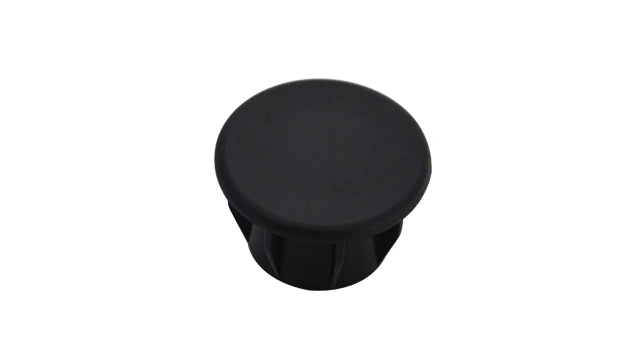
Plastic pipe end cap
Plastic pipe cover, used for 28mm two end cover and protection, to avoid any scratch from sharp metal surface.
The Unsung Hero of Pipe Systems
Walk through any manufacturing plant, warehouse, or workshop, and you'll witness a symphony of industrial components working in harmony: conveyor belts gliding, workbenches holding tools, and material racks storing supplies. Amidst all this activity, there's a tiny component that often goes unnoticed—but its absence would quickly create chaos: the plastic pipe end cap. These small, unassuming pieces seal the ends of pipes, tubes, and profiles, preventing debris from clogging systems, shielding workers from sharp edges, and even extending the lifespan of the equipment they protect. In lean manufacturing setups, where efficiency and reliability are paramount, choosing the right plastic pipe end cap material isn't just a detail—it's a decision that impacts productivity, safety, and long-term costs.
Whether you're building a lean pipe workbench, assembling a roller track for material flow, or setting up a turnover trolley, the end caps you select will face daily wear and tear: bumps from forklifts, exposure to chemicals, temperature fluctuations, and constant contact with materials. A flimsy end cap might crack after a month, leading to jams in conveyor systems or contamination in food processing lines. A poorly chosen material could degrade under UV light, leaving pipes vulnerable to rust or corrosion. So, what makes a plastic pipe end cap "good"? The answer lies in two critical factors: durability and corrosion resistance. Let's dive into the materials that define these qualities and why they matter in real-world applications.
What Are Plastic Pipe End Caps, Anyway?
Before we explore materials, let's clarify what plastic pipe end caps are and why they're indispensable. At their core, these are small, often cylindrical or flat components designed to fit snugly over the open ends of pipes, tubes, or profiles. Think of them as the "stopper" for a pipe—except in industrial settings, their role is far more than just plugging a hole.
First and foremost, they seal. In lean pipe systems, where pipes are used to build modular structures like workbenches or material racks, open ends can collect dust, dirt, or moisture. Over time, this debris can weaken joints, corrode metal pipes (even coated ones), or attract pests. A well-fitted end cap acts as a barrier, keeping the inside of the pipe clean and dry. Second, they protect. Exposed pipe ends are sharp—imagine a worker brushing against an uncovered aluminum profile or a forklift grazing a stainless steel pipe. End caps soften these edges, reducing the risk of cuts, scrapes, or damage to products being moved. Third, they stabilize. In structures like roller tracks or conveyor systems, end caps prevent pipes from shifting or bending at the ends, ensuring the entire setup remains rigid and reliable.
But not all end caps are created equal. The material they're made from determines how well they perform these roles. A plastic end cap for a lightweight aluminum pipe in a dry workshop will have different needs than one used in a chemical plant, where it's exposed to acids, or a freezer facility, where temperatures plummet below zero. That's why understanding the pros and cons of common plastic materials is key to making the right choice.

A Deep Dive into Materials: What Makes a Great End Cap?
Plastic pipe end caps are crafted from a range of polymers, each with unique properties tailored to specific environments. Let's break down the most popular options, their characteristics, and where they excel.
Polyvinyl Chloride (PVC)
PVC is the workhorse of the plastic world—and for good reason. It's rigid, affordable, and widely available, making it a go-to for general-purpose end caps. PVC end caps are resistant to water, oils, and many alkalis, which is why you'll often find them in plumbing systems, irrigation setups, and basic industrial racks. They're also easy to mold into precise shapes, ensuring a tight fit on standard pipe sizes (like the 28mm or 30mm lean pipe common in workbenches).
But PVC has limits. It's not as flexible as other plastics, so it can crack under heavy impact—think a dropped tool hitting an end cap on a workbench leg. It also struggles with extreme temperatures: above 60°C (140°F), it starts to soften, and below 0°C (32°F), it becomes brittle. And while it resists many chemicals, strong solvents like acetone or MEK can dissolve it over time. For indoor, low-stress applications like office shelving or dry workshop lean pipe structures, though, PVC end caps are a cost-effective choice.
Polypropylene (PP)
If you need something more durable than PVC, polypropylene (PP) is a step up. PP end caps are known for their flexibility and impact resistance—they bend rather than break when knocked, making them ideal for high-traffic areas like warehouse aisles or near conveyor belts. They're also highly resistant to acids, bases, and organic solvents, which is why they're a staple in chemical processing plants, food manufacturing facilities, and laboratories.
Another standout feature of PP is its temperature tolerance. It remains stable from -20°C (-4°F) to 100°C (212°F), so it can handle hot water washdowns in breweries or cold storage in frozen food warehouses. Unlike PVC, PP is also lightweight, which reduces the overall weight of structures like turnover trolleys or portable workbenches. The tradeoff? PP is slightly more expensive than PVC, and it's prone to UV degradation—so if your end caps will be exposed to direct sunlight (e.g., in outdoor loading docks), you'll need to choose a UV-stabilized variant.
Polyethylene (PE)
Polyethylene (PE) is the tough, no-nonsense sibling in the plastic family. Available in low-density (LDPE) and high-density (HDPE) forms, PE end caps are prized for their exceptional impact strength. HDPE, in particular, can withstand heavy blows without cracking—even at sub-zero temperatures. This makes it perfect for applications where end caps are likely to be bumped or dropped, such as on material racks in automotive plants or roller tracks in distribution centers.
PE is also inherently resistant to moisture, making it a top pick for outdoor use or wet environments like car washes or fisheries. It doesn't absorb water, so it won't swell or degrade over time, and it's impervious to mold and mildew. However, PE has lower chemical resistance than PP—it can be damaged by strong oxidizing agents like chlorine or concentrated acids. It's also softer than PVC or PP, so it may wear down faster if used in high-friction applications (e.g., end caps on roller tracks where products slide over them constantly).
Nylon (Polyamide)
When durability is non-negotiable, nylon (or polyamide) end caps step up to the plate. Nylon is a engineering plastic, meaning it's designed for heavy-duty mechanical stress. It has high tensile strength, excellent wear resistance, and can handle temperatures up to 120°C (248°F)—making it ideal for industrial ovens, engine compartments, or any environment with heat and friction.
Nylon end caps are also self-lubricating, which reduces friction when they come into contact with moving parts—think roller track connectors or caster wheels on trolleys. This property extends their lifespan and minimizes noise, a bonus in busy workshops. The downside? Nylon absorbs moisture, which can cause it to swell slightly over time (though this is minimal in most indoor settings). It's also more expensive than PVC, PP, or PE, so it's typically reserved for high-stress applications where cheaper materials would fail quickly—like lean pipe workbenches in aerospace manufacturing, where precision and reliability are critical.
Acrylonitrile Butadiene Styrene (ABS)
ABS is the chameleon of plastics: it combines the best traits of its three monomers (acrylonitrile for chemical resistance, butadiene for impact strength, and styrene for rigidity). The result? End caps that are tough, rigid, and resistant to both physical impacts and chemical exposure. ABS is often used in consumer goods (think Lego bricks), but in industrial settings, it shines in applications where aesthetics matter alongside performance—like retail display racks or office furniture.
ABS end caps are easy to color-match, so they can blend seamlessly with aluminum profiles or painted lean pipe systems. They also have good dimensional stability, meaning they won't warp under heat or pressure, which is important for tight-fitting applications like sealed roller tracks. However, ABS has lower temperature resistance than nylon or PP (it starts to soften around 80°C/176°F) and can degrade in direct sunlight without UV stabilizers. For indoor, medium-stress uses—like workshop workbenches or light-duty conveyor systems—ABS offers a balance of durability, looks, and cost.

Durability: Beyond the Surface
Durability in plastic pipe end caps isn't just about "being strong"—it's about standing up to the specific challenges of their environment. Let's break down the key durability factors and how each material performs.
Impact Resistance: Bouncing Back from Bumps
In a busy facility, end caps take a beating. A forklift might graze a material rack, a worker could drop a tool on a workbench leg, or a pallet might slam into a conveyor track. The best end caps absorb these impacts without cracking or splitting. Here's how the materials stack up:
- PE (HDPE): The gold standard for impact resistance. HDPE end caps can withstand repeated blows without permanent damage—even at low temperatures. They're the top choice for high-traffic areas like warehouse aisles.
- PP: Flexible and tough, PP bends under impact and returns to shape. It's ideal for medium-traffic zones like workshop floors or near lean pipe workbenches.
- Nylon: Strong but rigid. Nylon resists heavy loads but can crack if struck with extreme force (e.g., a falling metal part). Best for controlled environments where impacts are less frequent.
- ABS: Balances rigidity and impact resistance. It's less flexible than PP but more forgiving than PVC, making it suitable for light to medium impacts.
- PVC: The least impact-resistant. Rigid PVC can crack or shatter if hit hard, especially in cold weather. Stick to low-traffic, indoor use.
Load-Bearing Capacity: Supporting the Weight
End caps don't just seal pipes—they often support weight, too. On a lean pipe workbench, for example, end caps on the legs might bear the weight of tools, materials, and workers. On a material rack, end caps could help stabilize shelves holding heavy boxes. A weak end cap here could lead to sagging, wobbling, or even collapse.
Nylon and ABS excel in load-bearing applications: their high tensile strength allows them to support heavy weights without deforming. PE (HDPE) is also strong but more flexible, so it's better for dynamic loads (e.g., materials sliding on a roller track) than static, heavy loads. PP and PVC have lower load capacities—PVC, in particular, can warp under constant pressure, making it unsuitable for weight-bearing roles.
Temperature Tolerance: Performing in the Heat and Cold
Factories and warehouses rarely have "ideal" temperatures. A foundry might hit 50°C (122°F), while a cold storage facility could dip to -30°C (-22°F). End caps must maintain their integrity in these extremes:
- Nylon: Handles the widest range (-40°C to 120°C/-40°F to 248°F), making it ideal for extreme environments.
- PP: Stable from -20°C to 100°C (-4°F to 212°F), perfect for food processing or hot water washdowns.
- PE (HDPE): Works well from -40°C to 80°C (-40°F to 176°F), though it softens above 60°C (140°F).
- ABS: Struggles above 80°C (176°F) but holds up in moderate temperatures (-20°C to 80°C/-4°F to 176°F).
- PVC: The most temperature-sensitive, with a narrow range (0°C to 60°C/32°F to 140°F). Avoid extreme heat or cold.
Aging and Wear: Standing the Test of Time
Even the toughest end caps degrade over time, but the rate depends on the material and environment. UV exposure, for example, breaks down many plastics, causing them to become brittle or fade. PE and PP are particularly susceptible to UV damage, which is why outdoor end caps made from these materials often include UV stabilizers. Nylon and ABS are more UV-resistant but can still degrade in constant sunlight.
Chemical exposure is another aging factor. In industrial settings with oils, solvents, or cleaning agents, PP and PE (HDPE) hold up best, while PVC and ABS are more vulnerable. Wear from friction—like products sliding over end caps on a roller track—wears down softer materials like PE faster than rigid options like nylon or ABS.
Corrosion Resistance: Standing Strong Against the Elements
Unlike metal, plastic doesn't rust—but that doesn't mean it's immune to corrosion. Chemicals, moisture, and even bacteria can degrade plastic over time, weakening end caps and compromising their seal. Let's explore how each material resists these threats.
Chemical Resistance: Fighting Acids, Bases, and Solvents
In industries like pharmaceuticals, oil and gas, or food processing, end caps are exposed to a cocktail of chemicals: acids (e.g., vinegar in food plants), bases (e.g., cleaning detergents), solvents (e.g., degreasers), and oils. The right material can mean the difference between a 10-year lifespan and a 10-week failure.
PP is the champion here. It resists most acids (including sulfuric acid), bases, and organic solvents, making it a staple in chemical labs and industrial cleaning zones. PE (HDPE) is also highly chemical-resistant, though it struggles with strong oxidizers like hydrogen peroxide. Nylon handles oils and fuels well but can be damaged by strong acids. ABS resists weak acids and alkalis but is vulnerable to solvents like acetone. PVC works with oils and alkalis but dissolves in many organic solvents.
Moisture and Humidity: Keeping Water at Bay
Water is everywhere in industrial settings: from rain in outdoor yards to steam in manufacturing plants to washdowns in food facilities. A water-resistant end cap prevents mold, mildew, and pipe corrosion by keeping moisture out of the pipe interior.
PE, PP, and PVC are all inherently waterproof—they don't absorb water, so they won't swell, rot, or degrade in humid environments. Nylon, while water-resistant, absorbs small amounts of moisture (typically 1-2% by weight), which can cause minor swelling over time. This is rarely an issue in indoor, controlled environments, but in permanently wet areas (e.g., car washes or marine docks), PE or PP is a safer bet.
Industrial Environments: Specialized Threats
Some industries pose unique corrosion risks. In food processing, for example, end caps must withstand frequent washdowns with hot water and sanitizers (like chlorine or peracetic acid). PP and PE (HDPE) are ideal here—they resist both heat and chemicals, and their smooth surfaces are easy to clean, preventing bacterial growth.
In electronics manufacturing, static electricity is a hazard. While plastic itself is insulating, some end caps are made with conductive additives to dissipate static. These are often made from modified PP or PE, as their base materials are easy to blend with conductive fillers.
In mining or construction, end caps face abrasive dust and debris. Nylon's wear resistance makes it a top choice here, as it stands up to constant friction better than softer plastics like PE or PP.
Why Material Choice Matters in Lean Systems
Lean manufacturing is all about eliminating waste—whether it's time, materials, or downtime. In a lean system, every component must contribute to efficiency, and plastic pipe end caps are no exception. A poorly chosen end cap can lead to frequent replacements (wasting time and money), system failures (causing production delays), or safety hazards (exposing workers to sharp edges). For example, a PVC end cap on a lean pipe workbench in a cold warehouse might crack in winter, leading to a wobbly work surface and lost productivity. A non-UV-stabilized PE end cap on an outdoor lean pipe rack could degrade in sunlight, requiring replacement every few months.
On the flip side, the right material reduces waste. A PP end cap in a food processing plant might last 5+ years with minimal maintenance, avoiding the cost of frequent replacements. A nylon end cap on a high-stress lean pipe workbench in an automotive plant could withstand heavy loads and impacts, preventing unplanned downtime. In short, choosing the right plastic pipe end cap material aligns with the core principles of lean management: it maximizes value, minimizes waste, and ensures systems run smoothly for years.
Comparing the Contenders: A Material Showdown
To help you choose the best plastic pipe end cap material for your needs, here's a side-by-side comparison of key factors:
| Material | Impact Resistance | Chemical Resistance | Temperature Range (°C) | Best For | Cost (Relative) |
|---|---|---|---|---|---|
| PVC | Low (brittle when hit) | Good (oils, alkalis; poor with solvents) | 0 to 60 | Indoor, dry, low-stress (shelving, basic lean pipe structures) | Lowest |
| PP | High (flexible, bends without breaking) | Excellent (acids, bases, solvents) | -20 to 100 | Food processing, chemical plants, medium-traffic areas | Low-Medium |
| PE (HDPE) | Very High (withstands heavy impacts, even cold) | Very Good (resists moisture, oils; poor with strong oxidizers) | -40 to 80 | Warehouses, outdoor use (with UV stabilizers), wet environments | Low-Medium |
| Nylon | Medium-High (strong but rigid; can crack under extreme force) | Good (oils, fuels; poor with strong acids) | -40 to 120 | High-stress, high-temperature (aerospace workbenches, industrial ovens) | Highest |
| ABS | Medium (balances rigidity and impact) | Fair (weak acids, alkalis; poor with solvents) | -20 to 80 | Aesthetic applications (retail racks, office furniture), light industrial | Medium |
Real-World Applications: Where End Caps Shine
To put this all in context, let's look at how plastic pipe end caps perform in common industrial setups—including the lean pipe systems that form the backbone of modern manufacturing.
Lean Pipe Workbenches
A lean pipe workbench is a modular workstation built from aluminum or steel pipes (often with plastic coatings) and joints. It's used in assembly lines, labs, and workshops to hold tools, components, and equipment. The end caps on its legs and frame must withstand daily impacts (tools dropped, workers leaning), occasional spills (oils, cleaning fluids), and constant weight.
For most lean pipe workbenches, PP or HDPE end caps are ideal. PP resists chemicals from cleaning agents and oils, while HDPE handles impacts from dropped tools. If the workbench is in a cold environment (e.g., a freezer facility), HDPE's low-temperature tolerance is a plus. For high-end workbenches in precision industries (like electronics manufacturing), nylon end caps might be used for their load-bearing strength and wear resistance.
Roller Tracks and Conveyors
Roller tracks and conveyors move materials from one workstation to another, relying on smooth, unobstructed flow. End caps here seal the ends of roller tracks, preventing debris from jamming the system and reducing noise as materials glide over them. They also protect the tracks from damage during loading/unloading.
PE (HDPE) or PP end caps are top choices for roller tracks. HDPE's impact resistance stands up to the constant movement of materials, while PP's chemical resistance handles spills from products like detergents or lubricants. In food-grade conveyors, PP is preferred for its easy cleanability and resistance to sanitizers.
Turnover Trolleys and Material Racks
Turnover trolleys transport materials around facilities, while material racks store them. Both are moved frequently, so their end caps must withstand bumps from walls, forklifts, and other trolleys. They also need to be lightweight to keep the overall trolley/rack weight down.
PP end caps are a great fit here—they're lightweight, flexible, and impact-resistant. Their chemical resistance also helps if the trolleys carry oils or solvents. For heavier-duty racks holding metal parts, HDPE adds extra durability without adding too much weight.
Outdoor Storage and Loading Docks
Outdoor applications expose end caps to UV radiation, rain, and temperature swings. Here, UV-stabilized PE (HDPE) is the star—it resists moisture, stands up to impacts from weather or forklifts, and the UV additives prevent degradation from sunlight. PP can also work with UV stabilizers, but HDPE's superior impact resistance makes it better for unpredictable outdoor conditions.
Choosing the Right End Cap: A Practical Guide
With so many materials to choose from, how do you pick the right plastic pipe end cap for your project? Start by asking these questions:
1. What's the Environment Like?
Is the end cap indoors or outdoors? Will it be exposed to moisture, chemicals, UV light, or extreme temperatures? For example:
- Indoor, dry, low-stress → PVC or ABS
- Wet, chemical-exposed (food/chemical plants) → PP
- Outdoor, high-impact → UV-stabilized HDPE
- High-temperature (industrial ovens) → Nylon
2. What Impacts Will It Face?
Will the end cap be bumped by forklifts, hit by tools, or rubbed by moving materials? For high-impact areas, prioritize HDPE or PP. For low-traffic zones, PVC or ABS may suffice.
3. What's the Load-Bearing Requirement?
Is the end cap supporting weight (e.g., on a workbench leg) or just sealing a pipe? Nylon or ABS are best for heavy loads; PE or PP work for lighter ones.
4. What's Your Budget?
PVC is the cheapest, but it's only suitable for light use. PP and HDPE offer better durability at a moderate cost. Nylon is the most expensive but necessary for high-stress applications.
5. Are There Aesthetic Needs?
Do the end caps need to match the color of your pipes or profiles? ABS and PP are easy to color-match, making them good for visible applications like retail displays or office workbenches.
Conclusion: Small Part, Big Impact
Plastic pipe end caps may be small, but their role in industrial systems is huge. They protect workers, seal pipes, stabilize structures, and prevent costly downtime. By understanding the durability and corrosion resistance of materials like PVC, PP, PE, nylon, and ABS, you can choose end caps that stand up to your environment—whether it's a busy warehouse, a chemical plant, or a precision lean pipe workbench.
In lean manufacturing, where every component must add value, the right end cap material isn't just a purchase—it's an investment. It reduces waste, minimizes maintenance, and ensures your systems run efficiently for years. So next time you're building a workbench, assembling a conveyor, or stocking up on industrial supplies, take a moment to consider the end caps. Those small, unsung heroes might just be the key to your operation's success.