- Company Articles
- Products and Technology
- Procurement Guidelines
- Plastic Pipe End Cap Selection Criteria: Key Factors for Industrial Buyers

Plastic Pipe End Cap Selection Criteria: Key Factors for Industrial Buyers
Related Product
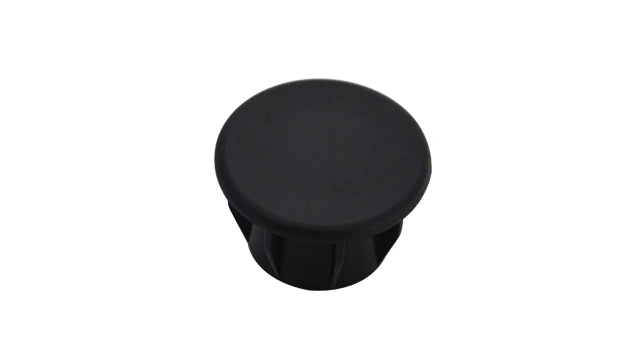
Plastic pipe end cap
Plastic pipe cover, used for 28mm two end cover and protection, to avoid any scratch from sharp metal surface.
In the fast-paced world of industrial manufacturing and lean systems, every component matters—even the smallest ones. Take plastic pipe end caps, for instance. At first glance, they might seem like additions to your workflow, but these unassuming parts play a critical role in protecting equipment, ensuring safety, and maintaining the efficiency of systems built with lean pipe, aluminum profiles, and workbenches. Whether you're assembling a production line, setting up a material handling rack, or building a custom workbench, choosing the right plastic pipe end cap can mean the difference between smooth operations and costly downtime. In this guide, we'll walk through the key factors industrial buyers should consider when selecting plastic pipe end caps, helping you make informed decisions that align with your specific needs.
1. Material Type: The Foundation of Performance
The first step in choosing a plastic pipe end cap is understanding the material it's made from. Not all plastics are created equal, and each type brings unique properties that impact durability, chemical resistance, and suitability for different environments. Let's break down the most common materials you'll encounter:
Polyvinyl Chloride (PVC): PVC is a go-to for many industrial applications thanks to its rigidity and affordability. It's resistant to water, oils, and most mild chemicals, making it ideal for indoor use on lean pipe systems or workbenches where exposure to harsh substances is limited. PVC end caps are easy to mold into precise shapes, ensuring a snug fit on standard pipe sizes. However, they can become brittle in extreme cold and may not hold up well under heavy impact, so they're best suited for low-stress environments.
Polyethylene (PE): If your operation involves frequent handling, impact, or outdoor use, PE end caps are worth considering. This flexible, lightweight material offers excellent impact resistance—think of it as the "shock absorber" of plastic end caps. PE is also resistant to moisture and many chemicals, and it remains pliable in cold temperatures, making it a durable choice for turnover trolleys, material racks, or conveyor systems where parts might bump against the pipes. The tradeoff? PE is slightly more expensive than PVC, but its longevity often offsets the upfront cost.
Polypropylene (PP): For environments with higher temperatures or exposure to acids and alkalis, PP end caps shine. This material has a higher melting point than PVC or PE and boasts superior chemical resistance, making it a staple in pharmaceutical, food processing, or chemical manufacturing facilities. PP is also lightweight and recyclable, aligning with sustainability goals. However, it's less flexible than PE, so it may crack under extreme impact, and it can degrade when exposed to UV light over time—something to keep in mind for outdoor use.
ABS (Acrylonitrile Butadiene Styrene): ABS combines the best of rigidity and toughness, making it a versatile option for applications that demand both strength and impact resistance. It's commonly used in electronics manufacturing, where ESD (Electrostatic Discharge) protection is critical—some ABS end caps are even formulated with conductive additives to prevent static buildup. ABS is also easy to machine and bond, allowing for custom modifications if needed. The downside? It's more expensive than PVC or PE, so it's typically reserved for high-performance scenarios.
2. Size Compatibility: Ensuring a Secure Fit
A plastic pipe end cap is only effective if it fits your pipes perfectly. An ill-fitting cap can fall off during use, expose the pipe end to debris, or even become a safety hazard if it snags on materials. To avoid these issues, precise size measurement is non-negotiable.
Start by identifying the diameter of your pipes—this is often listed in inches or millimeters (e.g., 0.5 inch, 1 inch, or 20mm, 30mm). Note whether you're measuring the inner diameter (ID) or outer diameter (OD) of the pipe, as end caps are designed to fit over the OD. For example, a 1-inch lean pipe typically has an OD of 28mm, so you'll need an end cap with an inner diameter slightly larger than 28mm to ensure a tight yet easy-to-install fit.
Many suppliers, such as lean pipe and accessories suppliers, offer end caps in standard sizes that align with common lean pipe, aluminum profile, or stainless steel pipe series. If you're using custom or non-standard pipes, look for suppliers that offer made-to-order options. When in doubt, request samples—testing a cap on your actual pipes is the best way to confirm compatibility, especially if you're working with specialized components like aluminum lean pipe or corrugated aluminum pipe.
Another consideration is the length of the end cap. Some caps are shallow, covering only the tip of the pipe, while others are deeper, providing extra protection for threads or internal components. Deeper caps are useful for pipes that will be handled frequently or used in high-vibration environments, as they're less likely to dislodge.

3. Application Environment: Matching the Cap to the Task
Your end cap's material and design should align with the environment where it will be used. Let's explore common industrial settings and how they influence your choice:
Indoor Assembly Lines & Workbenches: In controlled indoor environments like electronics or automotive assembly lines, PVC or ABS end caps are often sufficient. They protect workers from sharp pipe edges on workbenches (such as "Workbench E (Single Deck-Without Caster)") and prevent dust from accumulating inside lean pipe structures. If ESD protection is a priority—common in electronics manufacturing—look for ESD-rated end caps, which are often made from conductive PP or ABS.
Outdoor or Warehouse Use: Warehouses, loading docks, or outdoor material yards expose end caps to UV radiation, moisture, and temperature fluctuations. Here, PE or UV-stabilized PP end caps are better choices, as they resist degradation from sunlight and remain flexible in cold weather. For material racks like "Material Rack B (3 Row and 3 Floor)" that hold heavy loads, opt for thicker-walled caps to withstand occasional impacts from forklifts or pallet jacks.
Chemical or Food Processing: Facilities handling chemicals, food, or pharmaceuticals require end caps that won't leach toxins or react with substances. PP is the gold standard here, thanks to its chemical resistance and compliance with FDA regulations for food contact. Look for end caps labeled "food-grade" or "NSF-certified" to ensure they meet industry standards.
Cleanrooms: In semiconductor or medical device manufacturing, even small particles can ruin products. Smooth, non-porous end caps (typically made from polished PP or ABS) are essential, as they don't shed debris and are easy to sanitize. Avoid caps with crevices or rough surfaces that could trap dust.

4. Durability and Longevity: Avoiding Frequent Replacements
Industrial operations don't have time for frequent part replacements. A durable end cap should withstand daily wear and tear, including impacts, temperature changes, and exposure to cleaning agents. Here's what to look for:
Wall Thickness: Thicker walls generally mean better impact resistance. Check the product specifications for wall thickness—most industrial-grade end caps range from 1mm to 3mm. For high-stress applications, like roller tracks or conveyor systems, aim for 2mm or thicker.
Flexural Strength: This measures how well a material resists bending or breaking under load. PE and ABS have higher flexural strength than PVC, making them better for applications where pipes might be bent or twisted slightly (e.g., on adjustable workbenches or movable trolleys).
Resistance to Wear: If your end caps will rub against other surfaces (e.g., on a conveyor with roller track guide rails), look for materials with low friction coefficients, like PE. This reduces wear and extends the cap's lifespan.
Don't forget to ask suppliers about product testing. Reputable lean pipe suppliers or aluminum profile accessories suppliers often conduct impact tests, temperature cycling, or chemical exposure tests to validate durability. A quick question like, "What's the maximum impact force this cap can withstand?" can save you from choosing a product that fails prematurely.
5. Installation Ease: Saving Time on the Factory Floor
In lean manufacturing, time is money—and the last thing you need is an end cap that takes 10 minutes to install. The right installation style can streamline assembly and reduce labor costs. Here are the most common options:
Snap-On (Push-Fit): Snap-on end caps are the workhorses of quick assembly. They feature a flexible lip that expands when pushed onto the pipe, then contracts to create a tight seal. No tools, adhesives, or threading required—just a firm press, and you're done. This makes them ideal for lean pipe systems, where modularity and rapid reconfiguration are key. Look for snap-on caps with ribbed interiors, which enhance grip and prevent slipping.
Adhesive-Backed: For permanent installations, adhesive-backed end caps offer a secure bond. They come with a peel-and-stick backing (usually 3M adhesive) that adheres to clean pipe surfaces. These are great for stationary workbenches or material racks where the cap won't need to be removed. However, they require proper surface preparation (no oil, dust, or moisture) and can't be reused if the pipe is reconfigured.
Threaded: Threaded end caps screw onto pipes with matching threads, providing a secure, leak-proof seal. They're common in fluid handling systems or applications where pipes might transport air, water, or light liquids. Threaded caps are reusable and adjustable, but they take longer to install than snap-on options and require compatible threaded pipes.
Heat-Shrink: Heat-shrink end caps are a niche option for specialized applications. They're made from a thermoplastic material that shrinks tightly around the pipe when heated with a heat gun. These offer excellent protection against moisture and corrosion but are labor-intensive to install and not ideal for frequent disassembly.
When choosing an installation style, consider your team's workflow. If your assembly line relies on rapid setup (e.g., building a new workbench in under an hour), snap-on caps are the way to go. For long-term, stationary systems, adhesive or threaded caps might be more appropriate.
6. Cost-Effectiveness: Balancing Quality and Budget
Industrial buyers are always mindful of costs, but the cheapest end cap isn't always the best value. To determine true cost-effectiveness, consider the total cost of ownership (TCO)—which includes upfront price, replacement frequency, and labor for installation.
Upfront Cost: PVC end caps are typically the most affordable, followed by PE, PP, and ABS. For low-volume, low-stress applications (e.g., a small workbench in a repair shop), PVC might be sufficient. But for high-volume production lines or heavy-use systems, investing in PE or PP can reduce long-term costs.
Replacement Frequency: A $0.50 PVC cap that needs replacing every 3 months costs more over a year than a $1.50 PE cap that lasts 2 years. Calculate how often you'll need to replace caps based on your environment—if you're in a high-impact setting, durability should outweigh upfront savings.
Labor Costs: Snap-on caps save time during installation, reducing labor hours. For a facility with 100 workbenches, each requiring 4 end caps, the difference between a 10-second snap-on cap and a 2-minute adhesive cap adds up to hours of labor saved.
Many lean pipe suppliers offer bulk discounts, so consider ordering in larger quantities if you have consistent needs. Just be sure to check the shelf life of the caps—PVC and PE can degrade over time if stored in direct sunlight, so keep them in a cool, dry area.
7. Supplier Reliability: Partnering for Consistency
Even the best end cap design is useless if your supplier can't deliver consistent quality or meet deadlines. When evaluating potential suppliers (whether they specialize in lean pipe, aluminum profile accessories, or plastic components), ask the following questions:
Do they have a track record of quality? Look for suppliers with ISO 9001 certification, which ensures they follow strict quality management standards. Ask for customer references or case studies—reliable suppliers will be happy to share examples of their work with other industrial clients.
Can they meet your volume and delivery needs? If your production line requires 500 end caps per month, ensure the supplier has the capacity to fulfill large orders on time. Delays in end cap delivery can hold up entire assembly projects, so ask about lead times and backup inventory.
Do they offer technical support? A good supplier won't just sell you a product—they'll help you choose the right cap for your application. Look for suppliers with knowledgeable sales teams who can answer questions about material compatibility, size selection, or custom options. Some even provide sample testing, so you can validate the cap's performance before placing a bulk order.
What's their return policy? Mistakes happen—maybe you ordered the wrong size or the caps don't fit as expected. A supplier with a flexible return or exchange policy shows they stand behind their products.
Remember, your supplier is a partner in your operation's success. Taking the time to vet them now can prevent headaches later.
| Material | Size Range | Best For | Installation Type | Durability | Cost Range (Per Unit) |
|---|---|---|---|---|---|
| PVC | 0.5–2 inches (standard) | Indoor, low-impact (lean pipe, workbenches) | Snap-on, adhesive | Moderate (brittle in cold) | $0.30–$1.00 |
| PE | 0.5–3 inches | Outdoor, high-impact (turnover trolleys, racks) | Snap-on | High (flexible, impact-resistant) | $0.50–$1.50 |
| PP | 0.5–4 inches | Chemical, high-temperature (food/pharma, cleanrooms) | Snap-on, threaded | High (chemical-resistant, heat-tolerant) | $0.75–$2.00 |
| ABS | 0.5–2 inches | ESD environments, electronics manufacturing | Snap-on, adhesive | High (rigid, impact-resistant) | $1.00–$3.00 |
Conclusion: Small Part, Big Impact
Plastic pipe end caps may be small, but their role in industrial operations is anything but minor. By prioritizing material type, size compatibility, application environment, durability, installation ease, cost-effectiveness, and supplier reliability, you can select end caps that protect your equipment, enhance safety, and keep your workflow running smoothly. Remember, the right end cap isn't just a purchase—it's an investment in the longevity and efficiency of your lean pipe systems, workbenches, and material handling setups. Whether you're sourcing from a lean pipe supplier or an aluminum profile accessories specialist, take the time to assess your needs, test samples, and partner with a supplier you trust. In the end, those small caps will make a big difference in your bottom line.