- Company Articles
- Products and Technology
- Product knowledge
- Plastic Pipe End Cap Sizing Chart: A Quick Reference for Manufacturers

Plastic Pipe End Cap Sizing Chart: A Quick Reference for Manufacturers
Related Product
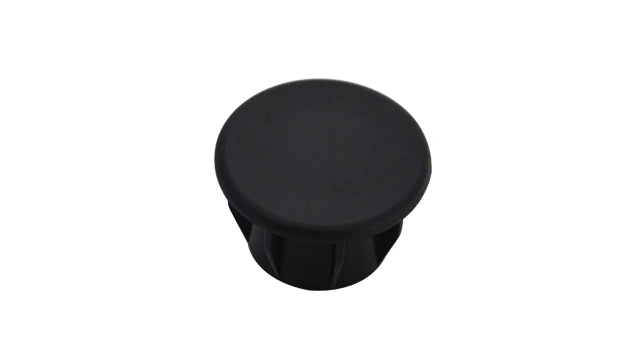
Plastic pipe end cap
Plastic pipe cover, used for 28mm two end cover and protection, to avoid any scratch from sharp metal surface.
In the fast-paced world of manufacturing, where every second counts and efficiency is king, it's easy to overlook the small components that keep your production lines running smoothly. But ask any plant manager or lean system specialist, and they'll tell you: the difference between a seamless workflow and a day filled with delays often lies in the details. Today, we're shining a spotlight on one such unsung hero: the plastic pipe end cap . These unassuming accessories play a critical role in protecting your lean pipe systems, ensuring safety, and maintaining the integrity of your assembly lines. And if you've ever struggled with ill-fitting caps that slip off, crack, or fail to seal properly, you know just how important getting the size right can be. That's why we've put together this comprehensive guide and sizing chart—to help you avoid those headaches and keep your production floor running like a well-oiled machine.
Why Plastic Pipe End Caps Matter in Lean Manufacturing
Before we dive into sizing, let's take a moment to appreciate why plastic pipe end caps deserve a spot in your list of essential lean pipe accessories . In lean manufacturing, the goal is to eliminate waste—whether that's time, materials, or effort. A poorly chosen end cap might seem like a minor issue, but consider this: a loose cap can allow dust, debris, or moisture to enter your pipes, leading to corrosion or blockages over time. A cap that's too tight might crack when the pipe expands due to temperature changes, leaving sharp edges that pose safety risks to your team. Even a slightly misaligned cap can throw off the balance of a turnover trolley or disrupt the flow of materials on a roller track.
Plastic end caps solve these problems by providing a snug, protective seal for the ends of your lean pipes. They're lightweight, corrosion-resistant, and cost-effective—making them ideal for use in everything from assembly workbenches to material racks. Plus, they come in a variety of colors, which can help with visual management (think: color-coding pipes by department or function). But their true value lies in their ability to keep your lean pipe systems functioning at peak efficiency, day in and day out.
Pro Tip:
Don't underestimate the safety factor! Uncapped pipes can become hazards—catching on clothing, damaging products, or even causing trips. OSHA guidelines emphasize the importance of "guarding" exposed machinery parts, and that includes the sharp or uneven ends of metal pipes. A simple plastic end cap is often the easiest way to meet these standards.
Understanding the Basics: Types of Plastic Pipe End Caps
Not all plastic pipe end caps are created equal. Before you start measuring, it helps to know what options are available. Here's a quick breakdown of the most common types you'll encounter as a manufacturer:
1. Push-Fit End Caps
These are the most straightforward: simply push them onto the end of the pipe until they form a tight seal. They're ideal for low-pressure applications, like covering the ends of workbench frames or static material racks. Most push-fit caps are made from polyethylene (PE) or polyvinyl chloride (PVC), which offer flexibility and durability.
2. Threaded End Caps
For pipes with threaded ends (common in some stainless steel or aluminum systems), threaded end caps provide a more secure fit. They're often used in applications where the pipe might be moved or vibrated frequently, such as mobile trolleys or conveyor systems. Nylon is a popular material here, thanks to its resistance to wear and chemical exposure.
3. Snap-On End Caps
Similar to push-fit caps but with a locking mechanism (like a small tab or ridge), snap-on caps are designed to stay in place even under moderate stress. They're a favorite in automotive and electronics manufacturing, where production lines are often reconfigured, and components need to withstand regular handling.
4. Flanged End Caps
These caps have a small flange (a raised edge) around the base, which adds stability and prevents the cap from being pushed too far onto the pipe. They're useful for applications where the end of the pipe needs to rest against a surface, such as the legs of a workbench or the corners of a rack.
No matter which type you choose, the key to success is sizing . A cap that's designed for a 20mm aluminum pipe won't work on a 25mm PE-coated lean pipe, and vice versa. That's where our sizing chart comes in.

The Plastic Pipe End Cap Sizing Chart: Your Go-To Reference
To help you find the perfect fit, we've compiled a sizing chart based on the most common pipe types used in manufacturing today. This chart assumes you're working with standard lean pipe systems, including PE-coated steel, stainless steel, and aluminum pipes. For custom or non-standard pipes, we recommend consulting your lean pipe supplier for tailored guidance.
| Pipe Type | Nominal Pipe Size (NPS) | Outer Diameter (OD) in mm | Recommended End Cap Size (ID) in mm | End Cap Material | Best For | Compatibility Notes |
|---|---|---|---|---|---|---|
| 1.2mm PE Coated Lean Pipe | 1/2" | 15mm | 15.5mm | Polyethylene (PE) | Light-duty workbenches, small trolleys | Snug push-fit; works with standard lean pipe joints |
| 1.5mm PE Coated Lean Pipe | 3/4" | 20mm | 20.5mm | PVC | Material racks, assembly line rails | Resistant to oils and coolants; ideal for factory floors |
| 2.0mm PE Coated Lean Pipe | 1" | 25mm | 25.5mm | Nylon | Heavy-duty trolleys, conveyor supports | High impact resistance; withstands frequent handling |
| Stainless Steel Pipe (1.2mm) | 1/2" | 16mm | 16.2mm | PVC | Cleanrooms, food processing lines | Smooth finish; easy to clean and sanitize |
| Stainless Steel Pipe (2.0mm) | 1" | 25.4mm | 25.9mm | Nylon | Outdoor racks, chemical processing areas | UV-resistant; won't degrade in harsh environments |
| Aluminum Lean Pipe (Basic Aluminum Tube) | 3/4" | 19mm | 19.3mm | Polypropylene (PP) | Lightweight assembly lines, electronics manufacturing | Non-conductive; safe for ESD-sensitive workstations |
| Aluminum Profile (2020 Series) | N/A | 20mm x 20mm (square) | 20.2mm x 20.2mm | PE | Frame structures, machine guards | Square design; fits tightly on 2020 aluminum profiles |
| Aluminum Profile (3030 Series) | N/A | 30mm x 30mm (square) | 30.3mm x 30.3mm | PVC | Heavy-duty workbenches, shelving units | Reinforced corners; prevents chipping on square edges |
How to Use This Chart: Start by identifying your pipe type (e.g., 1.5mm PE coated lean pipe) and measuring its outer diameter (OD) with a caliper—don't rely solely on nominal size, as coatings or material thickness can affect the actual OD. Next, match that OD to the "Recommended End Cap Size" column, which lists the inner diameter (ID) of the cap. The ID should be slightly larger than the pipe's OD (usually 0.5–0.9mm) to allow for a tight but flexible fit. Finally, check the "Material" and "Best For" columns to ensure the cap is suited to your environment (e.g., nylon for heavy use, PVC for chemical resistance).

Measuring Your Pipes: A Step-by-Step Guide
Even the best sizing chart is useless if you measure your pipes incorrectly. Here's how to get accurate measurements every time:
Step 1: Gather the Right Tools
You'll need a digital caliper (preferred for precision) or a flexible measuring tape. Avoid using a ruler, as it can slip and give inaccurate readings, especially on round pipes.
Step 2: Clean the Pipe End
Wipe away any dirt, grease, or debris from the end of the pipe. If there's a burr (a rough edge from cutting), gently file it down—this ensures the caliper makes full contact with the pipe's surface.
Step 3: Measure the Outer Diameter (OD)
For round pipes: Place the caliper jaws perpendicular to the pipe's length, so they grip the outer edge of the pipe. Close the jaws until they're snug but not pressing into the pipe, then read the measurement. For accuracy, take 2–3 readings at different points around the pipe (top, bottom, side) and average them—pipes can sometimes be slightly oval due to manufacturing tolerances.
For square or rectangular aluminum profiles: Measure the width and height of the profile's cross-section, as these will determine the size of the square end cap you need.
Step 4: Account for Coatings or Layers
If your pipe has a PE coating, remember that the coating adds thickness to the base metal pipe. For example, a 1.2mm steel pipe with a 0.8mm PE coating will have an OD of ~15mm (steel OD + 2x coating thickness, since coating wraps around the pipe). Always measure the finished pipe, not the base material.
Common Pitfall:
Assuming "1-inch pipe" means 25.4mm OD. While this is true for some stainless steel pipes, PE coated lean pipes often use metric sizing, where "1-inch" refers to a nominal size, not the actual OD. Always measure!
Choosing the Right End Cap Material for Your Environment
Once you've nailed the size, it's time to pick the right material. Plastic end caps are typically made from PE, PVC, or nylon, each with its own strengths:
Polyethylene (PE)
PE is flexible, lightweight, and affordable—great for general-purpose use in dry, indoor environments. It's resistant to impact and won't crack easily under minor stress, making it ideal for workbenches and small trolleys. However, it's not the best choice for areas with oils, solvents, or extreme temperatures (it can soften in heat or become brittle in cold).
Polyvinyl Chloride (PVC)
PVC is stiffer than PE and offers better chemical resistance, making it suitable for factory floors where coolants, lubricants, or cleaning agents are present. It's also more heat-resistant than PE (up to ~60°C) and comes in a range of colors for visual management. The downside? It's less flexible, so it may crack if forced onto a pipe that's slightly oversized.
Nylon
Nylon is the heavyweight champion of plastic end caps. It's tough, wear-resistant, and can handle high temperatures (up to ~80°C) and heavy loads. If you're building a turnover trolley that will be pushed around all day or a material rack that holds bulky parts, nylon caps are worth the extra cost. They're also resistant to most chemicals, though prolonged exposure to strong acids should be avoided.
When in doubt, ask your lean pipe supplier for samples. Testing a cap in your actual work environment for a week or two can reveal issues you might not catch in the catalog—like how it holds up to daily cleaning or exposure to your specific production materials.
Avoiding Common Sizing Mistakes
Even with the chart and measuring guide, mistakes can happen. Here are three errors to watch out for:
Mistake #1: Ignoring Manufacturing Tolerances
Pipes and caps are mass-produced, which means there's always a small margin of error (usually ±0.2mm for OD and ID). If your pipe's OD is at the upper end of its tolerance and the cap's ID is at the lower end, even a "correct" size might feel too tight. To avoid this, buy caps and pipes from the same lean pipe supplier —they'll ensure their components are compatible.
Mistake #2: Forcing a Cap That's Too Small
It's tempting to tap a slightly undersized cap onto a pipe with a hammer, but this is a recipe for disaster. The cap can crack, leaving sharp edges, or stretch out of shape, making it loose over time. If a cap doesn't slide on with gentle pressure, it's too small—size up instead.
Mistake #3: Overlooking Temperature and Humidity
Plastic expands in heat and contracts in cold, which can affect fit. If your production line is in a hot environment (e.g., near ovens or welding stations), opt for a cap with a slightly larger ID to account for expansion. In cold environments, a snugger fit (closer to the pipe's OD) will prevent the cap from shrinking and falling off.
Working with Your Lean Pipe Supplier: Beyond the Chart
Your lean pipe supplier isn't just a source for parts—they're a partner in optimizing your production line. Here's how to leverage their expertise:
Ask for Custom Solutions
If you're working with non-standard pipes (e.g., thick-walled stainless steel or custom aluminum profiles), most suppliers can create custom end caps tailored to your measurements. This might cost a bit more, but it's worth it to avoid the hassle of ill-fitting generic caps.
Request Material Samples
As we mentioned earlier, testing caps in your environment is key. A reputable supplier will send you free or low-cost samples so you can check fit, material durability, and color before placing a bulk order.
Inquire About Bulk Pricing
If you're a high-volume manufacturer, ask about bulk discounts. Many suppliers offer reduced rates for large orders, which can lower your overall costs—especially if you use end caps across multiple production lines.
Seek Expert Advice
If you're unsure whether a push-fit cap or a threaded cap is better for your application, or if you're dealing with unique challenges (like high vibration or corrosive chemicals), your supplier's technical team can guide you to the right solution. They've seen it all, so don't hesitate to ask!
Real-World Success: How Proper Sizing Boosts Efficiency
Let's wrap up with a quick example of how the right plastic pipe end cap sizing can make a difference. Consider a mid-sized electronics manufacturer that was struggling with frequent jams on their production assemble line. The issue? The plastic end caps on their material rack pipes were cracking, leaving sharp edges that caught on the plastic trays holding circuit boards. After measuring their 1.5mm PE coated lean pipes (OD 20mm) and switching to 20.5mm PVC caps (per our chart), the jams stopped, and production speed increased by 12% in just two weeks. The total cost? Less than $200 for a box of 50 caps. That's the power of getting the small things right.
Final Thoughts: Small Caps, Big Impact
Plastic pipe end caps might not be the most glamorous part of your lean system, but they're a critical one. By taking the time to measure your pipes accurately, use our sizing chart, and choose the right material, you can prevent downtime, reduce safety risks, and keep your production line running efficiently. And when in doubt, remember: your lean pipe supplier is there to help. After all, their success depends on yours—and a well-fitted end cap is just one more way to build a stronger, more efficient manufacturing process.
So the next time you're ordering lean pipe accessories , don't skip the end caps. Measure twice, check the chart, and choose wisely—your team, your production line, and your bottom line will thank you.