- Company Articles
- Products and Technology
- Product knowledge
- Plastic Pipe End Cap vs. Plug: Key Differences in Industrial Applications

Plastic Pipe End Cap vs. Plug: Key Differences in Industrial Applications
Related Product
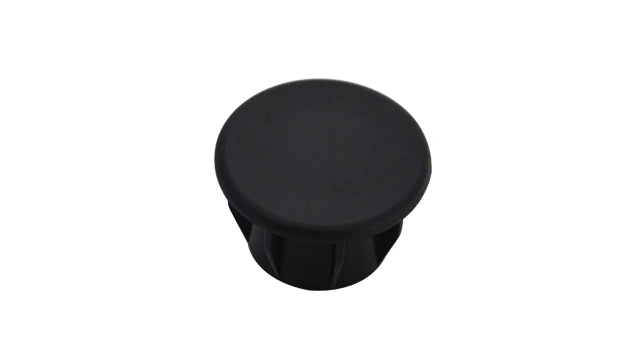
Plastic pipe end cap
Plastic pipe cover, used for 28mm two end cover and protection, to avoid any scratch from sharp metal surface.
Walk into any manufacturing plant, warehouse, or assembly line, and you'll likely be dazzled by the big machines, the hum of conveyor belts, and the coordinated chaos of production. But if you take a closer look—past the robots and the stacks of materials—you'll notice the unsung heroes holding it all together: the small, unassuming components that keep everything running smoothly. Today, we're shining a spotlight on two such workhorses: plastic pipe end caps and plastic pipe plugs. These tiny parts might not grab headlines, but in setups like lean pipe workbenches, roller tracks, and aluminum profile structures, they're the difference between a seamless operation and a day full of snags, delays, and safety hazards.
At first glance, end caps and plugs might seem interchangeable. Both go on the ends of pipes or tubes, right? But anyone who's spent time maintaining industrial equipment knows better. These components are engineered for distinct roles, and choosing the wrong one can lead to everything from minor annoyances (like a wobbly workbench) to major disruptions (like a failed roller track causing a production line shutdown). In this article, we'll break down what makes end caps and plugs unique, how they're used in real-world industrial settings, and why getting to know their differences could save your team time, money, and headaches.
What Are Plastic Pipe End Caps?
Let's start with end caps. If you've ever run your hand along the edge of a lean pipe workbench and felt a smooth, rounded finish instead of a sharp metal edge, you've encountered an end cap. These components are designed to cover the open ends of pipes, tubes, or profiles, transforming raw, potentially hazardous edges into safe, finished surfaces. But their job goes beyond just aesthetics—they're workhorses in their own right.
Design Characteristics
Most plastic end caps are designed to be either "push-fit" or "threaded." Push-fit caps are the simplest: they're slightly flexible, so you can press them onto the pipe end with your hand (or a rubber mallet for a tighter fit). Threaded caps, on the other hand, screw onto pipes with matching threads, creating a more secure seal—ideal for applications where vibration or movement might dislodge a push-fit cap. Some end caps also feature flanges or lips that rest against the pipe's outer edge, adding stability and preventing over-insertion.
Material Matters: What Are They Made Of?
Plastic end caps are typically crafted from durable polymers like polyvinyl chloride (PVC), polyethylene (PE), or polypropylene (PP). PVC is rigid and chemical-resistant, making it a favorite for industrial environments where exposure to oils or solvents is common. PE, on the other hand, is more flexible and impact-resistant—great for applications where the cap might get bumped or dropped, like on a mobile lean pipe trolley with caster wheels. PP offers a balance of strength and heat resistance, often used in high-temperature settings like near ovens or drying equipment.
Primary Functions: More Than Just a "Cover-Up"
The most obvious job of an end cap is protection : protecting workers from cuts, products from scratches, and the pipe itself from damage. But they do more. In lean pipe systems, for example, end caps prevent debris, dust, or moisture from entering the pipe's interior—a critical detail in humid warehouses where rust could weaken the structure over time. They also improve ergonomics: a smooth end cap on a workbench's edge is far more comfortable to lean against than a sharp metal pipe end during long shifts.
What Are Plastic Pipe Plugs?
Now, let's turn to plugs. If end caps are the "protectors," plugs are the "sealers." These components are designed to fill the inner cavity of a pipe or tube, creating a tight barrier against liquids, gases, or debris. Unlike end caps, which often sit on the outside of the pipe end, plugs are inserted inside , forming a seal that's hard to breach. You'll find them in everything from aluminum profile frames to the legs of roller track systems.
Design Characteristics
Plugs come in two main designs: "solid" and "vented." Solid plugs are fully enclosed, creating an airtight, watertight seal—perfect for pipes that might be exposed to rain or cleaning fluids. Vented plugs have small holes or channels that allow air or moisture to escape, preventing pressure buildup (think of a plastic plug in a water pipe that needs to drain after washing down a workbench). Like end caps, they can be push-fit or threaded, but plugs often have a "tapered" design: wider at the top than the bottom, which helps them grip the pipe's inner walls tightly.
Material Matters: Sealing Strength
Plugs share many materials with end caps—PVC, PE, PP—but with a twist: they often include additives to boost sealing power. For example, some plugs are made with a soft, rubber-like thermoplastic elastomer (TPE) coating that conforms to the pipe's inner surface, creating a tighter seal than rigid plastic alone. In high-pressure applications (like hydraulic lines in heavy machinery), you might even find plugs reinforced with metal cores to prevent blowouts—though in most industrial setups (like aluminum profile workbenches), standard plastic plugs work just fine.
Primary Functions: Keeping the "Bad" Out (and the "Good" In)
Sealing is the plug's superpower. In aluminum profile systems, which are often hollow to reduce weight, plugs seal the ends of the profiles to keep out dust, insects, or moisture that could corrode the metal from the inside. In roller track systems, plugs might seal unused ports in the aluminum guide rails, preventing lubricants from leaking out or debris from getting stuck in the mechanism. They also act as "fillers" in structural applications: if a lean pipe frame has extra pipe sections that aren't connected to anything, plugs can fill those ends to maintain the frame's structural integrity (a hollow pipe is weaker than one with a plug reinforcing the end).

Key Differences: A Side-by-Side Comparison
To truly understand how end caps and plugs differ, let's put them head-to-head. The table below breaks down their core characteristics, but we'll dive deeper into the details afterward.
| Characteristic | Plastic Pipe End Cap | Plastic Pipe Plug |
|---|---|---|
| Primary Purpose | Covers and protects pipe ends; improves safety/ergonomics | Seals pipe/tube interiors; blocks liquids, debris, or gases |
| Installation Location | Fits over the outside of the pipe end | Inserts into the inside of the pipe/tube |
| Design Focus | Smooth, rounded edges; may have flanges for stability | Tapered or threaded for tight fit; solid/vented options |
| Sealing Ability | Basic (prevents large debris; minimal liquid resistance) | High (airtight/watertight; blocks fine particles) |
| Typical Applications | Lean pipe workbenches, exposed pipe ends, handrails | Aluminum profiles, roller track frames, sealed fluid lines |
Sealing vs. Protection: The Core Divide
The biggest difference between end caps and plugs lies in their "mission." End caps prioritize protection —of people, products, and the pipe's exterior. Plugs prioritize sealing —of the pipe's interior. Let's say you're building a lean pipe workbench: the horizontal pipes that form the work surface's edge need end caps to keep workers from getting cut. The vertical pipes that support the bench, however, are often anchored into the floor or connected to caster wheels; their hollow ends might collect dust, so you'd use plugs to seal those interiors shut.
Load-Bearing and Stress: Can They Handle the Pressure?
End caps are rarely designed to bear weight—they're meant to cover, not hold. A heavy box leaning on an end cap might dislodge it, leaving the pipe end exposed. Plugs, though? They can add structural support. In aluminum profile frames for shelving, for example, plugs inserted into the profile's ends distribute weight more evenly across the connection points, reducing stress on the joints. It's a subtle difference, but in a warehouse rack holding 500-pound pallets, that extra support matters.

Industrial Applications: Where Each Shines
To see these differences in action, let's look at real-world industrial setups where end caps and plugs are indispensable. From lean pipe workbenches to roller tracks, these components quietly keep operations running.
Lean Pipe Systems: The Backbone of Modular Workspaces
Lean pipe—also called "flexible pipe" or "KD pipe"—is the building block of modular workstations, material racks, and assembly lines. Its beauty lies in its adaptability: you can cut it to length, connect it with joints, and reconfigure it as needs change. But all that flexibility means lots of exposed pipe ends—and that's where end caps become non-negotiable.
Take a typical lean pipe workbench in an electronics factory. The work surface is made of wooden or metal panels supported by a grid of lean pipes. The pipes along the bench's perimeter are at waist height, where workers rest their arms or slide bins of components. Without end caps, those pipe ends would be sharp, unfinished metal—ripe for snagging bin handles, scratching circuit boards, or cutting hands. A simple push-fit PE end cap transforms that hazard into a smooth, safe edge.
Plugs, meanwhile, play a role in the bench's structural integrity. The vertical lean pipe legs that support the bench are often hollow; over time, dust, dirt, or even small tools could fall into those tubes, adding unnecessary weight or blocking future reconfigurations. A threaded PVC plug screwed into the bottom of each leg seals that cavity, keeping the interior clean and the bench stable.
Roller Tracks: Moving Materials Without a Hitch
Roller tracks are the workhorses of material handling, using gravity or motors to move boxes, parts, and packages. They're everywhere: in warehouses, distribution centers, and even retail backrooms. And whether they're made of steel, aluminum, or plastic, they rely on both end caps and plugs to function.
Consider a gravity-fed roller track in a automotive parts warehouse, where heavy engine components slide down from an upper shelf to a packing station. The track itself is a series of rotating wheels mounted on an aluminum profile frame. The aluminum profile's hollow ends need plugs to keep out dust and debris that could jam the wheel bearings. A solid PP plug here acts as a barrier, ensuring the rollers spin freely for years.
At the track's end, where components stop before being packed, end caps secure the track to the frame. The track's metal rails might extend slightly beyond the frame, and an end cap bolts or snaps onto those rails to prevent the rollers from sliding off. It's a small detail, but without it, a 50-pound engine part could crash off the end of the track—damaging the part, the track, or worse, a worker.
Aluminum Profile Structures: Precision in Every Detail
Aluminum profiles—extruded metal tubes with T-slots for easy mounting—are the backbone of everything from machine guards to cleanroom workstations. Their sleek, modular design makes them a favorite in industries where precision and aesthetics matter, like aerospace or medical device manufacturing. But their hollow interiors demand attention—and that's where plugs shine.
Imagine a cleanroom workstation for assembling surgical instruments. The frame is built from silver aluminum profiles, chosen for their corrosion resistance and easy-to-clean surface. Any gaps or hollow spaces in the frame could harbor bacteria or dust, violating strict cleanliness standards. Plugs seal every open end of those profiles, creating a seamless, non-porous surface that can be wiped down with disinfectants. Some plugs even come in matching silver to maintain the workstation's sleek look—function and form in one small package.
End caps, too, have a role here—though a smaller one. In aluminum profile structures with exposed edges (like a handrail on a mezzanine), end caps cover the profile's cut ends to prevent snags or scratches. But in most cases, the profile's design already includes smooth edges, making plugs the star of the show.
Material Selection: Choosing the Right Plastic for the Job
Not all plastics are created equal, and choosing the right material for your end cap or plug can make or break its performance. Let's break down the most common options and when to use them.
PVC: Rigid and Resilient
Polyvinyl chloride (PVC) is a go-to for industrial end caps and plugs thanks to its rigidity and chemical resistance. It stands up to oils, solvents, and mild acids—perfect for factories where machinery is regularly cleaned with degreasers. PVC is also stiff, so it holds its shape well under pressure, making it a good choice for threaded plugs that need to maintain a tight seal over time. The downside? It's not as impact-resistant as other plastics; a hard knock could crack a PVC end cap on a busy warehouse floor.
Polyethylene (PE): Tough and Flexible
Polyethylene (PE) is the workhorse of flexible plastics. It's soft enough to absorb impacts (no more cracked caps from dropped tools!) but tough enough to resist wear and tear. PE end caps are ideal for lean pipe workbenches or mobile trolleys with caster wheels, where bumps and vibrations are part of daily life. It's also moisture-resistant, making it a solid choice for outdoor applications like covered loading docks. Just note: PE isn't as chemical-resistant as PVC, so avoid it in environments with strong solvents.
Polypropylene (PP): Heat and Chemical Warrior
Polypropylene (PP) bridges the gap between PVC and PE. It's more heat-resistant than both (withstanding temperatures up to 120°C/248°F), making it a staple in food processing plants or automotive factories with high-temperature ovens. PP is also resistant to most acids and bases, and it's lightweight—great for applications where every ounce counts, like aerospace assembly lines. Its flexibility is somewhere between PVC and PE: not as stiff as PVC, not as squishy as PE. For plugs in aluminum profiles near heat sources, PP is often the best bet.
Installation and Maintenance: Getting the Most Out of Your Components
Even the best end cap or plug will fail if installed incorrectly. Here's how to ensure a snug, long-lasting fit—and how to keep them in top shape.
Installation Tips: Push, Screw, or Tap?
Push-fit end caps and plugs are the easiest to install: just align them with the pipe end and press firmly. For a tighter fit, warm the plastic slightly (with a heat gun on low) to make it more pliable, then push it on—it will shrink back to size as it cools. Threaded components need a little more care: apply a thin layer of thread sealant (like Teflon tape) to the pipe's threads before screwing on the plug or cap to enhance the seal. Avoid over-tightening, though—you could strip the threads or crack the plastic.
Maintenance: When to replace
End caps and plugs don't last forever. Inspect them during routine equipment checks for signs of wear: cracks, warping, or looseness. In high-traffic areas (like a lean pipe workbench used by a dozen workers daily), end caps might need replacement every 6–12 months as their edges wear down. Plugs in wet environments should be checked for mold or mildew growth, which can weaken the plastic over time. And if you notice a plug or cap has fallen off? replace it immediately—even a day without one could lead to damage or downtime.
Cost Considerations: Small Parts, Big ROI
End caps and plugs are cheap—usually just a few dollars each—but their impact on your bottom line is huge. Let's crunch the numbers.
Consider a mid-sized warehouse with 50 lean pipe workbenches. Each bench has 8 exposed pipe ends, so 400 end caps total. At $2 per cap, that's $800 upfront. Now, imagine if those end caps were missing: workers get minor cuts (leading to first aid visits and lost time), products get scratched (resulting in $500 in damaged goods per month), and bins snag (slowing down production by 10%, costing $2,000 per month in lost productivity). In just one month, the cost of skipping end caps is $2,500—more than three times the cost of buying them. Over a year, that's $30,000 in avoidable expenses. Suddenly, that $800 investment looks like a steal.
Plugs offer similar ROI. A plugged aluminum profile in a cleanroom prevents dust buildup, which could otherwise lead to product contamination and costly recalls. A $1 plug in a roller track's aluminum guide rail stops lubricant leaks, extending the track's lifespan by years. When you factor in these long-term savings, skimping on these small components is false economy.
Conclusion: Small Parts, Big Impact
Plastic pipe end caps and plugs might be small, but they're the unsung heroes of industrial efficiency. End caps protect workers, products, and equipment with their smooth, safe finishes, while plugs seal out the elements, keeping systems clean and functional. In lean pipe workbenches, roller tracks, and aluminum profile structures, these components turn a rickety, hazardous setup into a seamless, productive one.
The next time you're setting up a workstation or maintaining a production line, take a moment to appreciate these tiny titans. Choose the right material, install them correctly, and keep an eye on wear—and you'll be rewarded with smoother operations, fewer headaches, and a bottom line that's all the better for it. After all, in manufacturing and logistics, success is often in the details—and these details? They're worth every penny.