- Company Articles
- Products and Technology
- Product knowledge
- Plastic Pipe End Caps: A Cost-Effective Alternative to Traditional Pipe Protection

Plastic Pipe End Caps: A Cost-Effective Alternative to Traditional Pipe Protection
Related Product
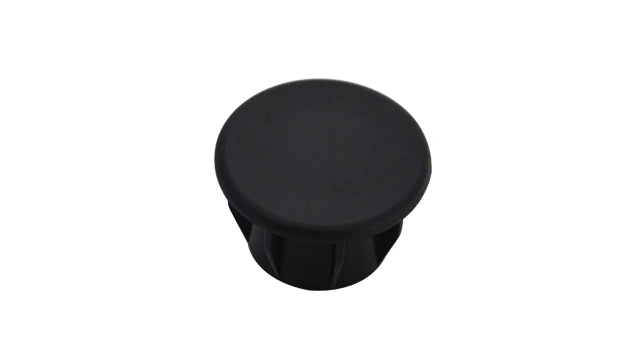
Plastic pipe end cap
Plastic pipe cover, used for 28mm two end cover and protection, to avoid any scratch from sharp metal surface.
In the bustling world of manufacturing, logistics, and construction, pipes are the unsung heroes that keep operations running smoothly. From lean pipe workbenches on factory floors to conveyor systems in warehouses, these cylindrical structures form the backbone of countless industrial setups. But here's the thing: even the sturdiest pipes need protection. Left unguarded, their exposed ends can become breeding grounds for damage, safety hazards, and inefficiencies. That's where pipe end caps step in—and not just any end caps, but plastic ones. In this article, we'll explore why plastic pipe end caps have emerged as a game-changer, outshining traditional protection methods with their cost-effectiveness, durability, and versatility. Whether you're managing a lean pipe assembly line or maintaining a warehouse full of material racks, understanding the value of these small but mighty components could save your team time, money, and headaches.
What Are Plastic Pipe End Caps, Anyway?
Let's start with the basics. Plastic pipe end caps are simple, yet ingenious, devices designed to seal and protect the open ends of pipes. Think of them as the "shoes" for pipes—they cover the toes (or ends) to prevent scrapes, dirt, and damage. Made from materials like PVC, polyethylene (PE), or polypropylene (PP), these caps come in a variety of shapes, sizes, and styles to fit different pipe types, from the lightweight aluminum lean pipe used in workbenches to the heavy-duty stainless steel pipes in industrial machinery.
Most plastic end caps fall into one of three categories: push-fit (slip over the pipe end with a snug fit), threaded (screw onto pipes with male threads), or snap-on (click into place with a locking mechanism). Their primary job? To keep out debris, moisture, and contaminants that could clog or corrode pipes. But they do more than just protect—they also enhance safety by smoothing out sharp edges, reduce noise from rattling pipes, and even improve the overall aesthetics of a setup (no more unsightly open pipe ends on your brand-new workbench!).
Take, for example, the lean pipe systems common in lean manufacturing. These systems use lightweight, modular lean pipe and lean pipe joints to build everything from workbenches to material racks. The ends of these lean pipes, if left uncovered, can easily get dented during assembly or scratch workers during routine tasks. A simple plastic end cap snaps on in seconds, turning a potential hazard into a non-issue. It's these small, practical solutions that make plastic end caps indispensable in busy industrial environments.
The Trouble with Traditional Pipe Protection
Before plastic end caps became widely available, industries relied on a hodgepodge of protection methods—none of which were perfect. Let's take a quick tour of the old guard and their drawbacks:
Metal Caps: Once the go-to for "heavy-duty" protection, metal caps are exactly what they sound like: rigid, often made of steel or aluminum. But here's the catch: they're heavy. Lifting a stack of metal-capped pipes can strain workers' backs, and shipping them adds extra costs due to weight. Worse, metal is prone to rust and corrosion, especially in humid or chemical-rich environments. A rusted cap doesn't just look bad—it can flake off and contaminate the pipe interior, defeating the purpose of protection.
Rubber Plugs: Rubber was once favored for its flexibility, but it's far from ideal. Over time, rubber breaks down when exposed to extreme temperatures (too hot, and it cracks; too cold, and it hardens). Oil, chemicals, and even UV light can degrade it, leading to frequent replacements. And if you've ever tried to remove a rubber plug that's been sitting on a pipe for months, you know the struggle—it often sticks or tears, leaving bits behind that clog the pipe.
Foam Covers: Soft and lightweight, foam covers might seem like a budget-friendly option, but they're about as durable as a tissue in a rainstorm. They tear easily during handling, get crushed under heavy loads, and absorb moisture like a sponge—hello, mold and mildew. In high-traffic areas, foam covers rarely last more than a few weeks before needing to be replaced, turning that "budget-friendly" label into a hidden cost.
The common thread here? Traditional methods are either too expensive, too fragile, or too much of a hassle to install and maintain. For businesses focused on lean management—where efficiency and cost-cutting are priorities—these drawbacks add up fast. That's where plastic pipe end caps enter the picture, offering a solution that checks all the boxes: affordable, tough, and easy to use.

Why Plastic Pipe End Caps Are a Game-Changer
So, what makes plastic pipe end caps so special? Let's break it down into four key advantages that make them a no-brainer for modern industries:
1. Cost-Effectiveness: More Bang for Your Buck
Let's talk numbers. Plastic is cheap to produce—way cheaper than metal or rubber. Manufacturers can mold thousands of plastic end caps in a single batch, driving down per-unit costs. For example, a pack of 50 plastic push-fit caps for 1-inch lean pipe might cost $20, while a comparable set of metal caps could run you $80 or more. Multiply that by the hundreds (or thousands) of pipes in a typical facility, and the savings are staggering.
But the savings don't stop at the purchase price. Plastic caps are lightweight, which means lower shipping costs. A box of 100 metal caps might weigh 20 pounds, but the same quantity of plastic caps could weigh just 5 pounds—cutting transportation expenses by up to 75%. And because they're so easy to install (no tools required—just push or snap into place), workers spend less time fitting them, freeing up hours for more important tasks.
2. Durability: Tough Enough for the Toughest Jobs
Don't let their lightweight nature fool you—plastic end caps are surprisingly tough. Modern plastics like high-density polyethylene (HDPE) or polypropylene are resistant to impact, chemicals, and corrosion. drop a metal cap on concrete, and it might dent; drop a plastic cap, and it'll bounce back without a scratch. Expose it to oil, solvents, or even mild acids, and it won't degrade or leach harmful substances into the pipe.
This durability translates to longer lifespans. A well-made plastic end cap can last 2–3 years in a busy factory, compared to 6–12 months for rubber or foam. For facilities using lean pipe systems—where pipes are frequently reconfigured—this longevity means less time spent replacing caps and more time focused on production.
3. Versatility: One Cap, Many Pipes
Plastic end caps aren't picky—they work with just about any pipe material. Whether you're using aluminum lean pipe for a workbench, stainless steel pipe for food processing, or PVC pipe for water lines, there's a plastic cap designed to fit. They're also available in a wide range of sizes, from tiny 0.5-inch caps for delicate instrumentation pipes to large 4-inch caps for industrial ducts.
Some plastic caps even come with added features, like color-coding (think yellow for hazard pipes, grey for standard use) or vent holes to release pressure. This flexibility makes them ideal for diverse environments, from the clean rooms of electronics manufacturing to the dusty floors of auto repair shops.
4. Safety: No More Sharp Edges
Sharp pipe ends are a silent workplace hazard. A single misstep or brush against an exposed pipe can lead to cuts, scrapes, or even more serious injuries—costing businesses in workers' compensation claims and lost productivity. Plastic end caps eliminate this risk by smoothing out rough edges. Their soft, rounded design acts as a buffer, even if someone bumps into them.
In industries like healthcare or food processing, where hygiene is critical, plastic caps also prevent contamination. By sealing pipe ends, they keep out dust, bacteria, and other pollutants that could compromise products or patient safety. It's a small detail, but one that can make a big difference in meeting regulatory standards.

How Do They Stack Up Against Traditional Methods? Let's Compare
To really see the difference, let's put plastic end caps head-to-head with traditional options. The table below breaks down key factors like cost, durability, and installation time for a 1-inch pipe cap—common in lean pipe systems and workbenches:
| Protection Method | Cost Per Unit | Installation Time | Expected Lifespan | Resistance to Corrosion | Weight (Per Cap) | Reusability |
|---|---|---|---|---|---|---|
| Plastic Pipe End Cap | $0.40 | 5 seconds (push-fit) | 2–3 years | Excellent | 8 grams | Yes (up to 5x) |
| Metal Cap | $1.60 | 30 seconds (tools needed) | 1–2 years (prone to rust) | Poor (if uncoated) | 45 grams | Yes (but heavy to store) |
| Rubber Plug | $0.80 | 10 seconds (tight fit) | 6–12 months | Good (but degrades in chemicals) | 15 grams | No (tears easily) |
| Foam Cover | $0.30 | 15 seconds (slip-on) | 2–4 weeks | Poor (absorbs moisture) | 5 grams | No (easily crushed) |
The numbers speak for themselves. Plastic caps are not only the cheapest upfront but also the most cost-effective over time, thanks to their long lifespan and reusability. They're also the fastest to install, which is a huge win for teams working against tight deadlines.
Real-World Impact: Case Studies from the Field
Still not convinced? Let's look at two real-life examples of businesses that switched to plastic pipe end caps and never looked back.
Case Study 1: Automotive Manufacturing Plant Cuts Costs by 30%
A mid-sized automotive parts manufacturer in Michigan was using metal caps on their lean pipe workbenches and material racks. With over 2,000 pipes in their facility, they were spending $3,200 annually on replacements (metal caps rusted quickly in the humid plant air). Installation took 30 minutes per workbench, and workers often complained about the weight of the caps during assembly.
After switching to plastic push-fit caps, the company saw immediate results. The cost per cap dropped from $1.60 to $0.40, slashing annual spending to $800—a 30% savings. Installation time per workbench fell to 10 minutes, freeing up workers to focus on production. And because the plastic caps were lightweight, assembly teams reported less fatigue. After a year, the plant manager noted, "We haven't had a single cap fail, and the workbenches look cleaner than ever. It's one of those small changes that made a big difference in our bottom line."
Case Study 2: Warehouse Reduces Pipe Damage During Transport
A logistics company in Texas regularly shipped aluminum lean pipe and plastic roller track guide rail (yellow and grey, for easy workflow identification) to customers across the country. Before using plastic end caps, 15% of pipes arrived with dented ends or bent guide rails due to shifting during transit. This led to frequent returns and unhappy clients.
The solution? Plastic end caps. By adding caps to every pipe and guide rail before shipping, the damage rate plummeted to 2%. Customers were thrilled with the improved quality, and the company saved $12,000 annually in return processing and replacement costs. "We used to dread opening shipping boxes because we knew we'd find damaged pipes," said the warehouse manager. "Now, with plastic caps, it's rare to see even a scratch. Our clients trust us more, and that's priceless."
Choosing the Right Plastic End Cap for Your Needs
Not all plastic end caps are created equal. To get the most out of them, you'll need to consider a few key factors:
1. Pipe Type and Size: Measure your pipe's outer diameter (OD) or inner diameter (ID) to ensure a snug fit. Lean pipe, for example, often has a standard OD of 28mm, while aluminum profile pipes might be 40mm. Most manufacturers list cap sizes clearly, so double-check before ordering.
2. Environment: Where will the cap be used? If it's in a chemical plant, choose a chemical-resistant plastic like PP. For outdoor use, UV-stabilized PE caps will prevent fading and cracking. In food-grade settings, look for caps labeled "FDA-compliant."
3. Installation Method: Push-fit caps are best for quick, temporary protection (e.g., during transport). Threaded caps work well for long-term use, as they stay in place even with vibration. Snap-on caps are ideal for pipes that need frequent access (just pop them off and on).
4. Color Coding: Many suppliers offer colored caps (red, blue, yellow, grey) for easy identification. Use yellow caps for hazard pipes, grey for standard use, or red for pipes under pressure—this helps workers stay safe and organized.
The Future of Pipe Protection: Innovations in Plastic Caps
As industries evolve, so do plastic pipe end caps. Manufacturers are constantly innovating to make them even more useful. Here are a few trends to watch:
Biodegradable Options: Eco-conscious companies can now find caps made from plant-based plastics that break down naturally after use, reducing environmental impact.
Smart Caps with RFID Tags: Imagine tracking pipe inventory with the tap of a phone. Some manufacturers are embedding RFID tags in caps, making it easier to monitor pipe location and usage in large facilities.
Custom Designs: Need a cap with a logo or specific dimensions? Advances in 3D printing mean custom plastic caps are more affordable than ever, allowing businesses to brand their equipment or meet unique needs.
Final Thoughts: Small Caps, Big Impact
Plastic pipe end caps might seem like a minor detail, but they're a prime example of how small innovations can drive big change. By replacing heavy, expensive, or fragile traditional protection methods with lightweight, durable plastic caps, businesses can cut costs, boost efficiency, and keep workers safe. Whether you're managing a lean pipe assembly line, shipping plastic roller track guide rail, or maintaining a warehouse full of workbenches, these unassuming caps deserve a spot in your toolkit.
So, the next time you walk past a row of pipes or a lean pipe workbench, take a closer look at the ends. If they're protected by plastic caps, you're looking at a facility that values smart, cost-effective solutions. And if not? Maybe it's time to make the switch. Your bottom line—and your workers—will thank you.