- Company Articles
- Products and Technology
- Product knowledge
- Plastic Pipe End Caps and Hygiene: Critical for Pharmaceutical Manufacturing

Plastic Pipe End Caps and Hygiene: Critical for Pharmaceutical Manufacturing
Related Product
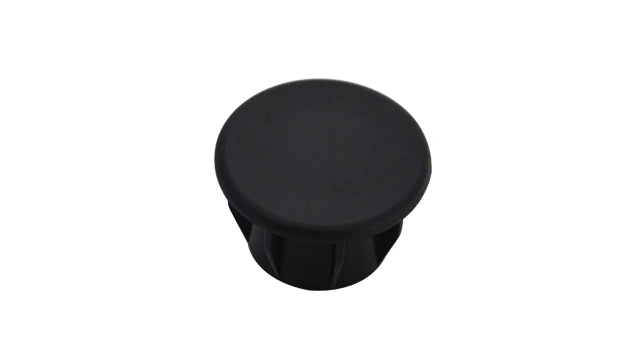
Plastic pipe end cap
Plastic pipe cover, used for 28mm two end cover and protection, to avoid any scratch from sharp metal surface.
In the world of pharmaceutical manufacturing, where the margin for error is nonexistent, every detail matters. From the air filtration systems that purify the workspace to the gloves worn by operators, each component plays a role in safeguarding product integrity. Yet, some of the most critical defenders of hygiene are the smallest and easiest to overlook: plastic pipe end caps. These unassuming components, often used to seal the ends of lean pipe structures, workbenches, and material racks, are silent sentinels in the battle against contamination. In an industry where a single microbial breach can lead to product recalls, patient harm, or regulatory penalties, understanding their role is not just important—it's essential.
The High Stakes of Hygiene in Pharmaceutical Manufacturing
Pharmaceutical manufacturing is governed by a simple but unforgiving principle: what touches the product, or even exists in its vicinity, must be impeccably clean . Unlike consumer goods, where minor defects might affect quality but not safety, pharmaceuticals directly impact human health. A contaminated batch of antibiotics, a vaccine with foreign particles, or a sterile injectable tainted by bacteria can have devastating consequences. This reality is why regulatory bodies like the FDA (U.S. Food and Drug Administration) and EMA (European Medicines Agency) enforce strict Good Manufacturing Practices (GMP) that leave no room for ambiguity.
Hygiene challenges in pharmaceutical facilities are multifaceted. Production areas must maintain controlled environments with low particulate counts and strict microbial limits. Surfaces that come into contact with raw materials, intermediates, or finished products must be non-reactive, easy to clean, and resistant to corrosion from harsh sanitizers. Even indirect contact surfaces—like the frames of workbenches, the rails of material racks, or the supports of conveyor systems—pose risks if they harbor dirt, moisture, or bacteria.
Consider a typical production line: raw materials arrive in drums, are transferred to mixing vessels, processed into tablets or liquids, and then packaged. Along this journey, they interact with countless pieces of equipment, many of which are built using modular structures. These structures, often assembled from lean pipe, aluminum profiles, or stainless steel pipe series, are prized for their flexibility and cost-effectiveness. But their utility comes with a catch: any open ends, joints, or crevices in these structures can become breeding grounds for contaminants. This is where plastic pipe end caps step in.
The Hidden Risks: Why Equipment Components Matter for Hygiene
To understand the importance of plastic pipe end caps, it helps to visualize a common scenario in a pharmaceutical plant: a workbench used for assembling medical device components. The workbench's frame is constructed from lean pipe—lightweight, durable, and easy to reconfigure. Without end caps, the open ends of these pipes are more than just unsightly; they are invitations for trouble.
Imagine (oops, avoid "Imagine..."—rephrase) Consider what happens over time: dust particles drift into the open pipe ends. Moisture from cleaning routines seeps inside, creating a damp environment. Bacteria or mold spores, carried by air or touched by gloved hands, settle in and multiply. When the workbench is moved or vibrated during daily operations, these contaminants can dislodge, falling onto the products or work surface below. Even if the workbench itself is wiped down regularly, the hidden residue inside the pipes remains a persistent risk.
This isn't just a hypothetical threat. In 2019, a major pharmaceutical company recalled over 1 million units of a widely used antibiotic after routine testing detected trace amounts of Burkholderia cepacia , a bacterium linked to infections in immunocompromised patients. The root cause? An investigation traced the contamination to a poorly maintained material rack in the packaging area. The rack, made from stainless steel pipe series, had several open pipe ends that had not been sealed. Over time, water from floor cleaning had pooled inside these pipes, creating a biofilm that harbored the bacteria. When the rack was jostled during a shift change, droplets containing the bacteria were released, landing on nearby product packaging.
This incident underscores a critical point: hygiene in pharmaceutical manufacturing isn't just about the surfaces you can see—it's about the ones you can't. Open pipe ends, loose joints, and unprotected edges in equipment structures are invisible risks that can undermine even the most rigorous cleaning protocols. Plastic pipe end caps address this by sealing off these vulnerable points, turning potential contamination hotspots into smooth, non-porous surfaces that are easy to inspect and clean.

Plastic Pipe End Caps: A Critical Line of Defense
What Are Plastic Pipe End Caps?
Plastic pipe end caps are small, often cylindrical components designed to fit snugly over the open ends of pipes, tubes, or profiles. They are typically made from thermoplastics like polypropylene (PP), polyethylene (PE), or polyvinyl chloride (PVC), chosen for their chemical resistance, durability, and ease of molding. While they come in various sizes and shapes to match different pipe diameters—from 0.5-inch to 2-inch lean pipe—their core function remains the same: to seal, protect, and maintain hygiene.
Beyond Sealing: The Multifaceted Role of Plastic End Caps
At first glance, sealing open pipe ends might seem like a simple task, but in pharmaceutical settings, plastic end caps do more than just plug a hole. Their design and material properties make them uniquely suited to address the industry's hygiene demands:
Smooth, Crevice-Free Surfaces: Unlike metal caps, which may have seams or threads that trap debris, high-quality plastic end caps are injection-molded in one piece, creating a seamless surface. This eliminates crevices where bacteria, dust, or moisture can accumulate—a critical feature for preventing biofilm formation.
Chemical Resistance: Pharmaceutical facilities rely on aggressive sanitizers, including hydrogen peroxide, ethanol, and quaternary ammonium compounds. Plastic end caps are formulated to withstand repeated exposure to these chemicals without degrading, cracking, or leaching harmful substances.
Non-Reactive Properties: Unlike some metals, plastics like PP and PE are inert, meaning they won't react with acids, bases, or organic solvents commonly used in pharmaceutical processes. This ensures that no chemical byproducts from the end caps contaminate the environment or products.
Lightweight and Easy to Install: In lean manufacturing environments, where workbenches and material racks are often reconfigured to adapt to changing production needs, plastic end caps are quick to attach and remove. Their flexibility reduces downtime during adjustments, a key advantage for facilities aiming to balance efficiency and hygiene.

Material Matters: Choosing the Right Plastic for Pharmaceutical Use
Not all plastic pipe end caps are created equal. In pharmaceutical manufacturing, the choice of material is dictated by two primary factors: compliance with regulatory standards and compatibility with the facility's specific operating conditions. Let's break down the most common materials and their suitability:
Polypropylene (PP): The Workhorse of Pharmaceutical Plastics
Polypropylene is the gold standard for many pharmaceutical applications, and for good reason. It is resistant to most acids, alkalis, and organic solvents, making it compatible with standard sanitizing agents. PP is also heat-resistant (up to 120°C), allowing it to withstand steam cleaning—a common practice in sterile manufacturing areas. Additionally, it is lightweight, cost-effective, and easy to mold into precise shapes, ensuring a tight fit on pipe ends. Most importantly, PP is FDA-approved for food and drug contact, meeting the strict criteria of 21 CFR 177.1520.
Polyethylene (PE): For Cold or Moist Environments
High-density polyethylene (HDPE) is another popular choice, valued for its toughness and low moisture absorption. Unlike some plastics, HDPE does not become brittle in cold temperatures, making it ideal for facilities with refrigerated storage or cold rooms. It is also resistant to impact, which is useful in high-traffic areas where equipment might be bumped or moved frequently. While HDPE has a lower melting point than PP (around 110°C), it still holds up well to most sanitizers and is FDA-compliant for indirect food contact.
Polyvinyl Chloride (PVC): When Chemical Resistance is Key
PVC is known for its exceptional resistance to a wide range of chemicals, including strong acids and alkalis. However, its use in pharmaceutical manufacturing is more limited due to concerns about plasticizers—additives that can leach out over time. While "medical-grade" PVC is available (without harmful plasticizers), it is often more expensive than PP or PE and may not be necessary for non-critical applications like pipe end caps. For facilities using highly corrosive sanitizers, though, PVC end caps can be a viable option.
Avoiding Substandard Plastics
Not all plastics labeled "PP" or "PE" are suitable for pharmaceutical use. Low-quality plastics may contain fillers, dyes, or recycled materials that can leach contaminants or degrade when exposed to sanitizers. Reputable suppliers will provide certificates of analysis (CoA) confirming that their plastic pipe end caps meet FDA, USP (United States Pharmacopeia), or EP (European Pharmacopoeia) standards for purity and safety. This documentation is critical for regulatory compliance and should be a non-negotiable part of the procurement process.
Design Features That Elevate Hygiene Standards
Even the right material can fall short if the end cap's design is flawed. In pharmaceutical settings, end cap design must prioritize three goals: preventing contamination ingress, facilitating easy cleaning, and ensuring a secure, long-lasting fit. Here are the key design features to look for:
Smooth, Contourless Surfaces
The surface of a plastic pipe end cap should be completely smooth, with no ridges, grooves, or logos that could trap dirt. Some manufacturers add subtle textures for grip during installation, but these must be minimal—even tiny indentations can harbor bacteria. The best end caps have a "mirror-like" finish, which not only resists contamination but also makes visual inspections easier (any residue or discoloration will stand out).
Precision Fit and Tight Sealing
A loose-fitting end cap is worse than none at all: it can rattle loose, creating gaps where moisture and debris enter, or fall off entirely. High-quality end caps are designed with a slight interference fit—meaning they are slightly larger than the pipe's inner or outer diameter, creating a tight seal when pressed on. Some end caps include a ribbed inner surface or a silicone O-ring to enhance the seal, though O-rings introduce additional components that must also be sanitized and inspected.
Color Coding for Hygiene Zones
Pharmaceutical facilities often divide production areas into zones based on contamination risk (e.g., "non-sterile," "controlled," and "aseptic"). To prevent cross-contamination, tools and equipment specific to one zone should never enter another. Plastic pipe end caps can support this by being color-coded—for example, yellow for non-sterile zones, grey for controlled zones, and blue for aseptic zones. This simple visual cue helps operators quickly identify if a piece of equipment has been misplaced, reducing the risk of accidental contamination.
Tamper-Evident Features
In some cases—such as in facilities handling controlled substances or high-value products—end caps may include tamper-evident features. These could be small tabs that break when the cap is removed, or unique serial numbers that allow traceability. While not strictly a hygiene feature, tamper evidence ensures that end caps are not removed or replaced without authorization, maintaining the integrity of the equipment's contamination barriers.
Comparing Materials: Plastic vs. Stainless Steel End Caps
Stainless steel is often the material of choice for critical surfaces in pharmaceutical manufacturing, thanks to its durability, heat resistance, and ease of cleaning. So why use plastic pipe end caps instead? The answer lies in balancing hygiene needs with practicality, cost, and application-specific requirements. Below is a comparison of plastic and stainless steel end caps across key factors:
| Factor | Plastic Pipe End Caps | Stainless Steel End Caps |
|---|---|---|
| Hygiene | Excellent, with smooth, non-porous surfaces; no risk of corrosion or pitting. | Excellent, but requires polishing to maintain smoothness; prone to pitting if exposed to chloride-based sanitizers. |
| Cost | Low to moderate; typically 50-70% cheaper than stainless steel. | High; stainless steel is more expensive to manufacture and machine. |
| Weight | Lightweight (ideal for mobile equipment like turnover trolleys). | Heavy; adds unnecessary weight to modular structures. |
| Chemical Resistance | High (PP/PE resistant to most sanitizers; PVC for extreme chemicals). | Good, but can corrode with prolonged exposure to acids or chlorides. |
| Heat Resistance | Moderate (PP up to 120°C; PE up to 110°C). | High (can withstand autoclaving at 134°C or higher). |
| Flexibility | Easy to mold into custom shapes; available in multiple colors. | Limited shapes; requires machining; color options are limited (natural silver or painted, which can chip). |
The takeaway? Plastic pipe end caps are generally superior for non-critical, low-heat applications like lean pipe workbenches, material racks, or conveyor frames. They offer comparable hygiene performance at a fraction of the cost and weight of stainless steel. Stainless steel end caps, on the other hand, are better suited for high-temperature environments (like autoclave rooms) or applications where extreme durability is needed (e.g., heavy machinery supports). For most pharmaceutical facilities, though, plastic end caps strike the optimal balance between hygiene, cost, and practicality.
Integration with Lean Systems and Workbenches
Pharmaceutical manufacturing is not just about hygiene—it's also about efficiency. Lean manufacturing principles, which focus on minimizing waste and maximizing value, have become increasingly popular in the industry. Lean systems, built using modular components like lean pipe, aluminum profiles, and workbenches, allow facilities to quickly reconfigure production lines, reduce downtime, and adapt to changing demand. Plastic pipe end caps play a crucial role in making these systems both lean and hygienic.
Supporting Modularity Without Compromising Hygiene
Lean systems thrive on modularity: structures are built by combining standardized components (pipes, joints, casters) that can be easily disassembled and reassembled. This flexibility is a double-edged sword for hygiene, as frequent reconfiguration can disrupt cleaning routines or damage contamination barriers. Plastic pipe end caps mitigate this risk by providing a consistent, easy-to-clean seal regardless of how the structure is modified. When a workbench is reconfigured, the end caps can be quickly removed, the new pipe ends cleaned, and fresh end caps installed—all without specialized tools or extensive downtime.
Reducing Waste Through Longevity
Lean manufacturing emphasizes reducing waste, including waste from unnecessary replacement of parts. High-quality plastic pipe end caps are durable enough to withstand repeated installation and removal, meaning they can be reused when structures are reconfigured. This not only reduces material costs but also minimizes the environmental impact of manufacturing new parts. Additionally, their lightweight nature reduces shipping costs and energy use compared to heavier stainless steel alternatives.
Enhancing Ergonomics and Safety
Workbenches and material racks built with lean pipe are often adjusted to fit the height and reach of individual operators, reducing strain and improving productivity. Plastic end caps contribute to this by eliminating sharp edges on pipe ends, which can cause cuts or snag on gloves or clothing. In a industry where even minor injuries can lead to contamination (e.g., a cut glove exposing skin), this safety benefit indirectly supports hygiene by reducing the risk of operator errors or disruptions.
Regulatory Compliance: Meeting FDA, GMP, and EUGMP Standards
For pharmaceutical manufacturers, regulatory compliance is not optional—it's the foundation of their operations. Plastic pipe end caps, though small, are subject to the same rigorous standards as any other equipment component. Here's what facilities need to know to stay compliant:
FDA Requirements for Food Contact Substances (FCS)
In the United States, the FDA regulates materials that come into contact with food, drugs, or cosmetics under the Food Contact Substances (FCS) program. Plastic pipe end caps used in areas where they might indirectly contact products (e.g., above a workbench where tablets are counted) must comply with 21 CFR 177, which specifies safe levels of extractables and leachables. Manufacturers of plastic end caps should provide a letter of no objection (LONO) from the FDA, confirming that their product meets these requirements.
Good Manufacturing Practices (GMP) for Equipment Design
GMP guidelines, as outlined in ICH Q7 (for active pharmaceutical ingredients) and 21 CFR 211 (for finished pharmaceuticals), require that equipment be "designed, constructed, and placed to facilitate operations for its intended use and for its cleaning and maintenance." This means plastic end caps must be easy to clean (smooth surfaces, no crevices), durable (no flaking or degradation), and compatible with cleaning agents. Facilities must document that their end caps meet these criteria, often through validation studies demonstrating that they can be effectively cleaned and sanitized.
EU GMP Annex 1: A New Focus on Contamination Control
The revised EU GMP Annex 1 (effective 2023) places renewed emphasis on contamination control in sterile manufacturing. It requires that all surfaces in Grade A and B areas (the most critical zones) be "smooth, non-shedding, and non-reactive." While plastic pipe end caps are unlikely to be used in Grade A areas (which require fully enclosed, sterile equipment), they are common in Grade C and D areas. Under Annex 1, facilities must risk-assess all surfaces, including those of equipment frames, and implement controls to prevent contamination. Plastic end caps, with their smooth, non-porous surfaces, are an easy way to address this requirement.
Real-World Impact: Case Studies in Pharmaceutical Plants
Case Study 1: Reducing Contamination in a Vaccine Manufacturing Facility
A leading vaccine manufacturer was struggling with recurring microbial contamination in its filling room. Environmental monitoring swabs consistently detected low levels of Staphylococcus aureus on the frames of the workbenches used to prepare vial trays. The workbenches were constructed from lean pipe with stainless steel end caps, which the facility assumed were hygienic. Further investigation revealed that the stainless steel end caps had developed tiny pits from repeated exposure to peracetic acid sanitizer, creating hiding places for bacteria.
The facility replaced the stainless steel end caps with PP plastic end caps designed for chemical resistance. After three months, environmental monitoring showed a 92% reduction in microbial counts on the workbench frames. The plastic end caps were also easier to inspect visually, and their smooth surfaces allowed for faster cleaning, reducing the time operators spent on sanitization by 15 minutes per shift. The total cost of replacement was recouped within six months through reduced downtime and fewer contamination events.
Case Study 2: Streamlining Cleaning with Color-Coded End Caps
A generic drug manufacturer with multiple production lines was struggling to enforce zone separation. Operators were occasionally moving tools and material racks from non-sterile to controlled zones, risking cross-contamination. The facility decided to implement color-coded plastic pipe end caps: yellow for non-sterile zones, grey for controlled zones, and blue for aseptic zones. All equipment frames were fitted with end caps matching their designated zone.
Within two months, the number of zone-crossing incidents dropped by 85%. Operators reported that the color coding made it "impossible to miss" when equipment was misplaced. Additionally, the facility noticed that cleaning teams were more efficient, as they could quickly identify which equipment required deep cleaning (blue end caps) versus routine sanitization (yellow and grey). The color-coded end caps also simplified audits, as inspectors could visually confirm zone separation without extensive documentation checks.
Maintenance and Best Practices for Long-Term Hygiene
Even the best plastic pipe end caps will fail if not properly maintained. To ensure they continue to protect against contamination, facilities should implement these best practices:
Regular Inspection Schedules
End caps should be inspected during routine GMP walks and cleaning checks. Look for signs of damage (cracks, chips), loosening, or discoloration (which may indicate chemical degradation). Pay special attention to end caps in high-moisture areas (e.g., near sinks or autoclaves) or high-traffic zones (e.g., near doorways or conveyor entrances), as these are more likely to wear out quickly.
Proper Cleaning Protocols
Plastic end caps should be cleaned using the same agents and methods as the rest of the equipment structure. For PP and PE end caps, warm water with a mild detergent is usually sufficient, followed by rinsing with purified water and drying with a lint-free cloth. For heavier soiling, a 70% ethanol solution can be used, but avoid abrasive scrubbers that could scratch the surface. Always check the end cap manufacturer's recommendations for compatible sanitizers.
Timely Replacement
End caps are not permanent. Even high-quality PP end caps will degrade over time, especially with frequent exposure to heat or chemicals. Establish a replacement schedule based on usage—for example, annually for end caps in non-critical zones, and every six months for those in controlled or sterile areas. Keep a stock of spare end caps on hand to avoid delays in replacement.
Future Trends: Innovations in Plastic Pipe End Cap Technology
As pharmaceutical manufacturing evolves, so too will the technology behind plastic pipe end caps. Here are some emerging trends to watch:
Antimicrobial Additives
Manufacturers are developing plastic end caps infused with antimicrobial agents like silver ions or zinc oxide, which inhibit the growth of bacteria on the surface. While these additives are not a substitute for proper cleaning, they can provide an extra layer of protection in high-risk areas. Early studies show that antimicrobial end caps reduce microbial attachment by up to 70% compared to standard plastic end caps.
Smart Sensors for Contamination Detection
Research is underway to integrate tiny, wireless sensors into plastic end caps that can detect moisture, temperature, or microbial growth inside pipes. These sensors would alert operators to potential contamination risks before they lead to product issues. While still in the prototype stage, this technology could revolutionize predictive maintenance in pharmaceutical facilities.
Sustainable Materials
With increasing focus on sustainability, manufacturers are exploring biodegradable or recyclable plastics for end caps. One promising material is polylactic acid (PLA), a biodegradable plastic made from renewable resources like corn starch. While PLA has lower heat resistance than PP, it could be suitable for non-critical, low-temperature applications, reducing the environmental footprint of pharmaceutical manufacturing.
Conclusion: Small Components, Big Impact on Patient Safety
Plastic pipe end caps may not feature in company brochures or headlines, but their role in pharmaceutical manufacturing is irreplaceable. They are the unsung heroes of hygiene, turning potential contamination risks into protected surfaces. By choosing the right materials, prioritizing thoughtful design, and integrating them into lean systems, pharmaceutical facilities can strengthen their contamination control programs, reduce regulatory risk, and ultimately, protect patients.
As the industry continues to advance, with new challenges like emerging pathogens and stricter regulations, the importance of these small components will only grow. So the next time you walk through a pharmaceutical plant, take a moment to notice the plastic pipe end caps—they're not just plugging holes; they're safeguarding lives.