- Company Articles
- Products and Technology
- Product knowledge
- Plastic Pipe End Caps for 3C Assembly: Precision Fit for Electronics Manufacturing

Plastic Pipe End Caps for 3C Assembly: Precision Fit for Electronics Manufacturing
Related Product
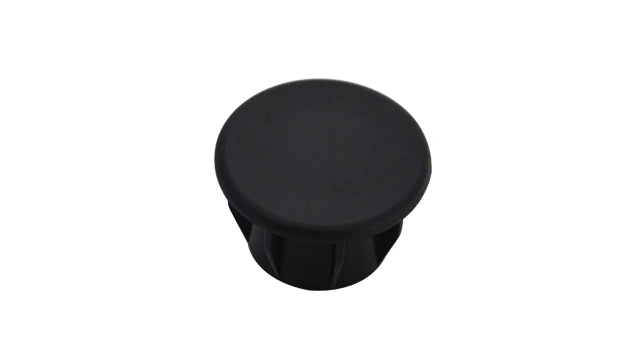
Plastic pipe end cap
Plastic pipe cover, used for 28mm two end cover and protection, to avoid any scratch from sharp metal surface.
In the fast-paced world of 3C manufacturing—where "3C" stands for computers, communication devices, and consumer electronics—precision isn't just a buzzword; it's the backbone of every successful production line. From the tiniest smartphone chip to the sleek frame of a laptop, every component demands meticulous attention to detail. But here's the thing: while most of the focus goes to high-tech machinery and cutting-edge materials, some of the most critical players in the assembly process are the smallest ones. Enter plastic pipe end caps—unassuming, often overlooked, but absolutely essential for keeping 3C assembly lines running smoothly, safely, and efficiently. Let's dive into why these tiny components matter, how they integrate with larger systems like lean pipe workbenches and ESD workstations, and why they're a non-negotiable part of modern electronics manufacturing.
The Backbone of 3C Assembly Lines: Lean Systems and Workbenches
Before we zoom in on plastic pipe end caps, let's set the stage with the bigger picture: the assembly lines themselves. In 3C manufacturing, where product cycles are short and demand is high, flexibility and efficiency are king. That's where lean systems come into play. Lean manufacturing—rooted in minimizing waste and maximizing value—has revolutionized how electronics are built. At the heart of these lean systems are workbenches: customized, modular stations where operators assemble, test, and package components. These aren't your average worktables, though. They're engineered for speed, ergonomics, and adaptability, often built using lean pipe and aluminum profile structures that can be reconfigured in hours, not days.
Imagine a typical smartphone assembly line. Each workstation is tailored to a specific task: attaching screens, soldering circuit boards, installing batteries. The workbenches here need to support heavy equipment, hold tools within easy reach, and adapt when a new model is introduced. Lean pipe—often made of steel or aluminum with a plastic coating—has become the go-to material for building these workbenches. Why? It's lightweight yet strong, easy to cut and connect with joints, and affordable enough to make modularity feasible. Aluminum profiles, too, play a starring role. These extruded metal beams, with their T-slot designs, let manufacturers add shelves, hooks, or conveyor tracks with simple accessories, turning a basic bench into a fully functional assembly hub.
But here's the catch: these lean pipe and aluminum profile structures are only as good as their components. Every tube, joint, and connector needs to work in harmony to keep the system stable and safe. That's where small parts like plastic pipe end caps start to shine. They might not be as flashy as the latest robotic arm, but without them, the entire setup could grind to a halt—or worse, compromise product quality or worker safety.
The Critical Role of ESD Workstations in Sensitive Electronics
3C manufacturing isn't just about putting parts together—it's about protecting them, too. Electronics like microchips, semiconductors, and circuit boards are incredibly sensitive to electrostatic discharge (ESD). A single static shock—something as simple as a worker reaching for a component—can fry a $100 chip in milliseconds, leading to costly defects and production delays. That's why ESD workstations are non-negotiable in 3C plants. These specialized workbenches are designed to dissipate static electricity, keeping sensitive components safe from harm.
ESD workstations typically feature static-dissipative surfaces, grounded frames, and even wrist straps for operators. But their structural integrity is just as important as their ESD properties. Many are built using the same lean pipe and aluminum profile systems as standard workbenches, but with added precautions: conductive materials, anti-static coatings, and components that don't generate static themselves. This is where material choice becomes critical. Metal pipes, for example, are conductive—great for grounding, but their exposed ends could still pose a risk if they come into direct contact with sensitive parts. Plastic, on the other hand, is naturally insulating, making it a safer choice for components that might touch electronics. And that's where plastic pipe end caps enter the ESD equation: by covering the ends of metal pipes or aluminum profiles, they add a layer of insulation, reducing the risk of accidental discharge and keeping workers and components protected.

Aluminum Profiles: The Unsung Heroes of Modular Assembly
Let's take a closer look at aluminum profiles, since they're so integral to modern workbench design. These profiles are more than just metal beams—they're the building blocks of flexibility. An aluminum extrusion profile, with its precision-machined T-slots, allows manufacturers to attach almost any accessory imaginable: from tool holders and LED lights to small conveyors or testing equipment. Need to add a shelf? Slide in a bracket. Want to mount a monitor? Screw in a clamp. This adaptability is a game-changer in 3C manufacturing, where assembly lines are constantly evolving to keep up with new product designs.
But aluminum profiles, like lean pipes, have open ends. These open tubes can collect dust, debris, or moisture over time—all of which are enemies in a clean electronics assembly environment. A speck of dust on a circuit board can cause a short circuit; moisture in a tube could lead to rust, weakening the structure. Worse, sharp, exposed metal edges pose a safety hazard for workers who might brush against them, risking cuts or snags on gloves or clothing. That's where plastic pipe end caps step in. By sealing off the ends of aluminum profiles, they prevent contaminants from entering, protect workers from sharp edges, and even help maintain the profile's structural integrity by adding a small amount of reinforcement to the open end.
Aluminum profile accessories, like brackets and connectors, are designed to work seamlessly with the profiles themselves, but end caps are often an afterthought. That's a mistake. In high-volume 3C plants, where workbenches are used 24/7, even minor issues—like a loose end cap—can lead to bigger problems. A missing cap might let dust into a profile, which then gets shaken loose onto a circuit board. Or a sharp edge could tear a glove, leading to a worker error. It's the small details that add up to reliable, consistent production.

Enter Plastic Pipe End Caps: Small Components, Big Impact
Now, let's focus on the star of the show: plastic pipe end caps. These are exactly what they sound like: small, usually cylindrical caps made of plastic that fit snugly over the open ends of pipes, tubes, or profiles. They come in various sizes, shapes, and materials, but in 3C manufacturing, the most common types are designed for lean pipe (often 28mm or 30mm in diameter) and aluminum profiles (which can range from 20x20mm to 40x80mm or larger). They're typically press-fit—meaning they're pushed onto the pipe end with a firm hand—and some have ridges or notches to ensure a tight seal.
At first glance, their purpose seems simple: cover the end of a pipe. But in reality, they do so much more. Let's break down their key roles in 3C assembly lines:
1. Contamination Control: Electronics manufacturing demands clean environments. Even tiny particles can ruin a product. Open pipe ends act like mini vacuum cleaners, sucking in dust, lint, and metal shavings from the air or nearby machining processes. Plastic end caps seal these openings, keeping the inside of pipes clean and preventing debris from falling out onto work surfaces or components.
2. Worker Safety: Exposed metal ends—whether from lean pipe, aluminum profile, or stainless steel tubing—are sharp. In a busy assembly line, where operators are moving quickly, a brush against an uncovered pipe could lead to cuts, scrapes, or even more serious injuries. Plastic end caps soften these edges, turning a hazard into a smooth, safe surface.
3. Structural Integrity: While pipes and profiles are strong, their open ends are vulnerable to damage. Dropping a tool on an exposed aluminum profile end, for example, could dent or bend it, making it harder to connect joints or accessories. End caps act as a buffer, absorbing impact and protecting the pipe's structural integrity.
4. ESD Compatibility: In ESD workstations, even plastic components need to be carefully chosen. Some plastic end caps are made with conductive additives, which help dissipate static electricity and prevent charge buildup. This is crucial when the caps are used on grounded lean pipe or aluminum profile frames, ensuring the entire workstation remains ESD-safe.
5. Aesthetics and Branding: Okay, this one is less critical, but still worth noting. Many 3C manufacturers use color-coded workbenches to organize tasks (e.g., red for testing, blue for assembly). Plastic end caps can be custom-colored to match these schemes, making lines look more professional and helping operators quickly identify workstations. Some even have company logos molded into them—small touches that reinforce brand consistency.
Material Matters: Why Plastic is the Go-To for End Caps in 3C
You might be wondering: why plastic? Why not metal, rubber, or another material? In 3C manufacturing, the choice comes down to three factors: ESD safety, durability, and cost. Let's break it down:
ESD Safety: As we've discussed, static is the enemy. Metal end caps would conduct electricity, which could be good for grounding—but if they're not properly connected to the workstation's ground system, they could actually create static hotspots. Rubber is insulating, but it's often porous, trapping dust and moisture. Plastic, especially when formulated with anti-static additives, strikes the perfect balance: it's insulating enough to prevent unwanted discharge but can be made conductive if needed. Plus, it doesn't generate static when rubbed against other materials (unlike some rubbers), which is a huge plus in cleanrooms.
Durability: 3C assembly lines are tough environments. Workbenches are bumped, tools are dropped, and cleaning chemicals are used regularly. Plastic end caps need to withstand all of this. The most common plastics used are polypropylene (PP) and polyethylene (PE), both of which are resistant to chemicals, impact, and temperature fluctuations (important, since some assembly lines use heat-curing adhesives or cold storage for components). They're also lightweight, so they don't add unnecessary bulk to the workstation.
Cost: In high-volume manufacturing, every penny counts. Plastic is far cheaper than metal or rubber, especially when produced in bulk. This makes it feasible to replace end caps if they get damaged—no need to wait for custom metal parts or expensive rubber molds. Plus, plastic is easy to mold into precise shapes, so manufacturers can create end caps that fit specific pipe sizes perfectly, reducing waste and ensuring a consistent seal.
| Material | ESD Compatibility | Durability | Cost | Best For |
|---|---|---|---|---|
| Plastic (PP/PE) | Excellent (with additives) | High (resistant to impact, chemicals) | Low | General 3C assembly lines, ESD workstations, lean pipe workbenches |
| Metal (Steel/Aluminum) | Poor (conductive, risk of static discharge) | Very High | High | Heavy-duty industrial use (not ideal for electronics) |
| Rubber | Good (insulating) | Medium (can degrade with chemicals/heat) | Medium | Low-impact, non-industrial settings |
Precision Fit: How End Caps Enhance Assembly Line Efficiency
In 3C manufacturing, "close enough" isn't good enough. A pipe end cap that's too loose will fall off, leaving the pipe exposed. One that's too tight might crack when installed, or damage the pipe's coating when removed. That's why precision fit is non-negotiable. End cap manufacturers design their products to match standard pipe and profile sizes exactly—often with tolerances of +/- 0.1mm. For example, a 28mm lean pipe end cap will have an inner diameter of 28.2mm, just enough to slide on but not so loose that it wiggles.
This precision has a ripple effect on assembly line efficiency. A tight, consistent fit means end caps stay in place, reducing the need for replacements. Workers don't have to stop and reattach caps, and there's less risk of debris entering pipes. It also makes reconfiguring workbenches easier. When a lean pipe workbench is disassembled to make room for a new line layout, the end caps can be removed and reused on the new setup, saving on material costs. Even better, because they're press-fit, there's no need for tools—operators can install them in seconds, keeping changeover times to a minimum.
Another hidden benefit of precision-fit end caps is noise reduction. In a busy 3C plant, the constant hum of machinery, clatter of tools, and chatter of workers can be overwhelming. Loose end caps, rattling against pipes as the bench vibrates, add to this noise. A snugly fitted cap dampens that vibration, making the workspace quieter and less stressful for operators. And when workers are less distracted, they're more focused—leading to fewer errors and higher productivity.
Real-World Applications: Case Studies in 3C Manufacturing
To really understand the impact of plastic pipe end caps, let's look at a real-world example. Take a major laptop manufacturer with a production line in Southeast Asia. A few years ago, they were struggling with a recurring issue: small scratches on laptop screens during assembly. The root cause? After investigating, engineers found that dust and metal shavings were falling from the open ends of aluminum profile shelves above the workstations. These contaminants would land on the screens, and when operators applied protective films, the particles would scratch the glass. The solution? Installing plastic end caps on all exposed aluminum profile ends. Within a month, scratch defects dropped by 35%. It was a simple fix, but it saved the company thousands of dollars in rework and scrap.
Another example: a smartphone plant using ESD workstations built with lean pipe. Workers were complaining about gloves tearing on sharp pipe ends, leading to frequent glove changes and occasional nicks. The plant switched to plastic end caps with rounded edges, and within a week, glove usage dropped by 20%, and worker satisfaction scores improved. Plus, with fewer glove tears, there were fewer instances of static discharge (since torn gloves compromise ESD protection), leading to a 15% reduction in ESD-related component failures.
These case studies highlight a common theme: plastic pipe end caps aren't just about covering pipes—they're about solving real, everyday problems in 3C manufacturing. They reduce defects, improve safety, and make workers' lives easier. And in an industry where margins are tight and competition is fierce, those small improvements add up to a big competitive advantage.
Overcoming Challenges: Choosing the Right End Caps for Your Line
While plastic pipe end caps are relatively simple, choosing the right ones for your 3C assembly line requires some thought. Here are a few key factors to consider:
Pipe/Profile Size: Start by measuring your pipes or profiles. Lean pipe typically comes in standard diameters (28mm, 30mm), while aluminum profiles have square or rectangular cross-sections (e.g., 20x20mm, 40x40mm). Match the end cap size to your pipe size exactly—don't guess. A mismatched cap will fail.
Material Type: For ESD workstations, opt for anti-static plastic (look for surface resistance ratings of 10^6 to 10^9 ohms). For general use, standard PP or PE works fine. If your line uses harsh chemicals (like cleaning solvents), check that the end cap material is resistant to them.
Environment: Consider temperature extremes. If your assembly line has heat-curing stations, make sure the end caps can withstand 60°C+ temperatures without warping. In cold storage areas, avoid brittle plastics that might crack.
Installation Method: Most end caps are press-fit, but some have adhesive backings for extra security. Adhesive caps are great for permanent setups, but press-fit are better for modular workbenches that get reconfigured often.
Supplier Reliability: Finally, work with a reputable supplier. In 3C manufacturing, stockouts can shut down lines. Choose a supplier with a track record of on-time deliveries and consistent quality. Many lean pipe and aluminum profile suppliers also carry end caps, making it easy to source everything from one place.
Future Trends: Innovations in Plastic Pipe End Caps and Assembly Systems
As 3C manufacturing evolves, so too will the components that keep it running. What does the future hold for plastic pipe end caps? Here are a few trends to watch:
Smart End Caps: Imagine end caps with built-in RFID tags or sensors that track when they're installed, removed, or damaged. This could help with inventory management and predictive maintenance—alerting managers when caps need replacement before they fail.
Eco-Friendly Materials: With sustainability becoming a priority in manufacturing, we'll see more end caps made from recycled or biodegradable plastics. Some companies are already experimenting with plant-based polymers that offer the same durability as traditional plastics but with a lower environmental footprint.
Integrated Design: As aluminum profiles and lean pipe systems become more advanced, end caps might start incorporating additional features—like built-in cable clips, tool hooks, or even small LED lights to illuminate work surfaces. The goal is to make the end cap do more than just cover a pipe; it becomes a functional part of the workstation.
Customization: With 3D printing becoming more accessible, manufacturers might start offering custom end caps tailored to unique pipe sizes or shapes. This could be a game-changer for specialized 3C products, like VR headsets or wearable tech, which often have non-standard assembly line setups.
Conclusion: Small Parts, Big Dreams in 3C Manufacturing
In the world of 3C manufacturing, where innovation is constant and precision is everything, it's easy to overlook the small stuff. But as we've explored, plastic pipe end caps are a testament to how even the tiniest components can have a huge impact. They protect sensitive electronics from dust and static, keep workers safe from sharp edges, and ensure lean pipe workbenches and ESD workstations remain flexible and efficient. They're the unsung heroes that let manufacturers focus on what they do best: building the next generation of computers, phones, and gadgets that connect the world.
So the next time you pick up a smartphone or power on a laptop, take a moment to appreciate the assembly line that brought it to life. Behind the sleek design and cutting-edge tech, there's a network of lean systems, aluminum profiles, and yes—plastic pipe end caps—working together to make it all possible. In 3C manufacturing, success isn't just about the big ideas; it's about the small details. And when it comes to small details, plastic pipe end caps are proof that great things really do come in small packages.