- Company Articles
- Products and Technology
- Product knowledge
- Plastic Pipe End Caps for Flexible Production Lines: Adapting to Changing Needs

Plastic Pipe End Caps for Flexible Production Lines: Adapting to Changing Needs
Related Product
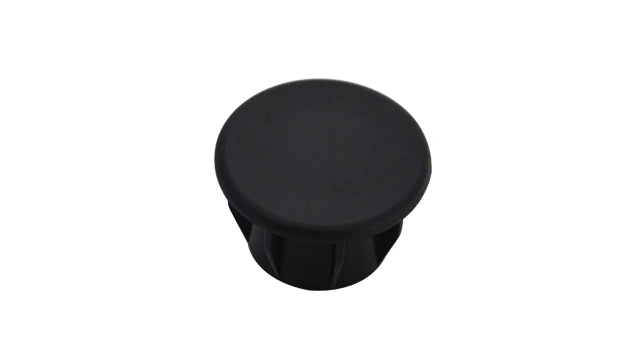
Plastic pipe end cap
Plastic pipe cover, used for 28mm two end cover and protection, to avoid any scratch from sharp metal surface.
The Shift to Flexible Production Lines: Why Agility Matters More Than Ever
In today's manufacturing landscape, the only constant is change. Consumer demands shift overnight, product lifecycles shrink from years to months, and competitors launch new innovations at a breakneck pace. For factories and production facilities, this means one thing: rigidity is the enemy. The days of fixed, one-size-fits-all assembly lines are fading; instead, the industry is racing toward flexible production systems that can pivot quickly, reduce waste, and keep up with the chaos of modern markets.
At the heart of this shift lies the concept of lean systems —a philosophy built on eliminating waste, streamlining processes, and prioritizing value for the customer. But lean systems aren't just about big-picture strategies like workflow optimization or inventory reduction. They rely on the nuts and bolts (quite literally) of production infrastructure: the tools, workstations, and material handling equipment that form the backbone of daily operations. And among these, there's a small but mighty component that often goes unnoticed: the plastic pipe end cap.
You might not think much about a simple cap that fits over the end of a pipe, but in the world of lean manufacturing, these unassuming parts play a critical role. They protect workers, secure equipment, and ensure that lean pipe structures—like workbenches, racks, and conveyors—hold up to the demands of constant reconfiguration. In short, they're the quiet enablers of flexibility, turning rigid metal or aluminum frameworks into adaptable, long-lasting assets that grow with your business.
Understanding Lean Systems: Beyond Buzzwords, Toward Tangible Solutions
Before diving into the specifics of plastic pipe end caps, let's take a step back to understand what a lean system really entails. At its core, lean is about creating more value with less work. It originated in the automotive industry (think Toyota Production System) but has since spread to almost every manufacturing sector, from electronics to food processing. The goal? Minimize "muda" (waste) in all its forms—whether that's excess inventory, unnecessary movement, or downtime due to inefficient equipment.
To achieve this, lean systems depend on physical infrastructure that's modular, durable, and easy to reconfigure. Enter lean pipe : a lightweight, versatile tubing material (often made of steel, aluminum, or plastic) that can be combined with joints, brackets, and accessories to build custom workbenches, flow racks, and conveyors. Unlike traditional fixed structures, lean pipe setups can be disassembled, modified, or repurposed in hours, not weeks—making them ideal for facilities that need to switch between product lines or scale operations quickly.
But here's the thing: a lean pipe structure is only as strong as its weakest link. A loose joint, a bent pipe, or an unprotected end can turn a streamlined workstation into a safety hazard or a source of inefficiency. That's where plastic pipe end caps come in. They're the finishing touch that ensures your lean pipe setup isn't just functional, but reliable, safe, and built to last.

Plastic Pipe End Caps: The Unsung Heroes of Lean Pipe Setups
So, what exactly is a plastic pipe end cap ? Put simply, it's a small, usually cylindrical component designed to fit snugly over the open end of a lean pipe. At first glance, it might seem like a trivial addition—after all, isn't the pipe itself the important part? But anyone who's worked on a factory floor knows better. Let's break down why these caps matter:
Safety First: No More Sharp Edges
Raw lean pipe ends, especially those made of metal or aluminum, can be sharp. Imagine a worker rushing to adjust a lean pipe workbench or load materials onto a flow rack—one misstep, and they could scrape their arm or snag their clothing on an exposed pipe end. Plastic end caps eliminate this risk by softening the edges, turning a potential hazard into a smooth, safe surface. In high-traffic areas, this isn't just a convenience; it's a critical safety measure that reduces workplace injuries and keeps operations running smoothly.
Debris and Dust: Keeping Pipes (and Products) Clean
Open pipe ends are magnets for dust, dirt, and small debris. Over time, these particles can build up inside the pipe, weakening its structure or causing jams when the pipe is part of a moving system (like a conveyor). Plastic end caps seal off the pipe, preventing contaminants from getting in. This is especially important in industries like electronics manufacturing, where even a speck of dust can ruin a circuit board, or food processing, where cleanliness is regulated by strict health standards.
Durability: Protecting Pipes from Wear and Tear
Lean pipes are built to be tough, but they're not indestructible. When pipes are moved, stacked, or reconfigured, their ends can bang against walls, floors, or other equipment—leading to dents, scratches, or even cracks. A plastic end cap acts as a buffer, absorbing impact and shielding the pipe from damage. This extends the lifespan of your lean pipe setup, reducing the need for costly replacements and keeping your lean system efficient for longer.
Aesthetics and Professionalism: Small Details, Big Impressions
While functionality is key, there's something to be said for a clean, polished workspace. Exposed pipe ends can make a lean setup look unfinished or haphazard, which might not matter to the machines, but can affect employee morale and client perceptions. Plastic end caps give your workbenches, flow racks, and conveyors a neat, professional appearance—subtly reinforcing that your facility cares about quality, even in the smallest details.

Why Plastic? Comparing Materials for Pipe End Caps
Plastic isn't the only material used for pipe end caps—you'll also find metal, rubber, and even wood options on the market. So why has plastic become the go-to choice for lean systems? Let's weigh the pros and cons:
Plastic vs. Metal: Lightweight and Corrosion-Resistant
Metal end caps (often steel or aluminum) are strong, but they come with downsides. They're heavier, which adds unnecessary weight to lean pipe structures—making them harder to move or reconfigure. They're also prone to rust and corrosion, especially in humid environments or facilities that use water-based cleaning solutions. Plastic, on the other hand, is lightweight, rust-proof, and resistant to most chemicals, making it ideal for both indoor and outdoor use.
Plastic vs. Rubber: Durability Without the Cost
Rubber end caps are soft and flexible, which can be great for absorbing impact, but they're not as durable as plastic. Over time, rubber can crack, degrade under UV light, or become brittle in extreme temperatures. Plastic end caps, particularly those made from high-density polyethylene (HDPE) or polypropylene (PP), stand up to heat, cold, and sunlight far better—all at a lower cost than rubber alternatives.
Plastic vs. Wood: Low Maintenance and Consistency
Wooden end caps might seem eco-friendly, but they're a poor fit for industrial settings. They absorb moisture, warp over time, and can harbor bacteria or pests—hardly ideal for clean manufacturing environments. Plastic end caps require zero maintenance: no painting, no sealing, no replacement due to rot. Plus, they're produced to consistent sizes and shapes, ensuring a snug fit every time—something wood (with its natural variations) can't always guarantee.
In short, plastic strikes the perfect balance for lean systems: it's affordable, durable, lightweight, and easy to work with. It checks all the boxes for a component that needs to keep up with the demands of flexible production.
Types of Plastic Pipe End Caps: Finding the Right Fit for Your Needs
Not all plastic pipe end caps are created equal. Just as lean systems come in all shapes and sizes, so do the caps that protect them. Let's explore the most common types and when to use them:
Standard Push-Fit Caps: Simple, Reliable, and Ready to Go
The most basic (and most popular) type of plastic pipe end cap is the push-fit design. As the name suggests, these caps simply slide over the end of the pipe and stay in place via friction. They're easy to install—no tools, no adhesives, no hassle—and just as easy to remove if you need to reconfigure your setup. Push-fit caps are ideal for standard lean pipe workbenches , material racks, and other static or low-movement structures where a secure, temporary seal is all you need.
Threaded Caps: For a Permanent, Leak-Proof Seal
For applications where you need a tighter, more permanent seal—like pipes used in fluid handling or environments with high vibration—threaded plastic end caps are the way to go. These caps have internal threads that match the external threads of the pipe, allowing them to screw on securely. They're commonly used in conveyors that transport liquids or in outdoor setups where rain or moisture could seep into the pipe. While they take a bit more time to install than push-fit caps, their leak-proof design makes them worth the effort in high-stakes scenarios.
ESD-Safe Caps: Protecting Sensitive Electronics
In electronics manufacturing, static electricity is a silent killer. A single electrostatic discharge (ESD) can fry delicate components, ruining products and costing thousands of dollars. That's why many lean pipe workbenches and flow racks in this industry are built with ESD-safe materials—and that includes end caps. ESD-safe plastic end caps are made with conductive additives that dissipate static charges, preventing them from building up and damaging sensitive parts. If your facility produces circuit boards, semiconductors, or medical devices, these caps aren't optional—they're a necessity.
High-Temperature Caps: Withstanding the Heat
Not all production environments are room temperature. Factories that handle hot materials (like automotive paint shops or plastic molding facilities) need end caps that can stand up to extreme heat without melting, warping, or releasing toxic fumes. High-temperature plastic end caps are typically made from materials like polyether ether ketone (PEEK) or polyphenylene sulfide (PPS), which can withstand temperatures up to 500°F (260°C). They're more expensive than standard caps, but in high-heat settings, they're the only option that won't fail.
Comparison of Plastic Pipe End Cap Types
| Type | Material | Best For | Key Feature | Price Point |
|---|---|---|---|---|
| Push-Fit | Polyethylene (PE) | Standard lean pipe workbenches, material racks | Tool-free installation, easy removal | Budget |
| Threaded | Polypropylene (PP) | Conveyors, fluid-handling systems, high-vibration areas | Leak-proof, permanent seal | Mid-Range |
| ESD-Safe | Conductive PE/PVC | Electronics manufacturing, sensitive component handling | Dissipates static electricity | Premium |
| High-Temperature | PEEK/PPS | Hot material handling, paint shops, molding facilities | Withstands up to 500°F (260°C) | Premium |
Applications in Action: Where Plastic Pipe End Caps Make a Difference
To truly understand the value of plastic pipe end caps, let's look at how they're used in real-world lean systems. From the factory floor to the warehouse, these caps play a role in almost every aspect of material handling and production.
Lean Pipe Workbenches: Keeping Workers Comfortable and Safe
The lean pipe workbench is the workhorse of the production line. It's where assembly happens, tools are stored, and workers spend most of their shifts. An exposed pipe end on a workbench isn't just a safety risk—it's a distraction. A worker focusing on avoiding a sharp edge is a worker not focusing on quality or efficiency. Plastic end caps eliminate this distraction by creating a smooth, comfortable surface. They also prevent dust and debris from collecting inside the pipes, which means less time spent cleaning and more time spent producing.
Flow Racks: Ensuring Smooth Material Flow
Flow racks are designed to keep materials moving—whether it's components for assembly or finished products ready for shipping. These racks use gravity to slide items from the back to the front, reducing the need for manual lifting and speeding up access. But for this to work, the racks must be free of obstructions. A loose pipe end or a dented cap could catch on a box or package, causing jams and slowing down the flow. Plastic end caps, with their smooth, consistent shape, ensure that materials glide freely, keeping the entire line moving at peak efficiency.
Conveyors: Reducing Wear and Tear on Moving Parts
Conveyors are the arteries of a production facility, transporting materials between stations 24/7. Over time, the constant motion can take a toll on equipment—including the lean pipes that support conveyor belts or roller tracks. Exposed pipe ends can rub against other components, causing friction, noise, and premature wear. Plastic end caps act as a buffer, reducing friction and protecting both the pipe and the conveyor system from damage. In busy facilities, this translates to less downtime for repairs and longer equipment lifespans.
Turnover Trolleys: Making Material Handling Easier (and Safer)
Turnover trolleys are essential for moving heavy loads around the factory. But a trolley with exposed pipe ends is a hazard waiting to happen—especially when navigating tight spaces or crowded aisles. A plastic end cap can prevent the trolley from scratching walls, damaging equipment, or injuring workers if it bumps into someone. Plus, since trolleys are often moved frequently, the lightweight nature of plastic caps helps keep the overall weight down, making the trolley easier to push and maneuver.
Choosing the Right Plastic Pipe End Cap: A Buyer's Guide
With so many types and options available, how do you choose the right plastic pipe end cap for your needs? Here's a step-by-step guide to help you make the best decision:
Step 1: Know Your Pipe Size and Material
First things first: measure your lean pipe. End caps come in standard sizes (often 16mm, 28mm, or 40mm in diameter), but sizes can vary by manufacturer. A cap that's too small won't fit; one that's too large will fall off. You should also consider the pipe material—aluminum pipes may have slightly different tolerances than steel or plastic pipes, so check the manufacturer's specifications to ensure a snug fit.
Step 2: Assess Your Environment
Where will the cap be used? Indoors or outdoors? In a dry, climate-controlled area or a humid, dusty warehouse? If you're working with electronics, ESD-safe caps are a must. If the area is prone to moisture or chemicals, look for caps made from corrosion-resistant materials like HDPE. For high-temperature environments, opt for heat-resistant PEEK or PPS caps. The more you know about the conditions, the better you can match the cap to the job.
Step 3: Consider Movement and Vibration
Is the structure static (like a fixed workbench) or does it move (like a trolley or conveyor)? For static setups, push-fit caps are usually sufficient. For moving or high-vibration systems, threaded caps will stay in place better. If you're unsure, err on the side of a tighter seal—better to have a cap that's slightly harder to remove than one that falls off mid-operation.
Step 4: Think About Longevity and Cost
Plastic pipe end caps are affordable, but that doesn't mean you should skimp on quality. A cheap cap might save you a few cents today, but if it cracks or falls off in a month, you'll end up replacing it—and losing time and money in the process. Look for caps from reputable lean pipe suppliers who use high-quality materials and offer consistent sizing. In the long run, investing in a durable cap will pay off.
Future Trends: What's Next for Plastic Pipe End Caps and Lean Systems?
As lean systems continue to evolve, so too will the components that power them. Here are a few trends to watch for in the world of plastic pipe end caps:
Sustainability: Eco-Friendly Materials Take Center Stage
The manufacturing industry is under increasing pressure to reduce its environmental footprint, and plastic components are no exception. In response, suppliers are developing plastic pipe end caps made from recycled materials or biodegradable plastics. These caps offer the same durability and functionality as traditional options but with a lower carbon footprint. For facilities aiming for LEED certification or looking to align with corporate sustainability goals, eco-friendly caps will soon become the standard.
Smart Caps: Adding Intelligence to Lean Systems
Industry 4.0 is transforming factories into smart, connected ecosystems—and even small components like end caps are getting an upgrade. Imagine a plastic end cap embedded with a tiny sensor that monitors temperature, vibration, or structural stress. If a pipe starts to weaken or a joint loosens, the sensor could send an alert to maintenance teams, allowing them to fix the problem before it causes downtime. While still in the early stages, smart caps have the potential to turn reactive maintenance into proactive prevention.
Customization: Tailored Solutions for Unique Needs
As production lines become more specialized, the demand for custom lean system components is growing. Suppliers are now offering plastic pipe end caps in custom colors, sizes, and shapes to match brand aesthetics or fit unique pipe designs. For example, a food processing facility might request caps in a specific shade of blue to comply with safety regulations, while a pharmaceutical company could order caps with a special antimicrobial coating. The era of one-size-fits-all components is giving way to personalized solutions that meet the unique needs of each facility.
Conclusion: Small Parts, Big Impact
In the grand scheme of manufacturing, plastic pipe end caps might seem insignificant. They're small, inexpensive, and easy to overlook. But as we've explored, they play a critical role in making lean systems work. They keep workers safe, protect equipment from damage, and ensure that lean pipe setups remain flexible, efficient, and ready to adapt to changing needs.
Whether you're building a new lean pipe workbench , upgrading a flow rack , or revamping your entire production line, don't underestimate the power of a well-chosen end cap. It's a small investment that yields big returns: fewer injuries, less downtime, lower maintenance costs, and a production system that can keep up with the demands of modern manufacturing.
So the next time you walk through your facility, take a moment to look at the lean pipe structures around you. Chances are, there's a plastic end cap quietly doing its job—keeping things running smoothly, one pipe at a time. And in the world of lean manufacturing, that's more than enough to make it a hero.