- Company Articles
- Products and Technology
- Product knowledge
- Plastic Pipe End Caps for Lean Management Accessories: Supporting Efficient Workflows

Plastic Pipe End Caps for Lean Management Accessories: Supporting Efficient Workflows
Related Product
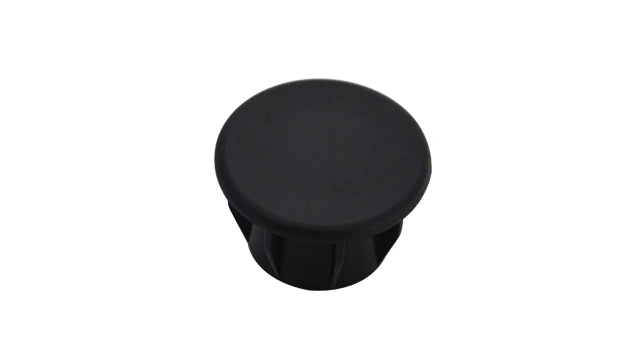
Plastic pipe end cap
Plastic pipe cover, used for 28mm two end cover and protection, to avoid any scratch from sharp metal surface.
Walk into any well-oiled manufacturing facility, and you'll notice the rhythm immediately—the steady hum of conveyor belts, the precise movement of materials on flow racks, the focused energy of workers at lean pipe workbenches. Every element, from the largest machinery to the smallest component, plays a role in keeping that rhythm uninterrupted. But if you look closer, you might spot an unsung hero: the plastic pipe end cap. Small, unassuming, and often overlooked, these caps are the quiet guardians of efficiency, turning chaotic potential snags into seamless workflows. In the world of lean management, where waste reduction and continuous improvement are king, even the tiniest details matter. Let's dive into how plastic pipe end caps, paired with accessories like plastic roller track guide rails, become the backbone of efficient operations.
What Are Plastic Pipe End Caps, Anyway?
At their core, plastic pipe end caps are simple: they're protective covers designed to fit snugly over the open ends of pipes—whether those pipes are part of a lean pipe workbench, a flow rack, or a conveyor system. But simplicity doesn't mean insignificance. These caps are typically made from durable plastics like polyethylene (PE) or polypropylene (PP), chosen for their resistance to impact, chemicals, and wear. They come in a range of sizes to match common pipe diameters—from 0.5 inch for smaller aluminum guide rails to 1 inch for sturdier steel roller tracks—and styles, including snap-on, push-fit, or threaded designs, depending on the pipe material and application.
You might also notice they come in colors—bright yellows, neutral greys, or even ESD-safe black. That's no accident. Colors like yellow (think plastic roller track guide rail yellow ) aren't just for visibility; they help with visual management, a cornerstone of lean systems. A yellow end cap on a high-traffic flow rack, for example, can signal "handle with care" or mark a specific workflow path, reducing confusion and keeping operations on track.
Why Lean Systems Can't Afford to Overlook Them
Lean management is all about eliminating waste—whether that's wasted time, materials, or effort. Every inefficiency, no matter how small, adds up. A loose pipe end might seem trivial, but over weeks and months, it can lead to big problems: sharp edges that snag gloves or materials, debris clogging pipe interiors, or even corrosion from moisture seeping in. These issues don't just slow down work—they create safety hazards, increase maintenance costs, and chip away at the "continuous improvement" promise of lean systems.
Plastic pipe end caps tackle these problems head-on. By sealing pipe ends, they prevent dust, liquids, and debris from entering, which means less corrosion, fewer repairs, and longer-lasting equipment. They also smooth out rough edges, turning potential safety risks into harmless, finished surfaces. In short, they're the first line of defense in keeping your lean system running like clockwork—so your team can focus on building products, not fixing preventable issues.

Supporting Lean Pipe Workbenches: The Heart of the Workshop
A lean pipe workbench isn't just a table—it's a command center. It's where assembly happens, tools are organized, and workers spend hours focused on precision tasks. The structure of these workbenches often relies on aluminum or steel pipes connected by joints, creating a sturdy, customizable frame. But without end caps, those pipes are incomplete.
Imagine a workbench where the vertical pipes have exposed ends. Over time, those ends might get dented when tools are set down too hard, or they might scratch the surface of delicate components being assembled. Worse, a sharp edge could catch on a worker's sleeve, causing a momentary pause—or worse, a cut. These are the kinds of "micro-wastes" that lean management aims to eliminate: small disruptions that add up to lost productivity.
Plastic end caps solve this by finishing the workbench's frame. They create a clean, smooth edge that protects both workers and materials. Take the workbench E (single deck-without caster) , a common model in many facilities. Its pipe frame, when capped, becomes not just functional but user-friendly. Workers don't have to worry about snags or scratches, and the workbench itself stays in better shape longer, reducing the need for replacements. It's a small change, but it transforms the workbench from a basic structure into a tool that actively supports efficiency.

Enhancing Flow Racks: Keeping Materials Moving
Flow racks are the arteries of a lean facility, using gravity and roller tracks to move materials from storage to production lines with minimal effort. A well-designed flow rack feels almost magical: boxes glide smoothly, one after another, right to where they're needed. But that magic relies on precision—specifically, the alignment of roller tracks and the structural integrity of the rack's frame.
Many flow racks, like the material rack B (3 row and 3 floor) , use pipes to support the roller tracks. These pipes need to stay straight and stable; even a slight bend or deformation can misalign the rollers, causing materials to jam. When a jam happens, a worker has to stop what they're doing, clear the blockage, and restart the flow—wasting valuable time.
Plastic pipe end caps play a critical role here by reinforcing the rack's structure. They prevent the pipe ends from crushing under the weight of stacked materials, ensuring the frame stays rigid. This stability is especially important for racks with multiple levels, where misalignment in one row can throw off the entire system. Additionally, end caps work hand-in-hand with plastic roller track guide rail yellow or grey, which keep rollers aligned. The caps ensure the pipes supporting these guide rails don't shift, creating a seamless path for materials.
Consider a facility that switched to using end caps on their flow racks. Before, they'd experience 2-3 jams per day on their busiest racks. After capping the pipes, jams dropped to once a week—saving hours of downtime each month. That's the power of attention to detail in lean systems.
Complementing Conveyors: The Backbone of Continuous Flow
Conveyors are the workhorses of production lines, moving products from one station to the next with relentless consistency. Whether it's a roller conveyor or a belt conveyor, their frames often include pipes that support the moving parts. These pipes are under constant stress—vibrating as materials pass by, supporting heavy loads, and enduring the wear and tear of daily operation.
Exposed pipe ends on conveyors can lead to two major issues: corrosion and vibration damage. Over time, moisture or dust can enter the pipes, causing internal rust that weakens the structure. Vibration, meanwhile, can cause the ends to rub against adjacent components, wearing them down. Both problems lead to breakdowns, which are costly in terms of repair time and lost production.
Plastic end caps seal the pipes, keeping out moisture and dust. They also act as a buffer against vibration, reducing friction between pipes and other parts. For example, the 40 steel roller track yellow wheel conveyor, a popular model for heavy-duty applications, relies on steel pipes for support. When capped, these pipes stay corrosion-free, and the conveyor runs quieter and more smoothly. Workers no longer have to pause to tighten loose joints or clean out debris—they can focus on monitoring the flow of products, ensuring quality control.
Choosing the Right Plastic Pipe End Cap: A Quick Guide
Not all plastic pipe end caps are created equal. To get the most out of them, you need to choose the right type for your application. Here's a breakdown of key factors to consider, including a comparison of common options:
| Material | Size (Diameter) | Color | Best For |
|---|---|---|---|
| Polyethylene (PE) | 0.5 inch, 1 inch | Yellow, Grey | Flow racks, Lean pipe workbenches |
| Polypropylene (PP) | 1 inch, 1.5 inch | Black (ESD-safe), White | ESD workstations, Conveyors |
| Nylon | 0.5 inch, 1 inch | Clear, Grey | Light-duty workbenches, Turnover trolleys |
For example, if you're setting up a lean pipe workbench in an electronics assembly area where static control is critical, an ESD-safe black PP cap would be ideal. On a flow rack using plastic roller track guide rail yellow , a yellow PE cap might be chosen for visibility and compatibility with the guide rail's color-coding system. Size matters too: a 0.5 inch cap works for smaller aluminum pipes, while a 1 inch cap is better for sturdier steel pipes in conveyor frames.
Beyond the Cap: Integrating with Other Lean Accessories
Plastic pipe end caps don't work alone—they're part of a larger ecosystem of lean accessories that together create efficient workflows. Take roller track placon mount for rail connection , which helps secure roller tracks to pipes. When the pipes are capped, the placon mounts have a stable surface to attach to, ensuring the tracks stay aligned. Similarly, caster wheels on turnover trolleys rely on capped pipes for smooth movement; without caps, the pipe ends might wear against the caster mounts, causing the trolley to wobble.
Even small components like swivel roller balls 1 inch , used in material handling, benefit from capped pipes. These balls are often mounted on frames with pipes, and capped ends ensure the frame doesn't shift, keeping the balls rolling freely. It's a chain reaction: when one component is optimized (like adding end caps), it enhances the performance of everything connected to it.
The Bottom Line: Small Parts, Big Results
Lean management isn't about grand gestures—it's about the cumulative effect of hundreds of small, thoughtful improvements. Plastic pipe end caps embody this philosophy. They don't make headlines, but they make a difference: fewer jams on flow racks, less downtime on conveyors, safer workbenches, and longer-lasting equipment. These are the building blocks of efficient workflows, where waste is minimized and productivity thrives.
So the next time you walk through a manufacturing facility, take a moment to notice the little things—the capped pipes on the workbench, the smooth edges of the flow rack, the quiet hum of a conveyor that never skips a beat. Behind each of these is a commitment to lean principles, and a recognition that even the smallest accessory can be a game-changer. After all, in the world of lean, success is in the details—and plastic pipe end caps are proof that great things really do come in small packages.